


BIBLE ON ORGANIC FARMING
Farming is Why Humanity is Fucked
A mind-shattering concept from a first-year university class that upended how I think about humanity. Daniel Quinn's Ishmael trilogy argues that totalitari…
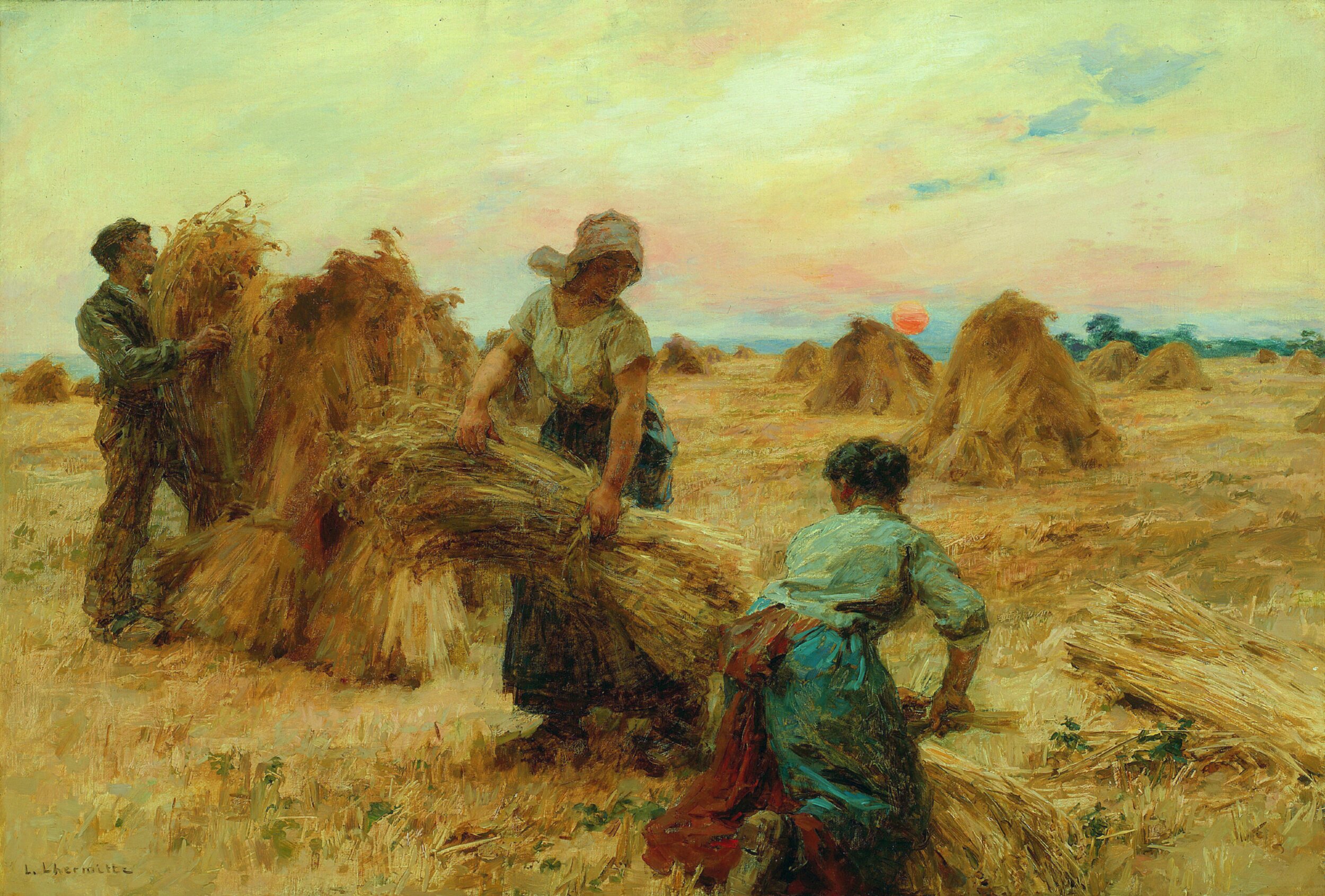
Medieval Farms Were a Boon for Biodiversity, Research Finds
In parts of Europe, the diversity of plants was greatest in the years before the Black Death, at a time when small farms and pastures existed alongside grasslands and forests, new research reveals. The findings show how, under the right conditions, farms can be a boon to nature.
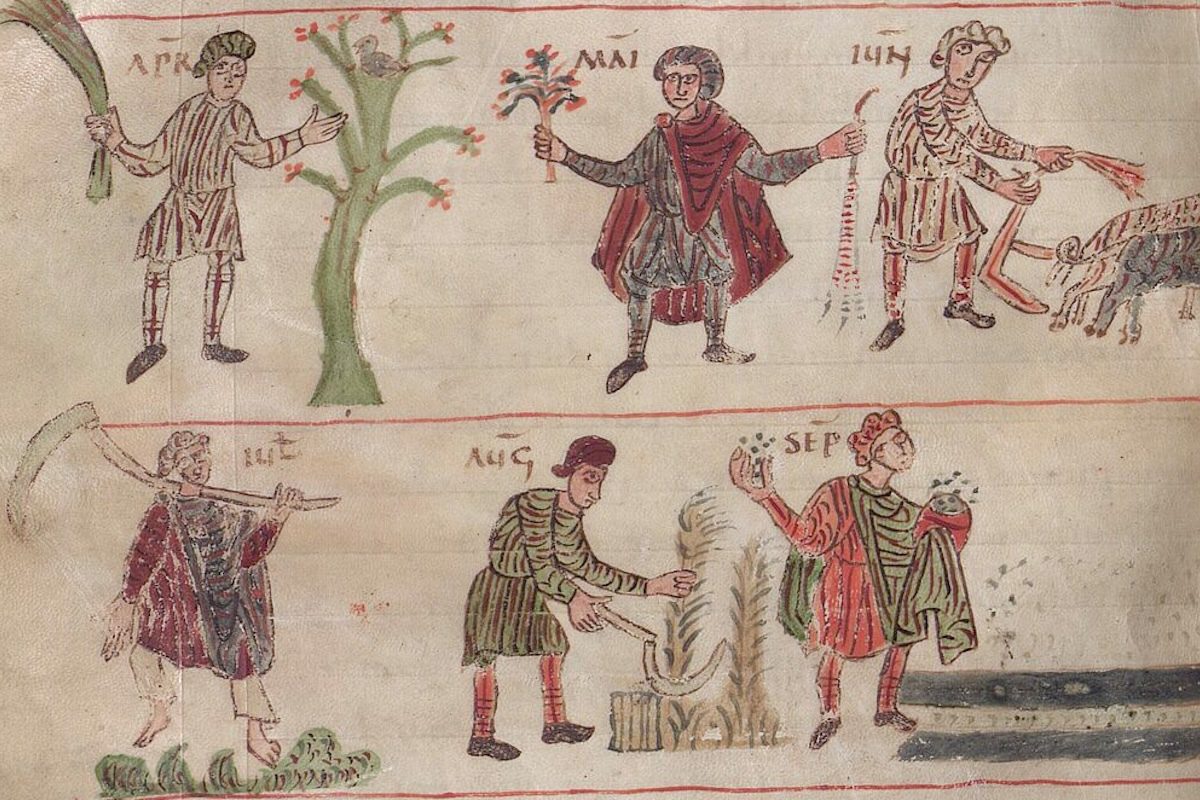
Collections: Bread, How Did they Make it? Part III: Actually Farming
Thanks to our helpful volunteer narrator, this entire post series is now also available in audio format! As the third part (I, II, III, IV, A) of our look at the basic structure of food production …

Collections: Bread, How Did They Make It? Part I: Farmers!
Thanks to our helpful volunteer narrator, this entire post series is now also available in audio format! This essay will hopefully be the first post in a series (II, III, IV, A) covering some of th…

‘Doves and food and fun’: the fight to save a farming pioneer
Wakelyns needs £1.2m to save its diverse organic crops and ‘micro’ enterprises including a bakery and honeybee hives
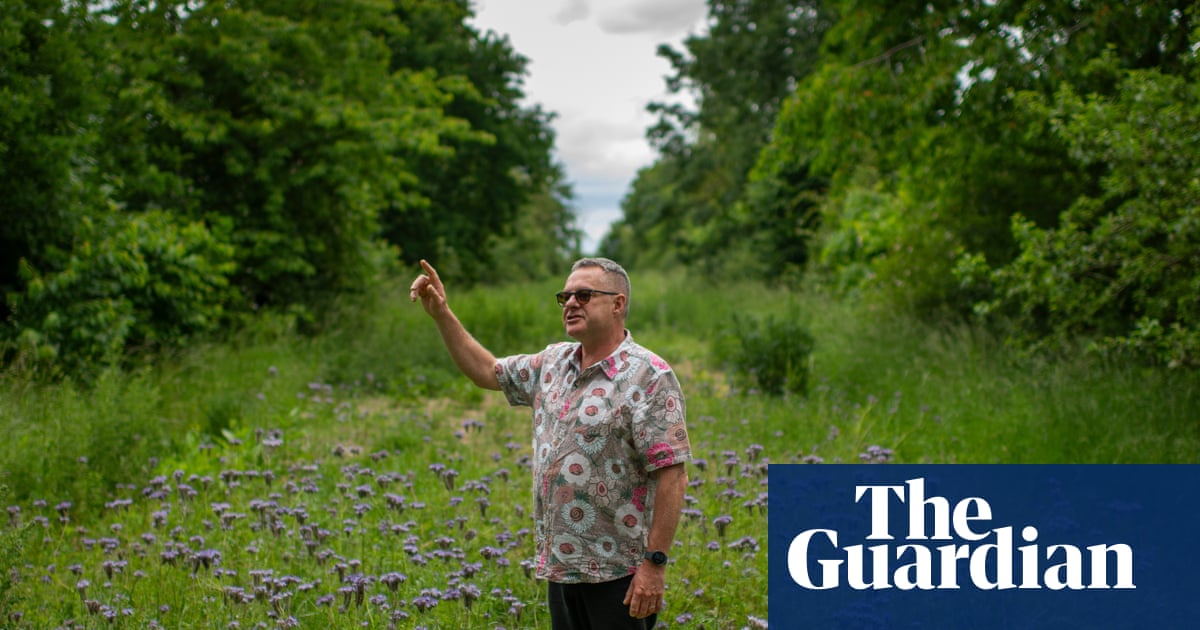
The brutal trade-off that will decide the future of food
A growing number of thinkers say factory farming can help save the planet. Are they right?

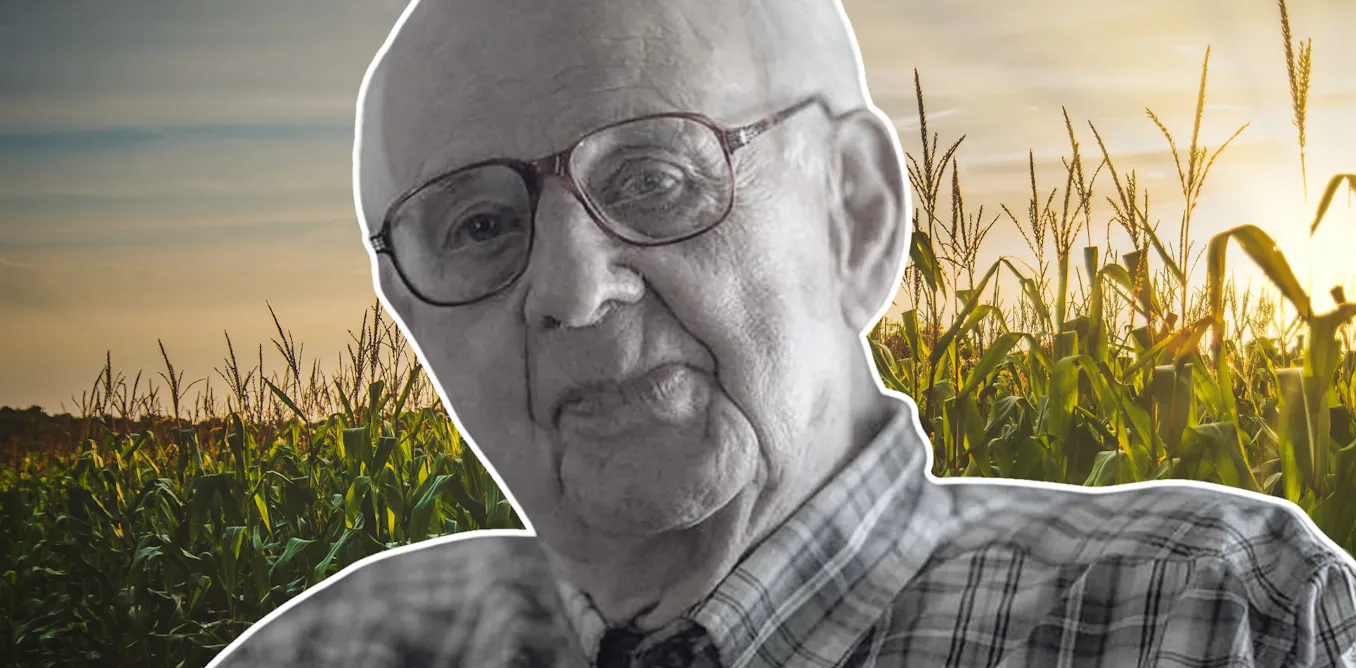
Wendell Berry spent his life farming and writing – his legacy is an ethic of care for the natural world
Every reader, farmers and non-farmers alike, can learn from his broader ethics of care, attention and negotiation with the natural world.
Crop–livestock integration beyond the farm level: a review
AbstractParadoxically, the number of crop–livestock farms is declining across Europe, despite the fact that crop-livestock farms are theoretically optimal to improve the sustainability of agriculture. To solve this issue, crop–livestock integration may be organized beyond the farm level. For instance, local groups of farmers can negotiate land-use allocation patterns and exchange materials such as manure, grain, and straw. Development of such a collective agricultural system raises questions, rarely documented in the literature, about how to integrate crops and livestock among farms, and the consequences, impacts, and conditions of integrating them. Here, we review the different forms of crop–livestock integration beyond the farm level, their potential benefits, and the features of decision support systems (DSS) needed for the integration process. We identify three forms of crop–livestock integration beyond the farm level: local coexistence, complementarity, and synergy, each with increasingly stronger temporal, spatial, and organizational coordination among farms. We claim that the forms of integration implemented define the nature, area, and spatial configuration of crops, grasslands, and animals in farms and landscapes. In turn, these configurations influence the provision of ecosystem services. For instance, we show that the synergy form of integration promotes soil fertility, erosion control, and field-level biological regulation services through organizational coordination among farmers and spatiotemporal integration between crops, grasslands, and animals. We found that social benefits of the synergy form of integration include collective empowerment of farmers. We claim that design of the complementarity and synergy forms of crop–livestock integration can best be supported by collective participatory workshops involving farmers, agricultural consultants, and researchers. In these workshops, spatialized simulation modeling of crop–livestock integration among farms is the basis for achieving the upscaling process involved in integrating beyond the farm level. Facilitators of these workshops have to pay attention to the consequences on governance and equity issues within farmers groups.
openfarmcc/OpenFarm
A free and open database for farming and gardening knowledge. You can grow anything!
Collections: Bread, How Did They Make It? Addendum: Rice!
Thanks to our helpful volunteer narrator, this entire post series is now also available in audio format! As an addendum on to our four-part look at the general structures of the farming of cereal g…

INVESTING IN REGENERATIVE AGRICULTURE AND FOOD
THE INVESTING IN REGENERATIVE AGRICULTURE AND FOOD PODCASTThrough 400+ interviews with farmers, investors, scientists, and entrepreneurs, the podcast puts the spotlight on the pioneers in the regenerative food and agriculture space to learn more on how to put our money to work to regenerate soil, people, local communities and ecosystems while making an appropriate and fair return.
Towards the Symbiocene: Building an Eco-Civilisation with thought-leader, Jeremy Lent
Jeremy Lent is a long time friend of the podcast. His new book, 'Ecocivilization: Making a World That Works for All' is coming out at the end of April 2026 and so we got together to discuss what an Ecocivilisation is, why we so badly need to become one, and how we might get there.
Some recent developments in controlled-environment agriculture: on plant physiology, sustainability, and autonomous control
In this review, we highlight some recent developments in controlled-environment agriculture (CEA), discuss its sustainability and provide a future outlook, mainly based on recently published work f...

WWOOF | World Wide Opportunities on Organic Farms
A world filled with nature, fresh air, good food, hands-on farming, and community.
Collections: Life, Work, Death and the Peasant, Part IVc: Rent and Extraction
This is the third piece of the fourth part of our series (I, II, IIIa, IIIb, IVa, IVb, IVc, IVd,IVe, V) looking at the lives of pre-modern peasant farmers – a majority of all of the humans who have…

"My father did not force the harvest. He tended the soil. He trusted that if the soil was right, what needed to grow would grow"

Ronen Tamari
Sublime essay by Otto Scharmer - a "drop everything and read" moment for me “More than $2.5T is projected to flow into AI in 2026 alone, yet the human side ... — the cultivation of sensing, relating and sensemaking — receives almost none of it. This is soil depletion at a civilizational scale.”