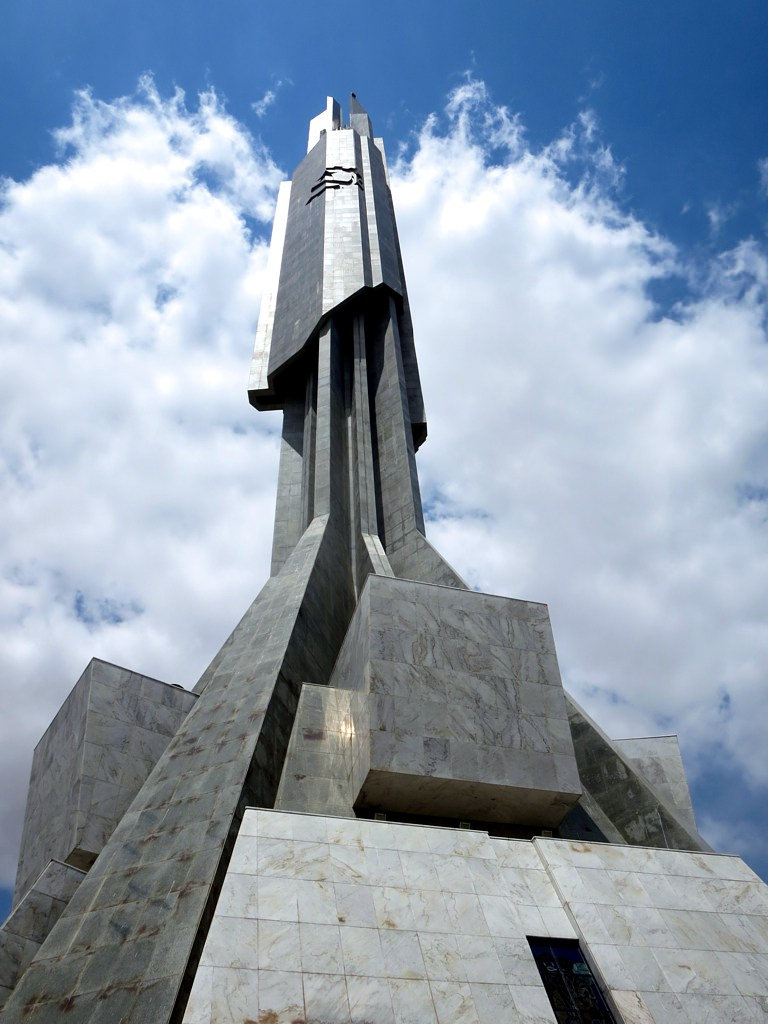
x, 610 pages ; 25 cm; "This incisive history upends the complacency that confines anti-Judaism to the ideological extremes in the Western tradition. With deep learning and elegance, David Nirenberg shows how foundational anti-Judaism is to the history of the West"--Amazon; Includes bibliographical references (pages 475-579) and index; Thinking about Judaism, or, The Judaism of thought -- The ancient world: Egypt, exodus, empire -- Early Christianity: the road to Emmaus, the road to Damascus -- The early Church: making sense of the world in Jewish terms -- "To every prophet an adversary": Jewish enmity in Islam -- "The revenge of the Savior": Jews and power in medieval Europe -- The extinction of Spain's Jews and the birth of its Inquisition -- Reformation and its consequences -- "Which is the merchant here, and which the Jew?": acting Jewish in Shakespeare's England -- "Israel" at the foundations of Christian politics: 1545-1677 -- Enlightenment revolts against Judaism: 1670-1789 -- The revolutionary perfection of the world: 1789-? -- Philosophical struggles with Judaism, from Kant to Heine -- Modernity thinks with Judaism -- Drowning intellectuals; Phi Beta Kappa Ralph Waldo Emerson Book Award, 2014
Anti-Zionism: A Jewish History
A sweeping and revelatory history of the hidden tradition of Jewish thinkers who opposed Zionism, from Pulitzer Prize winner Benjamin Moser.In Anti-Zionism: A Jewish History, Benjamin Moser uncovers a suppressed tradition that has shaped Jewish thought for generations. Through a cast of artists, rabbis, poets, lawyers, activists, journalists, and politicians—from Europe and Africa and Asia and Latin America—Moser traces a lineage of Jewish dissenters who confronted Zionism’s moral and political stakes—often at devastating personal cost, including censorship, exile, and death.Their lives form a sweeping, global narrative that dismantles a powerful myth: that anti-Zionism is synonymous with antisemitism. Spanning continents and centuries, these voices—people from the right and the left, Reform and Orthodox, Ashkenazic and Sephardic, men and women, gay and straight—differ sharply in belief and background, yet converge on a shared warning about the consequences of a nationalist project built on exclusion. What emerges is not only a rediscovered tradition of Jewish moral thought, but a startling reappraisal of Zionism itself.Moser’s work restores the full scale and depth of Jewish ethical imagination, affirming that Judaism is older and larger than any single political project. Lucid, unsparing, and deeply humane, Anti-Zionism cements Moser’s place as one of our foremost Jewish writers and presents a framework through which this history—and its meanings—will be understood for years to come.
‘A hidden tradition’: Benjamin Moser wants you to know Jewish anti-Zionism is not new
The writer rarely questioned the tenets of liberal Zionism growing up. Now he embraces anti-Zionism with the fervor of a new convert

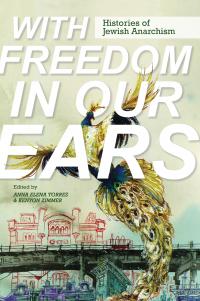
With Freedom in Our Ears
Contributors bring to light the presence and persistence of Jewish anarchism throughout histories of radical labor, women's studies, political theory, multilingual literature, and ethnic studies.
The Sanitizing of Conservative Judaism
Conservative Judaism’s origins lie in a donor plan to neutralize and refine the radical Jewish immigrant masses.

Israel: What Went Wrong?
A leading Israeli American scholar of the Holocaust explores and explains his native country's intensifying turn toward violence and exclusion.The distinguished historian Omer Bartov was born on a kibbutz, grew up in Tel Aviv, and served in the Israel Defense Forces during the Yom Kippur War. He went on to become a leading scholar of the German army and the Holocaust, before turning his attention to his native country.In Israel: What Went Wrong?, Bartov sketches the tragic transformation of Zionism, a movement that sought to emancipate European Jewry from oppression, into a state ideology of ethno-nationalism. How is it possible, he asks, that a state founded in the immediate aftermath of the Holocaust, an event that gave legitimacy to a national home for the Jews, stands credibly accused of perpetrating large-scale war crimes? How do we come to terms with the fact that Israel’s war of destruction is being conducted with the support, laced with denial and indifference, of so many of its Jewish citizens?Tracing the roots of the violent events currently unfolding in Israel and the occupied territories, Bartov tracks his country's moral tribulations and considers the origins of Zionism, the intertwining of Israel’s independence with Palestinian displacement, the politics of the Holocaust, controversies over the term "genocide," and the uncertain future. The result is a searing and urgent critique that addresses today’s debates over Zionism and the future of Israel with rigor and depth.
Constantine's Sword
Constantine's Sword: The Church and the Jews: A History (2001) is a book by James Carroll, a former priest, which documents the role of the Roman Catholic Church in the long European history of religious antisemitism as a precursor to racial antisemitism. The primary source of anti-Jewish violence is the perennial obsession with converting the Jews to Christianity; an event which some theologians believed would usher in the Second Coming.

Sociologie de l’antisémitisme français
Un rabbin agressé par un jeune homme à Orléans, une caricature LFI de Cyril Hanouna qui choque, Jordan Bardella qui se rend en Israël… Que nous dit la sociologie sur l’évolution de l’antisémitisme contemporain ?
Reckless Rites
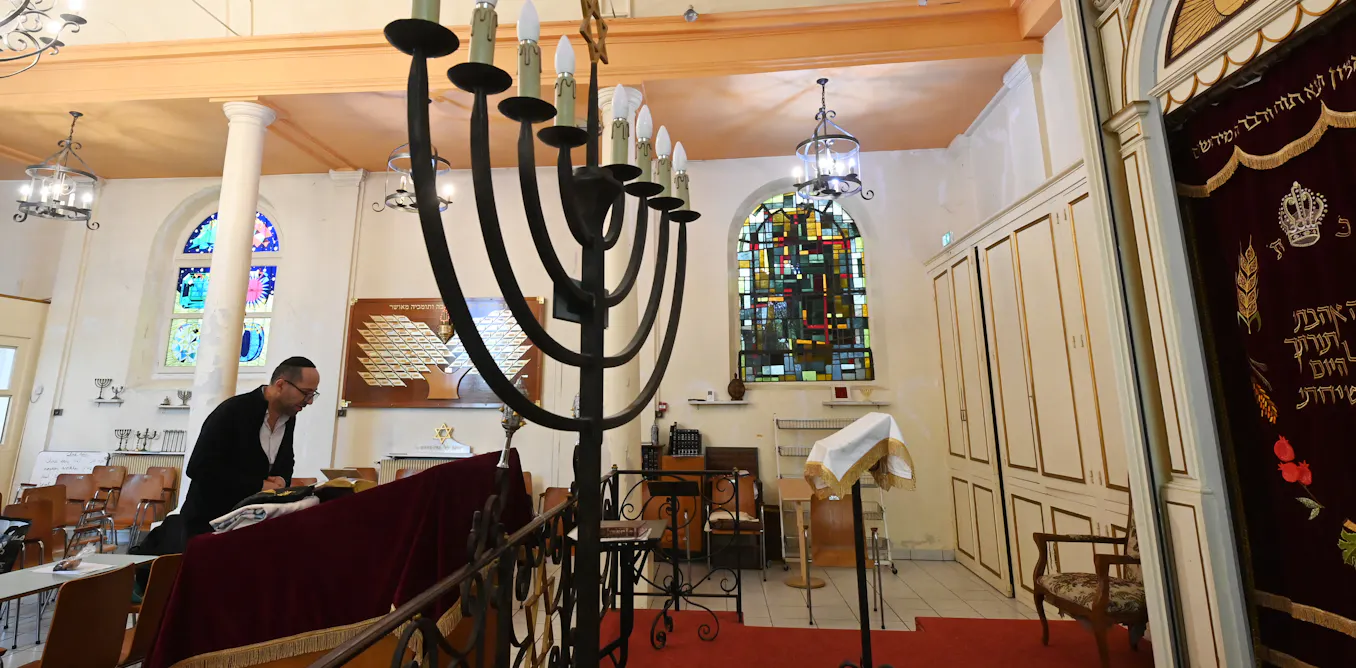
Historical accounts of Jewish violence—particularly against Christians—have long been explosive material. Some historians have distorted these records for anti-Semitic purposes. Others have discounted, dismissed, or simply ignored the evidence, often for apologetic purposes. In Reckless Rites, Elliott Horowitz takes a new and forthright look at both the history of Jewish violence since late antiquity and the ways in which generations of historians have grappled with that history. In the process, he has written the most wide-ranging book on Jewish violence in any language, and the first to fully acknowledge and address the actual anti-Christian practices that became part of the playful, theatrical violence of the Jewish festival of Purim. He has also examined the different ways in which the book of Esther, upon which the festival is based, was used by Jews and Christians over the centuries—whether as an ancient mirror of modern tribulations or as the scriptural basis for anti-Semitic claims regarding the bloodthirstiness of the Jews. Reckless Rites reassesses the historical interpretation of Jewish violence—from the alleged massacre of thousands of Christians in seventh-century Jerusalem to later medieval attacks on Christian symbols such as the crucifix, transgressions that were often committed in full knowledge that their likely consequence would be death. A book that calls for major changes in the way that Jewish history is written and conceptualized, Reckless Rites will be essential reading for scholars and students of history, religion, and Jewish-Christian relations.


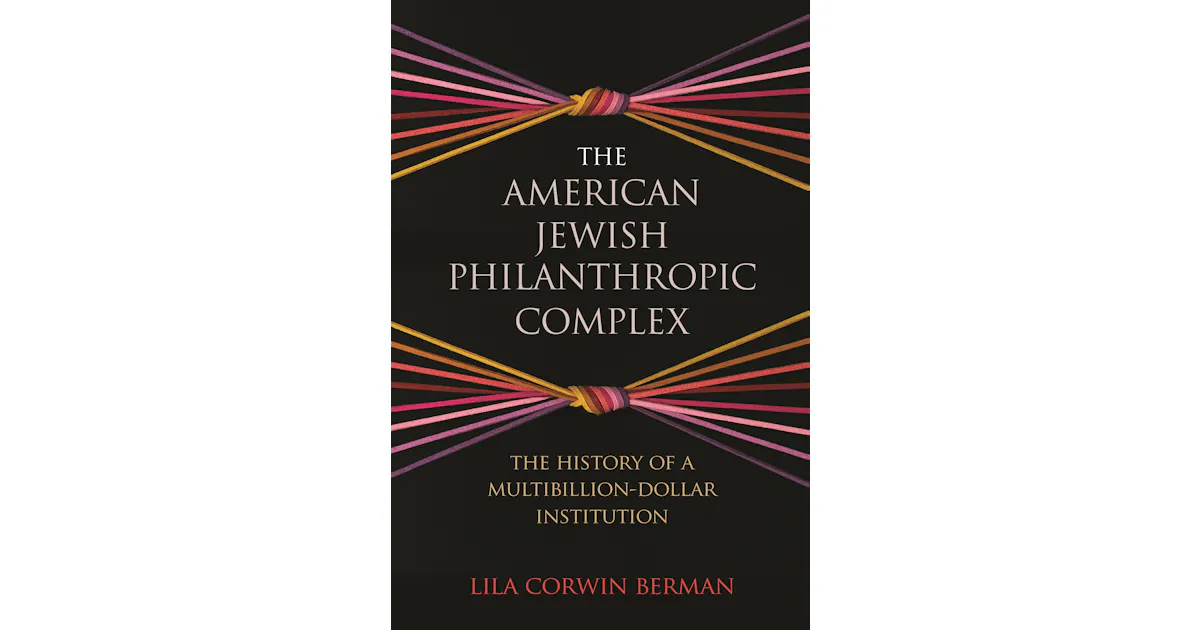
The American Jewish Philanthropic Complex
The first comprehensive history of American Jewish philanthropy and its influence on democracy and capitalism
Newsletter
Breaking news, analysis, art, and culture from a progressive Jewish perspective. Sign up for our newsletter!

Prefigurement
Today’s cruel treatment of Muslims and immigrants was originally crafted as an attack on Jews.

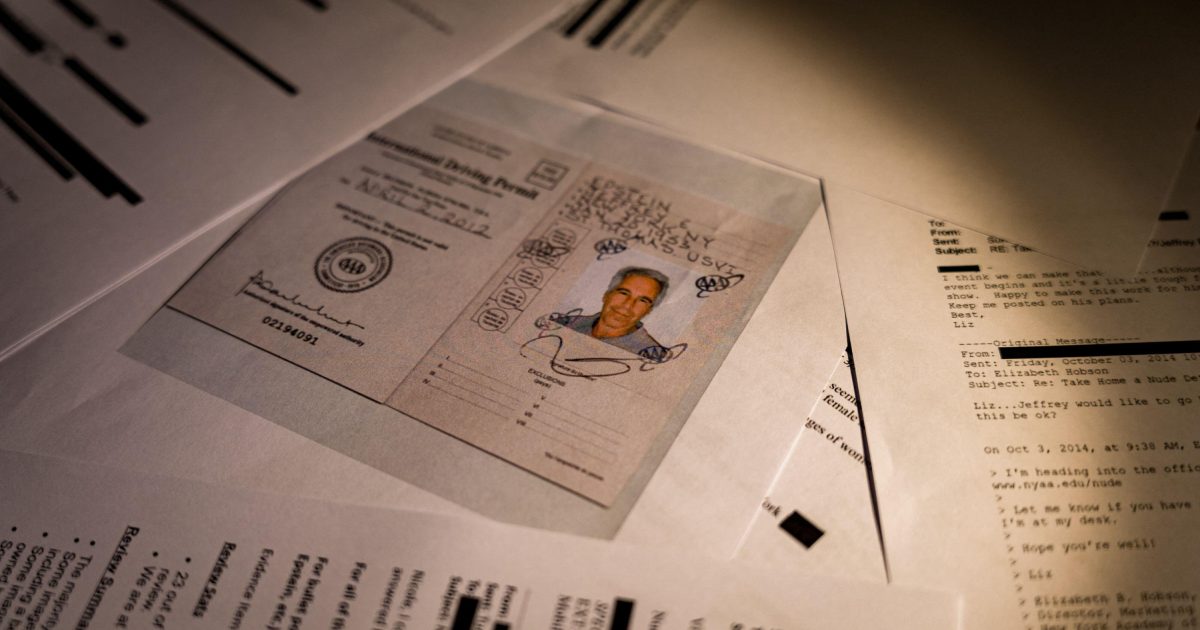
Epstein and the Capitalist Conspiracy
Naomi Klein discusses what to do with a narrative that mirrors the worst anti-Jewish theories and the importance of holding our depraved elites…
'Zionism Led to Genocide. It Must Disappear': Omer Bartov's New Book …
archived 25 Apr 2026 07:22:14 UTC

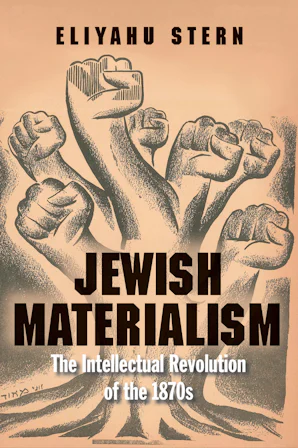
Jewish Materialism
A paradigm-shifting account of the modern Jewish experience, from one of the most creative young historians of his generationTo understand the organizing fra...
Main Page
The First Jewish–Roman War (66–73/74 CE) was the first of three major Jewish rebellions against the Roman Empire. Fought in the province of Judaea, it was bloodily supressed and resulted in the destruction of Jerusalem and the Second Temple. After the client kingdom of Judaea was annexed as a Roman province in 6 CE, tensions grew due to harsh governance and social, ethnic, and religious divisions. Open revolt erupted after the Roman governor Gessius Florus looted the temple in Jerusalem and killed many civilians. Early rebel successes included the defeat of Cestius Gallus at Bethoron, but Roman forces under Vespasian and later his son Titus reconquered the province. Jerusalem fell in 70 CE after a devastating siege, and the last resistance ended with the fall of Masada. The war profoundly reshaped Jewish history and religion, accelerated the separation between early Christianity and Judaism, strengthened the Flavian dynasty, and set the stage for the later catastrophic Bar Kokhba revolt. (Full article...)