


xii, 300 pages : 24 cm; Includes bibliographical references and index
Experts Argue Whether Computers Could Reason, and if They Should (Published 1977)
Computer world is in midst of fundamental dispute over question of computer intelligence since MIT Prof Joseph Weizenbaum wrote book arguing that machines can never be made to reason like people and should not be; Weizenbaum por (M)

Abeba Birhane on Twitter / X
a classic case of “the human mind is afforded less complexity than is owed, and the computer is afforded more wisdom than is due.” Baria and Cross (2021)that "vibe" is at the core of what makes us human. it defies formalization and datafication https://t.co/AXELAqlYcq— Abeba Birhane (@Abebab) February 17, 2024
Feeling of Computing — Conversations
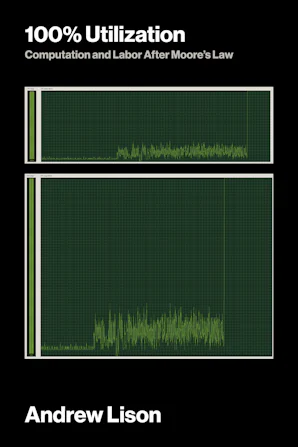
100% Utilization
Since the end of the Second World War, we have come to expect continual growth in computing power and the rapid development of digital technology. This dynam...
Intelligence Per Watt
From 1946 to 2009, computing efficiency—performance per watt—doubled every 1.5 years. This trend, documented by Koomey and colleagues, transformed where computing could happen. Workloads migrated from mainframe rooms to desktops, then laptops, then pockets. The transition from centralized time-sharing to personal computing didn't occur because PCs surpassed mainframes in raw performance. It occurred when efficiency gains made computing capable enough within the power constraints of personal devices.
Humanities in the Machine - Blain Smith
There is something quietly remarkable about the people who built the foundations of modern computing. Not their technical achievements, though those are extraordinary. What is remarkable is where they came from before they ever touched a machine.

The Irrational Decision
How the computer revolution shaped our conception of rationality—and why human problems require solutions rooted in human intuition, morality, and judgment

The education of a computer
Thoughtful, capable, and ethical computing ⋅ elementary OS
Thoughtful, capable, and ethical computing

The Technological Construction of Social Power
This essay presents a theory of the role of technology in the distribution and exercise of social power. The paper studies how technical artefacts and systems are used to construct, maintain or st...

The Social Meaning of the Personal Computer: Or, Why the Personal Computer Revolution Was No Revolution
This essay presents a processual model of the personal computing movement that depicts the PC's birth within the context of complex and often contradictory social strategies, each of which used the meaning of computer technology in a distinctive way. It suggests that innovators are constrained by such processes to depict new artifacts in culturally meaningful ways, so that it is difficult for them to conceive of their technologies in radical terms. The rhetoric of "revolution" aside, innovators found it expedient to draw from the stock of meanings at hand as they created new meaning-frameworks for their artifacts. The result is that the new artifacts did not express a coherent or effective political vision and failed to have the intended social effects. This study implies that new technologies frequently reproduce existing social and meaning systems; if they do bring about social change, the changes may differ from those intended by the innovators.
The Social Meaning of the Personal Computer: Or, Why the Personal Computer Revolution Was No Revolution
This essay presents a processual model of the personal computing movement that depicts the PC's birth within the context of complex and often contradictory social strategies, each of which used the meaning of computer technology in a distinctive way. It suggests that innovators are constrained by such processes to depict new artifacts in culturally meaningful ways, so that it is difficult for them to conceive of their technologies in radical terms. The rhetoric of "revolution" aside, innovators found it expedient to draw from the stock of meanings at hand as they created new meaning-frameworks for their artifacts. The result is that the new artifacts did not express a coherent or effective political vision and failed to have the intended social effects. This study implies that new technologies frequently reproduce existing social and meaning systems; if they do bring about social change, the changes may differ from those intended by the innovators.


