


Includes bibliographical references and index; The party -- The puritan -- The pioneer -- The patriarch -- The pauper -- The plan -- Pottawatomie -- Pariah and legend -- The promoter -- Plotting multiculturally -- Practice -- Preparation -- Problems -- Pilloried, prosecuted, and praised -- The passion -- Positions and politics -- The prophet -- Posterity; John Brown, the controversial Abolitionist who used terrorist tactics against slavery, single-handedly changed the course of American history. This biography by critic and cultural biographer Reynolds brings to life the Puritan warrior who gripped slavery by the throat and triggered the Civil War. When does principled resistance become anarchic brutality? How can a murderer be viewed as a heroic freedom fighter? The case of John Brown opens windows on these timely issues. Reynolds demonstrates that Brown's most violent acts--his slaughter of unarmed citizens in Kansas, his liberation of slaves in Missouri, and his dramatic raid, in October 1859, on the federal arsenal at Harpers Ferry, Virginia--were inspired by the slave revolts, guerrilla warfare, and revolutionary Christianity of the day. He shows us how Brown seized the nation's attention, creating sudden unity in the North and infuriating the South. He reveals the true depth of Brown's achievement: not only did Brown spark the war that ended slavery, but he planted the seeds of the civil rights movement by making a pioneering demand for complete social and political equality for America's ethnic minorities
Anarchism and The Black Revolution and Other Essays
An analysis of white supremacy vs the black struggle an…

Deeds, Not Words: The Myth of Polite Revolution
A refusal of the sanitized story that rights were won by asking nicely. The suffragettes bombed Westminster Abbey. The Deacons for Defense guarded MLK. Man…
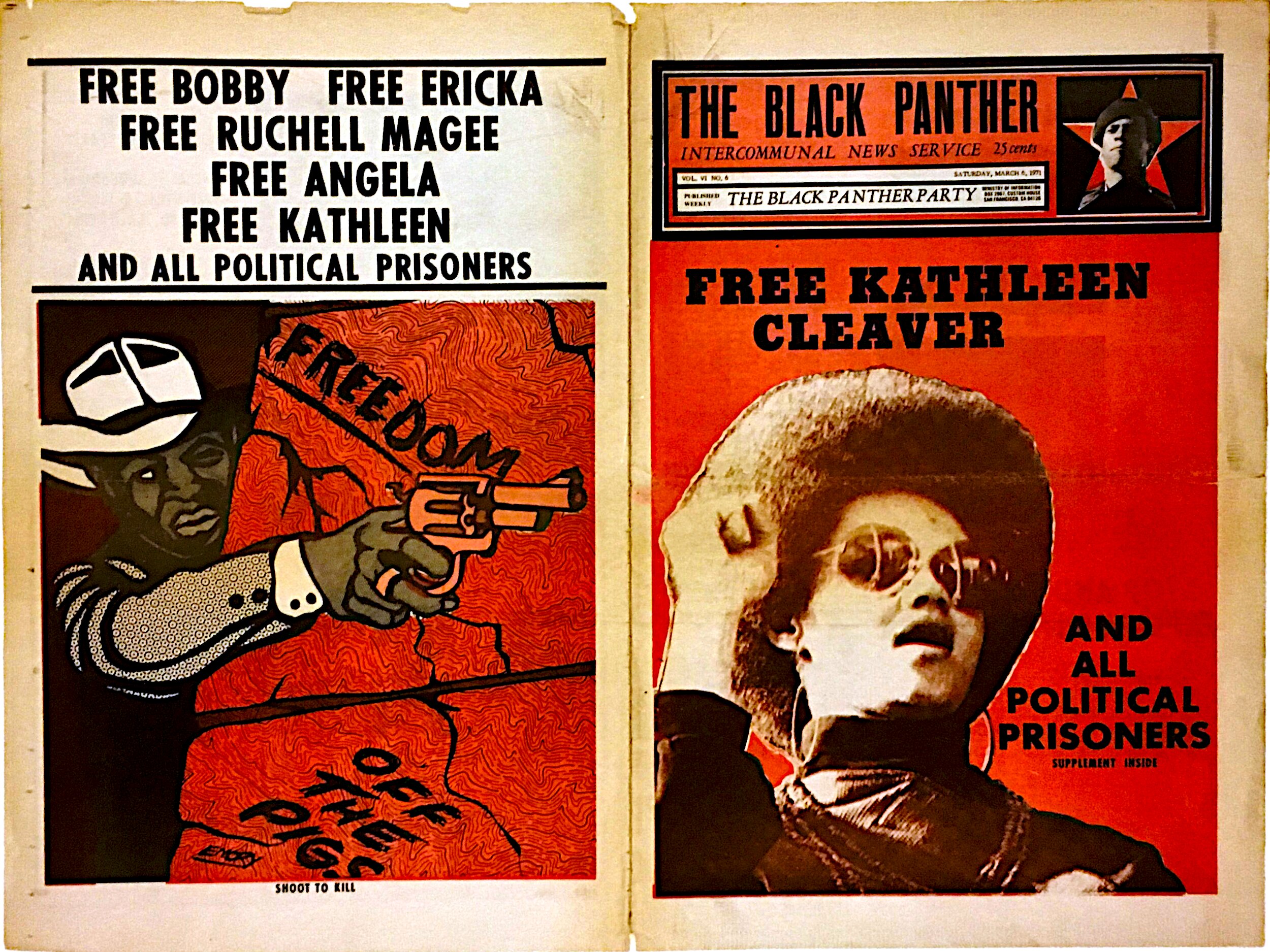
The Counter-Revolution of 1776: Slave Resistance and th…
Illuminates how the preservation of slavery was a moti…

Waging a good war: a military history of the civil rights movement, 1954-1968
"A new history of the Civil Rights Movement with an emphasis on its nonviolent use of military tactics and strategy"--

Martin Luther King, Jr. , Letter from Birmingham Jail (1963) – Knowledge for Freedom seminar
I have almost reached the regrettable conclusion that the Negro’s great stumbling block in his stride toward freedom is not the White Citizen’s Counciler or the Ku Klux Klanner, but the white moderate, who is more devoted to “order” than to justice; who prefers a negative peace which is the absence of tension to a positive peace which is the presence of justice
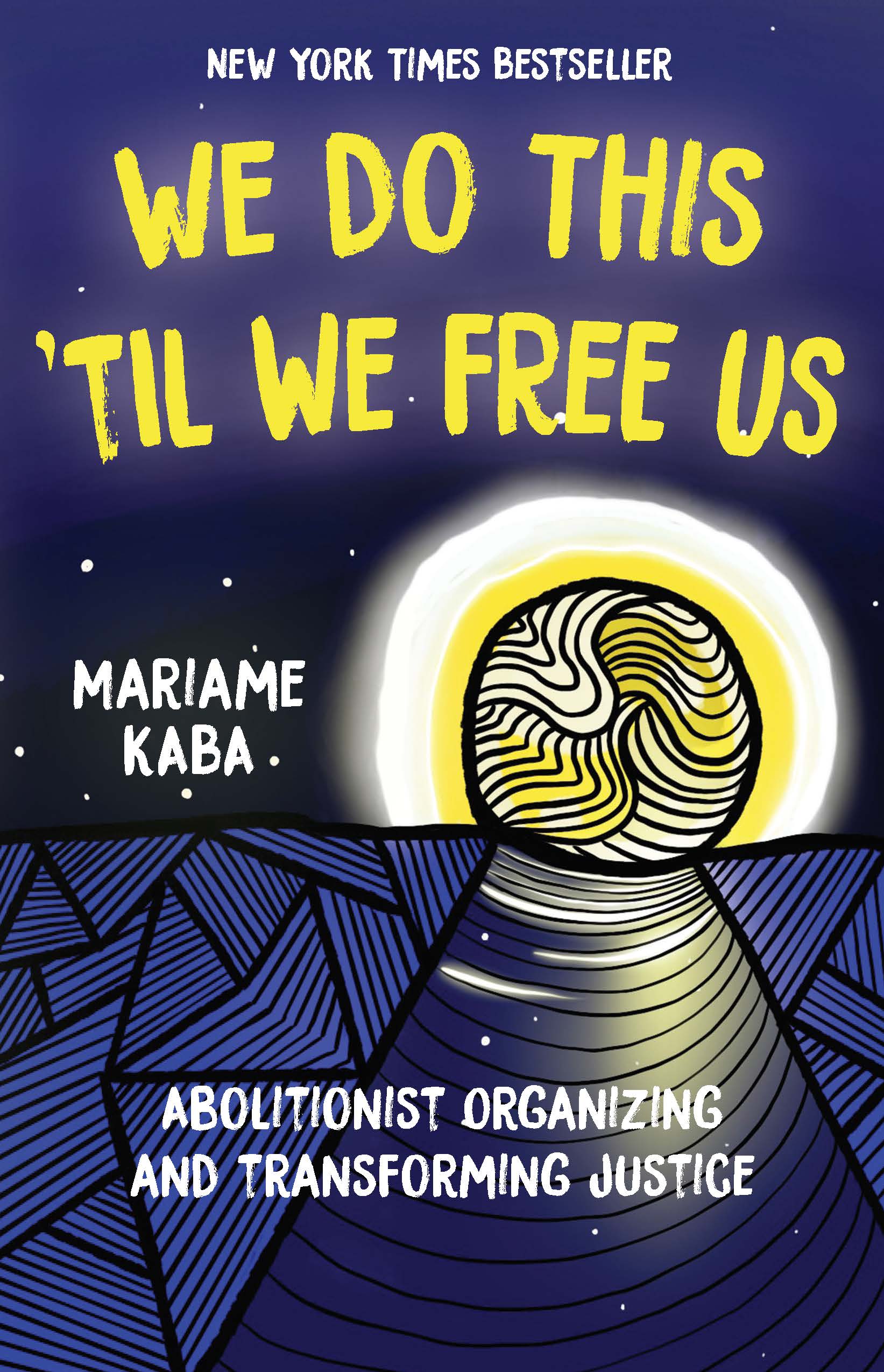
We Do This 'Til We Free Us
New York Times Bestseller “Organizing is both science and art. It is thinking through a vision, a strategy, and then figuring out who your targets are, always being concerned about power, always being concerned about how you’re going to actually build power in order to be able to push your issues, in order to be able to get the target to actually move in the way that you want to.” What if social transformation and liberation isn’t about waiting for someone else to come along and save us? What if ordinary people have the power to collectively free ourselves? In this timely collection of essays and interviews, Mariame Kaba reflects on the deep work of abolition and transformative political struggle. With a foreword by Naomi Murakawa and chapters on seeking justice beyond the punishment system, transforming how we deal with harm and accountability, and finding hope in collective struggle for abolition, Kaba’s work is deeply rooted in the relentless belief that we can fundamentally change the world. As Kaba writes, “Nothing that we do that is worthwhile is done alone.”
We Will Shoot Back: Armed Resistance in the Mississippi…
"Ranging from Reconstruction to the Black Power period,…

Between Threat and Reality: The National Association for the Advancement of Colored People and the Emergence of Armed Self-Defense in Clarksdale and Natchez, Mississippi, 1960-1965
Annelieke Dirks, Between Threat and Reality: The National Association for the Advancement of Colored People and the Emergence of Armed Self-Defense in Clarksdale and Natchez, Mississippi, 1960-1965, Journal for the Study of Radicalism, Vol. 1, No. 1 (Spring 2007), pp. 71-98
The Rebel: An Essay on Man in Revolt | Philopedia
Overview of Albert Camus’s The Rebel, exploring metaphysical and historical rebellion, nihilism, revolution, and the limits of political violence.

From Haymarket to Prairieland: How dissent has unleashed the long arm of the law
The Prairieland sentencing has dark historical parallels, Kim Kelly writes. But we can change the end of the current story.
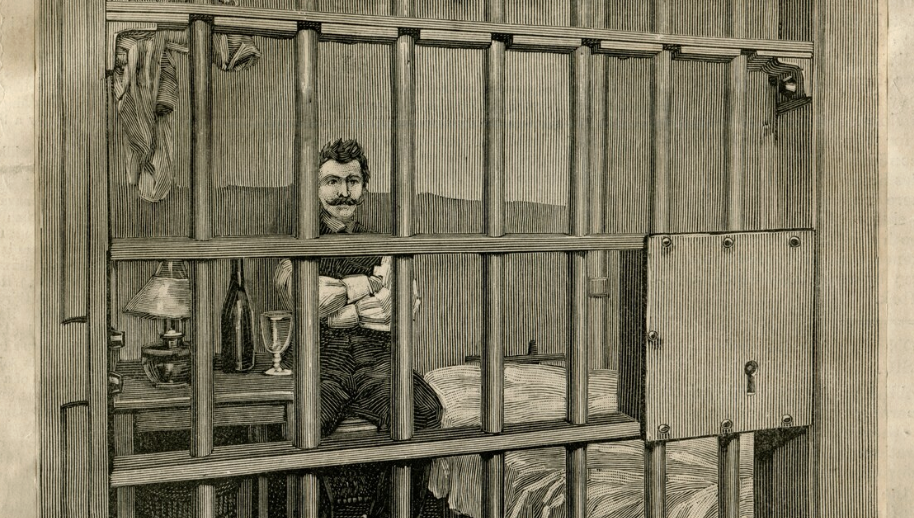
Blue Rage, Black Redemption: A Memoir
A gripping tale of personal revolution by a man who wen…

Anti-social Punishment — LessWrong
Why do some societies exhibit more antisocial punishment than others? Martin explores both some literature on the subject, and his own experience liv…

Black Marxism, Revised and Updated Third Edition by Cedric J Robinson | East Bay Booksellers
In this ambitious work, first published in 1983, Cedric Robinson demonstrates that efforts to understand Black people’s history of resistance solely through the prism of Marxist theory are incomplete and inaccurate.
#Charlestonsyllabus - AAIHS
Here is a list of readings that educators can use to broach conversations in the classroom about the horrendous events that unfolded in Charleston, South Carolina on the evening of June 17, 2015. These readings provide valuable information about the history of racial violence in this country and contextualize the history of race relations in South

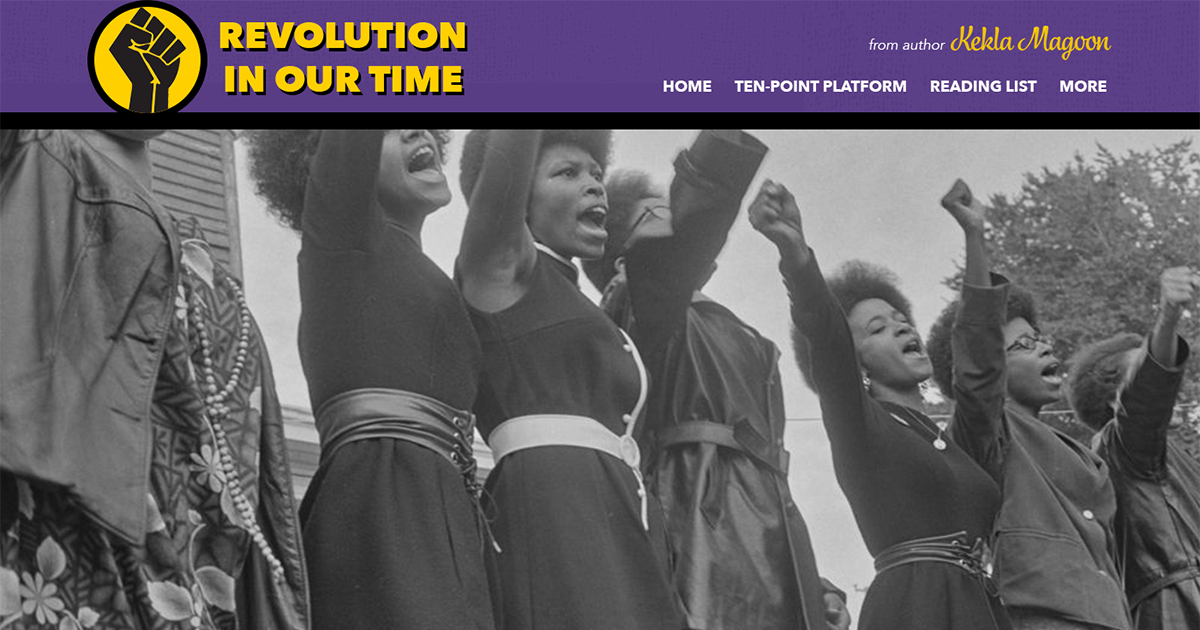
Revolution in Our Time: The Black Panther Party's Promise to the People
Kekla Magoon relays an essential account of the Black Panthers—as militant revolutionaries and human rights advocates.
American Babylon
A gripping portrait of black power politics and the struggle for civil rights in postwar Oakland
