DOWNLOAD THE FREE EBOOK: PDFEPUBPURCHASE A PRINT COPY: Buy the book from Better World Books or any online bookstore.Order a copy through your local bookstore!LISTEN TO THE PODCAST (Release dates: July 1 - August 5, 2026): Vanishing Culture Episode #1: What We Stand to Lose with Luca MessarraVanishing Culture Episode #2: The Stories Hidden in Cookbooks with Katie LivingstonVanishing Culture Episode #3: Saving Queer Memory with Brooke PalmieriVanishing Culture Episdoe #4: Keeping African Folktales Alive with Helen Nde & Laura GibbsVanishing Culture Episode #5: A Language Worth Saving with Peter ScholingVanishing Culture Episode #6: What We've Learned with Vida Vojić & Alice BridgwoodABOUT VANISHING CULTURE: In today’s digital landscape, corporate interests, shifting distribution models, and malicious cyber attacks are threatening public access to our shared cultural history. The rise of streaming platforms and temporary licensing agreements means that sound recordings, books, films, and other cultural artifacts that used to be owned in physical form, are now at risk—in digital form—of disappearing from public view without ever being archived. Web sites like MTV News, Gawker, and others are removed from the live web by their corporate owners, leaving only web archives like those in the Wayback Machine as the last remaining public record of their reporting and cultural impact. Cyber attacks, like those against the Internet Archive, British Library, Seattle Public Library, Toronto Public Library and Calgary Public Library, are a new form of digital barrier, impeding access to information at community scale. When digital materials are vulnerable to sudden removal—whether by design or by attack—our collective memory is compromised, and the public's ability to access its own history is at risk. Vanishing Culture: A Report on Our Fragile Cultural Record aims to raise awareness of these growing issues, featuring essays from: Digital librarian Brewster Kahle, founder of the Internet Archive; Humanities scholar Luca Messarra; Book historian and social media star Allie Alvis; Game designer Jordan Mechner; Journalist Philip Bump; Writer and editor Maria Bustillos; Film archivist Rick Prelinger; Digital humanities scholar Nichole Misako Nomura; Writer and book artist Eve Scarborough; And many more… The report details recent instances of cultural loss, highlights the underlying causes, and emphasizes the critical role that public-serving libraries and archives must play in preserving these materials for future generations. By empowering libraries and archives legally, culturally, and financially, we can safeguard the public’s ability to maintain access to our cultural history and our digital future.
Digital Commons: Our Shared Right to Knowledge and Culture
As the volume of cultural and scientific works produced and available on the internet continues to expand, the question of freedom to consult and use this immense ‘digital commons’ is becoming a critical one, particularly as cutting off access could entail serious consequences for education, cultural exchange, and even the health of European citizens.
Culture & truth : the remaking of social analysis
xii, 253 pages ; 22 cm; Argues for a new approach to thinking and writing about culture. Exposing old conceptions, the book argues that new ethnographic writing must come to terms with the dynamic nature of social reality - with history, spontaneity, and human emotions; Originally published: Boston: Beacon, 1989; Includes index; Self-Renewing 2017; Includes index

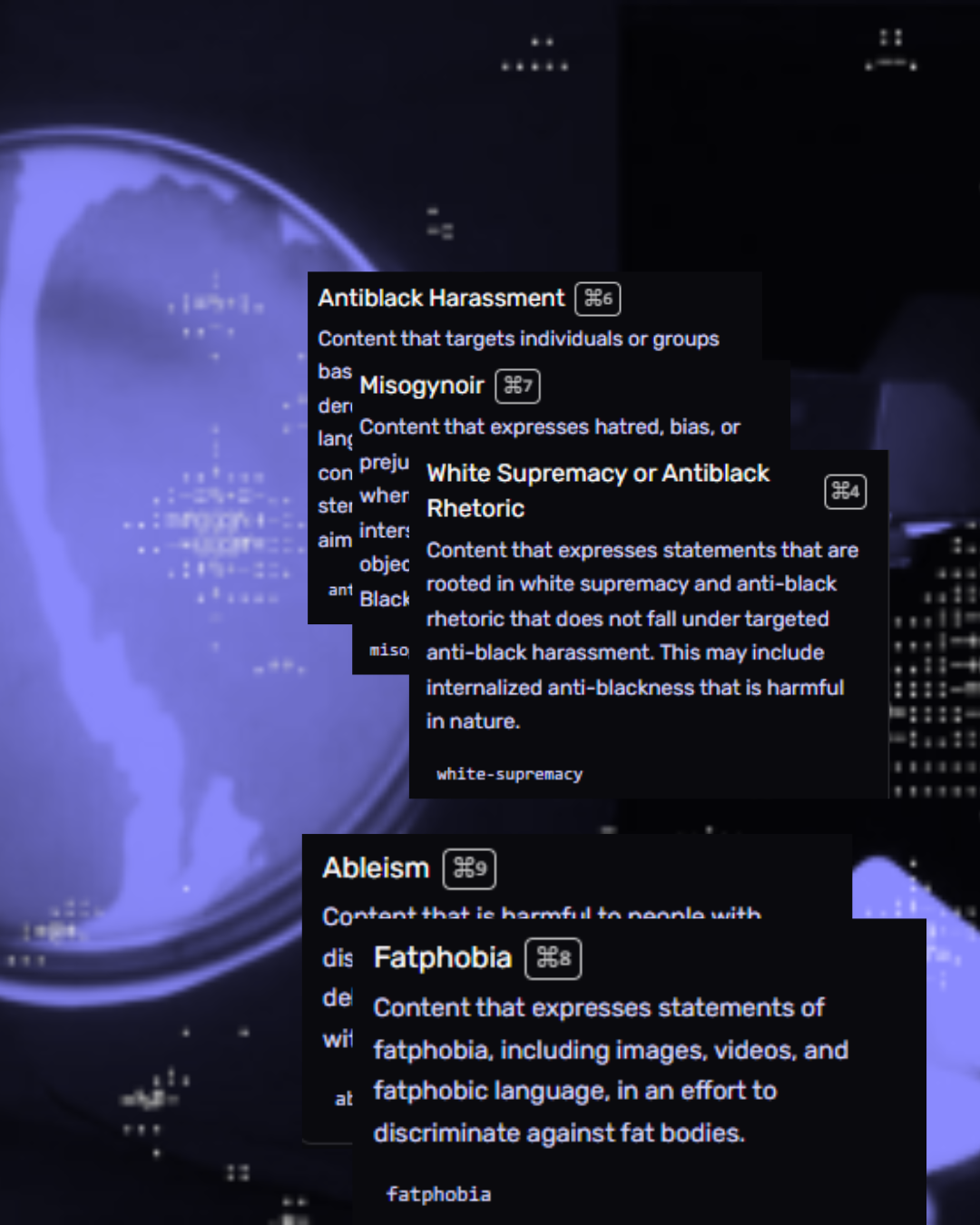
Building a Culture of (Digital) Safety
Black culture is in a lot of ways synonymous with how internet culture exists writ large. From what is now described as “Gen-Z slang” (or as Black people have always known it, AAVE) to our methods of organizing (Black feminists starting hashtag activism and creating movements like #MeToo, #BlackLivesMatter, and #SayHerName) and even how we […]

Collectief Eigendom
Cultural practices of collective ownership over natural resources have been around for quite some time. Do these ways of working have a digital counterpart? It may seem simple at first. To translate cultural practices of collective ownership into the digital realm, just use a Creative Commons license to allow others to make use of your work, share further modifications, and contribute to the wealth of the digital commons. That’s it. Some stories are just too good to be true.
Cybercultural: Internet History and Its Impact on Our Culture
Cybercultural is a website covering internet history and the evolution of digital culture.
Does modernisation erase cultural difference – or amplify it? | Psyche Ideas
We understandably fear the flattening effect of modernity. But global data from China to Peru tells a hopeful story
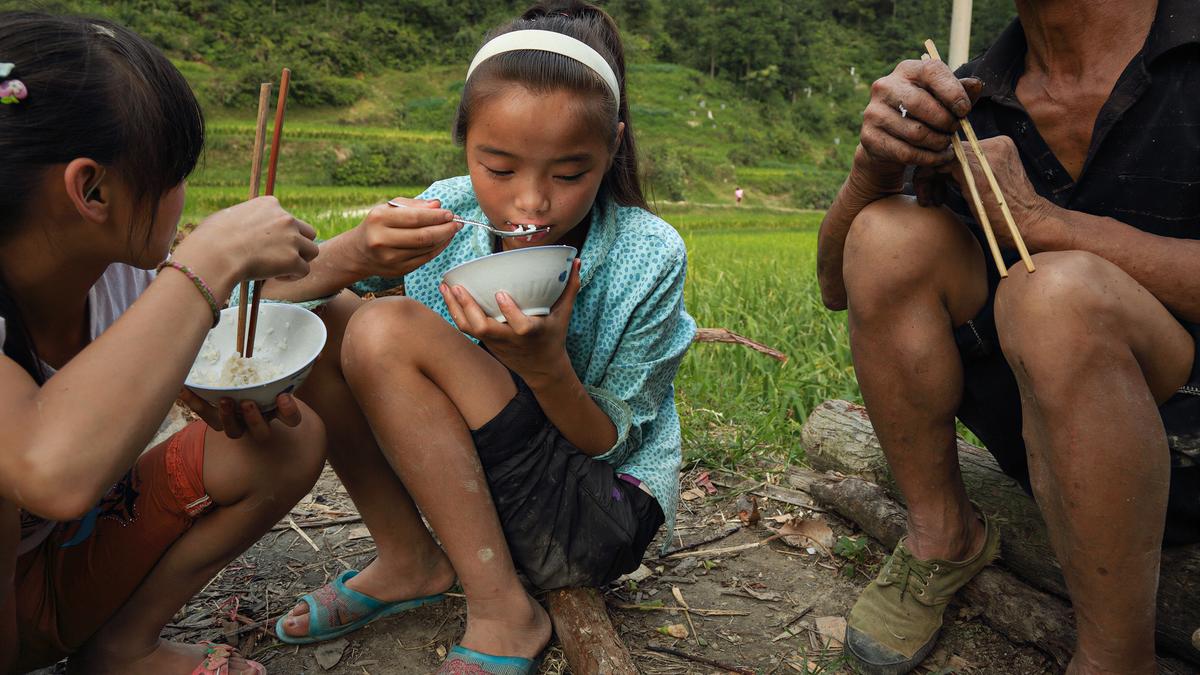
Our Overfitted Century
Cultural stagnation is because we're stuck in-distribution
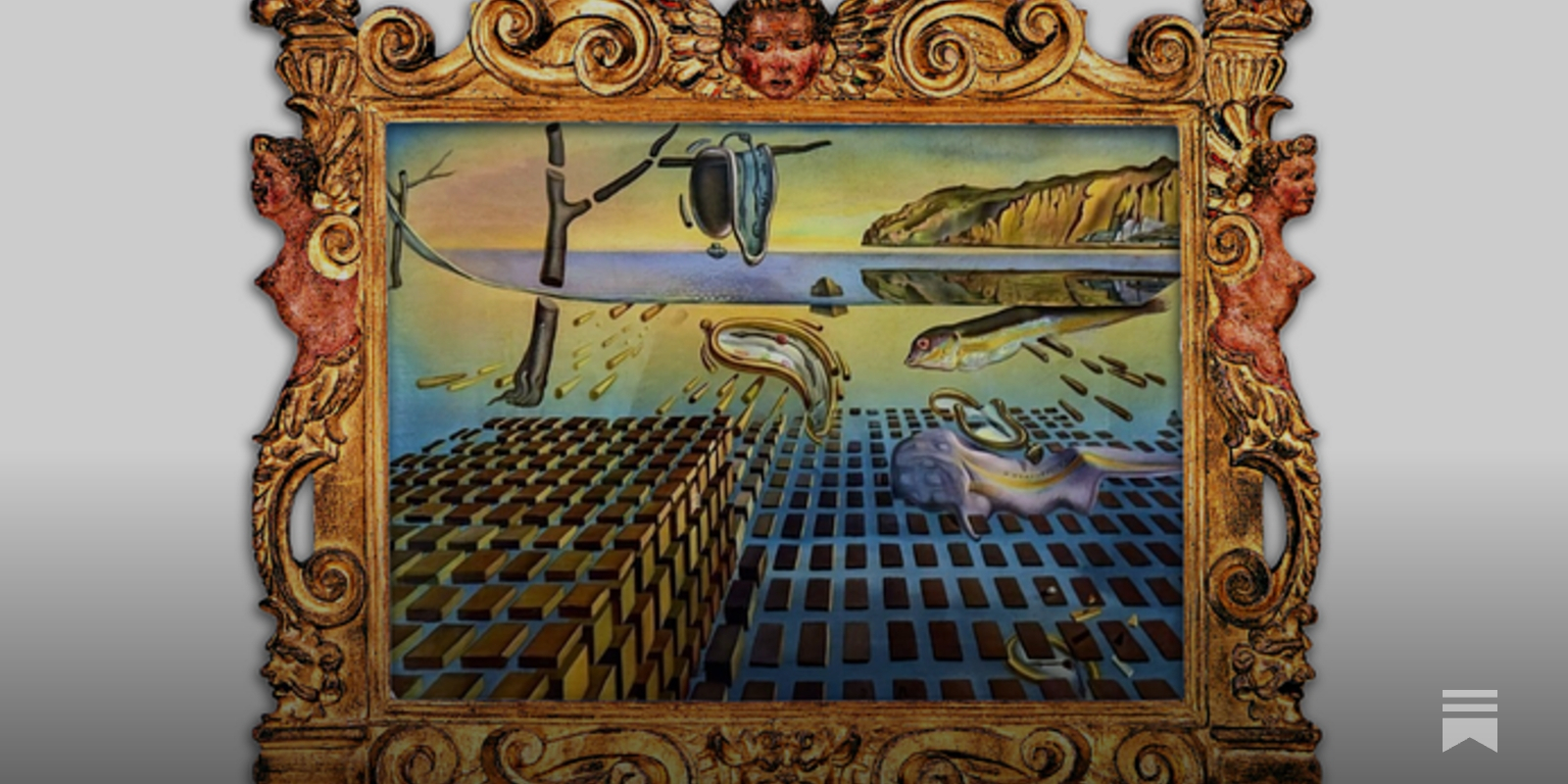
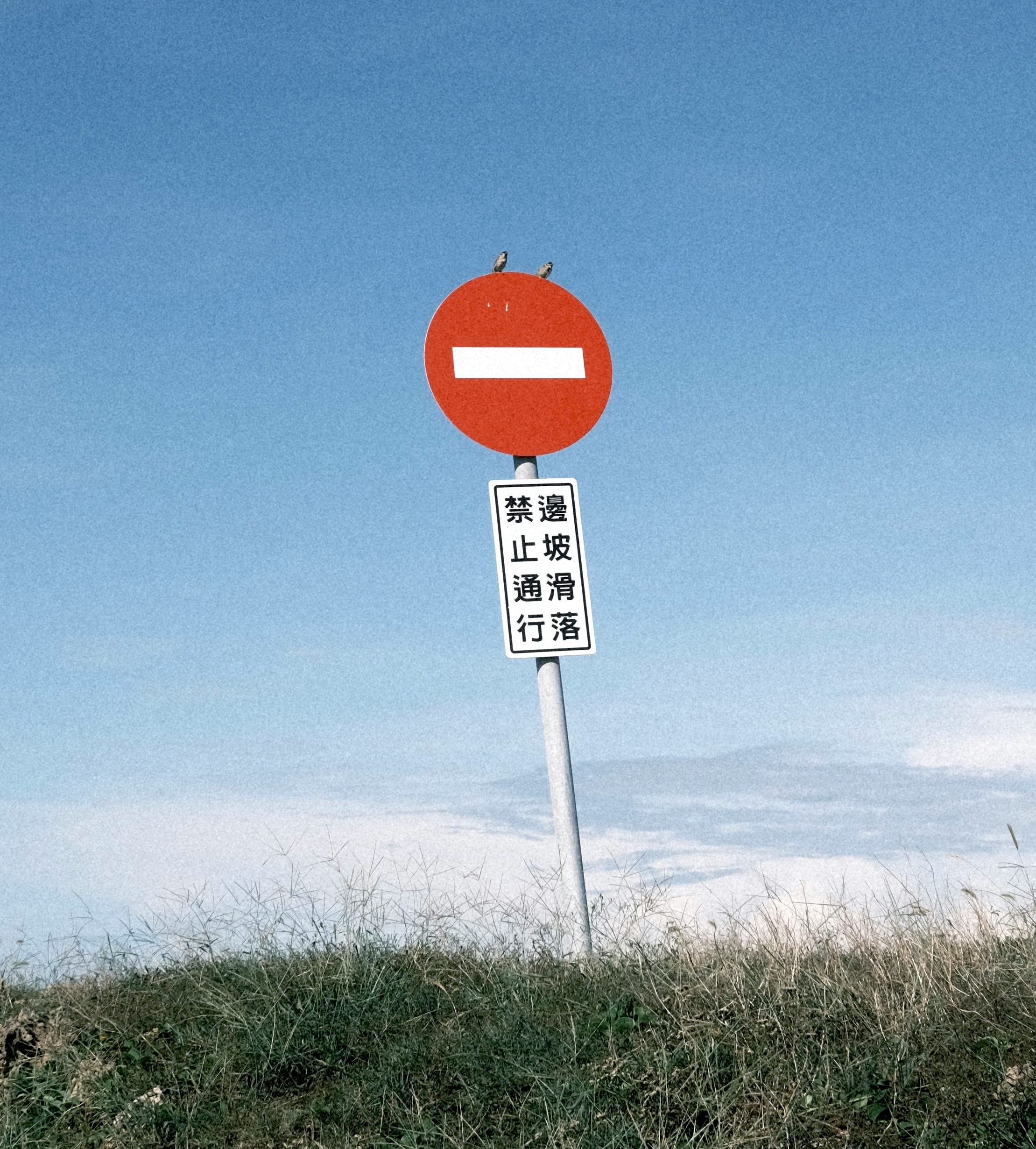
Technopoly: The Surrender of Culture to Technology
A witty, often terrifying that chronicles our transform…

They have to be able to talk about us without us - Anil Dash
A blog about making culture. Since 1999.