


xiii, 172 p. : 23 cm; Published in 1970 under title: College in crisis
Universities on Fire: Higher Education in the Climate Crisis
Scientists agree that we are on the precipice of a global climate crisis. How will it transform colleges and universities?Winner of the Frederic W. Ness Book Award by the Association of American Colleges and UniversitiesIn 2019, intense fires in the San Francisco Bay Area closed universities and drove afflicted people to shelter at other campuses. At the same time, extraordinary fires ravaged eastern Australia. Several universities responded by promising material and research support to damaged businesses while also hosting refugees and emergency response teams in student residence halls. This was an echo of the devastation wreaked by Hurricane Katrina on Tulane University in 2005.In Universities on Fire, futurist Bryan Alexander explores higher education during an age of unfolding climate crisis. Powered by real-world examples and the latest research, Alexander assesses practical responses and strategies by surveying contemporary programs and academic climate research from around the world. He establishes a model of how academic institutions may respond and offers practical pathways forward for higher education. How will the two main purposes of education—teaching and research—change as the world heats up? Alexander positions colleges and universities in the broader social world, from town-gown relationships to connections between how campuses and civilization as a whole respond to this epochal threat.Current studies of climate change trace the likely implications across a range of domains, from agriculture to policy, urban design, technology, culture, and human psychology. However, few books have predicted or studied the effects of the climate crisis on colleges and universities. By connecting climate research to a deep, futures-informed analysis of academia, Universities on Fire explores how climate change will fundamentally reshape higher education.

The Campus Does Not Exist — Parapraxis
How campus war is made Samuel P. Catlin

#Charlestonsyllabus - AAIHS
Here is a list of readings that educators can use to broach conversations in the classroom about the horrendous events that unfolded in Charleston, South Carolina on the evening of June 17, 2015. These readings provide valuable information about the history of racial violence in this country and contextualize the history of race relations in South

"Violence Has No Place In Politics" OH REALLY?
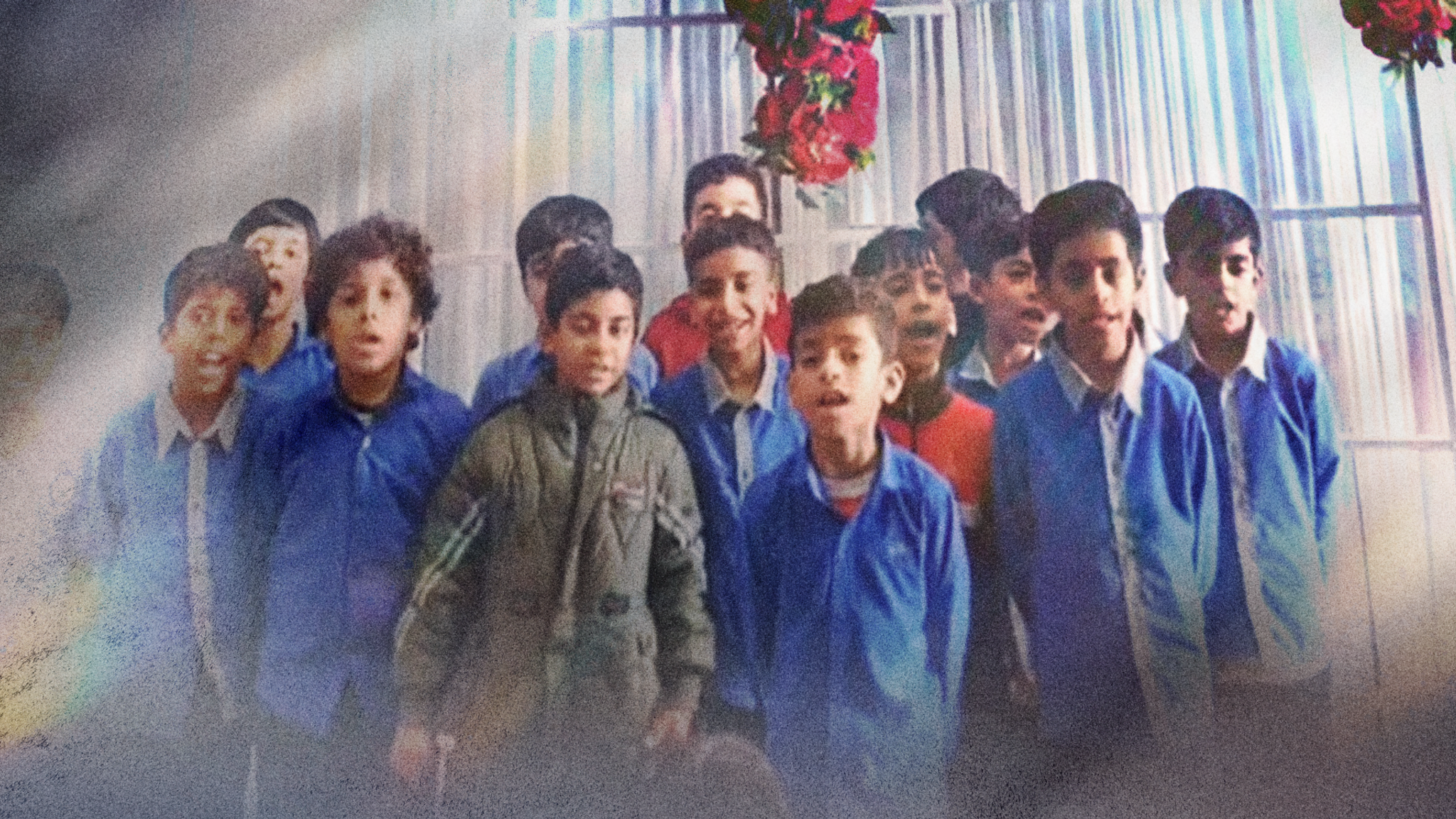
Revealed: A catalogue of failures and the devastating aftermath of Iran school bombing
Polycrisis - Cascade Institute
The polycrisis program examines how today’s multiple crises are linked and how the polycrisis could create possibilities for positive outcomes.

The Right-Wing War on Education
The History Crisis Is a National Security Problem
As universities shed scholars, key learning disappears.

Why the Clock Broke: America in an Age of Crisis
My lecture at King's College London

Early violence is a bad teacher. But the mind can learn anew | Aeon Essays
A world of violence sustains itself through guns, poverty and other social ills, but also through the minds it creates
FOURTH REPORT: Former Alpha School students speak out
“A science experiment that’s been framed as a school” - “pretty much a concentration camp” - “cool the first few months and then it just becomes shit”

Syracuse University Intervenes to Block Subpoena of Police Records — ProPublica
The university, whose 1980s rape crisis figured prominently in a ProPublica article, committed to support survivors at “every step of the process.” Now it’s in court to stop police from sharing many records with a student who was assaulted in 1987.

The Emotional Toll of Living With Institutional Betrayal - Dame Magazine
What happens to us when institutions protect power instead of people? From Epstein to ICE, institutional betrayal is inflicting trauma and moral injury.

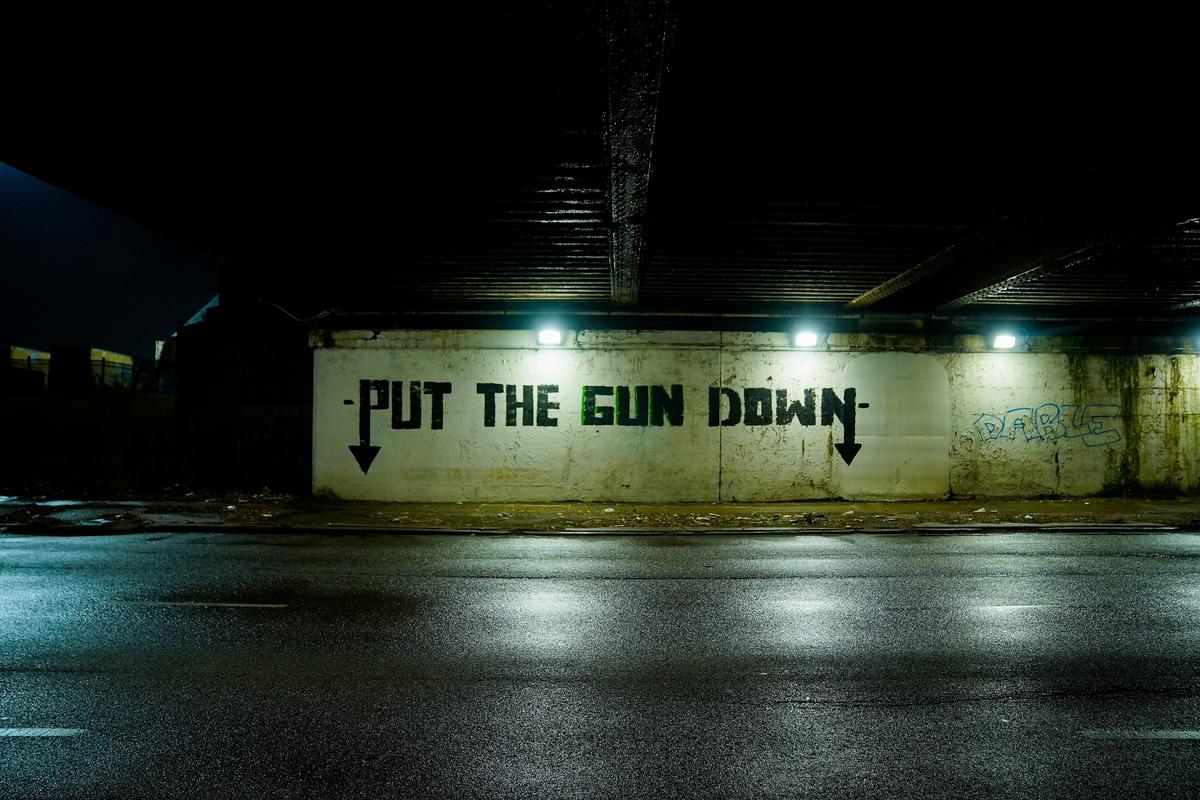
With the rise of shootings during homecoming at HBCUs, students grapple with a loss of safety and the well-being of institutions historically created to protect them. bit.ly/4eMwsSy
A Teenager’s Death Exposes the Gun Violence Crisis Facing HBCU Homecomings
capitalbnews.org9/11/2001 I was a freshman in high school in Alabama, I wore a hijab. In gym class my teacher wheeled in a screen. Something horrible was happening. I watched, mouth agape as the second tower hit. We were silent. As that period reached an end, my name was announced on the loud speaker. 1/

