

archived 21 Mar 2026 17:32:55 UTC
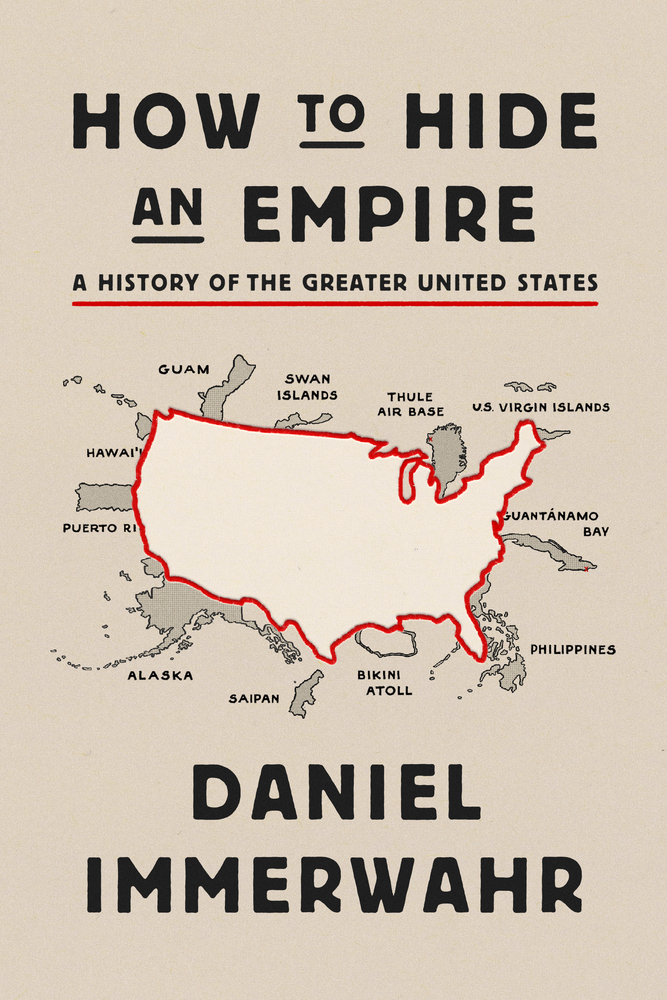
How to Hide an Empire: A History of the Greater United …
A pathbreaking history of the United States' overseas p…
The liberal virus: permanent war and the Americanization of the world
010 - Greg Stoker on Iran, U.S. Imperialism, and Why the Wars Never Stop
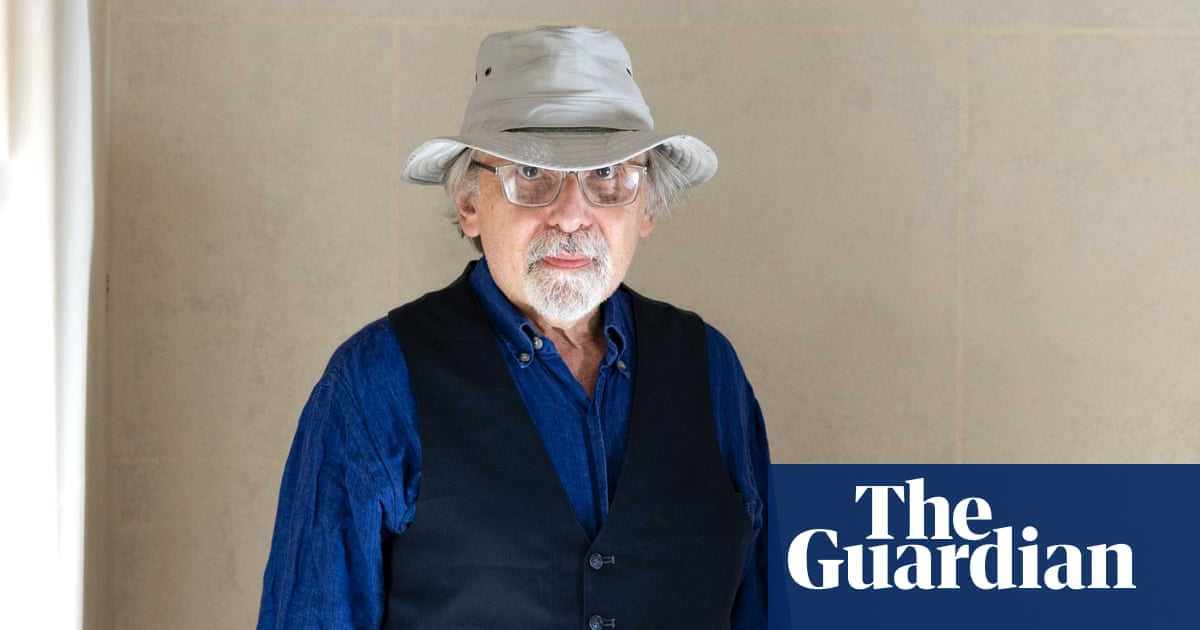
Art Spiegelman: ‘The US needs a counter-revolution’
More than four decades after his Holocaust story Maus transformed the graphic novel genre, Art Spiegelman discusses Trump, the shadow of 9/11 and the rise of fascism in America
Not a new Weimar, or new 1930s: “We live in a period without a real precedent”. Interview with Anton Jäger
Upon the release of his new book Hyperpolitics: Extreme Politicization Without Political Consequences, September sat down with historian of political thought Anton Jäger to discuss the rise of the new right, the dynamics of politicization in contemporary Western societies, and what the current historical moment demands from the left.

America, América: a new history of the New World
"The story of how the United States' identity was formed is almost invariably told by looking east to Europe. But as Greg Grandin vividly demonstrates, the nation's unique sense of itself was in fact forged facing south-no less than Latin America's was indelibly stamped by the looming colossus to the north. In this stunningly original reinterpretation of the New World Grandin reveals how North and South emerged from a constant, turbulent engagement with each other. America, América traverses half a millennium, from the Spanish Conquest-the greatest mortality event in human history-through the eighteenth-century wars for independence, the Monroe Doctrine, the coups and revolutions of the twentieth century, and beyond. Grandin shows, among other things, how royalist Spanish America, by sending troops and supplies, helped save the republican American Revolution; how in response to U.S. interventions, Latin Americans remade the rules, leading directly to the founding of the United Nations; and how the Good Neighbor Policy allowed FDR to assume the moral authority to lead the fight against world fascism. Grandin's book sheds new light on well-known historical figures like Bartolomé de las Casas, Simón Bolívar, and Woodrow Wilson, as well as lesser-known actors such as the Venezuelan Francisco de Miranda, who almost lost his head in the French Revolution and conspired with Alexander Hamilton to free America from Spain; the Colombian Jorge Gaitán, whose unsolved murder inaugurated the rise of Cold War political terror, death squads, and disappearances; and the radical journalist Ernest Gruening, who in championing non-interventionism in Latin America, helped broker the most spectacularly successful policy reversal in United State history. This is a monumental work of scholarship that will fundamentally change the way we think of slavery and racism, the rise of universal humanism, and the role of social democracy in staving off extremism. At once comprehensive and accessible, America, América shows that centuries of bloodshed and diplomacy not only helped shape the political identities of the United States and Latin America but also the laws, institutions, and ideals that govern the modern world. A culmination of a decades-long engagement with hemispheric history, drawing on a vast array of sources, and told with authority and flair, this is a genuinely new history of the New World"-- Provided by publisher

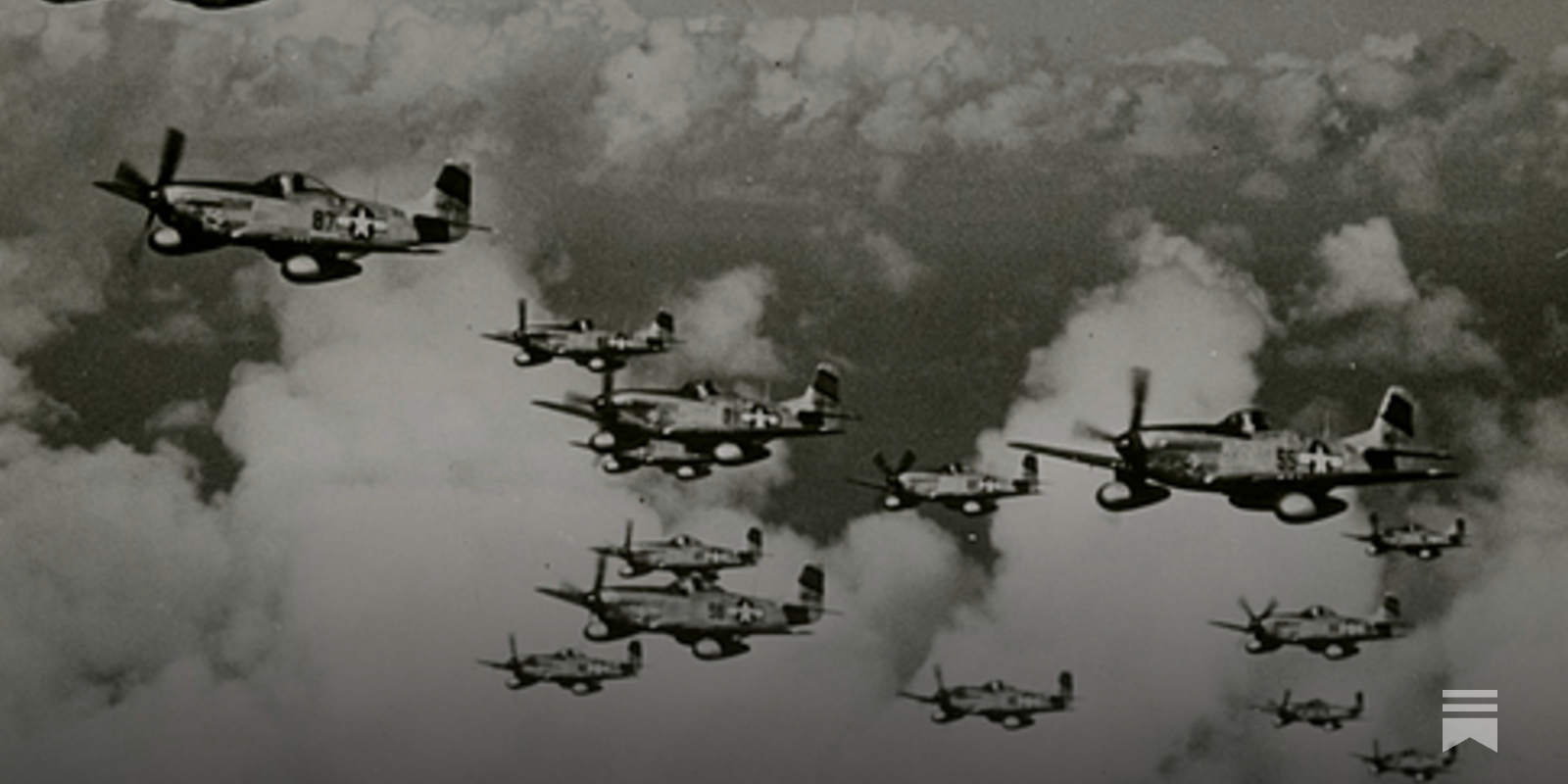
The Myth of Allied Technological Inferiority
World War II, The Free Press, and the Problematic Use of History in Contemporary Media
US Labor & Imperialism Pt. 1: the War Against Communism w/ Jeff Schuhrke
The Weaponized World Economy
When Washington announced a “framework deal” with China in June, it marked a silent shifting of gears in the global political economy. This was not the beginning of U.S. President Donald Trump’s imagined epoch of “liberation” under unilateral American greatness or a return to the Biden administration’s dream of managed great-power rivalry. Instead, it was the true opening of the age of weaponized interdependence, in which the United States is discovering what it is like to have others do unto it as it has eagerly done unto others.

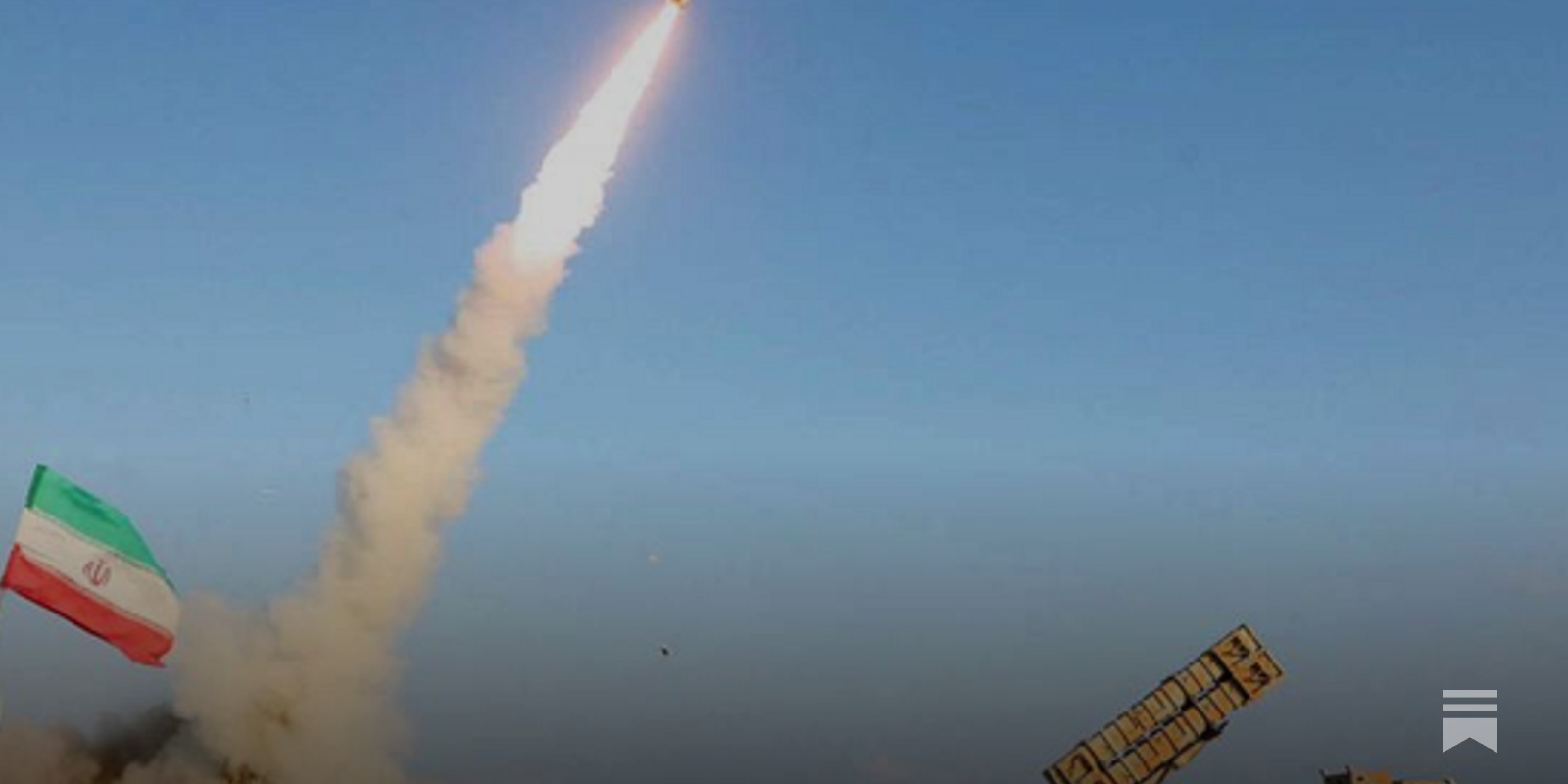
Revisiting Iran's Missile and Drone Campaign
An early reflection on my writing and thinking during the war
Great Men and how they are upheld
Part of a series, Autonomy, Diversity, Society. Posts about our roles, relationships and governance. No article in this section is meant to stand alone, there will be a lot more coming soon that wi…

The WELL: Bruce Sterling and Jon Lebkowsky: State of the World 2025
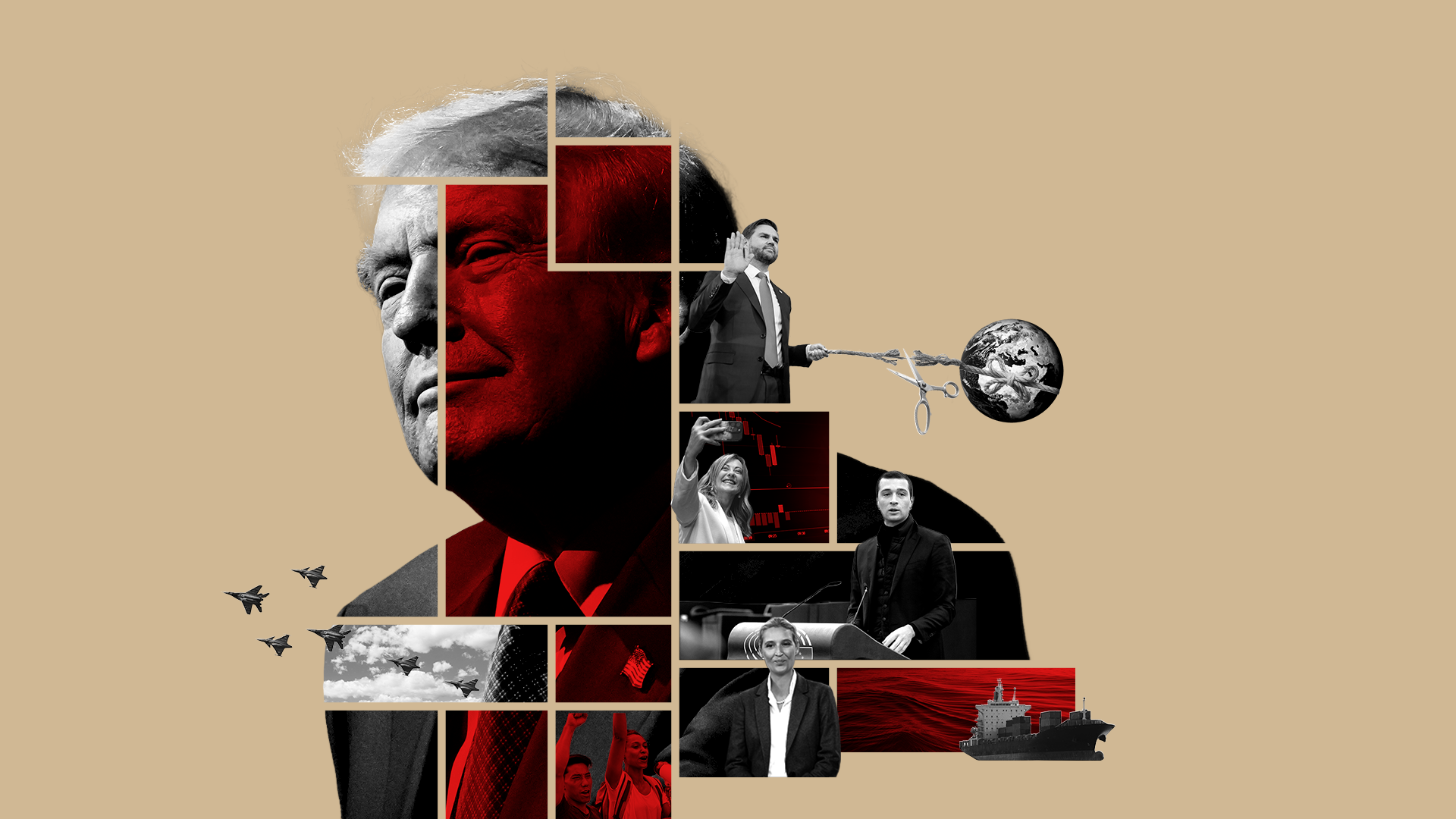
The new right: Anatomy of a global political revolution – European Council on Foreign Relations
The thinkers and ideas of the rising nationalist right merit the political mainstream's attention. Only by understanding them can it build a resilient counter-p
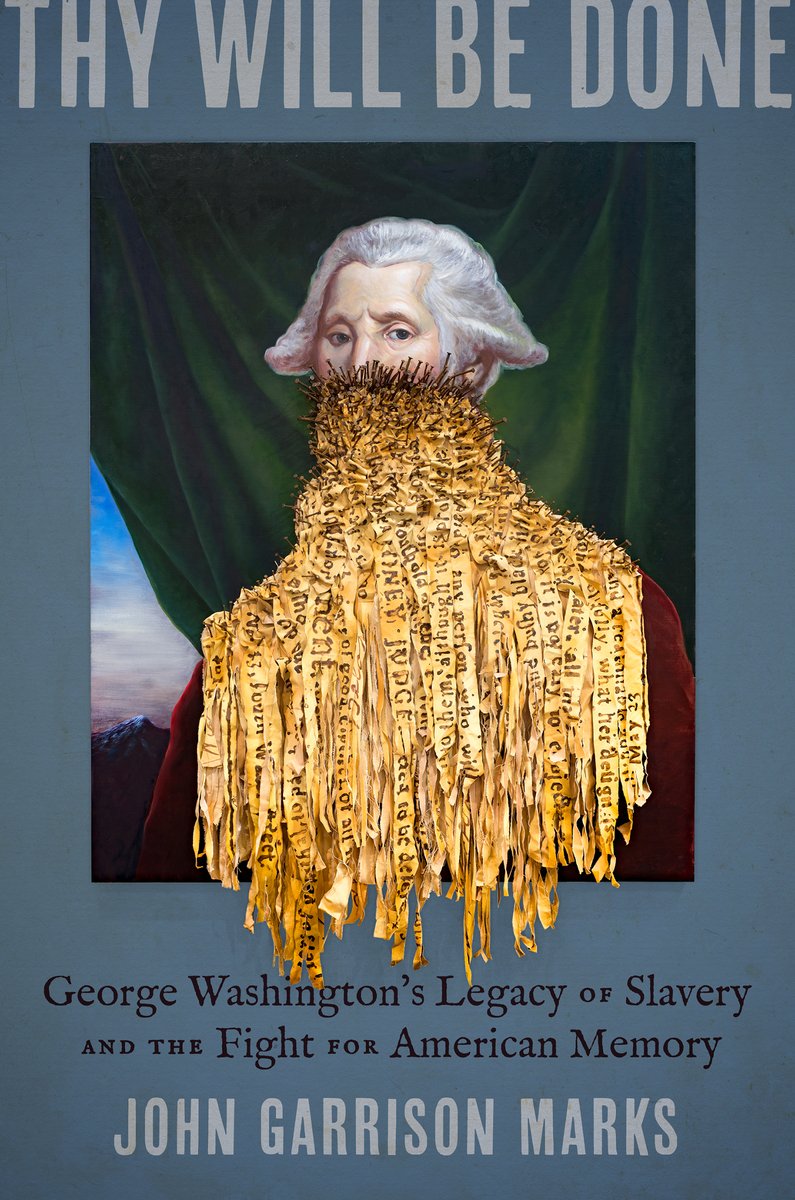
Thy Will Be Done: George Washington's Legacy of Slavery and the Fight for American Memory
George Washington's Legacy of Slavery and the Fight for American Memory
NYT: Boycott, Divest, Unsubscribe — WRITERS AGAINST THE WAR ON GAZA
The New York Times is not unique among media outlets in manufacturing consent for war, for exploitation, for genocide. It is, rather, exemplary. The Times’ reputation for liberalism, for rigor, for non-partisan independence is precisely what makes it so dangerous, because it hides what it really is: a publication that exists to serve the interests of U.S. imperialism.