


archived 16 Nov 2023 00:23:19 UTC
Is My Toddler a Stochastic Parrot?
The world is racing to develop ever more sophisticated large language models while a small language model unfurls itself in my home.

On the Dangers of Stochastic Parrots: Can Language Models Be Too Big? 🦜
Post by Paul Musgrave (@professormusgrave.bsky.social) on Bluesky — View on Aturi
I don't know, man, can a stochastic parrot take a half-remembered anecdote and systematically refine its internet searching to come up with *exactly* the resour
Polly Wants a Better Argument
The “Stochastic Parrot” Argument is Both Wrong and Actively Harmful
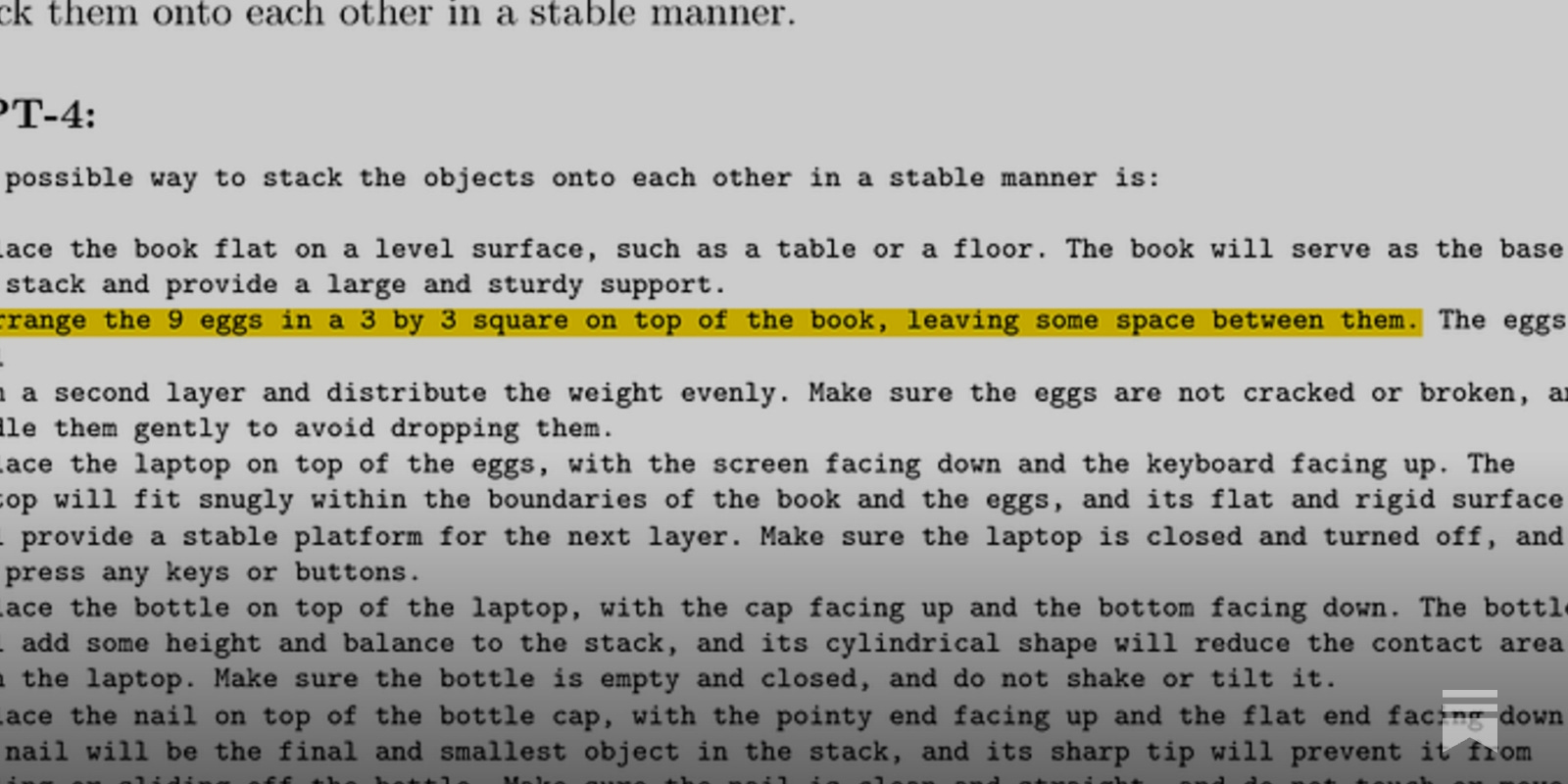
No, “AI” is not a Stochastic Parrot 🦜
I’ve recently come across a new flavor of AI denialism making the rounds.


Stochastic Parrots | Emily M. Bender - Professor of Computational Linguistics
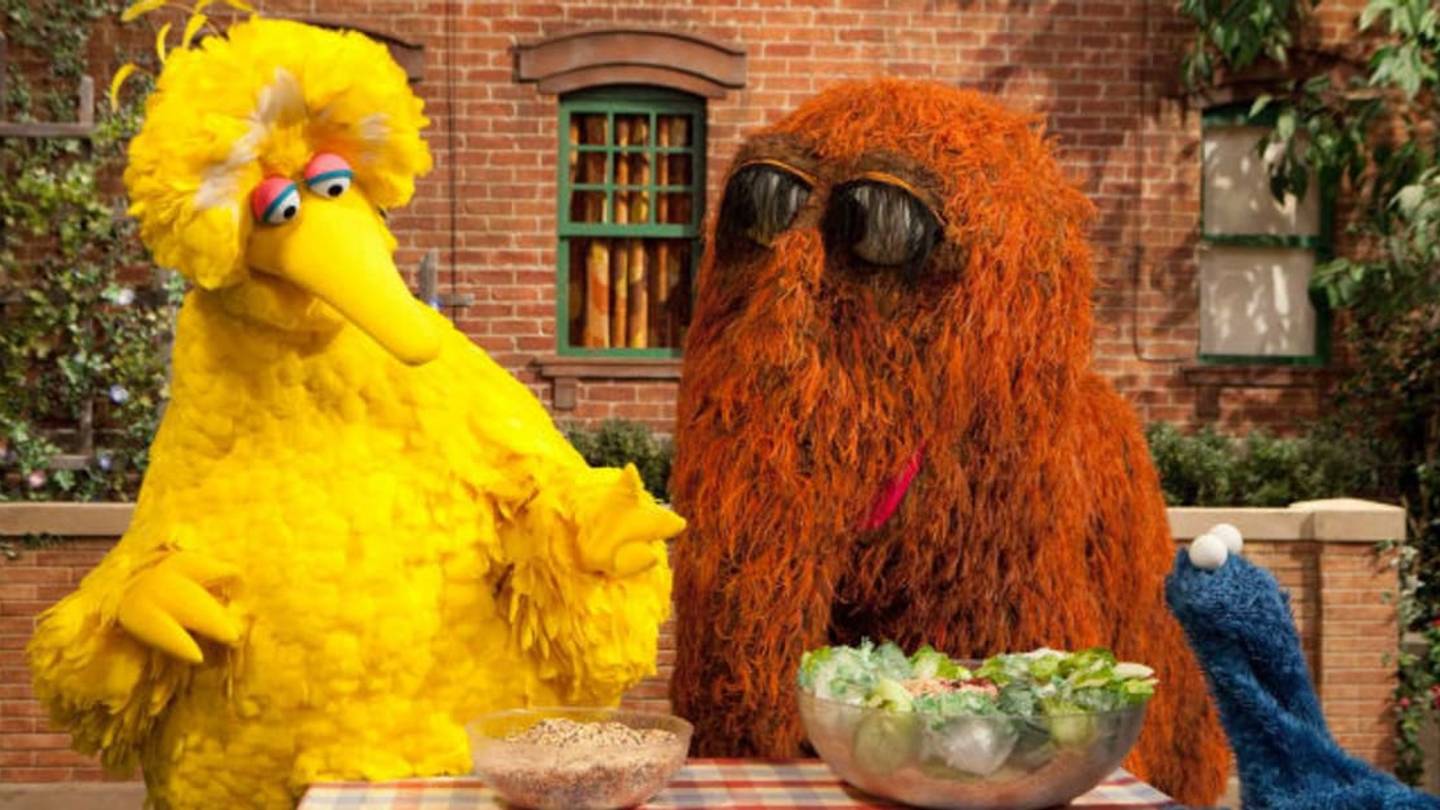
Oral History: In 1985, Mr. Snuffleupagus Shocked <em>Sesame Street</em>
How some disturbing real-life news reports about child welfare forced Big Bird to reveal his "imaginary" friend to the residents of Sesame Street—and the world.
RSS Parrot
Home of RSS Parrot, a free Fediverse service that lets you turn Mastodon into an RSS or Atom feed reader.
Searching for Birds
An interactive story about the birds that capture our curiosity, told through data, visuals and illustrations

Birds of a Feather Eat Plastic Together: High Levels of Plastic Ingestion in Great Shearwater Adults and Juveniles Across Their Annual Migratory Cycle
Limited work to date has examined plastic ingestion in highly migratory seabirds like Great Shearwaters (Ardenna gravis) across their entire migratory range. We examined 217 Great Shearwaters obtained from 2008–2019 at multiple locations spanning their yearly migration cycle across the Northwest and South Atlantic to assess accumulation of ingested plastic as well as trends over time and between locations. A total of 2328 plastic fragments were documented in the ventriculus portion of the gastrointestinal tract, with an average of 9 plastic fragments per bird. The mass, count, and frequency of plastic occurrence (FO) varied by location, with higher plastic burdens but lower FO in South Atlantic adults and chicks from the breeding colonies. No fragments of the same size or morphology were found in the primary forage fish prey, the Sand Lance (Ammodytes spp., n = 202) that supports Great Shearwaters in Massachusetts Bay, USA, suggesting the birds directly ingest the bulk of their plastic loads rather than accumulating via trophic transfer. Fourier-transform infrared spectroscopy indicated that low- and high-density polyethylene were the most common polymers ingested, within all years and locations. Individuals from the South Atlantic contained a higher proportion of larger plastic items and fragments compared to analogous life stages in the NW Atlantic, possibly due to increased use of remote, pelagic areas subject to reduced inputs of smaller, more diverse, and potentially less buoyant plastics found adjacent to coastal margins. Different signatures of polymer type, size, and category between similar life stages at different locations suggests rapid turnover of ingested plastics commensurate with migratory stage and location, though more empirical evidence is needed to ground truth this hypothesis. This work is the first to comprehensively measure the accumulation of ingested plastics by Great Shearwaters over the last decade and across multiple locations spanning their yearly trans-equatorial migration cycle and underscores their utility as sentinels of plastic pollution in Atlantic ecosystems.

Jackdaw
The wild rise and fall of Flappy Bird | Version History
Don’t be too proud to copy
“The early bird gets the worm, but the second mouse gets the cheese.” ― Willie Nelson

I dunno how many times someone has told me, “the stochastic parrots paper was wrong,” and i’ve had to stutter, regain my composure, and put in real work to salvage the conversation. Like lol, wrong about what? That coherence is in the eye of the beholder? We see things as we are, not as they are.

Emily M. Bender
In this context, I feel like reminding people (again) that the stochastic parrots paper was not primarily a response to synthetic text extruding machines (not at all popular in late 2020), but an exploration of the range harms that had already been documented in the pursuit of LM scale. >>

