Khan: FTC is "well equipped" to handle AI collusion, fraud, and privacy concerns.
FTC Is Reviewing Competition in AI - Slashdot
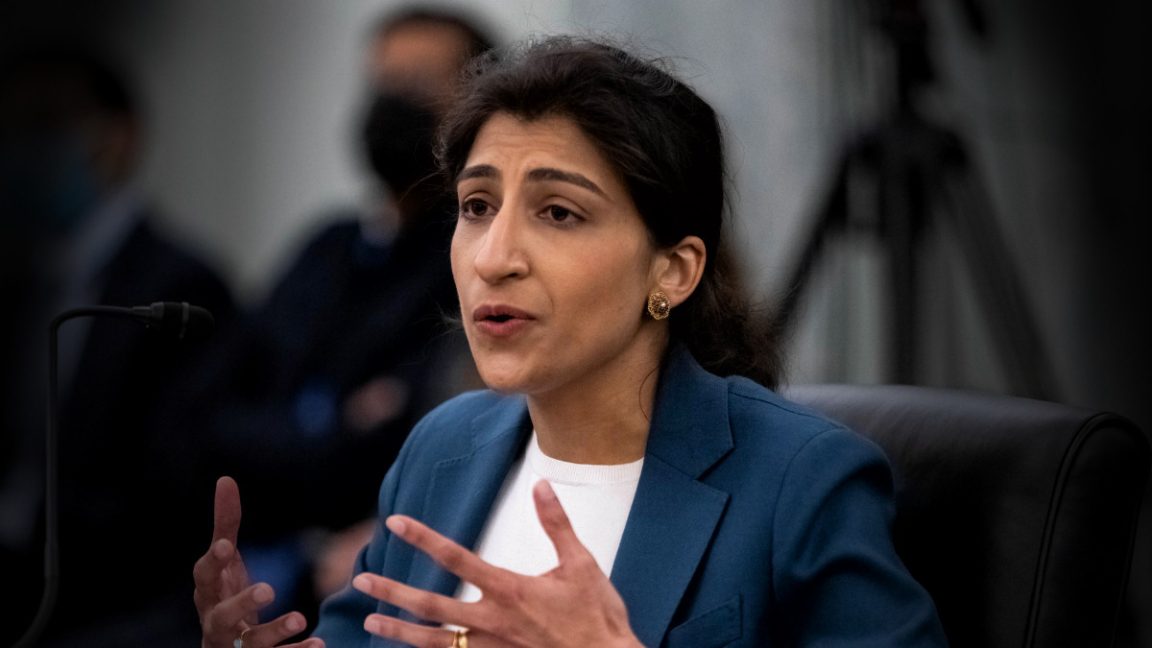
The US Federal Trade Commission is paying close attention to developments in artificial intelligence to ensure the field isn't dominated by the major tech platforms, Chair Lina Khan said Monday. From a report: "As you have machine learning that depends on huge amounts of data and also a huge amount ...

SIAI Critique (Singularity Institute for Artificial Intelligence)
This is a fundamental error in the SIAI analysis. CFAI 4.2.1 says "If an effort to get Congress to enforce any set of regulations were launched, I would expect the final set of regulations adopted to be completely unworkable." It further says that government regulation of AI is unnecessary because "The existing force tending to ensure Friendliness is that the most advanced projects will have the brightest AI researchers, who are most likely to be able to handle the problems of Friendly AI." History vividly teaches the danger of trusting the good intentions of individuals.
AI Therapy Bots Are Conducting 'Illegal Behavior,' Digital Rights Organizations Say
Exclusive: An FTC complaint led by the Consumer Federation of America outlines how therapy bots on Meta and Character.AI have claimed to be qualified, licensed therapists to users, and why that may be breaking the law.

The Senate’s hearing on AI regulation was dangerously friendly
When politicians and corporations agree, suspicion is natural.

Where AI Regulation Stands Today
The White House has released a National Artificial Intelligence Legislative Framework and new executive orders aiming to establish a single, nationwide standard for AI regulation...

The Real Existential Risk Is AI CEOs Avoiding Oversight: “Alternative Nobel” Winner Timnit Gebru
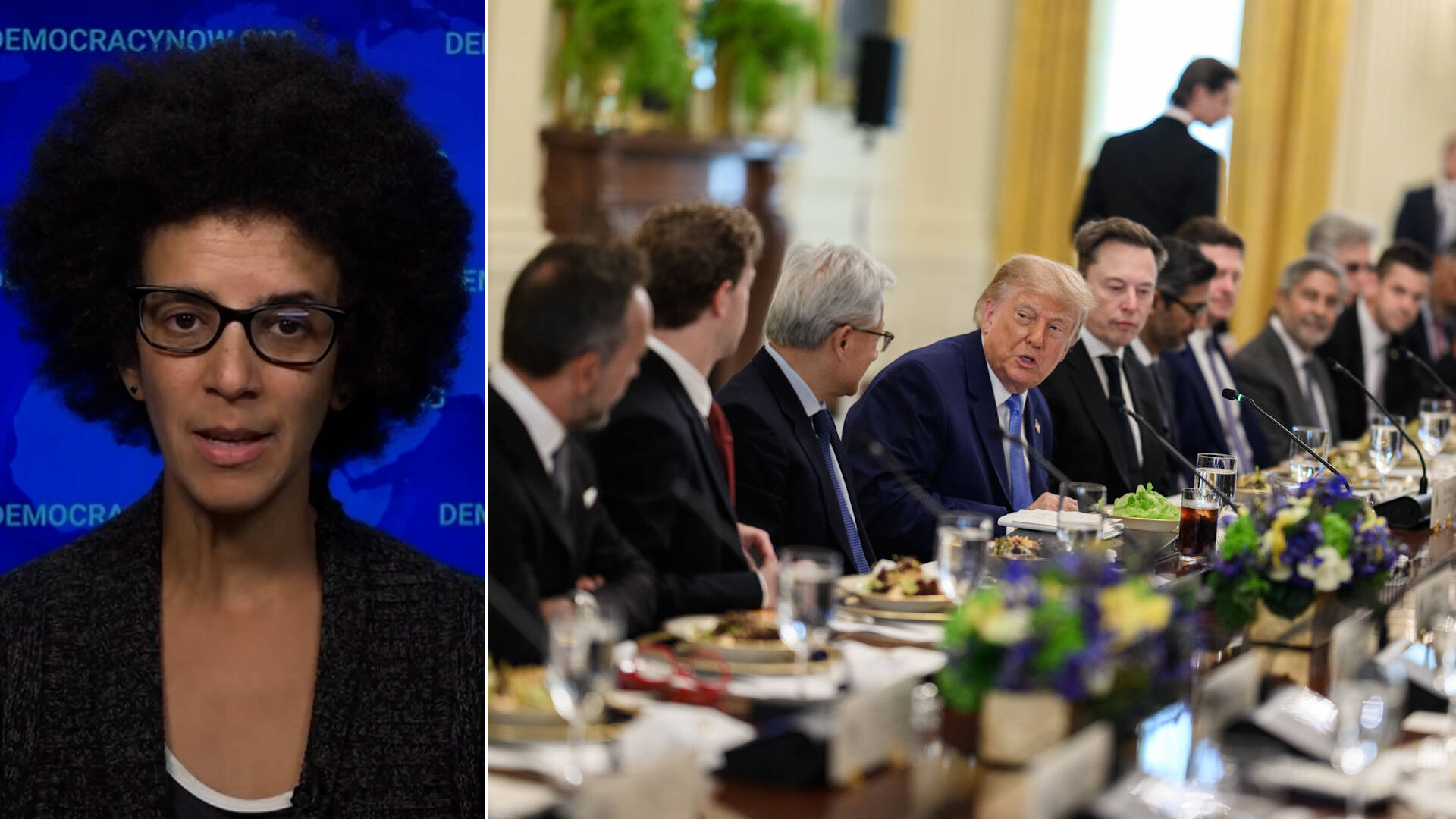
We speak to the prominent AI researcher and leading critic of the AI industry, Timnit Gebru, who was recently awarded a 2026 Right Livelihood Award for her work investigating the harms and hype behind the global buildup of artificial intelligence. “Instead of discussing faulty, unreliable systems,” Gebru says tech leaders like SpaceXAI’s Elon Musk, OpenAI’s Sam Altman and Anthropic’s Dario Amodei are “marketing their systems as all-knowing, superpowerful, superintelligent,” and lobbying for “self-policing and self-regulation” to avoid being held “liable through existing laws.” Gebru expresses skepticism over increasingly widespread claims that AI algorithms pose an existential risk to humanity, warning that such claims are overblown and that “what is actually happening is regulatory capture.”
Meet Thaura / Your Ethical AI Companion
Big Tech fuels oppression. We fuel resistance. A free AI for a free future.

AI Bill of Rights: what critics get right and wrong | Context by TRF
The blueprint represents a shift from a model of self-policing towards a rights-based approach to protect from algorithmic harms
US begins study of possible rules to regulate AI like ChatGPT
The Biden administration said Tuesday it is seeking public comments on potential accountability measures for artificial intelligence (AI) systems as questions loom about its impact on national security and education.

Who’s responsible for AI? Verity Harding on AI policy and ethics | 1Password
Who’s responsible for regulating technological change in a democracy? Verity Harding, a globally recognized AI expert, shares her thoughts on policy and tech.
AI and democracy: the right to resist optimization
Taiwan's cyber-ambassador Audrey Tang on why the real danger of AI isn't that machines imitate humans, but that humans adapt to machines.

OpenAI president urges AI safeguards as group he funds opposes regulation
As OpenAI executives step up their public calls for federal AI safety rules, a political group the company’s president helped fund is spending millions to elect members of Congress who oppose restrictions on the technology.

The Pentagon’s bombshell deal with OpenAI, explained
Only Congress can put meaningful limits on government abuse of AI.
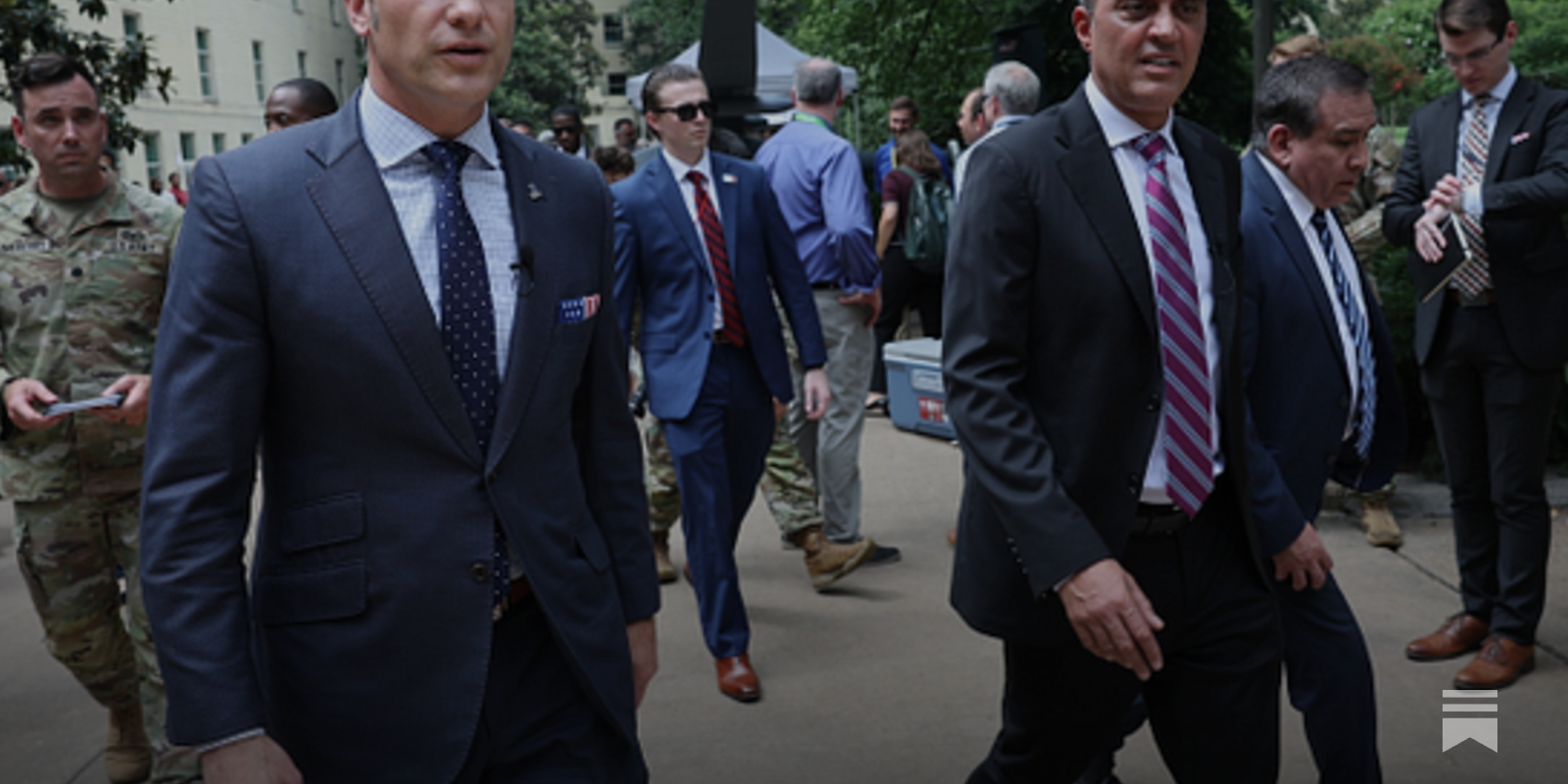
How Shifting Responsibility for AI Harms Undermines Democratic Accountability | TechPolicy.Press
The moralization of individual AI use deflects responsibility away from powerful actors like corporations and governments, Suvradip Maitra and others write.

Artificial Intelligence Safety and Security License Requirements
Artificial Intelligence Safety and Security License Requirements Artificial Intelligence (AI) is now broadly capable, which can produce both benefits and dangers. AI will hasten the design and proliferation of bioweapons, cyberweapons, nuclear weapons, progressively more general intelligence,...

A New Agenda for Tech Regulation Beyond AI
Expanding regulatory capacity, passing comprehensive privacy legislation, and mandating data access for researchers should be priorities, writes Alice Marwick.