


Chemistry prize for understanding how cells sense their environment.
The cell membrane as the ‘missing link’ for the evolution of consciousness
While Prof. Torday agrees with Federico Faggin that quantum mechanics is salient to consciousness, he maintains that the role of the cell membrane—which separates an organism from its environment—is key to the selective assimilation or mirroring of the quantum properties of the cosmos into the differentiated consciousness of the organism. This essay is short, dense, and may be difficult to unpack. But it handsomely rewards the effort of the patient and determined reader. The many literature citations in the essay also provide rich ground for further exploration.

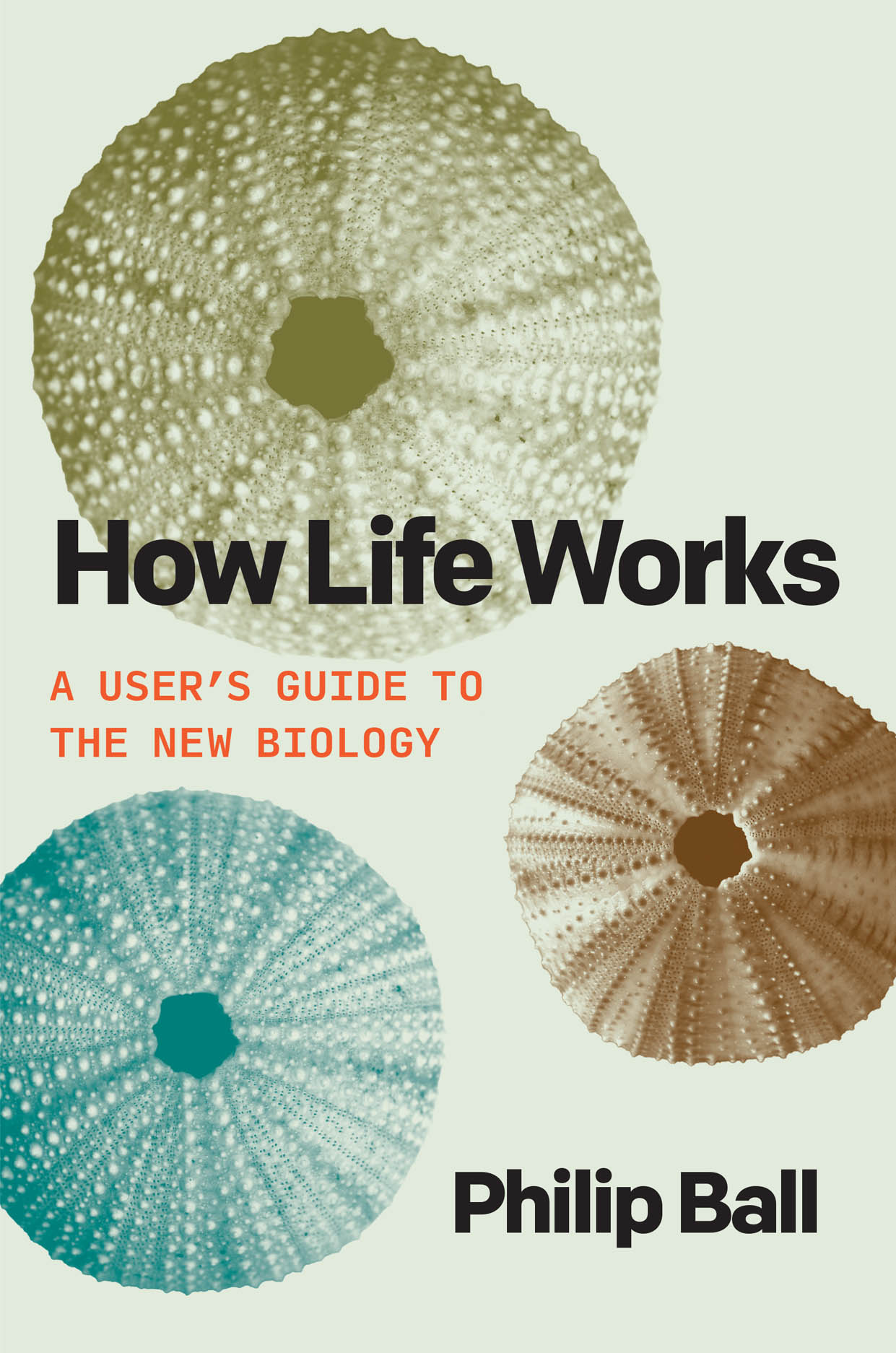
How Life Works: A User’s Guide to the New Biology
“Bold and intriguing.”—Wall Street Journal • “Penetrating. . . . Provocative and profound.”—Publishers Weekly (starred review) • “Offers plenty of food for thought.”—Kirkus Reviews (starred review) “Ball’s marvelous book is both wide-ranging and deep. . . . I could not put it down.”—Siddhartha Mukherjee, author of The Song of the Cell and the Pulitzer Prize–winning The Emperor of All Maladies A new, cutting-edge vision of biology that revises our understanding of what life itself is, how to enhance it, and what possibilities it offers. Biology is undergoing a quiet but profound transformation. Several aspects of the standard picture of how life works—the idea of the genome as a blueprint, of genes as instructions for building an organism, of proteins as precisely tailored molecular machines, of cells as entities with fixed identities, and more—have been exposed as incomplete, misleading, or wrong. In How Life Works, Philip Ball explores the new biology, revealing life to be a far richer, more ingenious affair than we had guessed. Ball explains that there is no unique place to look for an answer to this question: life is a system of many levels—genes, proteins, cells, tissues, and body modules such as the immune system and the nervous system—each with its own rules and principles. How Life Works explains how these levels operate, interface, and work together (most of the time). With this knowledge come new possibilities. Today we can redesign and reconfigure living systems, tissues, and organisms. We can reprogram cells, for instance, to carry out new tasks and grow into structures not seen in the natural world. As we discover the conditions that dictate the forms into which cells organize themselves, our ability to guide and select the outcomes becomes ever more extraordinary. Some researchers believe that ultimately we will be able to regenerate limbs and organs, and perhaps even create new life forms that evolution has never imagined. Incorporating the latest research and insights, How Life Works is a sweeping journey into this new frontier of the life sciences, a realm that will reshape our understanding of life as we know it.
Steering yourself by the bootstraps: how cells create their own gradients for chemotaxis
Chemotaxis, where cell movement is steered by chemical gradients, is a widespread and essential way of organising cell behaviour. But where do the instructions come from – who makes gradients, and how are they controlled? We discuss the emerging concept that chemotactic cells often create attractant gradients at the same time as responding to them. This self-guidance is more robust, works across greater distances, and is more informative about the local environment than passive responses. Several mechanisms can establish autonomous gradients.

The Nobel for Econsplaining
Acemoglu, Johnson and Robinson won a prize for applying economics to the very things economics is inherently bad at figuring out

‘Social’ Mitochondria, Whispering Between Cells, Influence Health | Quanta Magazine
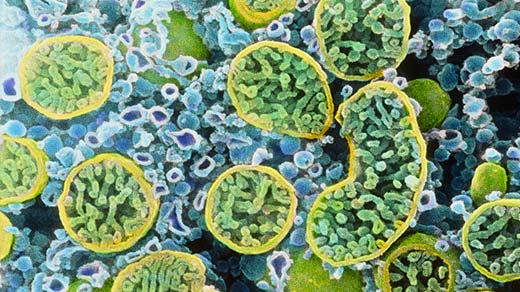
Mitochondria appear to communicate and cooperate with one another, both within and between cells. Biologists are only just beginning to understand how and why.
Cell membranes behave like cornstarch and water
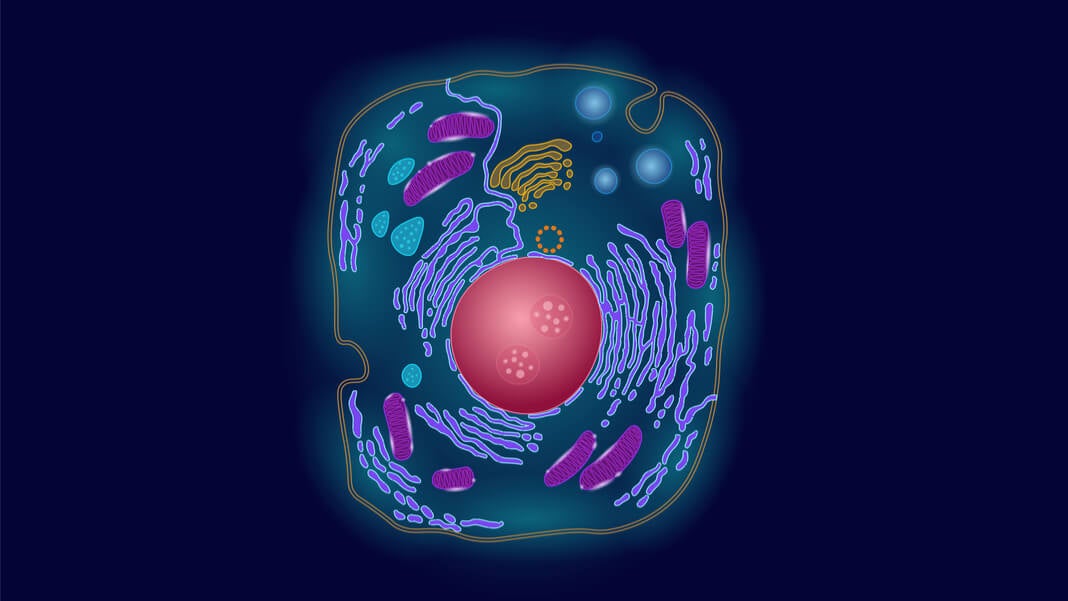
(PhysOrg.com) -- Surprising discovery by physicists at the University of Oregon overturns a long-held belief, and raises fresh new scientific questions about the biology that regulates lipid and protein ...

Scientists Create Artificial Mitochondria That Can Make Energy for Damaged Cells
The burst of energy saved injured cells, providing them with a boost of power to fight back against dangerous molecules that otherwise lead to cell death.
Human cells respond in healthy, unhealthy ways to different kinds of happiness
Human bodies recognize at the molecular level that not all happiness is created equal, responding in ways that can help or hinder physical health, according to new research.

The evolving concept of cell identity in the single cell era
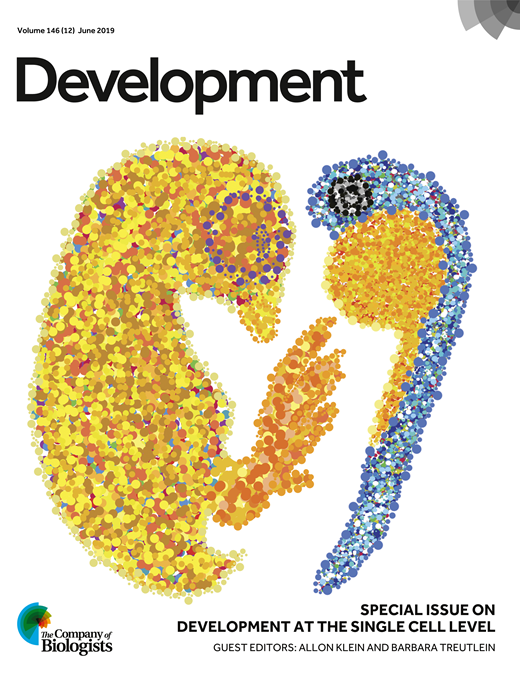
Summary: This Spotlight explores emerging technologies that are enabling the systematic and unbiased quantification of cell identity, and how these efforts will enable the construction of high-resolution, dynamic cell atlases.
10 Design Principles for Governing the Commons
In 2009, Elinor Ostrom received the Nobel Prize in Economics for her “analysis of economic governance, especially the commons”.
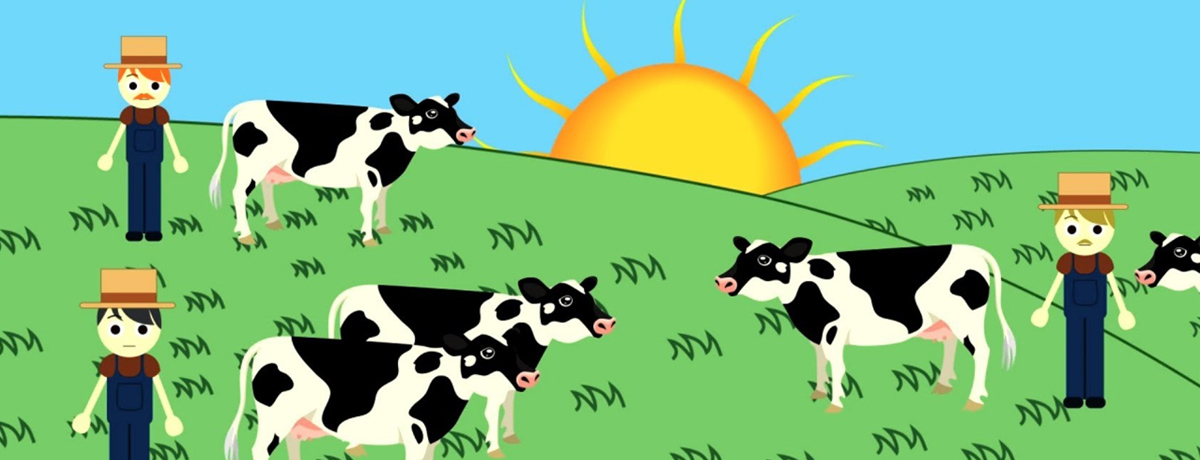
10 Design Principles for Governing the Commons
In 2009, Elinor Ostrom received the Nobel Prize in Economics for her “analysis of economic governance, especially the commons”.
E. coli chemotaxis: the baffling intelligence of a single cell
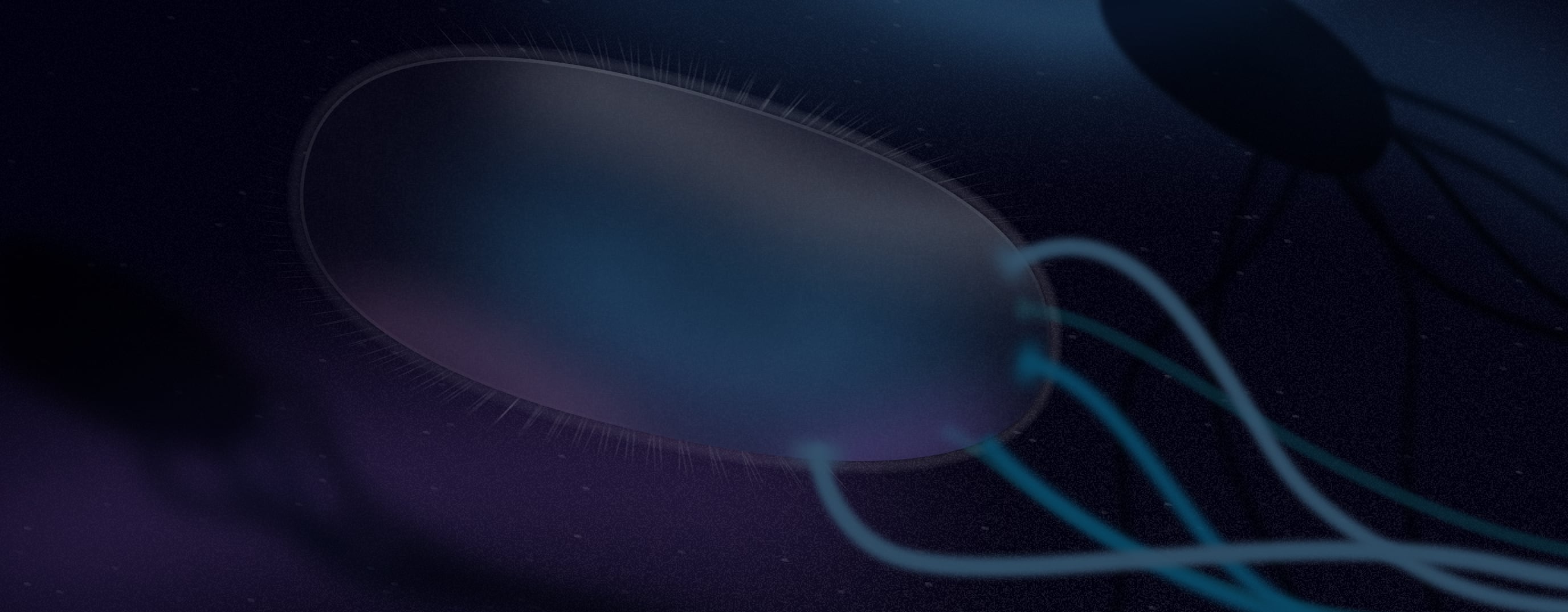
I want to tell the story of a beautiful phenomenon in biology. In some sense it’s the prototype of much of the activity of life. The phenomenon is the way in which an individual cell of E. coli forages for nutrients. This process, known as “chemotaxis”—the “chemo-” for chemical and the “taxis” from the Greek τάξις, for tactics—is intelligence in one of its most elemental forms. An individual E. coli has no brain, obviously, and is even many orders of magnitude simpler than a human cell, and yet already it possesses something like a sense of smell, drive, even a memory. Chemotaxis recasts E. coli not as some aimless gut-pest but rather as an exquisitely sophisticated physical computer.
Book review: Elinor Ostrom’s Rules for Radicals, by Derek Wall
Elinor Ostrom was the first and so far the only woman to win the Nobel prize for economics*. She received the award in 2009 for her work on the commons. Ostrom died three years later, leaving behin…
Researchers Have Successfully Grown Electrodes In Living Tissue - Slashdot
Researchers at Linkoping, Lund and Gothenburg universities in Sweden have successfully grown electrodes in living tissue using the body's molecules as triggers. The result, published in the journal Science, paves the way for the formation of fully integrated electronic circuits in living organisms. ...


Ariel M.
@byarielm.fyi
PhD candidate @ UBuffalo • NSF GRFP ChemE doing computational systems biology Multi passionate bean with too many ideas 🫶 Lover of cats, code & crafts
After decades of mixed results, new evidence suggests stem cells really can help the heart heal. The largest trial yet finds stem cell therapy cuts the risk of heart failure by nearly 60% in the years following a heart attack. newscientist.com/article/2502081-stem-cell-the…

Stem cell therapy lowers risk of heart failure after a heart attack
www.newscientist.com