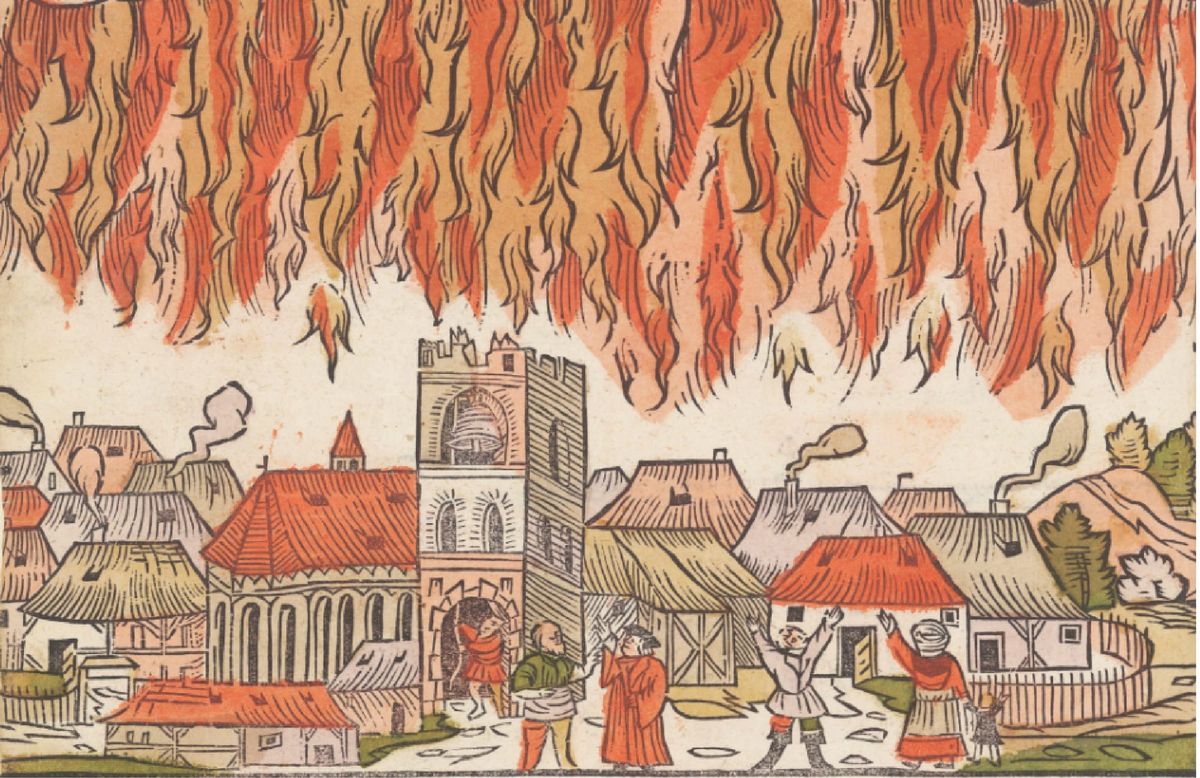
A small drop in one species' population can drive others to actually die out.
Are we eating ourselves to extinction?
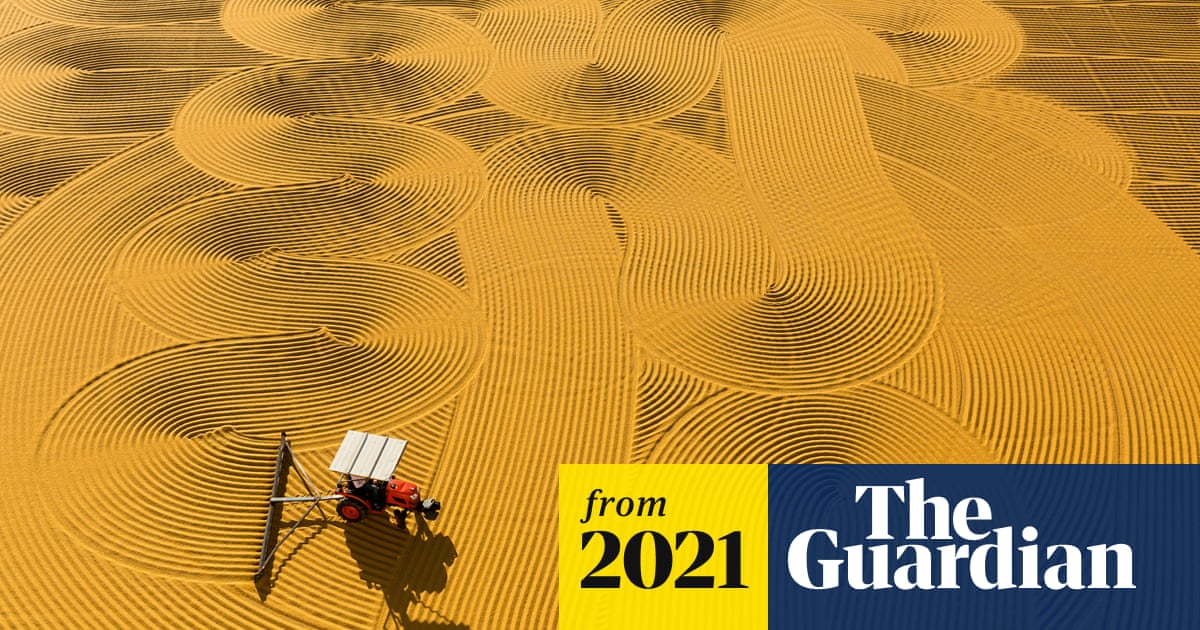
It’s not just animals that are at risk of dying out, the world’s crops are in rapid decline. Here’s why it matters what is on your plate
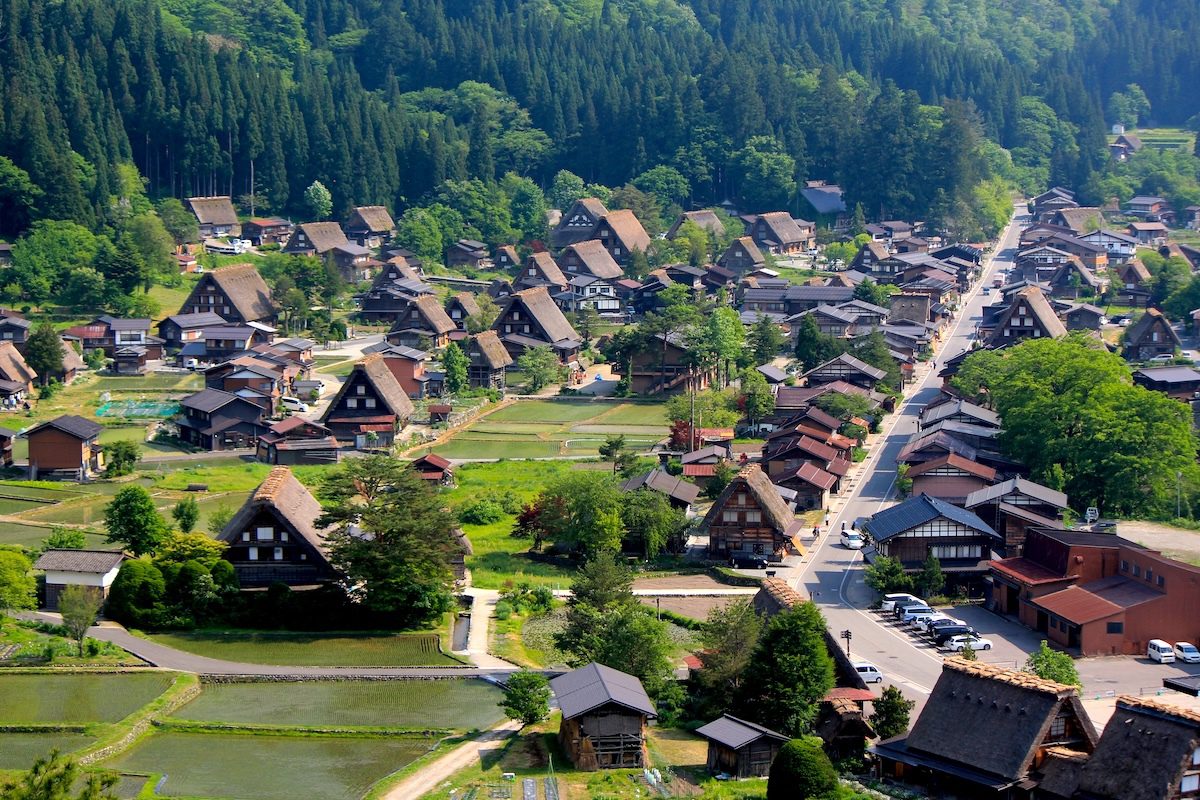
As the Japanese Countryside Empties Out, Wildlife Is Disappearing
The Japanese population is in decline, but the downward trend is especially pronounced in rural areas. The loss of people might be expected to lead to a resurgence of wildlife. But paradoxically, where farms have been abandoned, wildlife is also disappearing.
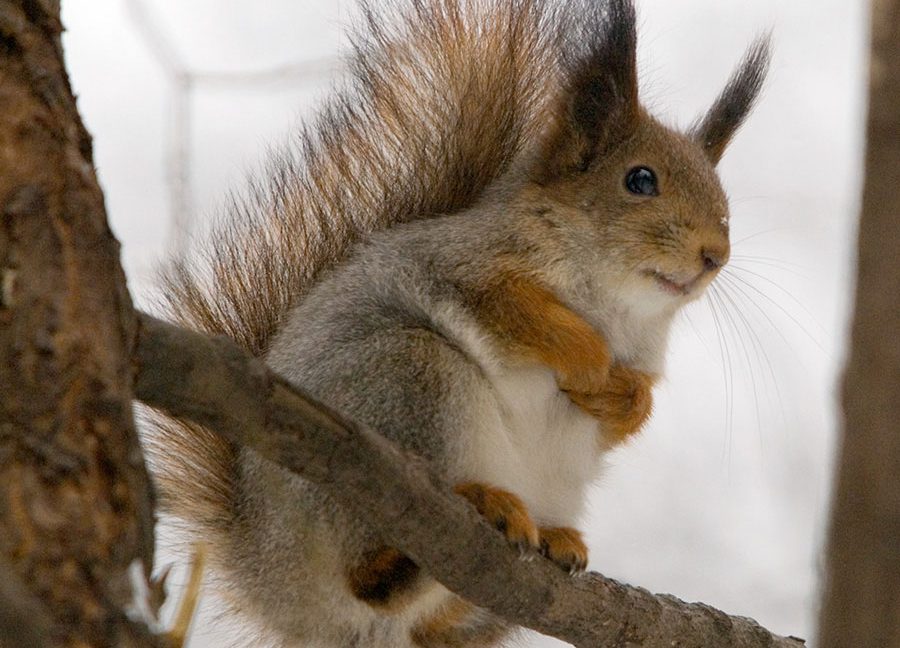
Increased human life expectancy correlates to increase in species extinction
As GDP per capita increases, so does the percentage of invasive species.
Opinion | An Age of Extinction Is Coming. Here’s How to Survive. (Published 2025)
Everything is under threat. What you care about can make it to the other side.

The Sixth Mass Extinction Will Be Like Nothing In Earth's History
The sixth mass extinction—the one that seven billion humans are doing their darnedest to trigger at this very moment—is shaping up to be like nothing our

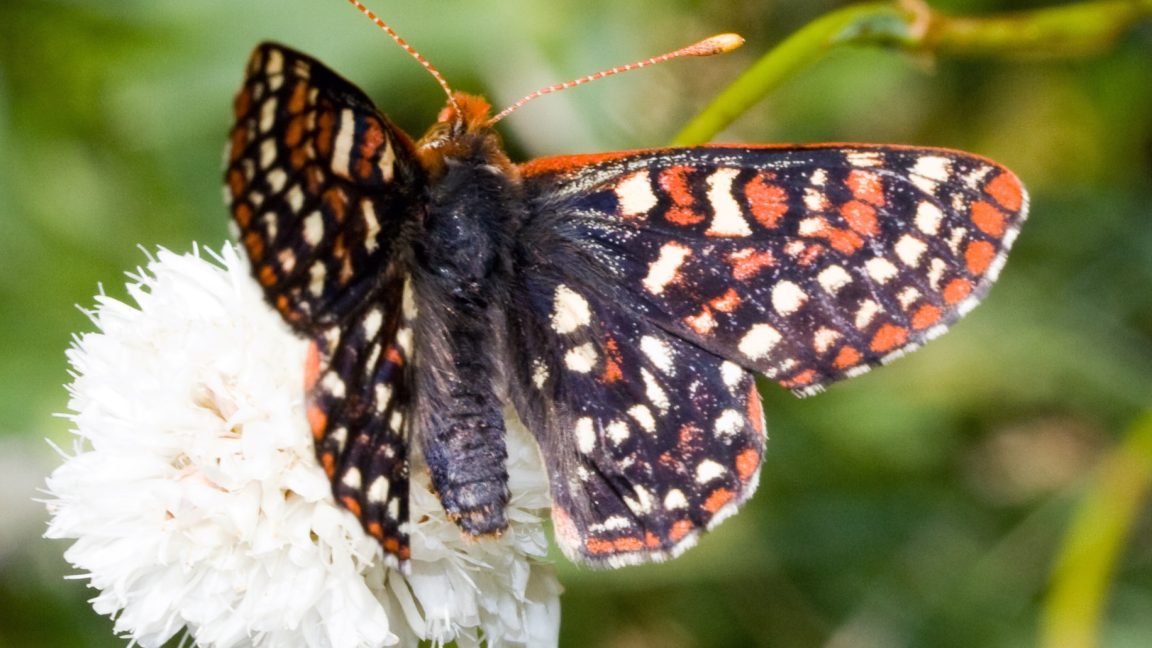
How one man’s death led to the extinction of a butterfly population
A complicated mix of an invasive species, a cattle ranch, and evolution.
Wildlife destruction 'not a slippery slope but a series of cliff edges'
New study finds ocean ecosystems likely to collapse in 2020s and land species in 2040s unless global warming stemmed
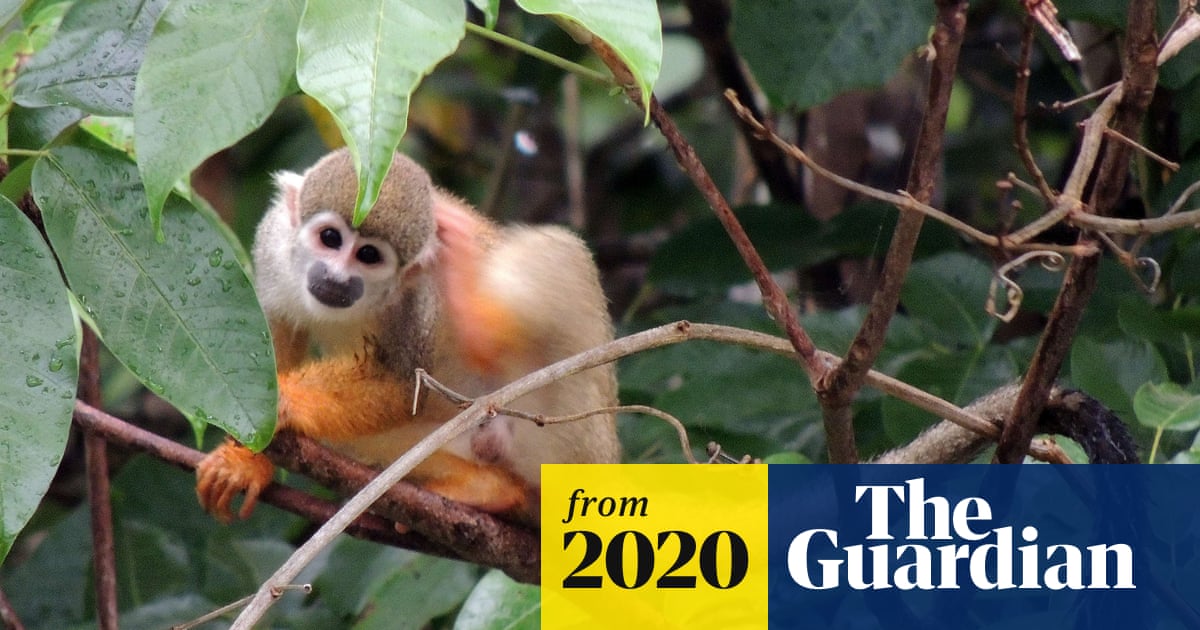
Biodiversity change under human depopulation in Japan
Global studies consistently highlight a direct relationship between habitat and species losses, and human population and economic growth. Nevertheless, countries are experiencing below-replacement human fertility and starting to depopulate; among these countries, Japan is a global forerunner. To better understand whether human depopulation automatically yields environmentally restorative outcomes, we examine the impacts of human depopulation on aspects of biodiversity in Japan. Alongside population, land use and surface temperature, we analyse biodiversity change among 464 taxonomic species of bird, butterfly, firefly and frog egg masses, and 2,922 native and non-native plant species in wooded, agricultural and peri-urban landscapes across Japan over periods of 5–17 years from 2004. Irrespective of human population increase or decrease, biodiversity losses continue among most species studied mainly because of change in agricultural land use, either due to urbanization, disuse and abandonment, or intensification. Only where human numbers are currently stable, biodiversity is also more stable, although we anticipate that this may also change as ageing deepens into depopulation in these areas. We conclude by urging countries facing depopulation to account for its outcomes in their biodiversity conservation and restoration strategies.

COLLAPSE
Although our excessive population density is the cause of pending collapse, it’s often downplayed in favor of other factors: greed, capitalism, waste, and lack of development. It’s rare for solutions to include refraining from breeding. People might describe the future as a nightmare, but they still won’t conclude with, “So the last thing we want to do right now is bring another of us into the mess.”
Extinctiopolitics: Existential Risk Studies, the Extinctiopolitical Unconscious, and the Billionaires’ Exodus from Earth
One of the most prominent intellectual attempts to grapple with human extinction in recent decades is existential risk studies.
Eating Our Way to Extinction | Film (ENGLISH) - Documentary
Birds Are Vanishing From North America (Published 2019)
The number of birds in the United States and Canada has declined by 3 billion, or 29 percent, over the past half-century, scientists find.

Human Race Just 0.01% of All Life But Has Destroyed 83% of Wild Mammals, Study Finds - Slashdot
An assessment of all life on Earth has revealed humanity's surprisingly tiny part in it as well as our disproportionate impact. From a report: The world's 7.6 billion people represent just 0.01% of all living things, according to the study. Yet since the dawn of civilisation, humanity has caused the...

We only have 8 years left before: deglaciation of W. Antarctica begins 80% of coral reefs die Arctic sea ice disappears world crops fail simultaneously 40% of N. American birds go extinct rainforest collapse is locked in The planet you think you're living on no longer exists.
We only have 8 years left before:deglaciation of W. Antarctica begins80% of coral reefs dieArctic sea ice disappearsworld crops fail simultaneously40% of N. American birds go extinctrainforest collapse is locked inThe planet you think you're living on no longer exists.— Ben See (@ClimateBen) January 25, 2020
Edge.org
The new biotech tool called “gene drive” changes our relation to wild species profoundly. Any gene (or set of genes) can be forced to “drive” through an entire wild population. It doesn’t matter if the trait the genes control is deleterious to the organism. With one genetic tweak to its germline, a species can even be compelled to go extinct.
Stop trusting the extinction math
The AI industry's favourite 'statistic' isn't backed by data. And it distracts from what's really going on.