


The DNA that encodes the oxytocin receptor undergoes chemical modifications.
Newly discovered brain cells explain a prosocial effect of oxytocin
Oxytocin, the body’s natural love potion, helps couples fall in love, makes mothers bond with their babies, and encourages teams to work together. Now new research reveals a mechanism by which this prosocial hormone has its effect on interactions between the sexes, at least in certain situations. The key, it turns out, is a newly discovered class of brain cells.

Paul Zak: Trust, morality -- and oxytocin?
(NOTE: Research and statements in this talk have been challenged by other scientists working in this field. Please read "Corrections & Updates" below for more details.) What drives our desire to behave morally? Neuroeconomist Paul Zak shows why he believes oxytocin (he calls it "the moral molecule") is responsible for trust, empathy and other feelings that help build a stable society.
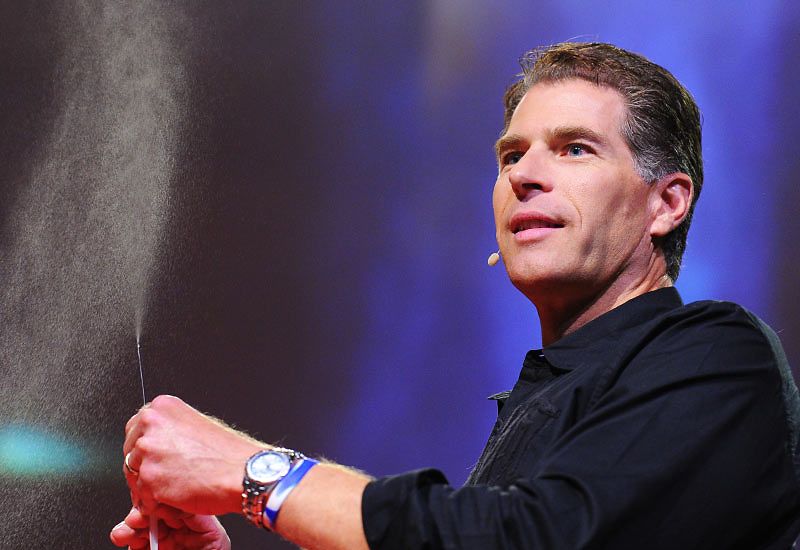
Active Monitoring of Oxytocin Research Evidence
Active Monitoring of Oxytocin Research Evidence (AMORE) is a platform for living meta-analyses in oxytocin research.

Cannabis Use Is Linked to Epigenetic Changes, Scientists Discovered
Here's what we know.
Behaviour and biology: The accidental epigeneticist
By studying disadvantaged children, Richard Tremblay has traced the roots of chronic aggressive behaviour back as far as infancy. Now he hopes to go back further.

Extraordinary Passion: Oxytocin and Emotional Bonding
Sex, science, and Tantra - how to have incredible orgasms and amazing sex, and a completely non-spiritual look at why Tantra has such amazing effects.
Psychedelics reopen the social reward learning critical period
Psychedelics are a broad class of drugs defined by their ability to induce an altered state of consciousness1,2. These drugs have been used for millennia in both spiritual and medicinal contexts, and a number of recent clinical successes have spurred a renewed interest in developing psychedelic therapies3–9. Nevertheless, a unifying mechanism that can account for these shared phenomenological and therapeutic properties remains unknown. Here we demonstrate in mice that the ability to reopen the social reward learning critical period is a shared property across psychedelic drugs. Notably, the time course of critical period reopening is proportional to the duration of acute subjective effects reported in humans. Furthermore, the ability to reinstate social reward learning in adulthood is paralleled by metaplastic restoration of oxytocin-mediated long-term depression in the nucleus accumbens. Finally, identification of differentially expressed genes in the ‘open state’ versus the ‘closed state’ provides evidence that reorganization of the extracellular matrix is a common downstream mechanism underlying psychedelic drug-mediated critical period reopening. Together these results have important implications for the implementation of psychedelics in clinical practice, as well as the design of novel compounds for the treatment of neuropsychiatric disease.

Epigenetics and the influence of our genes | Courtney Griffins | TEDxOU
Immune System Controls Brain, Shapes Social Behavior
Immune dysfunction regulates neuronal activity and contributes to social dysfunction

Friend or Foe? Single Neurons in the Brain Control Social Interaction, Study Finds
The neurons, sprinkled across the frontal parts of the brain, are strikingly powerful. They tracked how players behaved—were they cooperative, or selfish?

Senomic view of the cell: Senome <i>versus</i> Genome
In the legacy of Thomas Henry Huxley, and his ‘epigenetic’ philosophy of biology, cells are proposed to represent a trinity of three memory-storing media: Senome, Epigenome, and Genome that togethe...

Dads Pass On More Than Genetics In Their Sperm - Slashdot
According to two complementary studies, sperm change their cargo as they travel the reproductive tract, which can have consequences on the viability of future offspring. Smithsonian reports: The legacy of a dad's behavior can even live on in his child if his epigenetic elements enter an embryo. For...

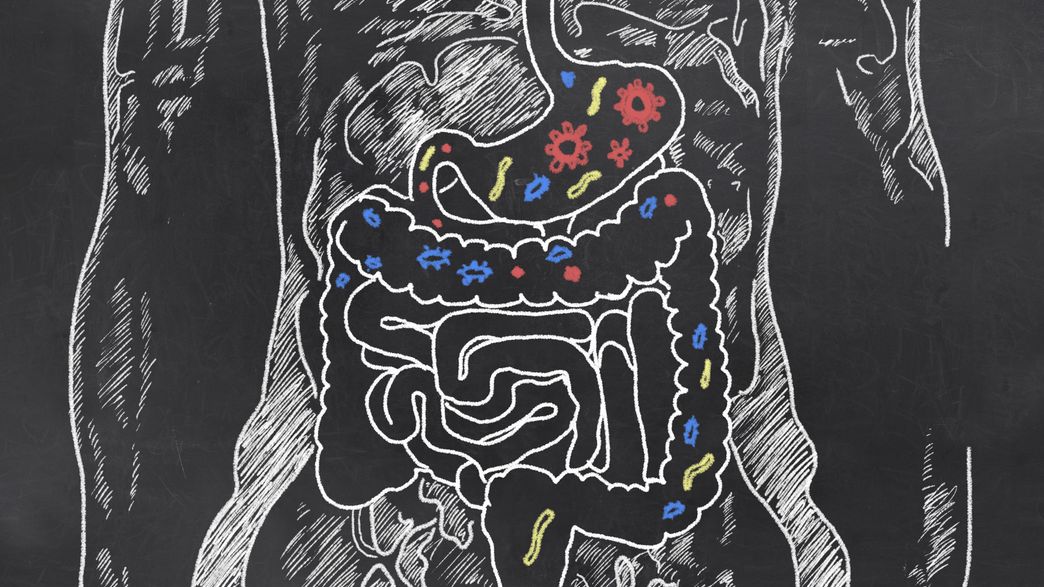
Our Gut Microbes Strongly Influence Our Emotional Behaviors
Our Gut Microbes Strongly Influence Our Emotional Behaviors
Us Versus Them: Harming the ‘Outgroup’ Is Linked to Elevated Activity in the Brain’s Reward Circuitry - Neuroscience News
Aggression toward members in an "outgroup" was associated with increased activity in areas of the brain associated with reward. Activity in the ventromedial prefrontal cortex impacted the level of aggression a person demonstrated against an outsider.

New research identifies a hormonal imbalance linked to PTSD
Researchers found that individuals with PTSD exhibit lower oxytocin and higher vasopressin levels compared to non-traumatized groups. This hormonal imbalance, particularly the vasopressin-to-oxytocin ratio, could serve as a key indicator of PTSD.

Epigenetics Posited as Important for Success of Invasive Species
Environmentally modified genes could factor in the success of invasive species
