

Communication between brain regions allows adults to better consider the future.
Brain scans suggest first graders don't engage their control networks like adults when talking to ChatGPT
Chatting with a chatbot seems easy, but a small brain imaging study suggests six-year-olds don’t yet coordinate their brain’s control networks the way adults do during the conversation, which the researchers say is why adult guidance matters.

Does adolescence really last until age 32?
Those “turning points” in brain aging aren’t quite what you think
Specific area of the brain helps keep the body young
Your hypothalamus might be the actual fountain of youth.

To Make Sense of the Present, Brains May Predict the Future | Quanta Magazine
A controversial theory suggests that perception, motor control, memory and other brain functions all depend on comparisons between ongoing actual experiences and the brain’s modeled expectations.

Neuralink and the Brain's Magical Future — Wait But Why
I knew the future would be shocking but this is a whole other level.

Opinion | Why Teenagers Act Crazy (Published 2014)
It’s not their fault. It’s all in the timing of brain development.

Babies Are Prewired To Perceive the World - Slashdot
In an investigation of neural connectivity in 30 infants ranging from six to 57 days old (with an average age of 27 days), neuroscientists found that circuit wiring precedes, and thus may guide, regional specialization, shedding light on how knowledge systems emerge in the brain. An anonymous reader...

Could your thoughts make you age faster?
Researchers are finding that your mental patterns could be harming your telomeres — essential parts of the cell’s DNA — and affecting your life and health. Nobel Prize-winning scientist…
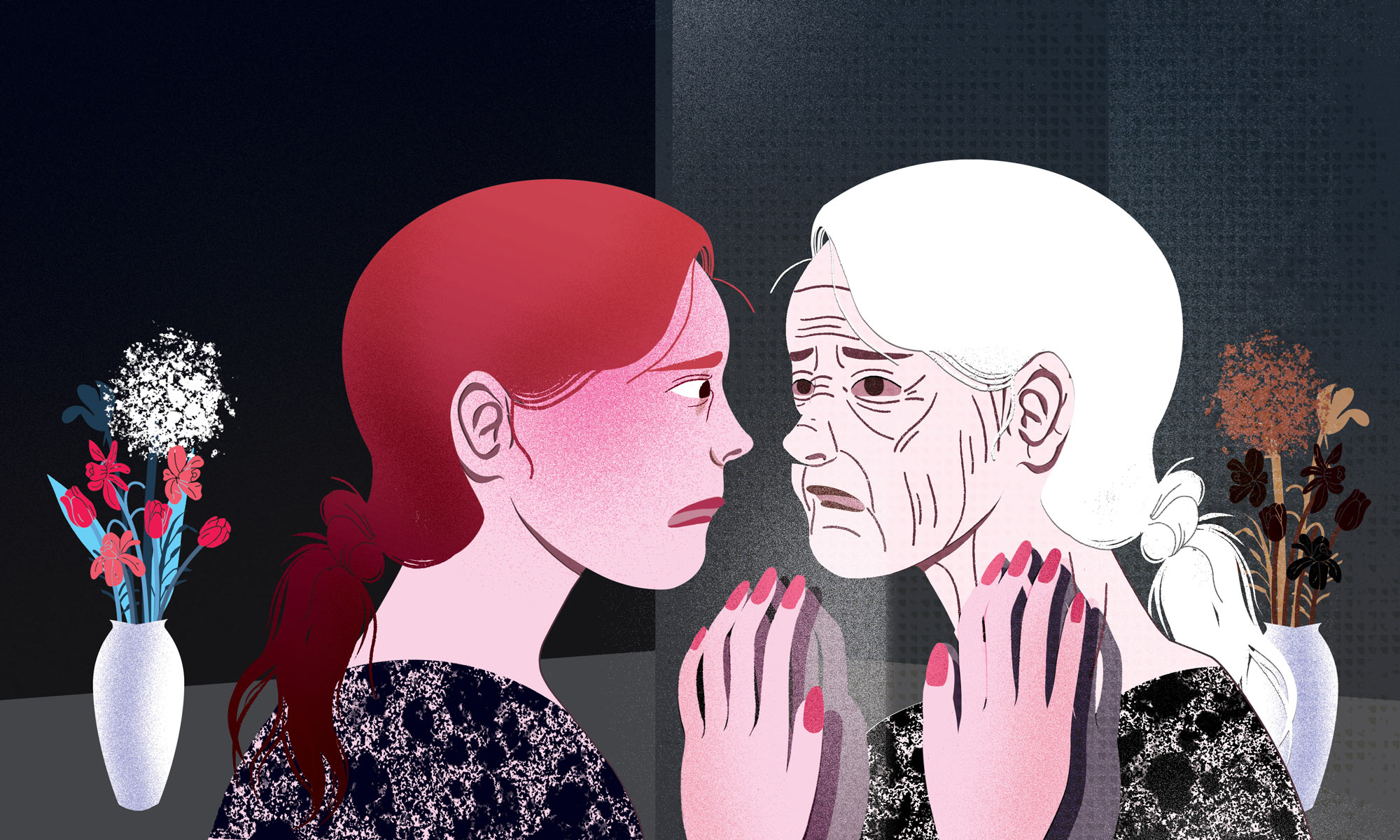
Aging Out of Fucks: The Neuroscience of Why You Suddenly Can’t Pretend Anymore
Your brain's middle finger to people-pleasing

ABILITY | Restoring Communication Through Brain-Computer Interfaces
ABILITY Neuro - Restoring communication through next-generation brain-computer interfaces
How the brain responds to reward is linked to socioeconomic background
The brain’s sensitivity to rewarding experiences — a critical factor in motivation and attention — can be shaped by socioeconomic conditions, according to an MIT study.
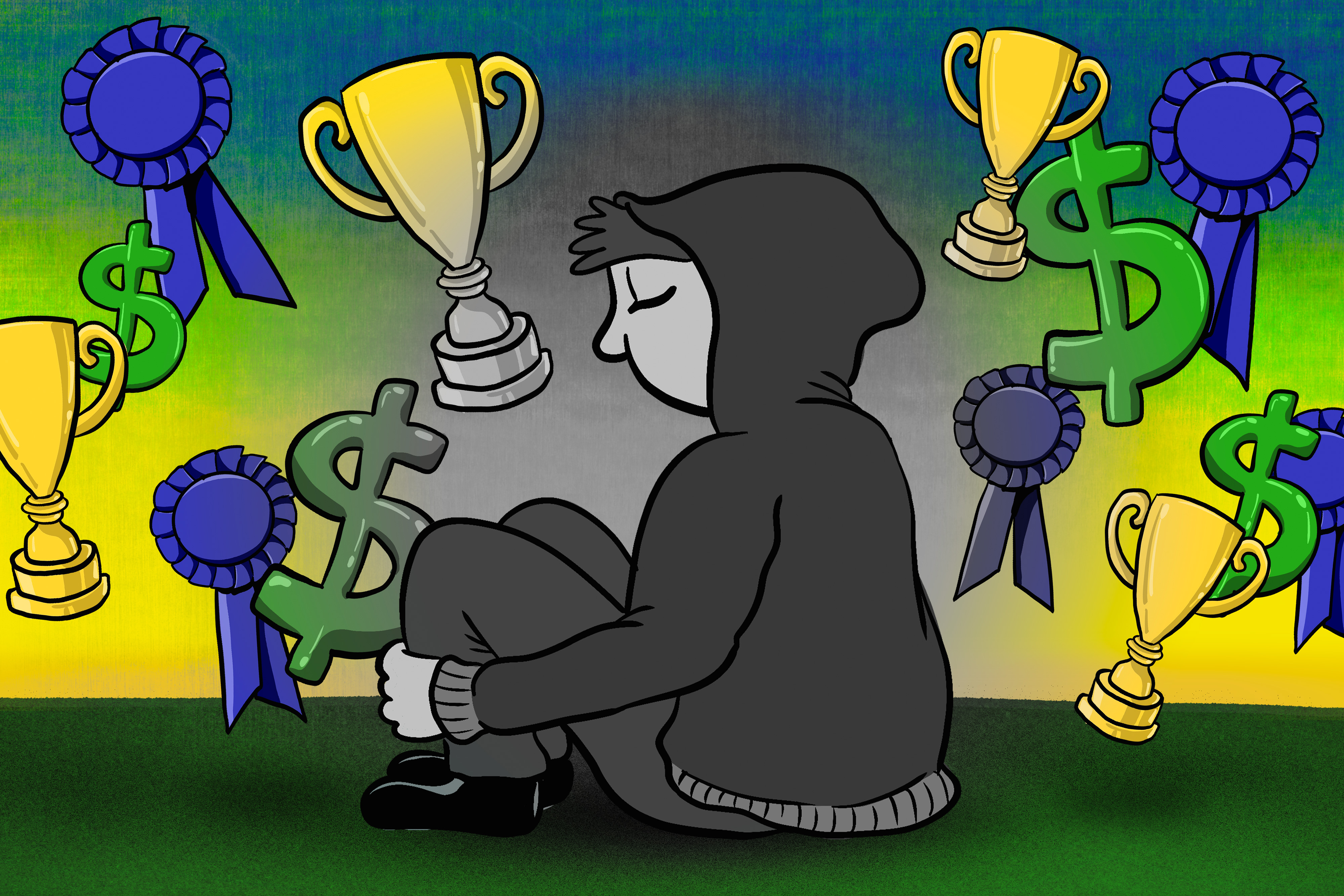
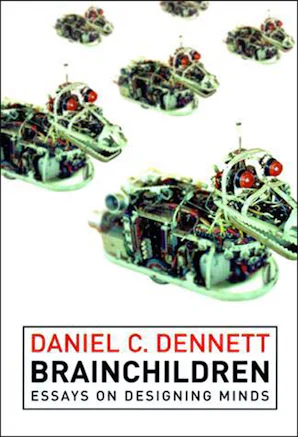
Brainchildren
Minds are complex artifacts, partly biological and partly social; only a unified, multidisciplinary approach will yield a realistic theory of how they came i...
Social isolation linked to changes in brain structure and lower cognition ability
This showed that socially isolated people had poorer cognition, including in memory and reaction time, and lower volume of grey matter in many parts of the brain. These areas included the temporal region (which processes sounds and helps encode memory), the frontal lobe (which is involved in attention, planning and complex cognitive tasks) and the hippocampus – a key area involved in learning and memory, which is typically disrupted early in Alzheimer’s disease.
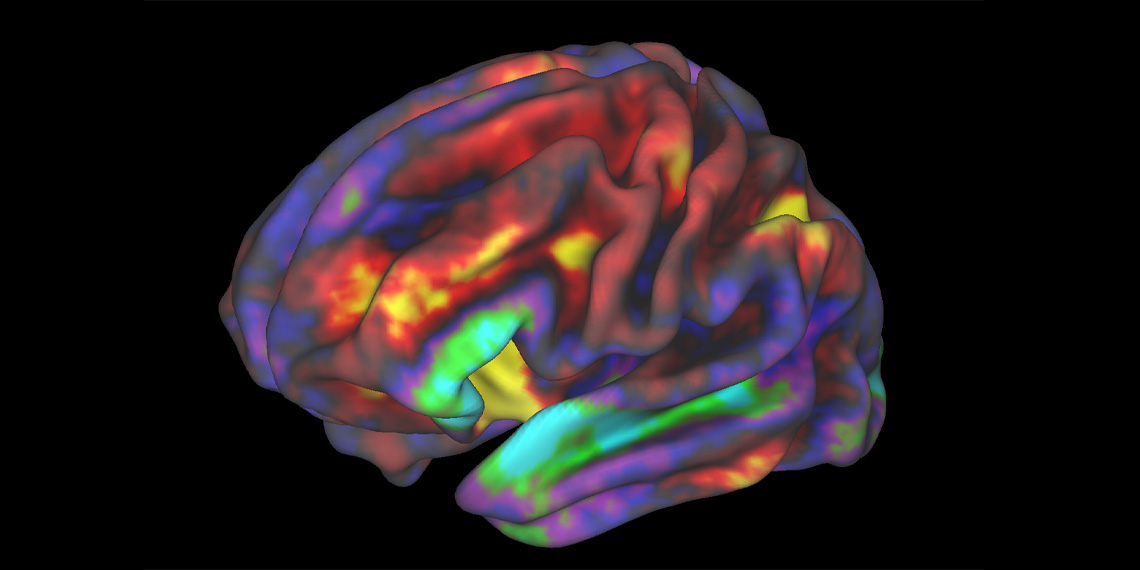
how to pay attention again (the neuroscience of focus in the age of everything)
on the attention economy, and reclaiming your brain’s right to choose

The Neuroscience of Everybody's Favorite Topic
Why do people spend so much time talking about themselves?

You’re an Adult. Your Brain, Not So Much. (Published 2016)
The brain reshapes itself for years after adolescence, scientists have found, raising questions about when an adult is mature in the legal sense.
