

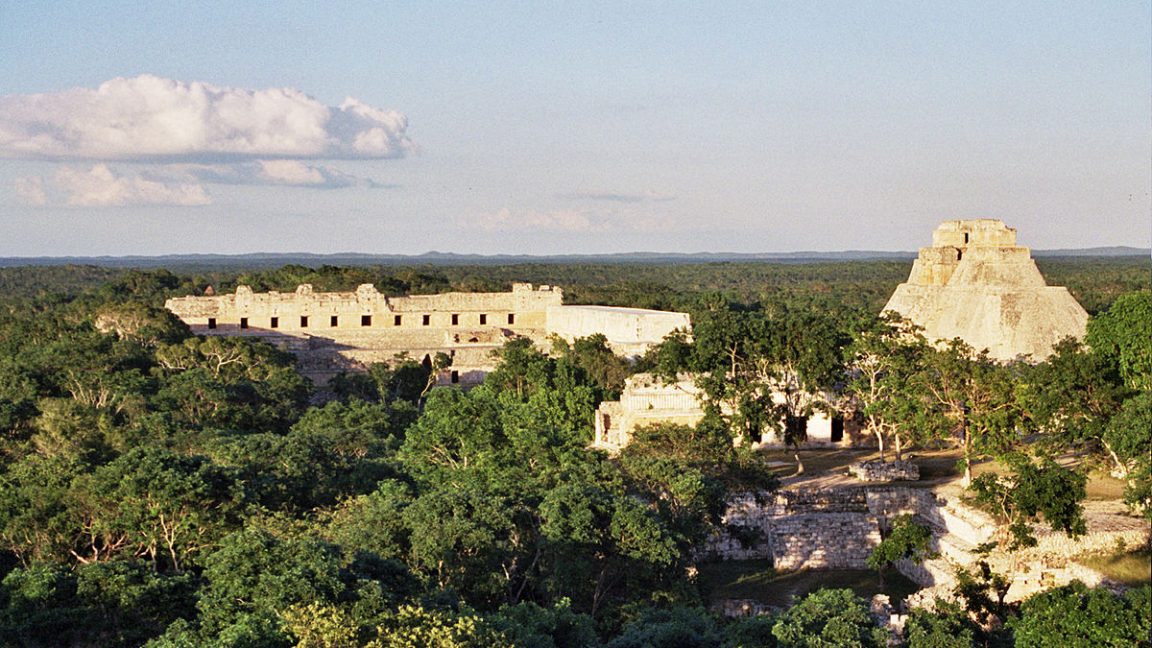
Forest soil may take centuries to recover carbon sinks damaged by deforestation.
‘It is all about listening and sharing’: Indigenous solutions to the carbon divide
Deforestation rates are much lower on Indigenous land – and there is growing recognition that first peoples have vital role to play
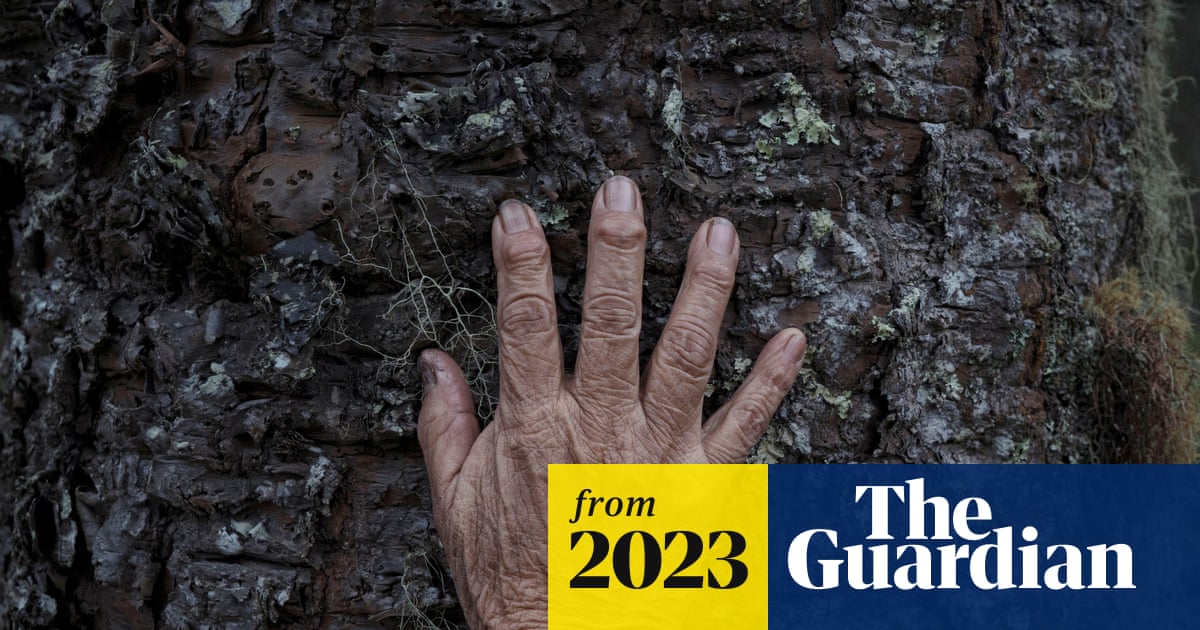
Importance of Indigenous Peoples’ lands for the conservation of Intact Forest Landscapes
Intact Forest Landscapes ( IFL s) are critical strongholds for the environmental services that they provide, not least for their role in climate protection. On the basis of information about the distributions of IFL s and Indigenous Peoples’ lands, we examined the importance of these areas for conserving the world's remaining intact forests. We determined that at least 36% of IFL s are within Indigenous Peoples’ lands, making these areas crucial to the mitigation action needed to avoid catastrophic climate change. We also provide evidence that IFL loss rates have been considerably lower on Indigenous Peoples’ lands than on other lands, although these forests are still vulnerable to clearing and other threats. World governments must recognize Indigenous Peoples’ rights, including land tenure rights, to ensure that Indigenous Peoples play active roles in decision‐making processes that affect IFL s on their lands. Such recognition is critical given the urgent need to reduce deforestation rates in the face of escalating climate change and global biodiversity loss.

A Soil-Science Revolution Upends Plans to Fight Climate Change | Quanta Magazine
A centuries-old concept in soil science has recently been thrown out. Yet it remains a key ingredient in everything from climate models to advanced carbon-capture projects.
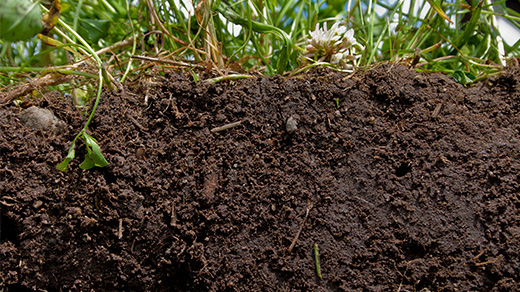
Impact of climate change may be equivalent to 3.3 million years of transformations in tropical vegetation
Changes that took millions of years can now happen in a matter of decades, and this accelerated rythm can be destructive, with dangerous consequences for the planet
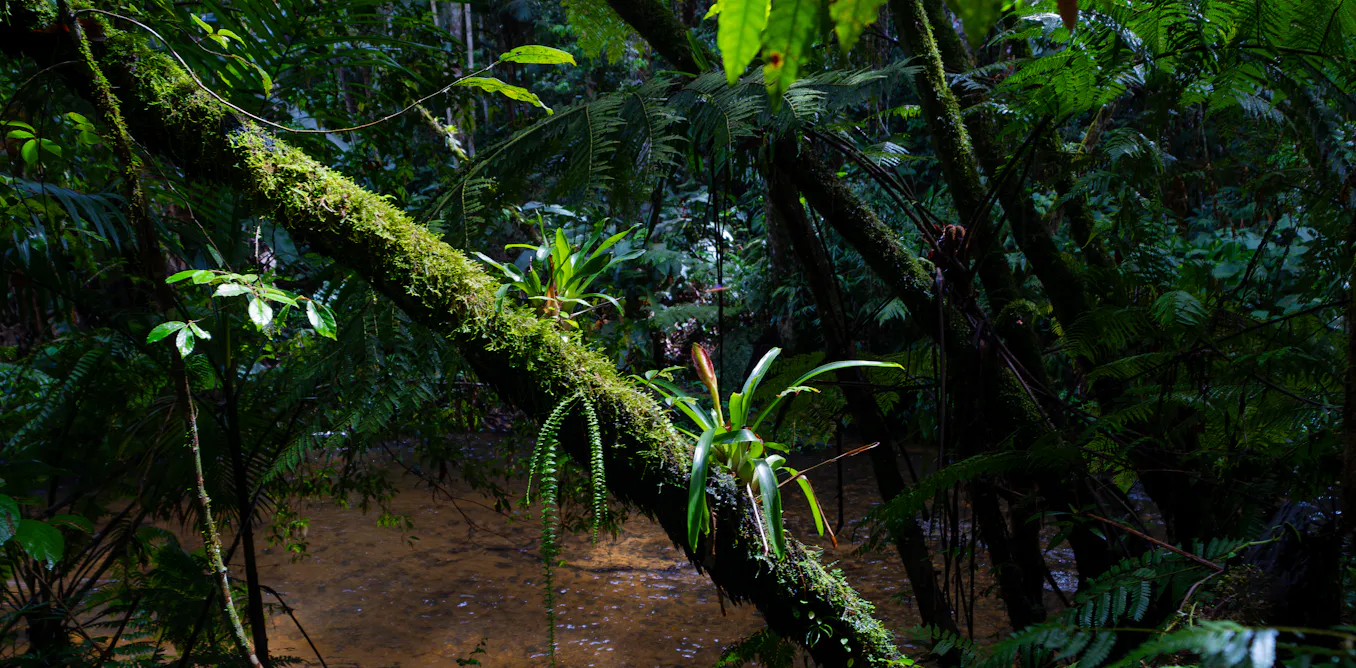
Indigenous forest gardens remain productive and diverse for over a century
Gardens persist for 150 years after those who planted them were removed.
Video #Mayan #Calendar Mayan Elder Explanes Prophesy 2012 at Star Knowledge Conference:
positiveanonimo 30 @ 53positivelive Close Mayan Elder Explanes Prophesy 2012 at Star Knowledge Conference: youtu.be/Ms6o9xwu8...

We should discuss soil as much as coal (2019) | Hacker News
Then on the vein of soils, we're actually running out of arable soil. Soil erosion is a huge problem around the world and industrial farming is a large part of the problem. Farm plots are never left to fallow and replenish, all nutrients and organic matter are stripped out and replaced with liquid chemical fertilizers, that run off the fields and pollute waterways.
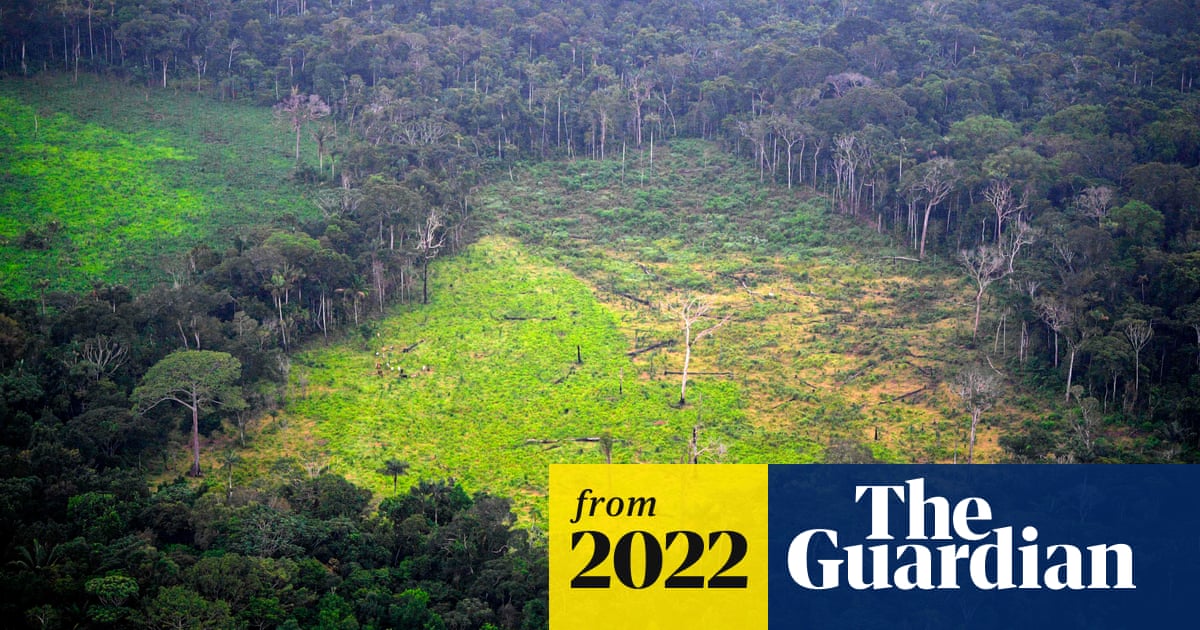
Swapping 20% of beef for microbial protein ‘could halve deforestation’
Move would also lower emissions by reducing razing of trees and methane emissions from livestock, scientists say
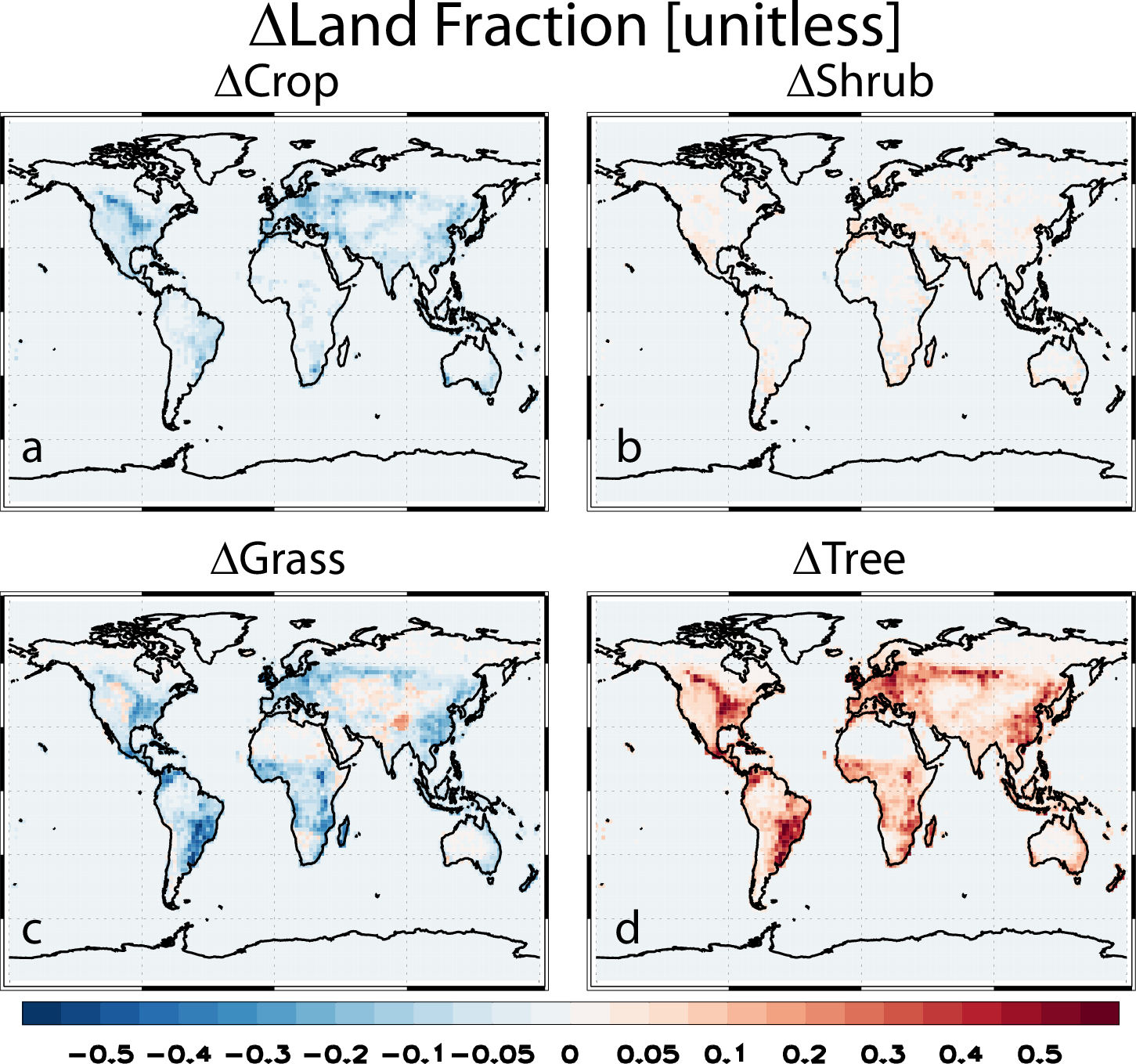
Atmospheric chemistry enhances the climate mitigation potential of tree restoration
Although tree restoration, including reforestation and afforestation, can enhance carbon sequestration and help mitigate climate change, this negative forcing can be strengthened or weakened through non-carbon cycle biogeophysical factors, including atmospheric chemistry. Here, we conduct climate modeling experiments with and without atmospheric chemistry driven by a high-end tree restoration scenario. Under both frameworks, the biogeophysical effects drive global mean warming due to surface darkening. This warming is muted in the Southern Hemisphere due to enhanced evapotranspiration. Furthermore, there is less warming—especially in the Southern Hemisphere—under interactive atmospheric chemistry, largely due to enhanced organic aerosol and cloud effects. Biogeophysical effects mute 45% of the biogeochemical cooling associated with enhanced land carbon storage, which decreases to 24% with atmospheric chemistry (including methane). Thus, higher climate change mitigation potential of tree restoration results from atmospheric chemistry effects, which are not usually considered.
Loading soil with biochar allows farmers to cut way back on irrigation
Locking carbon emissions in biochar in agriculture is good for the climate and the farmers. Water-absorbing biochar reduces the amount of irrigation needed

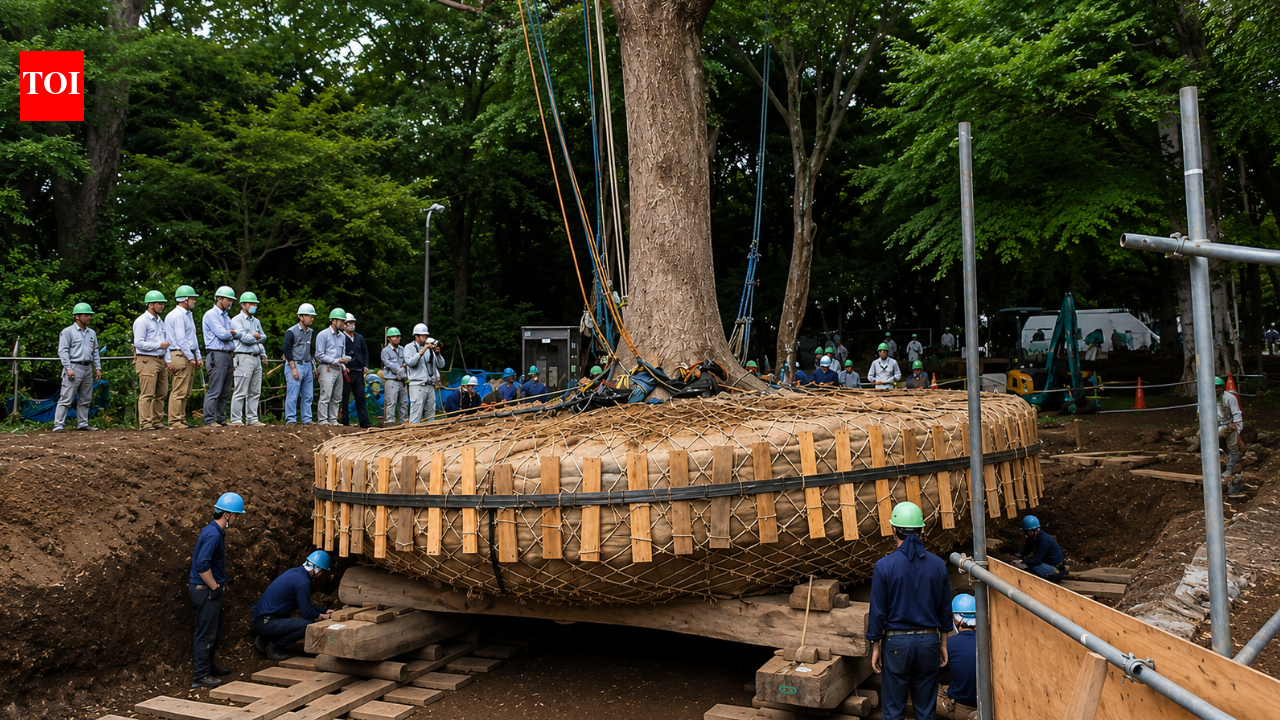
Japan does not cut down centuries-old trees for development. Instead, experts spend months preparing their roots and relocating them
When roads, railways or new buildings are planned, centuries-old trees are often among the first casualties of development. In Japan, however, some of the country's most valuable trees are given a second chance.
Biogeochemical constraints on climate change mitigation through regenerative farming
This review suggests that most of the management practices associated with regenerative agriculture are not likely to lead to a large net sequestration of organic carbon in soils. Some improved management practices, such as increased fertilizer use, manuring, and applications of biochar, are constrained by biogeochemical stoichiometry and the availability of organic inputs. Other management practices, such as fertilizer applications, irrigation, and applications of ground silicate minerals, entail ancillary and off-site emissions of carbon dioxide that reduce the net sequestration of carbon in soils. Carbon sequestration in agricultural soils, even with best management practices, is only likely to offer a small net storage of carbon that can be marketed as a credit to emissions from other sectors of the economy.

Home » Carbon8 Regenerative Agriculture
Supporting farmers' transition into regenerative agriculture through education and community, improving farming for farmers and food for foodies.


What the idea of civilisational ‘collapse’ says about history | Aeon Essays
The idea that the Maya or Easter Islanders experienced an apocalyptic end makes for good television but bad archaeology

How close are we to the temperature tipping point of the terrestrial biosphere?
Future anticipated warming could reduce the terrestrial carbon sink by ~50% by mid-century.
