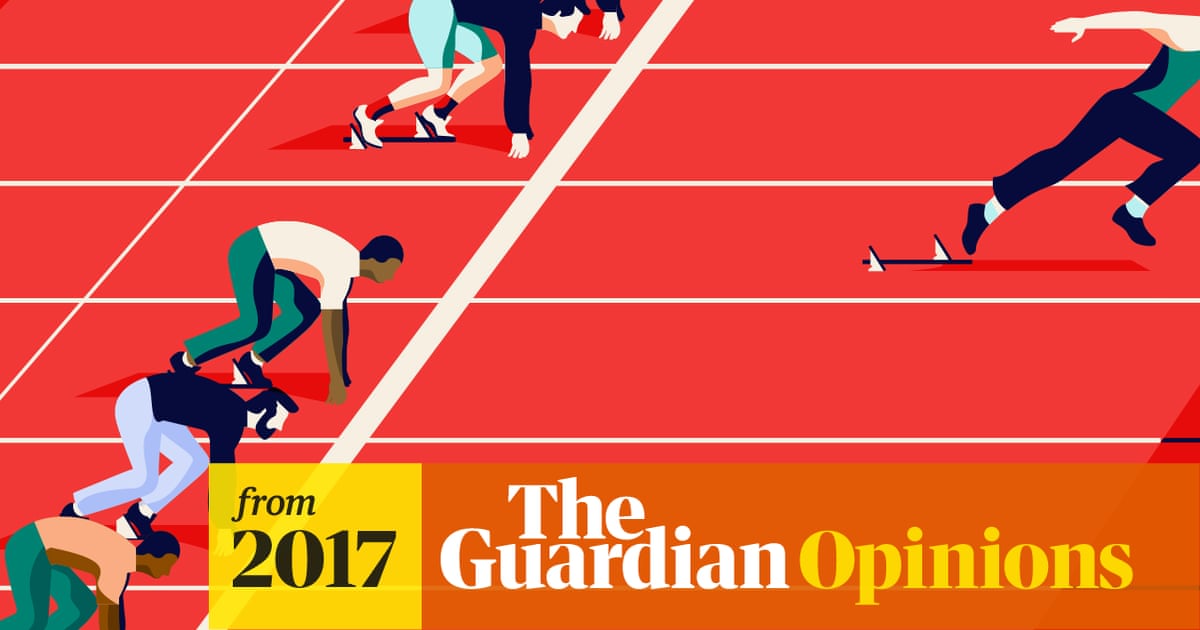
Some of our disagreements about inequality come from people's failure to notice it.
Economic inequality cannot be explained by individual bad choices, study finds
A global study led by a researcher at Columbia University Mailman School of Public Health and published in the journal Scientific Reports finds that economic inequality on a social level cannot be explained ...


The Political Psychology of Economic Inequality
The high level of inequality of income and wealth across individuals, groups, and nations is widely regarded as among the most fundamental problems facing humanity. Yet democracies often elect and reelect politicians who deliver policies that exacerbate rather than reduce inequality. We argue that this disconnect arises from three basic features of human social cognition that evolved for interpersonal interactions in small groups rather than for navigating the vast political, economic, and technological systems that shape contemporary life: a focus on local notions of equality and equity between socially connected individuals rather than across society at large; group identification, which directs attention to inequality between groups rather than “pure” inequality across the broader population; and what we call the “i-frame bias”—a tendency to explain social outcomes, including inequality, as the product of individual behaviors, taking the system within which those individuals operate as a given. We extend our analysis to examine how economic elites exploit these features of social cognition to shape the political and policy landscape and examine the role psychology can play in reducing inequality.

If you rise, I fall: Equality is prevented by the misperception that it harms advantaged groups
Nine preregistered studies ( n = 4197) demonstrate that advantaged group members misperceive equality as necessarily harming their access to resources and inequality as necessarily benefitting them. Only when equality is increased within their ingroup, instead of between groups, do advantaged group members accurately perceive it as unharmful. Misperceptions persist when equality-enhancing policies offer broad benefits to society or when resources, and resource access, are unlimited. A longitudinal survey of the 2020 U.S. voters reveals that harm perceptions predict voting against actual equality-enhancing policies, more so than voters’ political and egalitarian beliefs. Finally two novel-groups experiments reveal that advantaged participants’ harm misperceptions predict voting for inequality-enhancing policies that financially hurt them and against equality-enhancing policies that financially benefit them. Misperceptions persist even after an intervention to improve decision-making. This misperception that equality is necessarily zero-sum may explain why inequality prevails even as it incurs societal costs that harm everyone. , Advantaged groups misperceive equality as harming their resource access, which predicts voting against equality policies.

Power Laws, Weblogs, and Inequality - Clay Shirky
Diversity plus freedom of choice creates inequality.
The Myth of Class Reductionism
The fight for racial and gender justice has always been about economic inequality, too.

The Psychology of Inequality
Researchers find that much of the damage done by being poor comes from feeling poor.

What Paul Graham Is Missing About Inequality
Before he published his essay on inequality, Paul Graham sent it to me for comment. I sent him some quick impressions and promised a more…

Someone has to run the fabs
Egalitarianism is important but we neglect STEM education at our peril

New Capitalism II: Compositional vs income inequality
Are all class-based societies unequal?
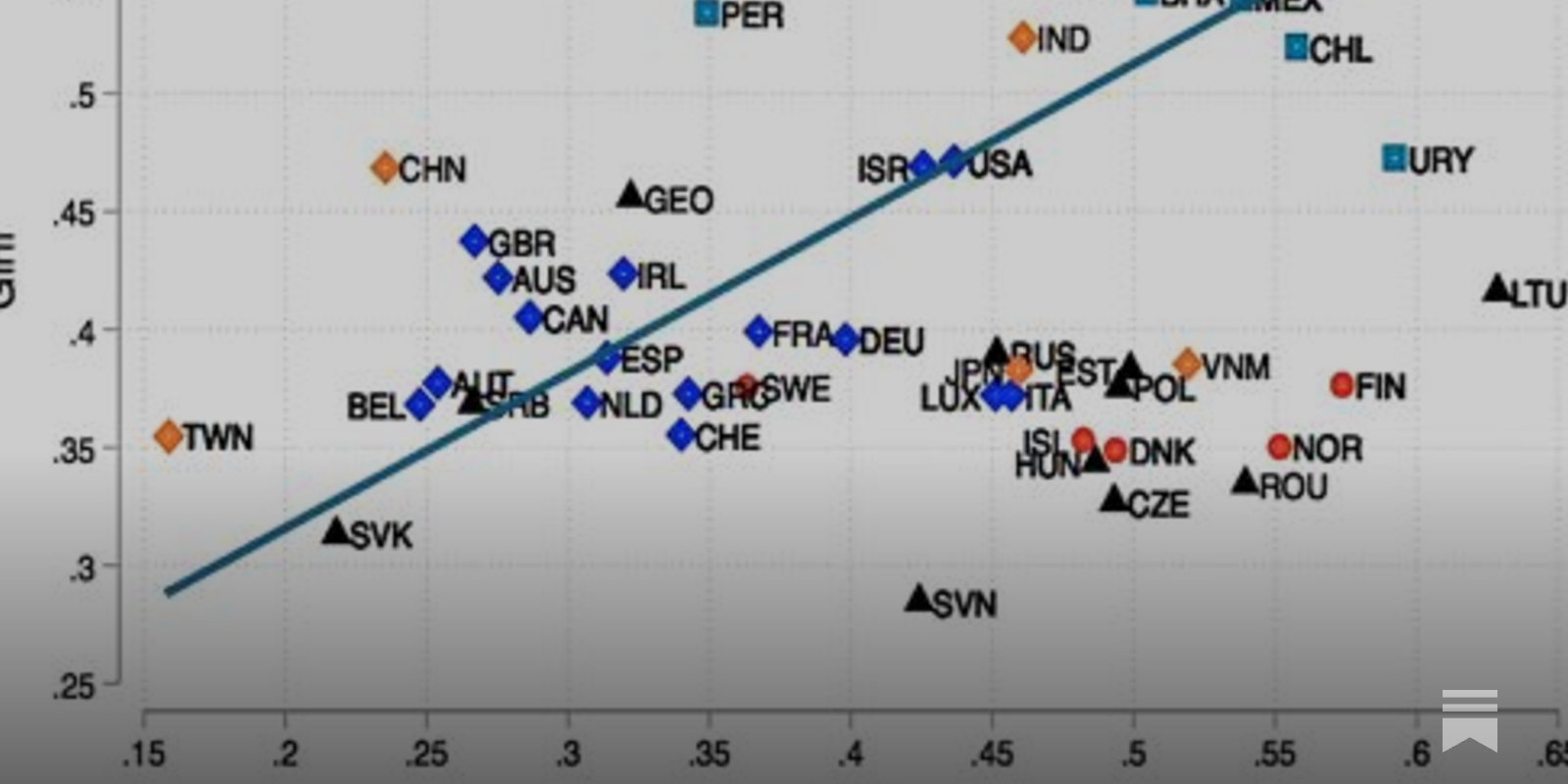
Economic Inequality
How is inequality measured, who produces key databases, and what does the data tell us?
Economic Inequality
How is inequality measured, who produces key databases, and what does the data tell us?
The Origin and Future of Economic Inequality
The Divide — Jason Hickel
The Divide: A Brief Guide to Global Inequality and its Solutions Penguin Random House UK, 2017

Praxis on Twitter / X
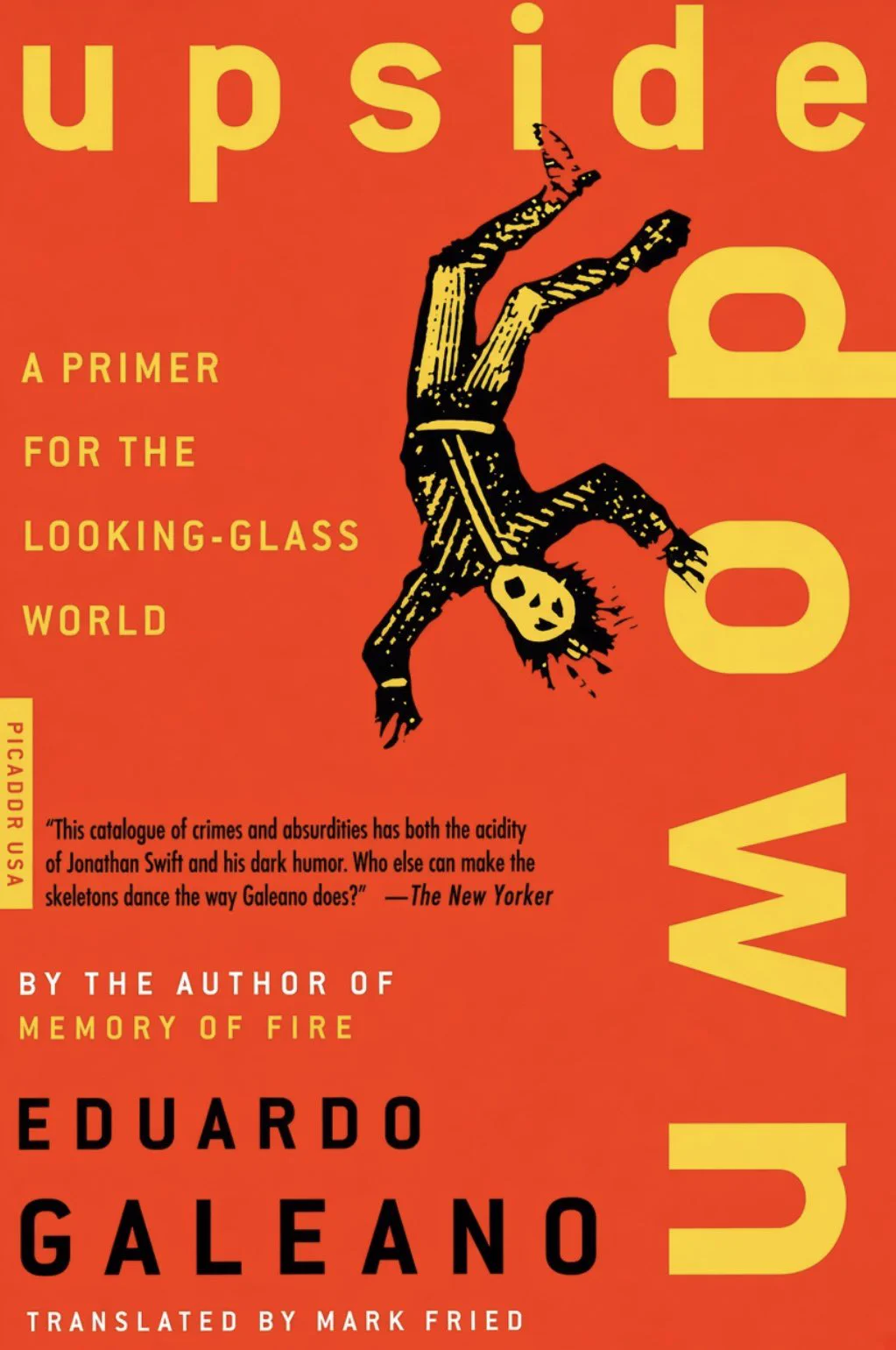
I think Eduardo Galeano in this piece does a great job pointing out how society tolerates inequalities. More importantly he exposes the sanitized terms we use to justify them. He juxtaposes concepts that our political and ethical dictionary would never allow together. When a++ pic.twitter.com/XJsvSNUxVY— Praxis (@praxiss) September 25, 2026
Meritocracy: the great delusion that ingrains inequality | Jo Littler
From Theresa May to Donald Trump, our leaders sell it as a utopian system of fairness – but ‘merit’ has been manipulated to privilege the wealthy