

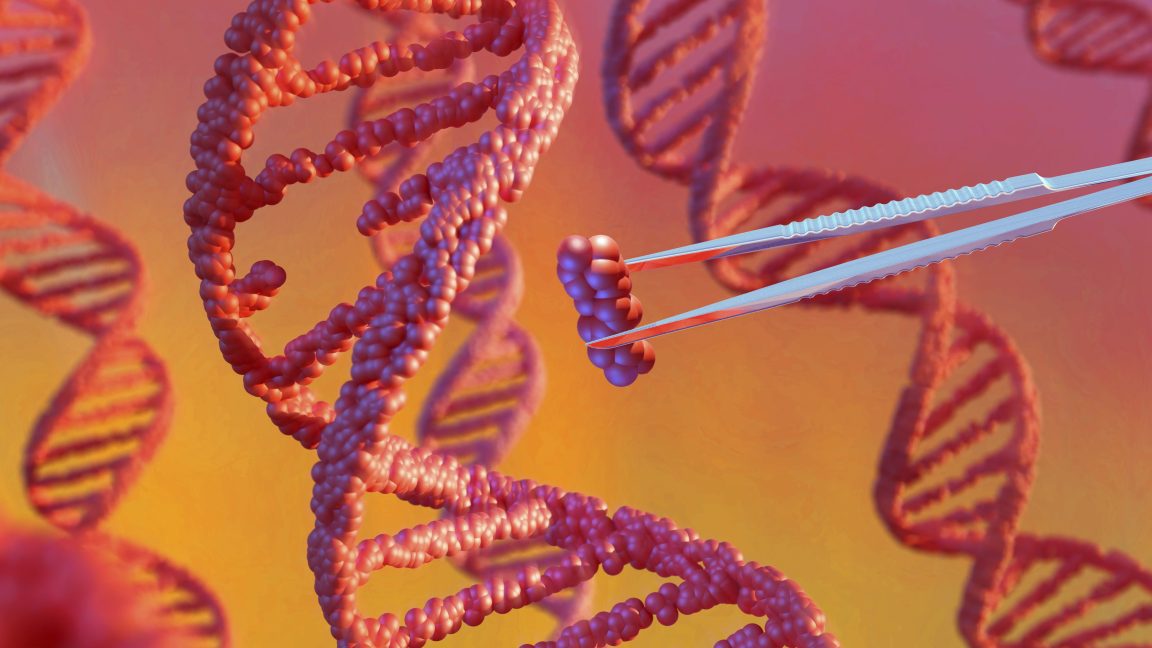
Despite a bumpy history, through work and trust, gene therapy may have a future.
Sam Altman's Brain Chip Venture Is Mulling Gene Therapy Approach - Slashdot
Sam Altman's brain-chip venture is exploring the idea of genetically altering brain cells to make better implants. "The company, which has been referred to as Merge Labs, is looking at an approach involving gene therapy that would modify brain cells," reports Bloomberg. "In addition, an ultrasound d...

We live in a golden age of biology. So why are people still dying from disease? Because discovery and development move slower than they should. Today, we’re partnering with Incyte to change… | Samuel G. Rodriques | 491 comments
We live in a golden age of biology. So why are people still dying from disease? Because discovery and development move slower than they should. Today, we’re partnering with Incyte to change that. Kosmos is now the first agent that can compress months of drug development into weeks, from the earliest stages of scientific discovery through to FDA approval. Incyte will be the first company to deploy it across their pipeline. Work that used to take a team of scientists months now happens in weeks. Patients can't wait, and neither can we. | 491 comments on LinkedIn
$250 million, 300 scientists and 40 labs: Sean Parker’s revolutionary project to ‘solve’ cancer
The collaboration, which will be formally announced Wednesday, focuses on immunotherapy -- an area of research that many believe represents the future of cancer treatment.

Parkinson’s Patients Say Their Symptoms Eased After Receiving Millions of New Brain Cells
Two studies found stem cell therapies were safe and reduced symptoms, but bigger trials are still needed.

A New Hantavirus Vaccine Is in the Works
Since 2023, Moderna and Korea University have been developing a new mRNA vaccine for hantavirus. The work has been promising so far, but a finished product isn't likely coming any time soon.

Edge.org
The new biotech tool called “gene drive” changes our relation to wild species profoundly. Any gene (or set of genes) can be forced to “drive” through an entire wild population. It doesn’t matter if the trait the genes control is deleterious to the organism. With one genetic tweak to its germline, a species can even be compelled to go extinct.
Long COVID still has no cure — so these patients are turning to research
With key long COVID trials yet to yield results, people with the condition are trying to change how clinical trials are done.
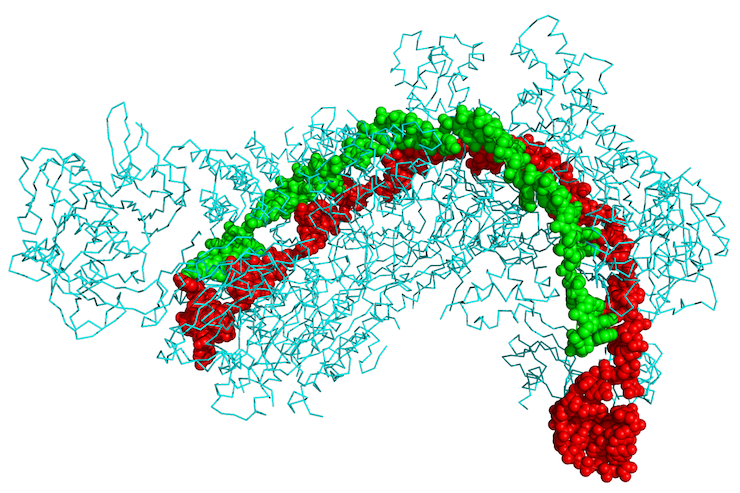
New, reversible CRISPR method can control gene expression while leaving underlying DNA sequence unchanged
Over the past decade, the CRISPR-Cas9 gene editing system has revolutionized genetic engineering, allowing scientists to make targeted changes to organisms' DNA. While the system could potentially be ...

Jason Shepherd on Twitter / X
I have quite a lot of thoughts on this..that won't fit in a tweet. Bottomline is that there are issues scientists in the US would love to improve - faster review, less grant writing, more stability and freedom to do risky science. The folks celebrating this doc are mostly../1 https://t.co/xlPAH9XYNC— Jason Shepherd (@JasonSynaptic) July 23, 2026
Pancreatic cancer mRNA vaccine shows lasting results in an early trial
Scientists caution that more research is needed, but nearly all of the patients who responded to the personalized vaccine are still alive six years later.
Crispr Could Revolutionize the Way We Eradicate Invasive Species
Gene editing isn't brutal like poison, but it could transform our power over nature.

Inventing the future: A neuroscience research roadmap
The past decade of transformative advances in neurotechnology portends an exciting future for neuroscience. This NeuroView charts a strategic path to accelerate and integrate research discovery and speed the development of new cures for human brain disorders.

CRISPR Now Cuts and Splices Whole Chromosomes - Slashdot
Researchers report they've adapted CRISPR and combined it with other tools to cut and splice large genome fragments with ease. The study, conducted by researchers at the Medical Research Council (MRC) Laboratory of Molecular Biology in Cambridge, U.K., has been published in this week's issue of Scie...

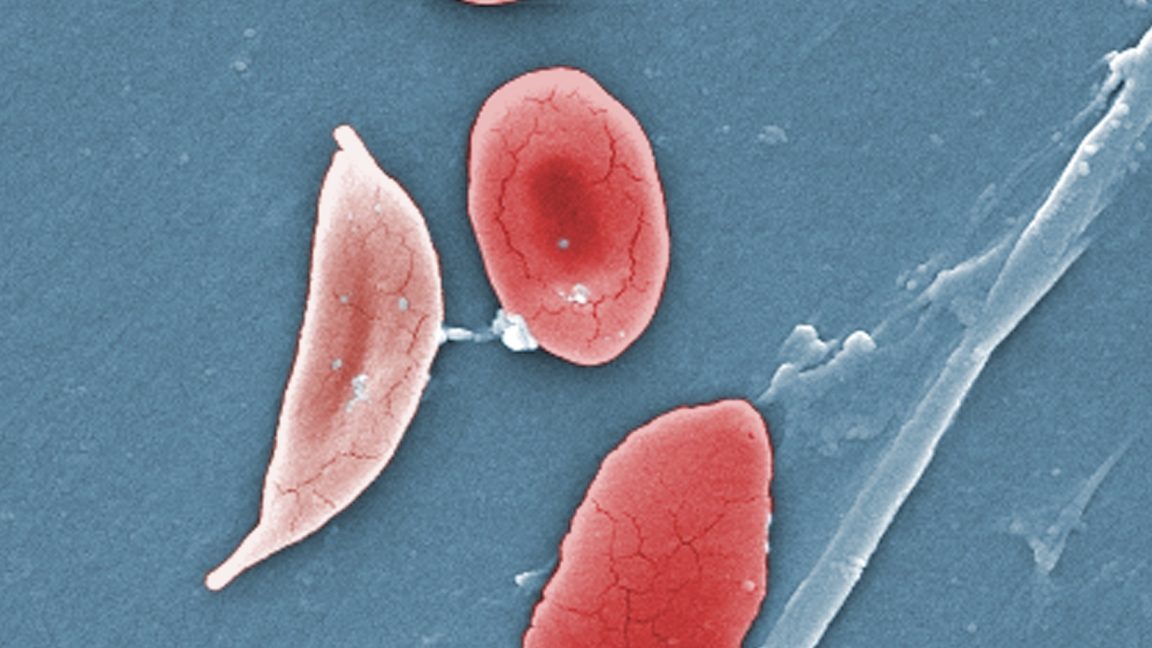
FDA approves first CRISPR therapy—here’s how it works against sickle cell
The landmark treatment turns on another blood protein that prevents sickling.
After decades of mixed results, new evidence suggests stem cells really can help the heart heal. The largest trial yet finds stem cell therapy cuts the risk of heart failure by nearly 60% in the years following a heart attack. newscientist.com/article/2502081-stem-cell-the…

Stem cell therapy lowers risk of heart failure after a heart attack
www.newscientist.com