


Some of our fellow citizens seem to voluntarily do the work of spreading fake news.
Who Falls for Fake News? Study Reveals Surprising Patterns - Neuroscience News
A global study of over 66,000 people reveals that susceptibility to misinformation varies across age, gender, education, and political ideology.
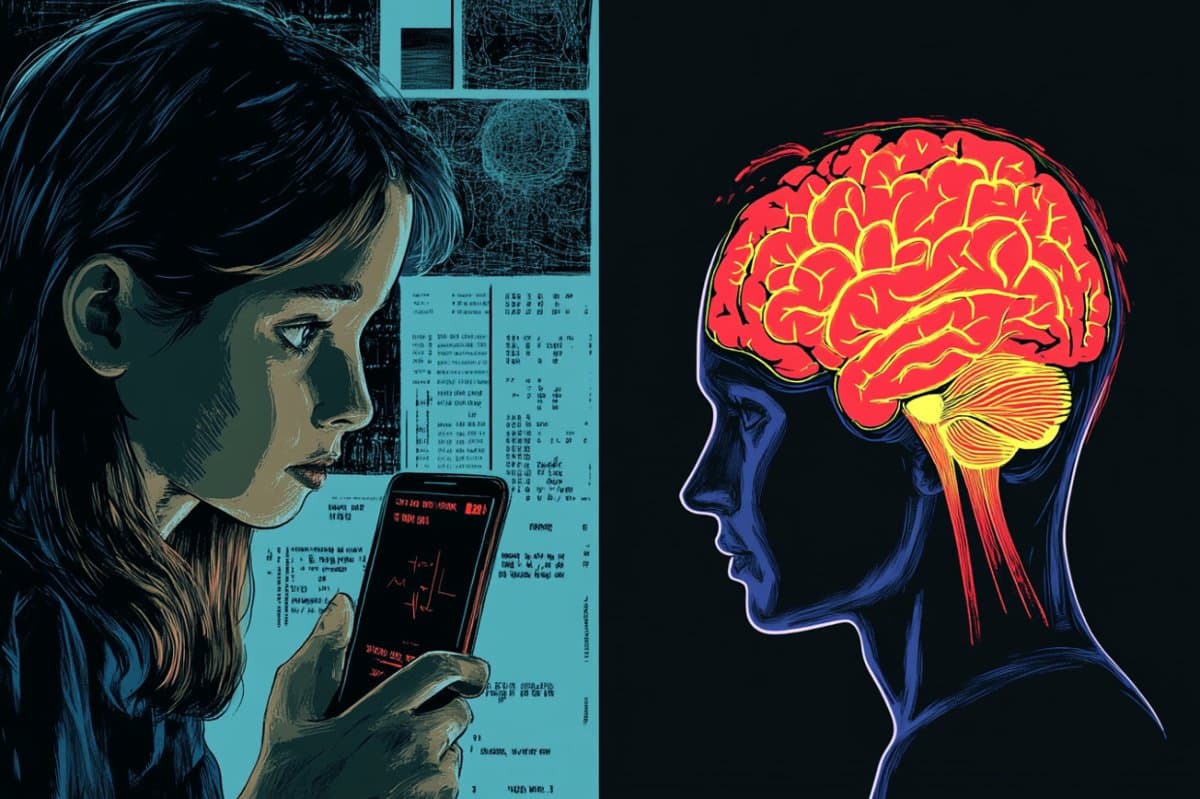
Women portrayed as younger than men online, and AI amplifies the bias - Haas News | UC Berkeley Haas
In a sweeping study published today in Nature, researchers at UC Berkeley Haas, Stanford, and Oxford/Autonomy University documented extensive age and gender distortion across online media—and found that common algorithms are amplifying the bias.

Former Facebook Workers: We Routinely Suppressed Conservative News
Facebook workers routinely suppressed news stories of interest to conservative readers from the social network’s influential “trending” news section,

News Influencers Fact Sheet
About one-in-five U.S. adults say they regularly get news from news influencers on social media, and this is especially common among younger adults.

How People Weave Online Information Into Pseudoknowledge
Misinformation has found a new natural habitat in the digital age. Thousands of forums, blogs, and alternative news sources amplify fake news and inaccurate information to such a degree that it impacts our collective intelligence. Researchers and policy makers are troubled by misinformation because it is presumed to energize or even carry false narratives that can motivate poor decision-making and dangerous behaviors. Yet, while a growing body of research has focused on how viral misinformation spreads, little work has examined how false narratives are in fact constructed. In this study, we move beyond contagion inspired approaches to examine how people construct a false narrative. We apply prior work in cognitive science on narrative understanding to illustrate how the narrative changes over time and in response to social dynamics, and examine how forum participants draw upon a diverse set of online sources to substantiate the narrative. We find that the narrative is based primarily on reinterpretations of conventional and scholarly sources, and then used to provide an alternate account of unfolding events. We conclude that the link between misinformation, conventional knowledge, and false narratives is more complex than is often presumed, and advocate for a more direct study of this relationship.

First Evidence That Social Bots Play a Major Role in Spreading Fake News
Automated accounts are being programmed to spread fake news, according to the first systematic study of the way online misinformation spreads
How Social Media Rewards Misinformation
A majority of false stories are spread by a small number of frequent users, suggests a new study co-authored by Yale SOM’s Gizem Ceylan. But they can be taught to change their ways.

Fact-Checking False Claims about our Gender Identity Coverage | The New York Times Company
A recent post from Trans News Network included numerous falsehoods about New York Times stories on gender identity and maligned some of the journalists involved in the work. Our coverage is guided by…

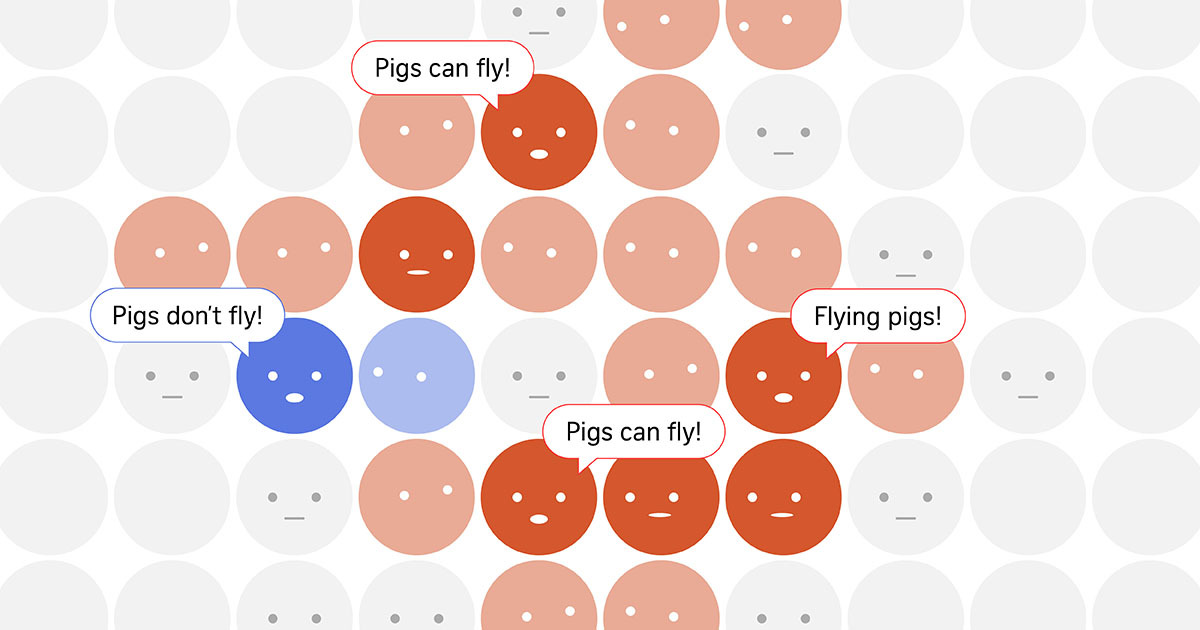
Fake news spreads like an epidemic. Here’s how to stop it.
Researchers study fake news the same way they study the spread of disease. When misinformation “goes viral”, it is not just a metaphor. It is what’s actually happening. via @straits_times str.sg/viz-misinformation
Social media scam commodifies women's sexuality to swindle followers | CBC News
Women’s names and photos are being used in duplicate accounts to advertise adult content and trick site visitors into providing their credit card information.

Sharing news you didn't read can feel like expertise
Social media sharers believe that they are knowledgeable about the content they share, even if they have not read it or have only glanced at a headline.
“Pink slime” local news outlets erupt all over US as election nears
Number of partisan news sites roughly equals those doing actual, legitimate journalism.

Fakebook: Using Data Science to Spot Fake News
As fake news permeates throughout social media outlets (like Facebook), it's more important than ever to identify what is fact vs. fiction. This is especially true in the age of COVID where the spread of misinformation can impact the spread of the virus. Data scientists are emerging on the front lines of this fight, using programs to help them identify fake news sources. Led by Dr. Teon Brooks, Josh Modeste, and Steven Azeka from the Gotham Data Clinic (fka CiELabs), this workshop will explore the “life cycle” of scientific research and how scientists come to consensus about how we interpret data. We’ll examine what to look for in credible news sources, and the consequences of leaning on not-so-trusty pseudoscientific sources. Then you’ll put that knowledge to work by developing a rubric for identifying fake news. No experience necessary! https://www.eventbrite.com/e/fakebook-using-data-science-to-spot-fake-news-tickets-137833492687
The U.S. Midterms Were Once Again Flooded By Fake ‘Pink Slime’ Local Newspaper Propaganda
For more than a generation, U.S. media academics have warned anybody who’d listen that the death of your local newspaper and the steady consolidation of local TV broadcasters was creating either “n…

Confronting Disinformation Spreaders on Twitter Only Makes It Worse, MIT Scientists Say - Slashdot
According to a new study conducted by researchers at MIT, being corrected online just makes the original posters more toxic and obnoxious. From a report: Basically, the new thinking is that correcting fake news, disinformation, and horrible tweets at all is bad and makes everything worse. This is a ...

A lot of you might not know this, but meta doesn't allowed Canadians and news organizations to post links to traditional news. That means I can't post a CBC or CNN article that refutes a misinformation account. This action by meta allowed the raise of alt right misinformation to flourish here.

Deirdre Mitchell-MacLean
Holy hell. Was this part of the shitshow too? I'm kind of gobsmacked.
