A vaccine developer and a climate scientist walk into a bar write a book.
The Current Crisis: What's Happening to Science in America
Jason Hickel on Twitter / X
The climate crisis reveals that our civilization has never really been organized around science, contrary to the usual Enlightenment narrative. It is organized around capital. Science is embraced when it serves the interests of capital, and is often ignored when it does not.— Jason Hickel (@jasonhickel) January 6, 2022
The one science reform we can all agree on, but we're too cowardly to do
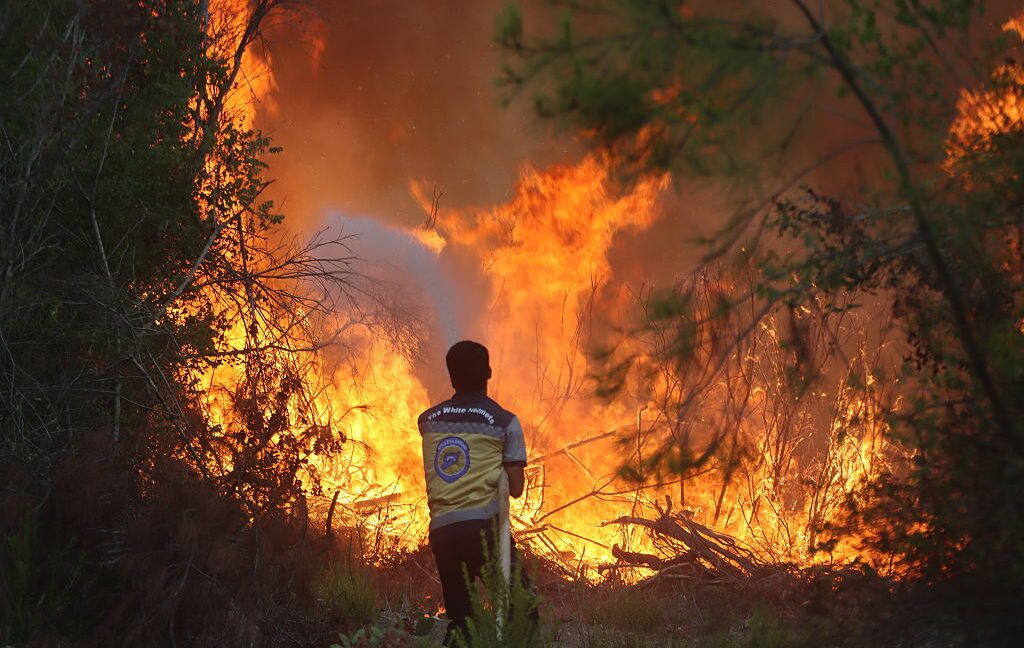
OR: the long overdue forest fire
"Wandering towards dystopia": CSIRO scientists want open discussion of climate impacts before it's too late
Senior CSIRO scientists discussed how to have an "open conversation" about the rising threats from a warming world before "it's too late".

After the Deluge: What Future for Climate Fiction? - Public Books
Even in a world remade, the past defines the present.

Jason Shepherd on Twitter / X
I have quite a lot of thoughts on this..that won't fit in a tweet. Bottomline is that there are issues scientists in the US would love to improve - faster review, less grant writing, more stability and freedom to do risky science. The folks celebrating this doc are mostly../1 https://t.co/xlPAH9XYNC— Jason Shepherd (@JasonSynaptic) July 23, 2026
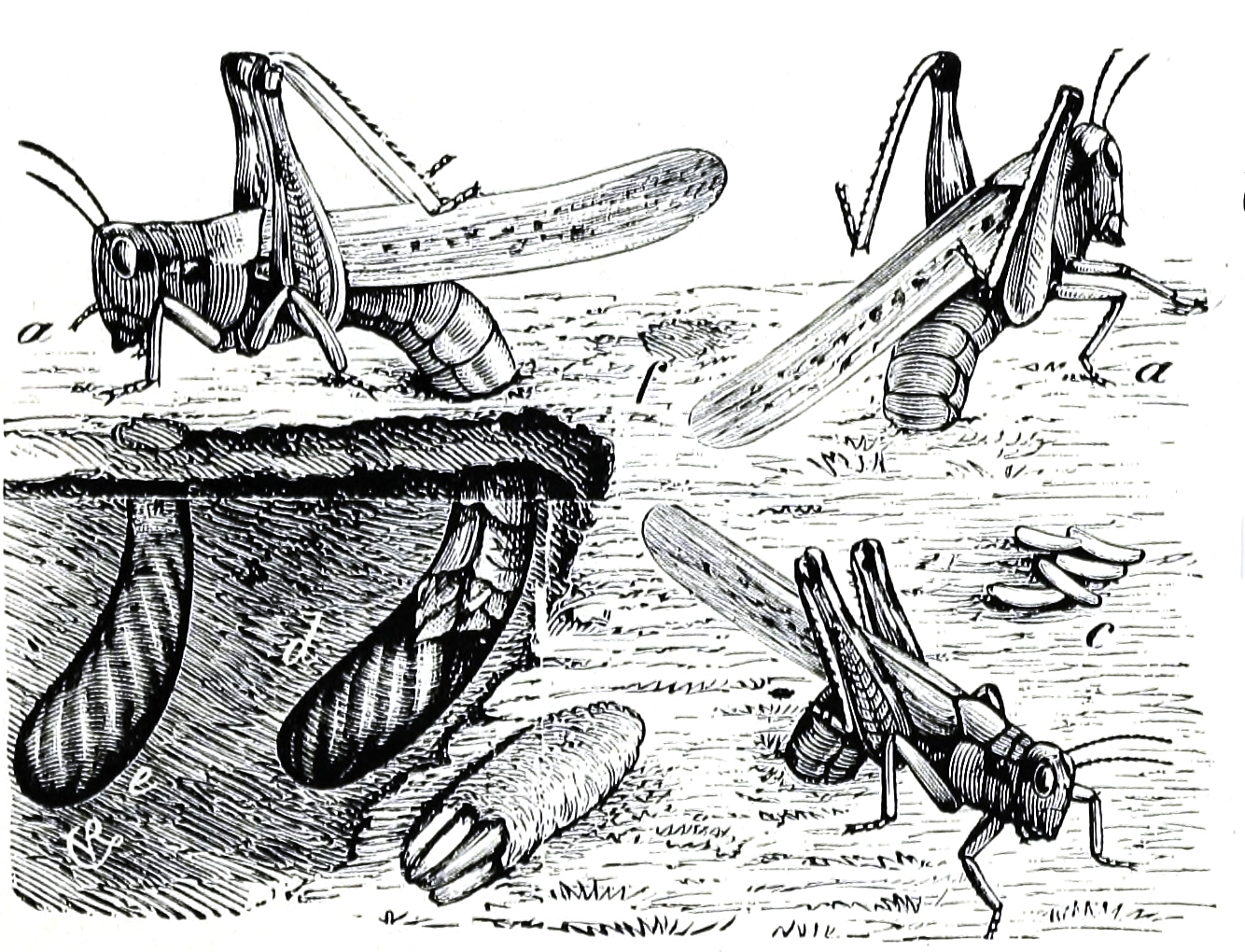
The “Terrible Engine of Destruction” That Inspired Federal Science Funding
What can we learn about the relationship between science and the American public from the story of plagues of locusts in the 1870s?
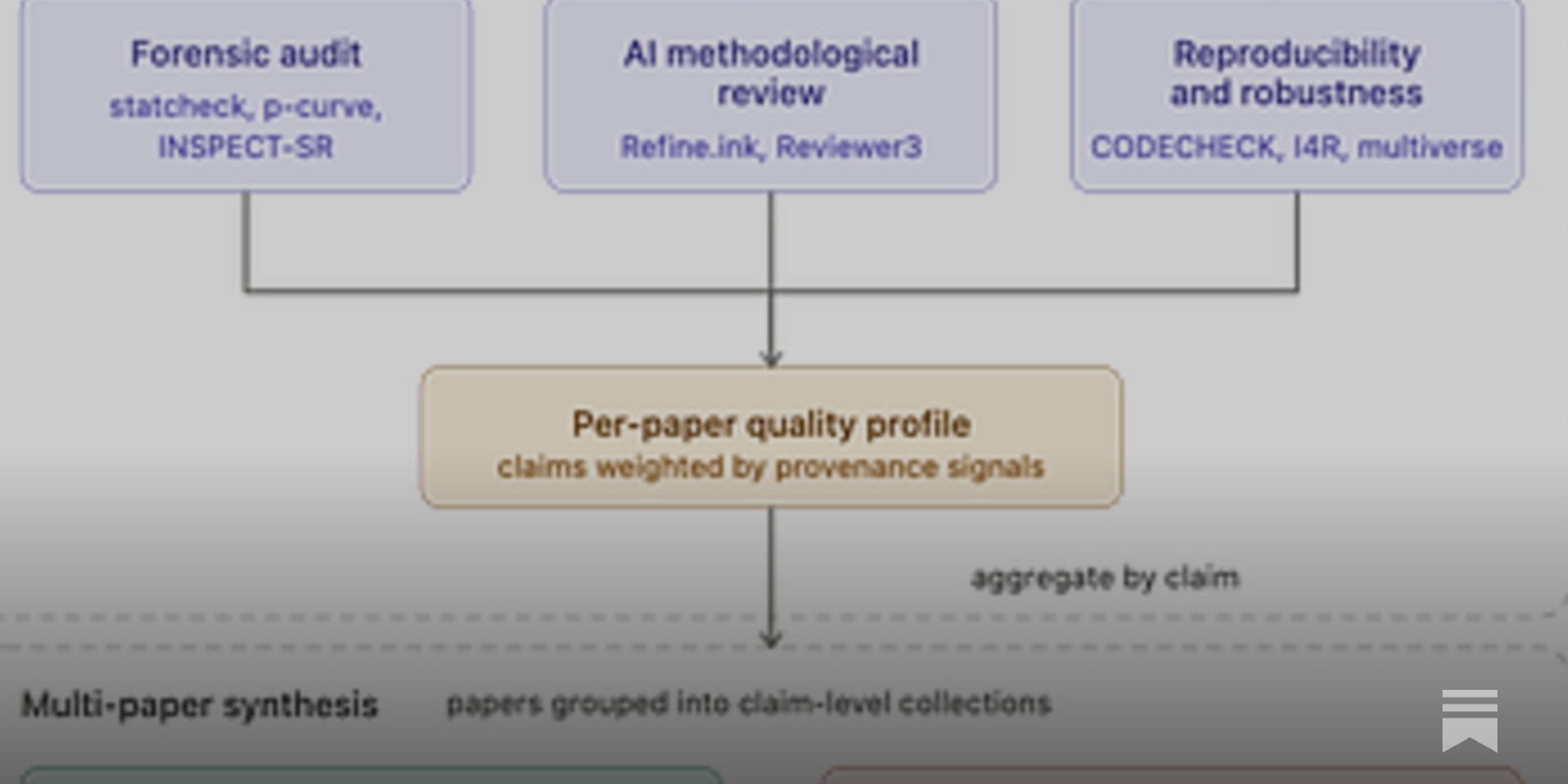
Guest post: If you’re going to critique science, be scientific about it
Loren K. Mell Editor’s note: This post responds to a Feb. 13 article in The Atlantic, “The Scientific Literature Can’t Save Us Now,” written by Retraction Watch cofounders Adam Marcus and Ivan Oran…

Science has been in a “replication crisis” for a decade. Have we learned anything?
Bad papers are still published. But some other things might be getting better.

The End of Science? Agnosis and American Fascism
The Society for Social Studies of Science (4S) annually awards the John Desmond Bernal Prize to one or more individuals who have made distinguished contributions to the field of Science and Technology Studies. Past winners have included founders of the field, along with outstanding scholars who have devoted their careers to understanding the social dimensions of science and technology. This article is the revised text of the 2025 Bernal Lecture by Paul Edwards.

Opinion | Reporting on Long Covid Taught Me to Be a Better Journalist (Published 2023)
Covering long Covid solidified my view that science is not the objective, neutral force that it is often said to be.

The Drain of Scientific Publishing
The domination of scientific publishing in the Global North by major commercial publishers is harmful to science. We need the most powerful members of the research community, funders, governments and Universities, to lead the drive to re-communalise publishing to serve science not the market.

Decolonising Science Reading List
In the last couple of weeks, a lot of people have been asking me about what I’ve been reading as reference points for my commentary on the…
'Guns, Germs, and Steel' Reconsidered
Guns, Germs, and Steel: The Fates of Human Societies has had the kind of impact that most scholarly authors can only dream about for their works. First published by W.W. Norton in 1997, the book won a Pulitzer Prize the next year for its author, Jared Diamond, a professor of geography at the University of California at Los Angeles.

What stories should we tell about scientific progress now?
In search of the mysterious fruits of basic science