


Antitrust sentiment grows, so does skepticism about Google on both the left and the right.
Why One Tech Security Expert Is Increasingly Worried About Google
I worry Google is trading away my trust for a short-term benefit.

Google’s Chrome Antitrust Paradox
This Article examines Google’s dominance of the browser market, highlighting how Google’s Chrome browser plays a critical role in reinforcing Google’s dominance in other markets. While Google portrays Chrome as a neutral platform built on open-source technologies, this Article shows that Chrome is, in fact, instrumental in Google’s strategy to reinforce its dominance in the online advertising, publishing, and browser markets. The examination of Google’s strategic acquisitions, anticompetitive practices, and the implementation of so-called “privacy controls” underlines that Chrome is far from a neutral gateway to the web. Rather, it serves as a key tool for Google to maintain and extend its market power, often to the detriment of competition and innovation in the digital economy.This Article illustrates how Chrome not only bolsters Google’s position in online advertising and publishing through practices such as coercion and self-preferencing, but also leverages its advertising clout to engage in a “pay-to-play” paradigm—the cornerstone of Google’s larger strategy of market control. It also outlines potential regulatory interventions and remedies by drawing on historical antitrust precedents. Lastly, this Article proposes a triad of solutions motivated by an analysis of Google’s abuse of Chrome, including behavioral remedies targeting specific anticompetitive practices, structural remedies involving an internal separation of Google’s divisions, and divestiture of Chrome from Google into an independent organization.Despite Chrome’s dominance and its critical role in Google’s ecosystem, as well as its recent legal troubles with the Department of Justice, it so far has avoided significant antitrust action. A key reason for this inaction lies in the long-standing precedent supporting the hegemony of technology firms and the uncertainty surrounding Chrome’s viability as a standalone entity. This Article attempts to address these issues to enable antitrust actions that are essential in remedying current market imbalances. Such actions are also critical to mitigate future threats to competition from an increasingly monopolistic technology landscape, thereby fostering a competitive digital environment that promotes innovation and protects consumer interests.
Google Fights Back
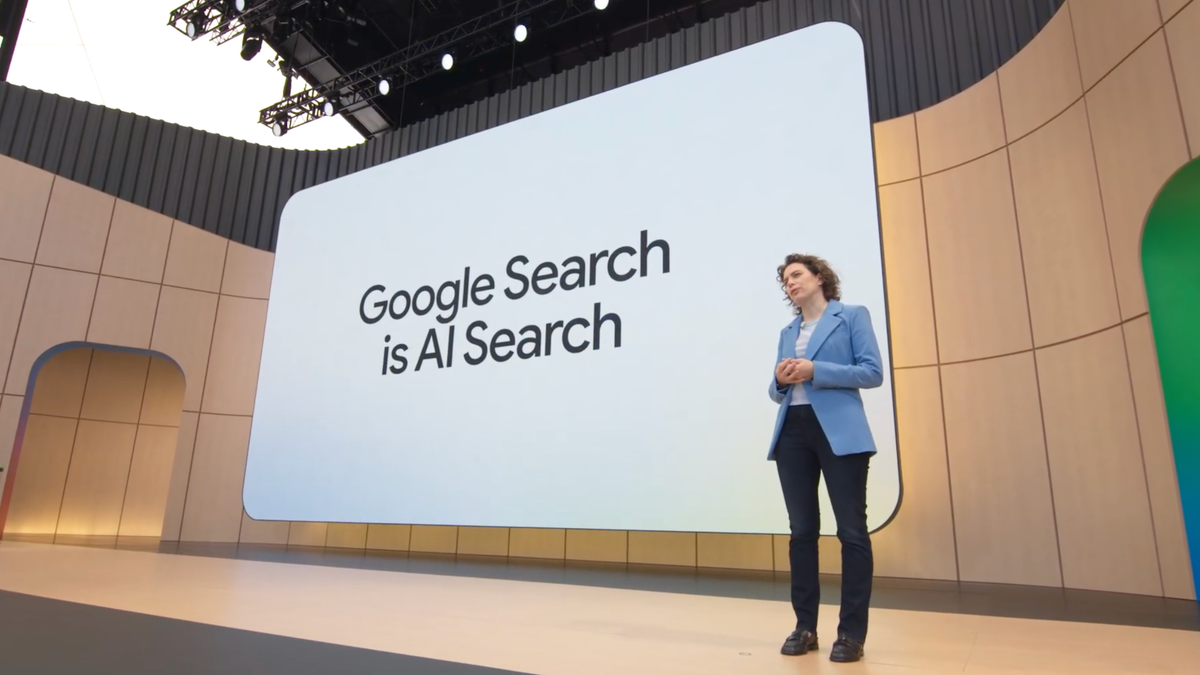
At Google I/O, Google was the opposite of defensive: the company set out to make the case that its approach made for better products that makes people’s lives better

Google Was a Lifeline for Publishers. Now Some Are Thinking of Cutting It Off.
Reddit, Politico and others are weighing how—or even if—they can work with the tech company as AI tools supplant traditional searches.

Google Was a Lifeline for Publishers. Now Some Are Thinking of Cutting It Off.
Reddit, Politico and others are weighing how—or even if—they can work with the tech company as AI tools supplant traditional searches.
Google fends off news publishers' antitrust lawsuit over online search
Alphabet's Google won a ruling dismissing a lawsuit that accused the tech giant of monopolizing the U.S. online news market and exploiting its dominance in search to extract publishers' content without payment.

Google Is Building an A.I. Fence Around the Internet It Once Championed
As Google incorporates more artificial intelligence into search, people are spending more time on Google. Some website operators are crying foul.

Google Is Building an A.I. Fence Around the Internet It Once Championed
As Google incorporates more artificial intelligence into search, people are spending more time on Google. Some website operators are crying foul.
Investor money vs. public interest: did Google fail to build a non-evil platform?
Don’t be evil. That was Google’s official motto, until recently.
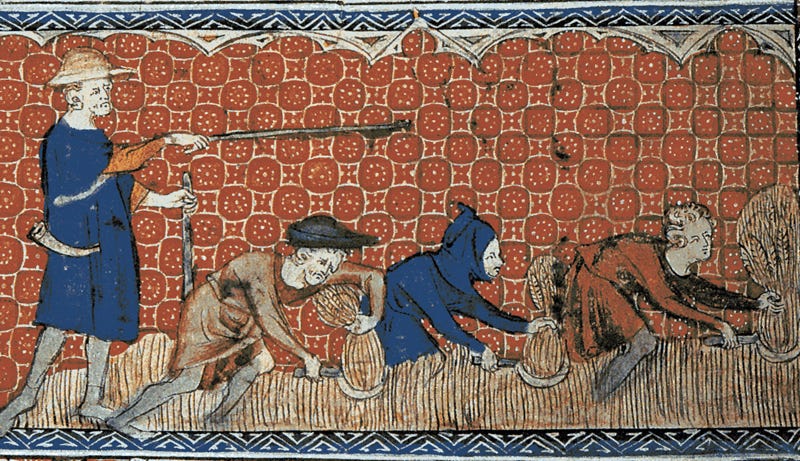
Pluralistic: The worst possible antitrust outcome (03 Sep 2025) – Pluralistic: Daily links from Cory Doctorow
Last year, Google lost an antitrust case to Biden's DoJ. The DoJ lawyers beat Google like a drum, proving beyond a shadow of a doubt that Google had deliberately sought to create and maintain a monopoly over search, and that they'd used that monopoly to make search materially worse, while locking competitors out of the market.
History of Google
Google was officially launched in 1998 by Larry Page and Sergey Brin to market Google Search, which has become the most used web-based search engine. Larry Page and Sergey Brin, students at Stanford University in California, developed a search algorithm first (1996) known as "BackRub", with the help of Scott Hassan and Alan Steremberg. The search engine soon proved successful, and the expanding company moved several times, finally settling at Mountain View in 2003. This marked a phase of rapid growth, with the company making its initial public offering in 2004 and quickly becoming one of the world's largest media companies. The company launched Google News in 2002, Gmail in 2004, Google Maps in 2005, Google Chrome in 2008, and the social network known as Google+ in 2011, in addition to many other products. The company set up a charitable offshoot, Google.org, in 2005. In 2015, Google became the main subsidiary of the holding company Alphabet Inc.

Google is its own worst enemy
In its bid to push AI, it’s destroying its products and trying to kill the web too
How Google is killing independent sites like ours - HouseFresh
And why you shouldn’t trust product reviews from big media publishers ranking at the top of Google.

Privacy concerns with Google
Privacy concerns with Google include a wide range of issues and controversies related to collection, use, and sharing of user data across Google products, services, and platforms, including Google Search. Since the mid-2000s, civil liberties organizations and government regulators have criticized and taken action against Google related to Internet privacy issues in its data collection and data retention policies, web tracking practices, cooperation with intelligence agencies and law enforcement agencies, and other activities. These concerns are a frequent theme in criticism of Google.
I Cut Google Out Of My Life. It Screwed Up Everything
Week 3: Google Long ago, Google made the mistake of adopting the motto, “Don’t be evil,” in a jab at competitors who exploited their users. Alphabet,

Google is on the Wrong Side of History
Google continues to show us why it chose to abandon its old motto of “Don’t Be Evil,” as it becomes more and more enmeshed with the military-industrial complex. Most recently, Google has removed four
