In the 19th and early 20th centuries, building oversight in North America and Europe was minimal and inconsistent. Many cities relied on one final inspection, often conducted after completion or after occupancy had already begun. Many inspectors would issue a single “pass/fail” stamp of approval, and enforcement focused on obvious hazards rather than systematic verification of structure, materials, or systems.
We Regulate the Wrong Things
Most cities’ zoning and development regulations obsess over things that are easy to measure, like building height and density, at the expense of the things that actually determine whether we’re building quality places.

There is more to code review than (automatable) detection
The abstract for article “The End of Code Review: Coding Agents Supersede Human Inspection” paints this picture for the reader…

Historic American Buildings Survey/Historic American Engineering Record/Historic American Landscapes Survey - About this Collection
Measured drawings, photographs, and written historical and architectural information for structures and sites dating from the 17th-20th centuries in the U.S. and its territories. Documentation for more than 43,000 sites and structures; records being added.
Deadly buildings
Architecture et air intérieur, un angle mort de la pandémie de Covid-19. Les enjeux de l'insécurité sanitaire des lieux de constitution sociale.


The Power of 10: Rules for Developing Safety-Critical Code
The Power of 10 Rules were created in 2006 by Gerard J. Holzmann of the NASA/JPL Laboratory for Reliable Software.[1] The rules are intended to eliminate certain C coding practices that make code difficult to review or statically analyze. These rules are a complement to the MISRA C guidelines and have been incorporated into the greater set of JPL coding standards.[2]
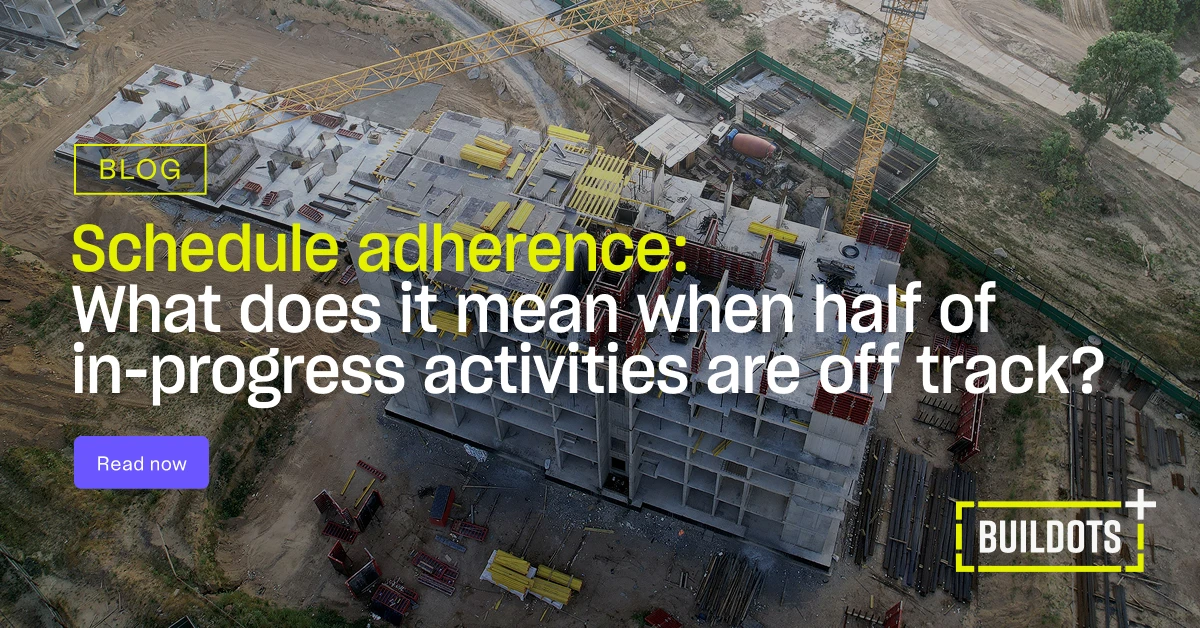
Schedule adherence: When 50% construction activities are off track
New benchmarks from 200+ construction projects reveal average schedule adherence rates across sectors and regions.
Digital Construction Week | Innovation in the built environment
The UK’s leading event for innovation and technology in the built environment. Explore the latest developments in digital construction.
Engineering management after the cost of code collapsed
I have been a director of engineering for a bit over three years now, and I still hear and read what I call the "old rules" repeated over and over: a director should not spend time coding, good work takes time, protect the team from the business, get consensus before

How buildings learn : what happens after they're built
Originally published: New York, NY : Viking, 1994; Includes bibliographical references (p. 224-229) and index; Flow -- Shearing layers -- "Nobody cares what you do in there": the low road --- Houseproud: the high road -- Magazine architecture: no road -- Unreal estate -- Preservation: a quiet, populist, conservative, victorious revolution -- The romance of maintenance -- Vernacular: how buildings learn from each other -- Function melts form: satisficing home and office -- The scenario-buffered building -- Built for change -- Appendix: The study of buildings in time

Single Stair Reform Bills are nearing a vote! Vote Yes on HB 5570 and 5571!
Single-Stair legislation would be a powerful reform to our outdated building code!

W Social and the ancient art of neighbourliness - We Can Just Do Things
Good behaviour matters more than good code
W Social and the ancient art of neighbourliness - We Can Just Do Things
Good behaviour matters more than good code
Local Env as Code: Is it possible yet
Guest post by Jan Van Bruggen, Developer Relations Lead at itopia In the past decade, we’ve seen the rise, standardization and meme-ification of “as code”: Infrastructure as Code, Monitoring as Code…