On fractals of compute and on-device intelligence
The Future of Meta Superintelligence: A 1 Year Progress Update
A top tier RL environment startup spawns out of thin air, the most aggressive compute ramp we've ever seen, 2000km+ scale-across, and some advice for Google DeepMind
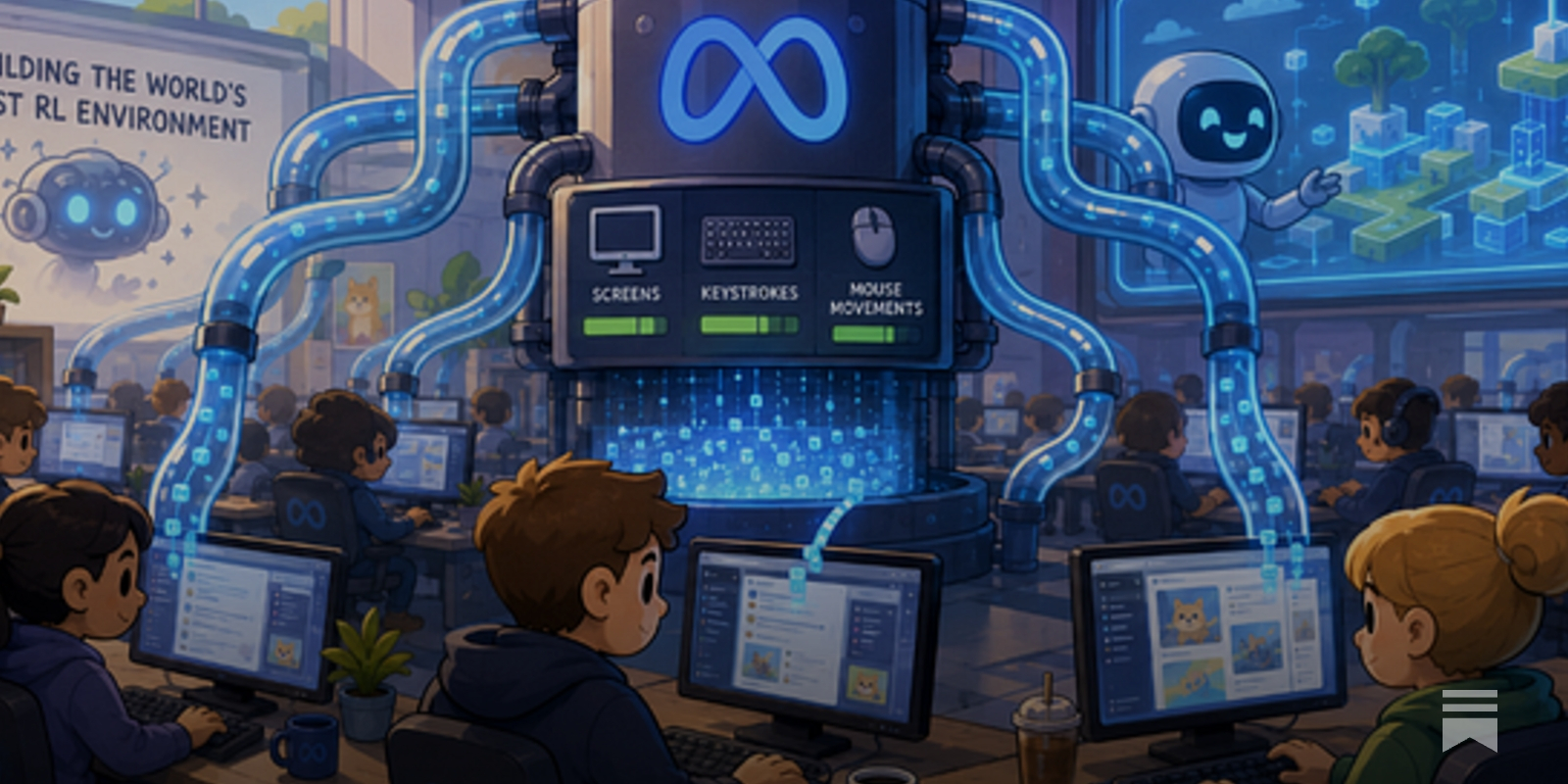
Minions: A Dynamic and Distributed Virtual GPU Cloud Built on Idle Apple Silicon Devices
The increasing demand for GPU-accelerated machine learning inference has exposed limitations in centralized GPU infrastructures, including…
Escher Circuits: Using Vision to Perform Computation
esolangs, esoplatforms, esosystems, and all that break from the norms of computing

Part 4: Brief history of Apple ML Stack
By Mirai Labs, frontier on-device AI lab. Building the models, inference runtime, and quantization stack from the device constraint up.

Introducing Pipette: A benchmarking suite for on-device intelligence — Blog
Meet Pipette, an open-source platform for reproducible on-device AI benchmarks across models, quantization, runtimes and hardware.
Together AI | The AI Native Cloud
Build what's next on the AI Native Cloud. Full-stack AI platform for inference, fine-tuning, and GPU clusters — powered by cutting-edge research.

Silicon Foraging: Harvesting Excess Compute for Sustainable Edge Computing
On-device intelligence for every product
We're building a frontier lab for on-device AI. Small, specialized models for audio, vision, and text, faster than the cloud and free.

Import AI 470: No rights for machines; automating environment generation with SPADE; and building better GPU kernels with Hawkeye
Differential acceleration of cyber, math, and AI

Resonant Computing Theses
Theses on Resonant Computing Resonant computing is not a dogmatic or rigid paradigm, but a vision for the future of digital technology that we’re collectively defining in real time. The theses on this page are an ongoing experiment in collective intelligence, where anyone who builds or uses techn...

Defining the Dimensions of the “Space” of Computing
The first computing machines were so large they filled entire rooms. Today they are ubiquitous, built invisibly into our environments. While it's tempting to view this change within a predetermined space of progress, we can still shape the future on our own terms.

Rabrg/artificial-life
A simple (300 lines of code) reproduction of Computational Life: How Well-formed, Self-replicating Programs Emerge from Simple Interaction
zach lieberman on Twitter / X
Today I was able to weave a line from Myron Krueger in a talk I gave : Computation is the medium of our lifetimes - it’s not just a technical medium but a cultural medium as well. We should explore the culture of computation.— zach lieberman (@zachlieberman) April 10, 2024
Import AI 464: Fables writes GPU kernels; AI automation; and analog computation
Is this the beginning of a new world?

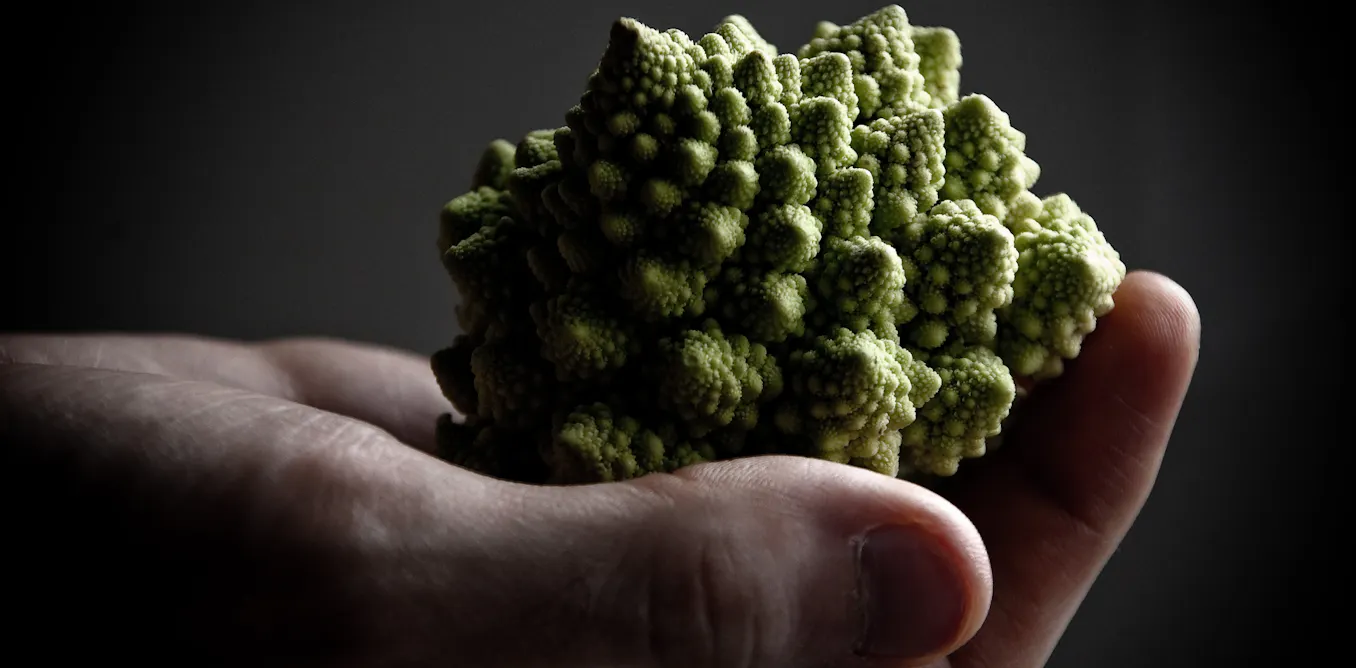
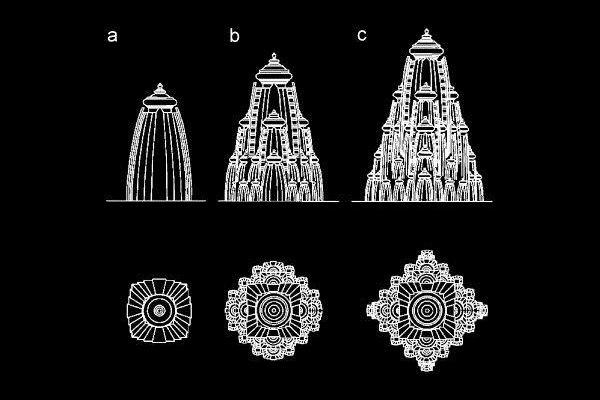
Emergence: the remarkable simplicity of complexity
From the fractal patterns of snowflakes to cellular lifeforms, our universe is full of complex phenomena – but how does this complexity arise? “Emergence” describes the ability of individual components…