

On July 8, Anthropic's updated privacy policy takes effect. Users flagged for potential policy violations will be required to upload a government ID, a selfie or video, and a face geometry template — biometric data processed through Persona, a third-party identity verification company backed by Founders Fund.
Privacy Policy
Anthropic is an AI safety and research company that's working to build reliable, interpretable, and steerable AI systems.

Updates to Consumer Terms and Privacy Policy
Anthropic is an AI safety and research company that's working to build reliable, interpretable, and steerable AI systems.
Privacy.com uses identity verification service Persona, which will keep biometric information for "up to" 3 years
I think it’s time to stop recommending it

Anthropic Data Fears Prompt Nvidia, Palantir and Booz Allen to Restrict Model Use
As paranoia rises over whether Anthropic or OpenAI could learn from their customers’ intellectual property, large firms involved in sensitive corporate work, such as Palantir Technologies, Nvidia and Booz Allen Hamilton, have started demanding new guarantees or reducing or eliminating use of the ...

Anthropic says Claude may want to see your ID | TechCrunch
Claude's chatbot may ask to verify your age and identity "in certain circumstances," such as with a passport or driver's license, according to a privacy policy change.

Self-sovereign identity: the future of personal data ownership?
Despite the economic value of online identities, major concerns remain around privacy issues. Could the self-sovereign identity model be the solution?

Persona
Persona runs face and ID checks for Reddit, Roblox, ChatGPT, LinkedIn and Claude, can keep ID scans up to 3 years, and was sued under Illinois biometric law.

Exposed Persona Frontend Reveals Extensive Biometric Surveillance Stack Behind Age Verification - ID Tech
Security researchers investigating Discord’s age-verification implementation have discovered a publicly exposed frontend belonging to Persona Identities, Inc., revealing that the identity-verification vendor’s platform performs far more extensive checks than users […]

revoking my endorsement of privacy.com
🌸 ellie 🌸 on Twitter / X
One benefit of a “proof of fidelity” system where you aren’t trying to solve for such a narrow question of “is this a human”, is that you don’t need to rely on means of validation that can be biased or inaccessible for many actual humans, such as gov IDs or irl events.2/x— 🌸 ellie 🌸 (@heyellieday) July 29, 2021
IACIS 2026 - OpenConf Abstract Submission, Peer Review, and Event Management System
As lawmakers across the United States move to require age verification for access to adult content online, new questions are emerging about the unintended risks these laws create. While intended to protect minors, many of these policies rely on systems that collect and store overly sensitive personal information such as government-issued IDs or biometric data without adequate safeguards. This introduces serious cybersecurity vulnerabilities, privacy concerns, and potential legal liability for platforms and users alike. Some major platforms have already withdrawn from certain states rather than comply, raising questions about the real-world feasibility of these laws. This study examines the intersection of digital privacy, cybersecurity, and legal compliance in the context of mandatory age verification. It analyzes the risks posed by identity-based and biometric systems, the role of third-party vendors, and the inconsistencies in how states define and enforce these requirements. The paper evaluates several age verification models and concludes that attribute-based verification systems that confirm age eligibility without revealing full identities offers the most secure and privacy-conscious path forward. The findings underscore a critical need for better-designed legislation that balances child protection with digital rights and security. This research provides targeted recommendations for policymakers, platform operators, and cybersecurity professionals, urging a shift toward transparent, accountable, and technically sound solutions before flawed systems become entrenched.
Digital identification: The hidden and visible implications
Countries are rolling out digital identification schemes, but citizens are protesting about loss of privacy and misuse of data. They may have a point.

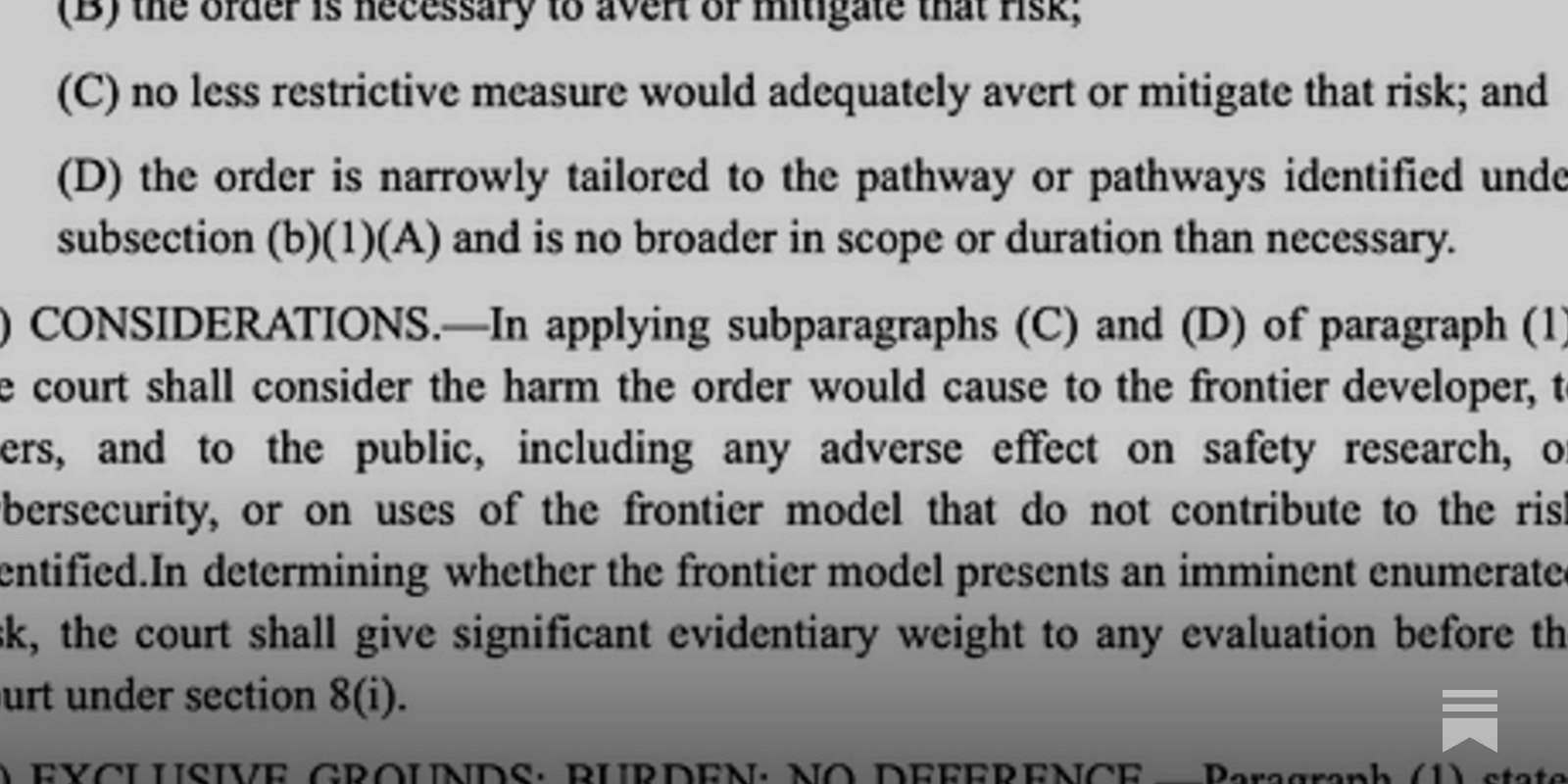
Leaked Anthropic Draft AI Regulatory Bill Is Unacceptable and Troubling
There is a newly leaked bill that Anthropic is purportedly shopping around is (if you assume its bugs get fixed).
Real-Name Policies: The War Against Pseudonymity
Real-name policies have existed for over a decade, but these problems have become exponentially harmful in today's world. It's time to fight back against this unsafe and discriminatory privacy-invasive practice.

In a new privacy policy, Anthropic says Claude will soon require you to upload your driver's license or passport for a variety of reasons. The ID checker is Persona, a firm funded by Trump ally Peter Thiel. As a U.S. company, Persona is also subject to gov't demands for people's verification data. 👀

Anthropic says Claude may want to see your ID | TechCrunch
techcrunch.comPrivacy company called privacy.com uses Persona for identity verification You can't make this shit up

Privacy.com Virtual Cards – Secure, Temporary Cards
privacy.com
