A video showing a white woman in blackface lip-syncing to “A Thousand Miles” by Vanessa Carlton is getting a barrage of backlash online, with many calling
“It was identical. Same room, same guitar, same movements. It was literally my video… except I’d been replaced”: Guitarists are having their videos stolen, replaced by AI and used to scam people out of money – and nobody is doing anything to stop it
Influential players including Sophie Burrell and Sophie Lloyd have had their work manipulated by bad actors in order to defraud guitar fans. They detail their struggles to get the fake footage taken down, and explain why female guitarists are disproportionately targeted

Unpacking the Racism of Digital Blackface in the Information Age
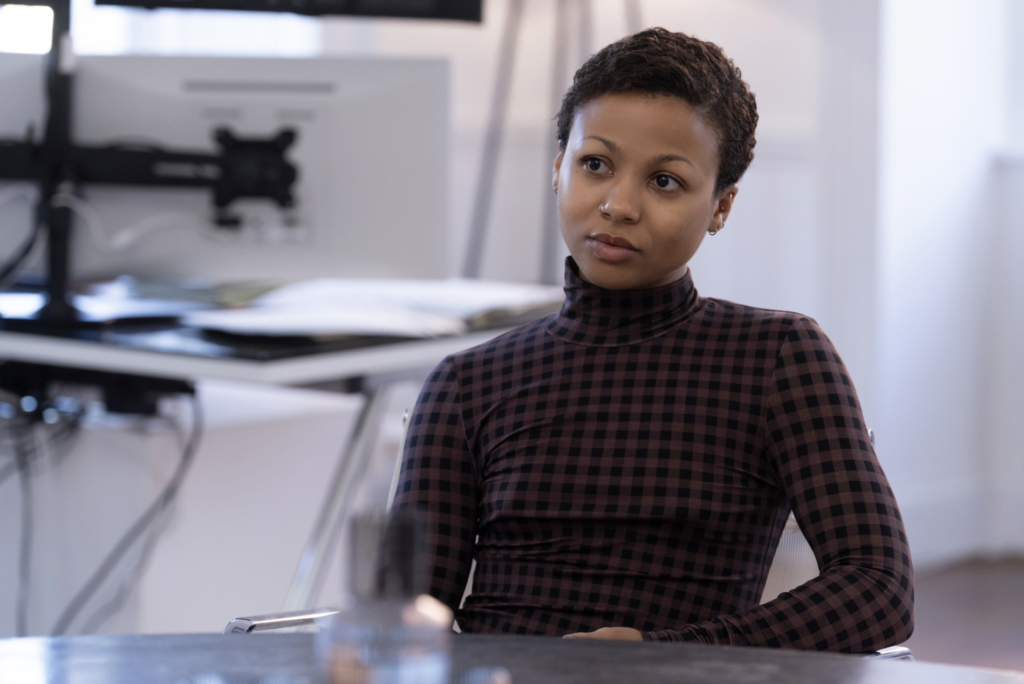
What do we want from Black women on screen?
From Teyana Taylor’s Oscar-nominated turn in One Battle After Another to Industry’s ruthless Harper Stern, Black women are taking on some of the most morally complex roles on screen. But what does “good” representation really mean and must it always be aspirational? Michaela Makusha investigates.
Opinion | Why the ‘Sister’ sketch on ‘Saturday Night Live’ struck a nerve
The commercial parody hits on a fundamental reality: Women are the closest thing the U.S. has to a social safety net.

Digital blackface
Digital blackface is a term used to describe the phenomenon of non-Black individuals using digital media, such as GIFs, memes, or audio clips featuring Black individuals, to express emotions or convey ideas. This behavior has sparked debate and criticism due to concerns about cultural appropriation and the perpetuation of stereotypes. Digital blackface has been described as "one of the most insidious forms of contemporary racism"[1] and has been compared to historical minstrelsy by Black individuals and social justice advocates.
The Problem with #MeToo and Viral Outrage | Backchannel
Viral outrage is great for Facebook—and that should give us pause.

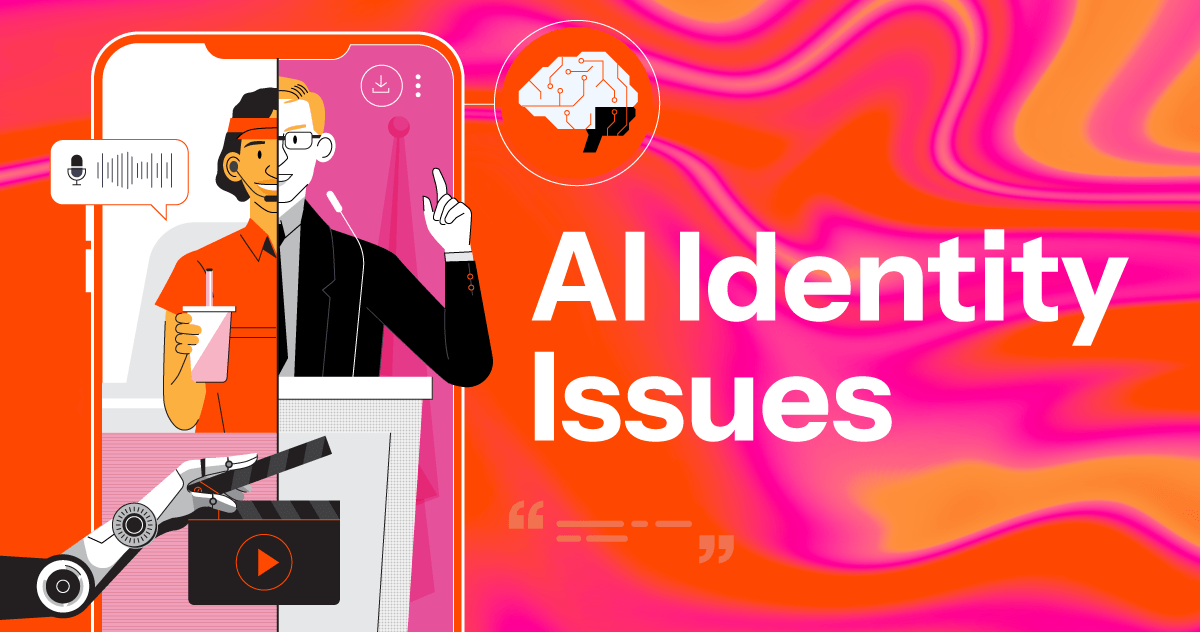
AI Diversity Report: Race and Gender Bias in AI-Generated Videos
AI videos are now mainstream. But do the tools that generate them replicate society’s race and gender biases?
VSCO girls and how teen culture goes viral
It’s a case study in how teen culture goes viral.

TikTok and the Evolution of Digital Blackface
On the app, users drape themselves in the trappings of Black culture—and steal the viral spotlight. It’s exploitation at its most refined and disturbing.

TikTok’s Digital Blackface Problem
Under the hashtags #Ghetto and #CripWalkChallenge, white teens appropriate Black culture

How Taylor Swift showed us the scary future of facial recognition
Surveillance at concerts is just the beginning, as fears grow around an unregulated, billion-dollar industry
Angela Rye warns Black communities are being manipulated by online disinformation
Angela Rye warns that online disinformation exploits racial tensions and personal trauma, further dividing Black communities.

Everyone Watches, Nobody Sees: How Black Women Disrupt Surveillance Theory
Our picture of surveillance needs to factor in not just tech developments, but the cultural standards that have bred surveillance, especially towards black culture, as part and parcel in our world.

The Feed Is Fake
That “viral” song, movie, influencer, and celebrity drama you scrolled by recently was likely the result of a stealth marketing campaign.
Facial recognition service becomes a weapon against Russian porn actresses
FindFace" was created to find friends, but some are using it to harass women.

Investigating YouTube’s Ideological “Rabbit Hole” – The Markup
A conversation with Megan Brown