


On June 23, the U.S. District Court for the Northern District of California issued a summary judgment order in Bartz v. Anthropic—one of the first major lawsuits brought by authors against an AI company for using unlicensed books to train […]
Anthropic sued by authors over alleged misuse of copyrighted works for AI training
The complaint alleges that Anthropic used pirated versions of books by hundreds of thousands of authors to develop its AI models without proper authorization or compensation.

Court Grants Final Approval of $1.5 Billion Anthropic Copyright Settlement
On July 20, 2026, Judge Araceli Martínez-Olguín of the U.S. District Court for the Northern District of California granted final approval of the landmark $1.5 billion class action settlement in Bartz v. Anthropic and entered final judgment in the case. […]
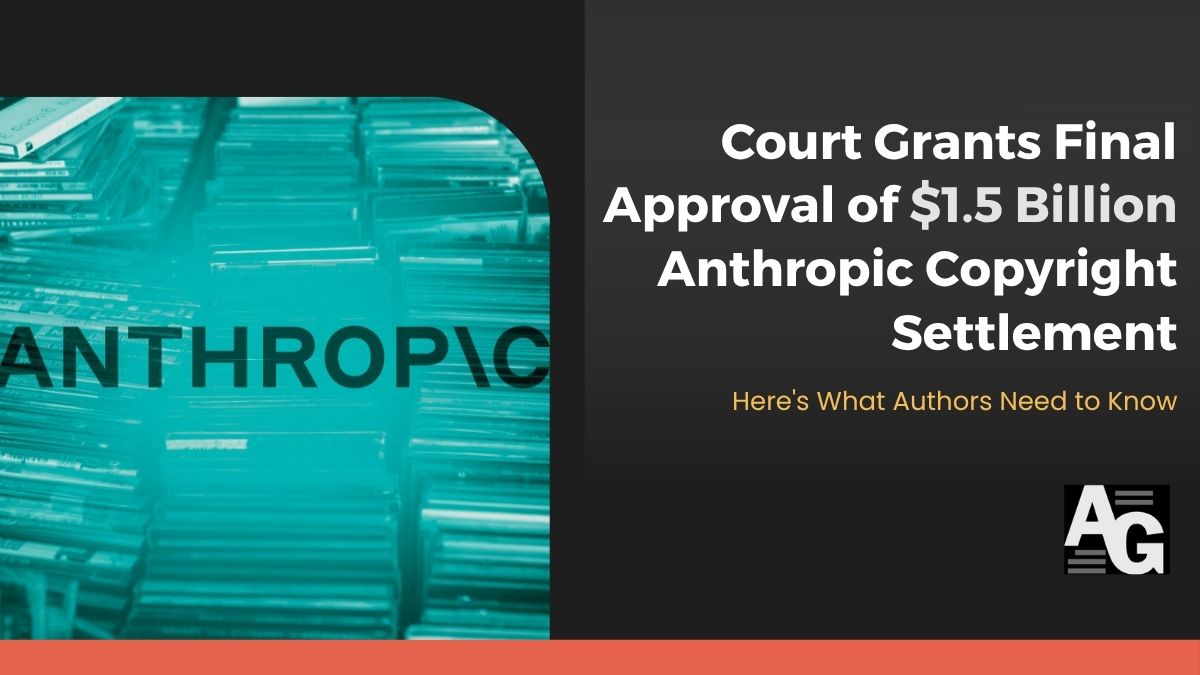
Judge approves a $1.5B Anthropic settlement over pirated books used to train the Claude chatbot
A federal judge has approved a $1.5 billion copyright settlement involving AI company Anthropic. The company will pay thousands of authors about $3,000 per book for using pirated copies to train its Claude chatbot.
Lawyer Caught Using AI While Explaining to Court Why He Used AI
The attorney not only submitted AI-generated fake citations in a brief for his clients, but also included “multiple new AI-hallucinated citations and quotations” in the process of opposing a motion for sanctions.
Lawsuit says Anthropic, OpenAI, Google and SpaceXAI of illegal agreement to slow AI
Anthropic CEO acknowledged potential antitrust hurdles, writing that it would assist if the US government were to mediate ‘or at least enable’ cross-lab discussions

Anthropic agrees to work with music publishers to prevent copyright infringement
Anthropic has partly resolved a legal disagreement that saw the AI startup draw the ire of the music industry.
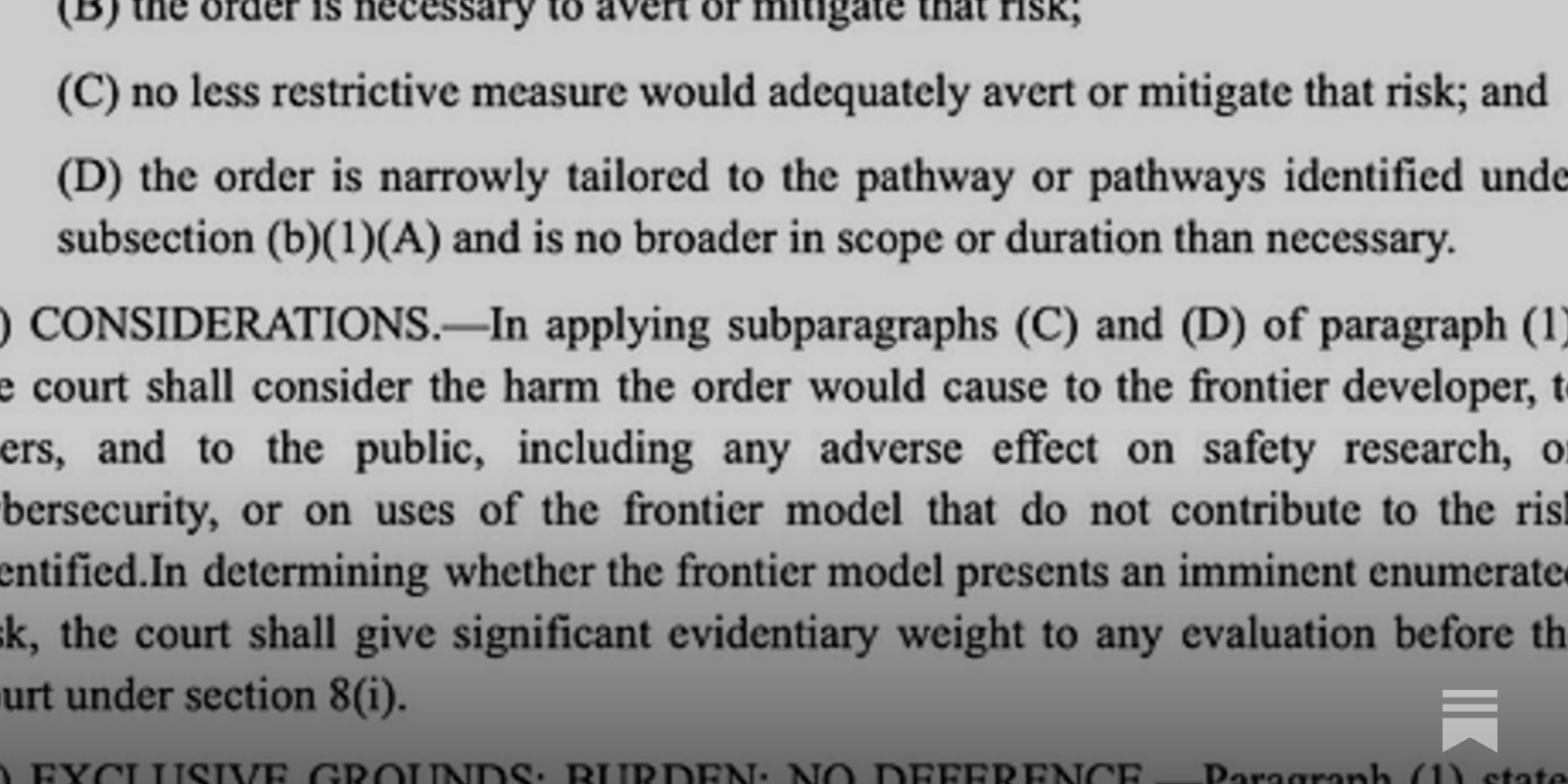
Leaked Anthropic Draft AI Regulatory Bill Is Unacceptable and Troubling
There is a newly leaked bill that Anthropic is purportedly shopping around is (if you assume its bugs get fixed).
Judge Learns Lawyers on Both Sides of Case Used AI, Cancels Trial, Kicks Everyone Off the Case
When two AIs argue against each other, the legal system loses.
Insurance claims to test Altman and Amodei liability for ‘rogue’ AI
Insurers and lawyers weigh the cost of potential massive lawsuits and damages against the leaders of OpenAI and Anthropic

What the Anthropic fight says about AI regulation
Fables of the deconstruction of American power
Landmark German ruling declares Google's AI Overviews are Google's own words and makes it liable for false answers
A German regional court has ruled that Google is directly liable for the content of its AI search overviews. According to the court, previous limited liability protections for search engine operators don't apply to AI overviews. In this case, Google's AI had falsely linked two publishers to fraud and made claims that didn't appear in any of the linked sources. The ruling could set a precedent for AI-generated content liability worldwide.

Automated Justice: Issues, Benefits and Risks in the Use of Artificial Intelligence and Its Algorithms in Access to Justice and Law Enforcement
The use of artificial intelligenceArtificial Intelligence (AI) (AI) in the field of law has generated many hopes. Some have seen it as a way of relieving courts’ congestion, facilitating investigations, and making sentences for certain offences more consistent—and therefore fairer. But while it is true that the work of investigators and judges can be facilitated by these tools, particularly in terms of finding evidenceEvidence during the investigative process, or preparing legal summaries, the panorama of current uses is far from rosy, as it often clashes with the reality of field usage and raises serious questions regarding human rightsHuman rights. This chapter will use the RobodebtRobodebt Case to explore some of the problems with introducing automationAutomation into legal systems with little human oversight. AI—especially if it is poorly designed—has biases in its data and learning pathways which need to be corrected. The infrastructures that carry these tools may fail, introducing novel bias. All these elements are poorly understood by the legal world and can lead to misuse. In this context, there is a need to identify both the users of AIArtificial Intelligence (AI) in the area of law and the uses made of it, as well as a need for transparencyTransparency, the rules and contours of which have yet to be established.
Music giant BMG sues Anthropic over AI training
The company's Claude chatbot was allegedly trained on copyright song lyrics from a variety of artists including the Rolling Stones.

Microsoft Director Privately Admitted AI Was the “Largest Theft of Labor in Human History,” Unsealed Court Documents Show
Newly unredacted court documents reveal damning statements by two AI executives in a landmark case about intellectual property.

AI* and the law/legal filings

Re: fake citations and the like, not laws regulating AI * I’m neither “pro-AI” nor “anti-AI.” I’ve been blocked for being perceived as both. —Actually, I’m honestly more anti-AI than pro-AI thus far, aside from specialized models and specific use cases, but I’m willing to consider information that’s new to me
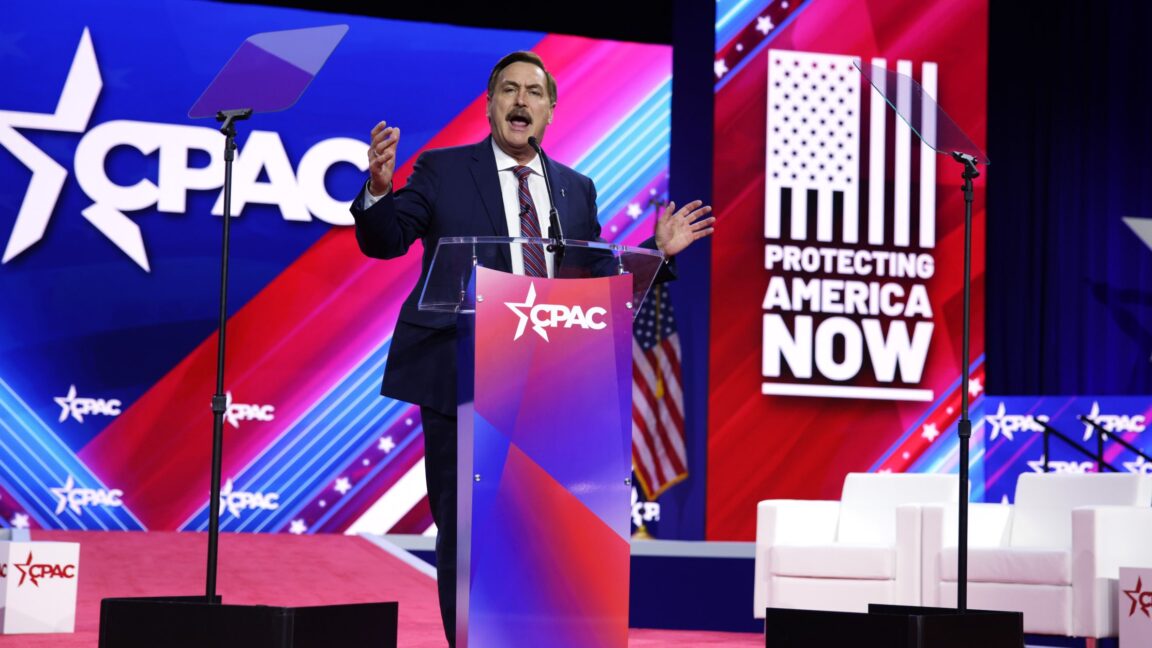
Mike Lindell lost defamation case, and his lawyers were fined for AI hallucinations

Judge slams lawyers for ‘bogus AI-generated research’

AI for Law Firms: What the 8am Legal Industry Report Tells Us About AI Use

Why do lawyers keep using ChatGPT?
www.reuters.com

Lawyer fined $5K over AI-hallucinated witnesses in a murder case