




High Definition, Not Oversensitivity
Welcome: Mapping the Architecture of Autistic Cognition
Most people experience their minds as opaque.
Understanding Without Defectiveness:
Why Autistic Self-Ignorance Is Interference, Not Failure

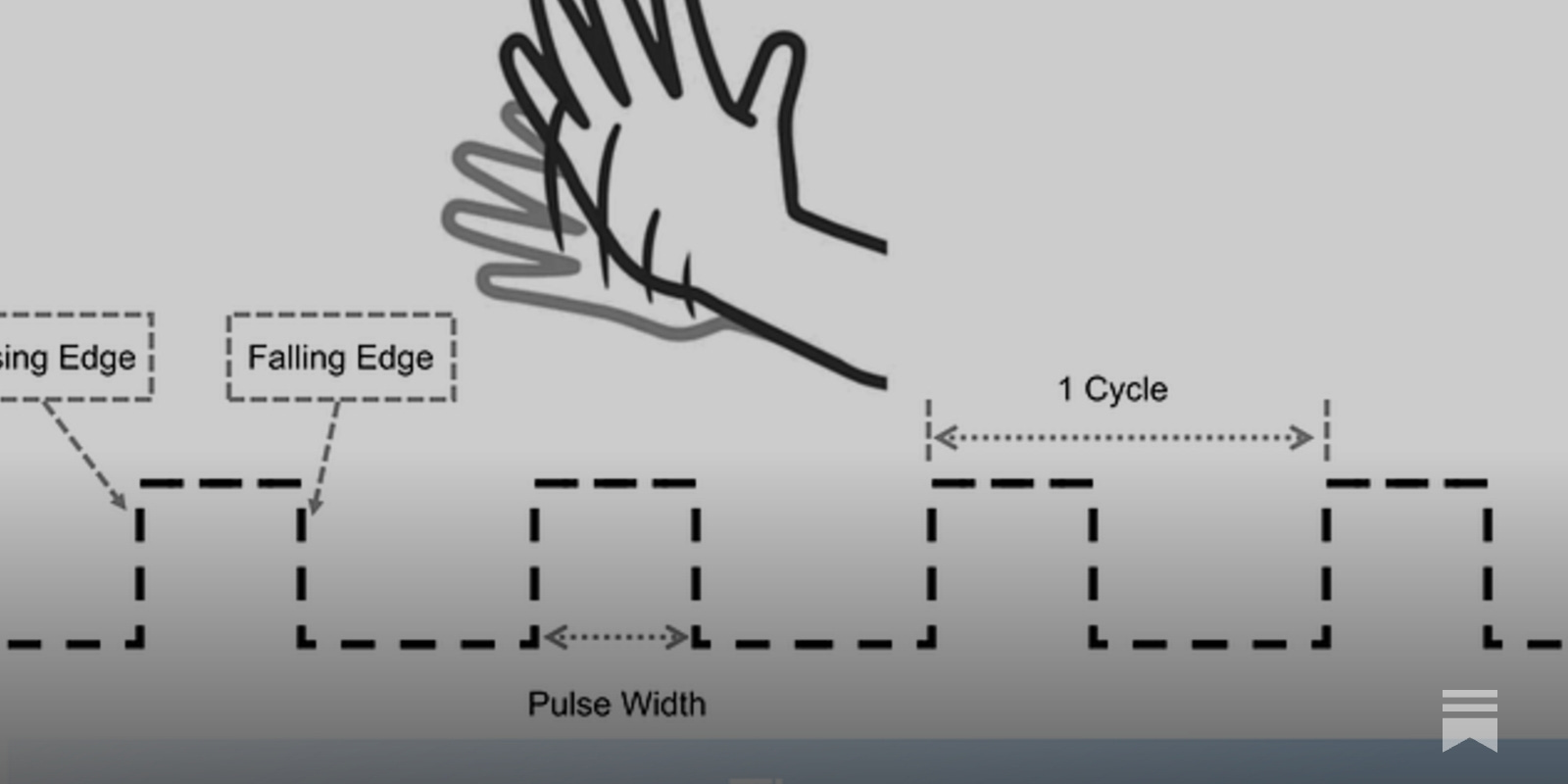
Stimming as High-Precision System:
The Phenomenology of Autistic Self-Regulation and Its Value to Humanity
The Fixed-Coordinate Self-Anchor:
Understanding Autistic Identity as Immovable Observer

Two Realities: Native Modes, Learned Social Systems, and the Foundations of Autistic Cognition
Part 1: The Architecture Overview
Stimming as Temporal Awareness
Why Autistics Aren't Odd, Just More Attuned to the Human System Clock

Efficient Emotional Processing, Not Flat Effect
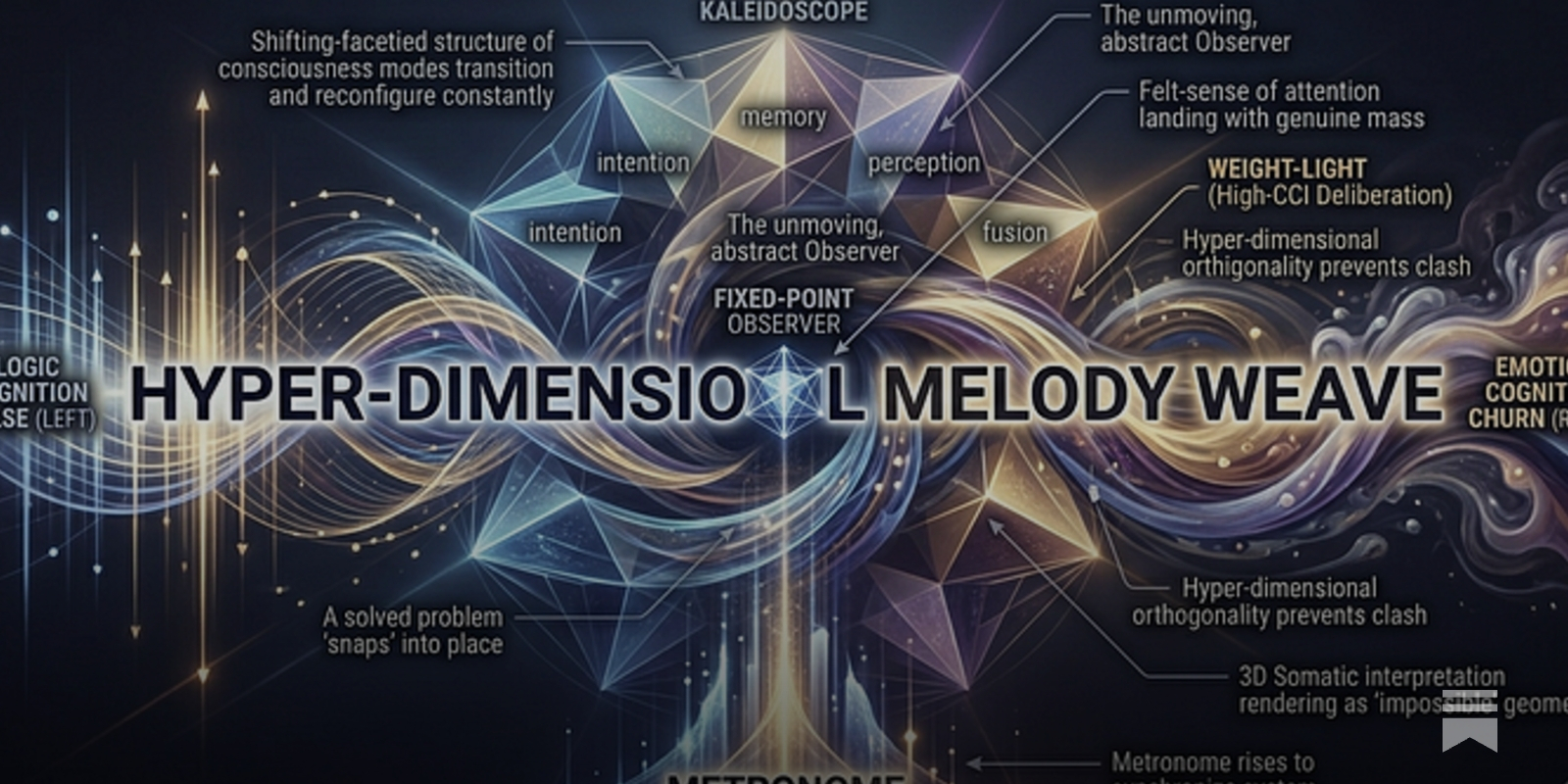
The Autistic Signal Conversion Protocol
Avoiding Ableist Language: Suggestions for Autism Researchers - Kristen Bottema-Beutel, Steven K. Kapp, Jessica Nina Lester, Noah J. Sasson, Brittany N. Hand, 2021
In this commentary, we describe how language used to communicate about autism within much of autism research can reflect and perpetuate ableist ideologies (i.e....

Seeming to belong: Camouflaging and pragmatic self-perception in twice-exceptional adults across neurodivergent profiles
Background and objective Social camouflaging and pragmatic self-perception are key aspects of communication in neurodivergent populations. However, little is known about how these processes manifest in adults with autism, high intellectual ability (HIA), or twice-exceptionality (2e: HIA+autism). This study aimed to examine group-based differences in communicative adaptation and perceived pragmatic competence across these profiles. Materials and methods A total of 109 Spanish-speaking adults participated. Social camouflaging was assessed using the Camouflaging Autistic Traits Questionnaire (CAT-Q), and pragmatic self-perception was measured with the Communicative Competence Profile (CCP). Statistical analyses explored differences across groups and by gender. Results Significant differences emerged in all CAT-Q dimensions. Autistic participants reported the highest levels of camouflaging, followed by the 2e group, while only the compensation subscale distinguished autism from 2e. Regarding pragmatic self-perception, the HIA group scored highest, suggesting stronger communicative confidence, whereas autistic adults scored lowest. The 2e profile consistently occupied an intermediate position, though closer to autism, especially in subtle pragmatic aspects. Gender effects were limited overall but more noticeable within the Autism group. Conclusions Findings reveal distinct patterns of social camouflaging and pragmatic self-perception across neurodivergent profiles. Twice-exceptional adults show intermediate but autism-leaning traits, underscoring the complexity of their communicative adaptation. Results emphasize the need for inclusive frameworks that account for diverse communication styles within neurodivergence. Resumen Antecedentes y objetivo El camuflaje social y la autopercepción pragmática son aspectos clave de la comunicación en poblaciones neurodivergentes. Sin embargo, se sabe poco sobre cómo se manifiestan estos procesos en adultos con autismo, alta capacidad intelectual (HCI) o doble excepcionalidad (2e: HCI+autismo). Este estudio tuvo como objetivo examinar las diferencias entre grupos en la adaptación comunicativa y la competencia pragmática percibida en estos perfiles. Material y métodos Un total de 109 adultos hispanohablantes participaron en el estudio. El camuflaje social se evaluó mediante el Camouflaging Autistic Traits Questionnaire (CAT-Q), y la autopercepción pragmática se midió con el Communicative Competence Profile (CCP). Los análisis estadísticos exploraron diferencias entre grupos y por género. Resultados Se encontraron diferencias significativas en todas las dimensiones del CAT-Q. Los participantes autistas reportaron los niveles más altos de camuflaje, seguidos por el grupo 2e, mientras que solo la subescala de compensación distinguió al autismo del 2e. En cuanto a la autopercepción pragmática, el grupo HCI obtuvo las puntuaciones más altas, lo que sugiere mayor confianza comunicativa, mientras que los adultos autistas puntuaron más bajo. El perfil 2e se situó de manera consistente en una posición intermedia, aunque más cercana al autismo, especialmente en aspectos pragmáticos sutiles. Los efectos de género fueron en general limitados, pero más notables dentro del grupo con autismo. Conclusiones Los hallazgos revelan patrones diferenciados de camuflaje social y autopercepción pragmática en los distintos perfiles neurodivergentes. Los adultos con doble excepcionalidad muestran características intermedias pero con tendencia hacia el autismo, lo que subraya la complejidad de su adaptación comunicativa. Los resultados enfatizan la necesidad de marcos inclusivos que contemplen estilos de comunicación diversos dentro de la neurodivergencia.
Alexithymia Reframed:
Understanding Autistic Emotional Architecture as Overlay, Not Fusion

Is AI on the Spectrum?
Some key traits of generative AI bear a striking similarity to autism spectrum disorder. Why does this matter?

Gender Obliviousness in Autism:
Accuracy Concerns Are Not Identity Concerns
Recognizing and Releasing Internalized Neurotypical Features:
A Guide for Autistic People

“Having All of Your Internal Resources Exhausted Beyond Measure and Being Left with No Clean-Up Crew”: Defining Autistic Burnout
Background: Although autistic adults often discuss experiencing “autistic burnout” and attribute serious negative outcomes to it, the concept is almost completely absent from the academic and clinical literature. Methods: We used a community-based participatory research approach to conduct a thematic analysis of 19 interviews and 19 public Internet sources to understand and characterize autistic burnout. Interview participants were autistic adults who identified as having been professionally diagnosed with an autism spectrum condition. We conducted a thematic analysis, using a hybrid inductive–deductive approach, at semantic and latent levels, through a critical paradigm. We addressed trustworthiness through multiple coders, peer debriefing, and examination of contradictions. Results: Autistic adults described the primary characteristics of autistic burnout as chronic exhaustion, loss of skills, and reduced tolerance to stimulus. They described burnout as happening because of life stressors that added to the cumulative load they experienced, and barriers to support that created an inability to obtain relief from the load. These pressures caused expectations to outweigh abilities resulting in autistic burnout. Autistic adults described negative impacts on their health, capacity for independent living, and quality of life, including suicidal behavior. They also discussed a lack of empathy from neurotypical people and described acceptance and social support, time off/reduced expectations, and doing things in an autistic way/unmasking as associated in their experiences with recovery from autistic burnout. Conclusions: Autistic burnout appears to be a phenomenon distinct from occupational burnout or clinical depression. Better understanding autistic burnout could lead to ways to recognize, relieve, or prevent it, including highlighting the potential dangers of teaching autistic people to mask or camouflage their autistic traits, and including burnout education in suicide prevention programs. These findings highlight the need to reduce discrimination and stigma related to autism and disability. Lay summary Why was this study done? Autistic burnout is talked about a lot by autistic people but has not been formally addressed by researchers. It is an important issue for the autistic community because it is described as leading to distress; loss of work, school, health, and quality of life; and even suicidal behavior. What was the purpose of this study? This study aimed to characterize autistic burnout, understand what it is like, what people think causes it, and what helps people recover from or prevent it. It is a first step in starting to understand autistic burnout well enough to address it. What did the researchers do? Our research group—the Academic Autism Spectrum Partnership in Research and Education—used a community-based participatory research approach with the autistic community in all stages of the study. We analyzed 9 interviews from our study on employment, 10 interviews about autistic burnout, and 19 public Internet sources (five in-depth). We recruited in the United States by publicizing on social media, by word of mouth, and through community connections. When analyzing interviews, we took what people said at face value and in deeper social context, and looked for strong themes across data. What were the results of the study? The primary characteristics of autistic burnout were chronic exhaustion , loss of skills , and reduced tolerance to stimulus . Participants described burnout as happening because of life stressors that added to the cumulative load they experienced, and barriers to support that created an inability to obtain relief from the load. These pressures caused expectations to outweigh abilities resulting in autistic burnout . From this we created a definition: Autistic burnout is a syndrome conceptualized as resulting from chronic life stress and a mismatch of expectations and abilities without adequate supports. It is characterized by pervasive, long-term (typically 3+ months) exhaustion, loss of function, and reduced tolerance to stimulus. Participants described negative impacts on their lives, including health , capacity for independent living , and quality of life , including suicidal behavior. They also discussed a lack of empathy from neurotypical people. People had ideas for recovering from autistic burnout including acceptance and social support , time off/reduced expectations , and doing things in an autistic way/unmasking . How do these findings add to what was already known? We now have data that autistic burnout refers to a clear set of characteristics, and is different from workplace burnout and clinical depression. We have the start of a model for why autistic burnout might happen. We know that people have been able to recover from autistic burnout and have some insights into how. What are the potential weaknesses in the study? This was a small exploratory study with a convenience sample. Although we were able to bring in some diversity by using three data sources, future work would benefit from interviewing a wider range of participants, especially those who are not white, have higher support needs, and have either very high or very low educational attainment. More research is needed to understand how to measure, prevent, and treat autistic burnout. How will these findings help autistic adults now or in the future? These findings validate the experience of autistic adults. Understanding autistic burnout could lead to ways to help relieve it or prevent it. The findings may help therapists and other practitioners recognize autistic burnout, and the potential dangers of teaching autistic people to mask autistic traits. Suicide prevention programs should consider the potential role of burnout. These findings highlight the need to reduce discrimination and stigma around autism and disability.

“Having All of Your Internal Resources Exhausted Beyond Measure and Being Left with No Clean-Up Crew”: Defining Autistic Burnout
Background: Although autistic adults often discuss experiencing “autistic burnout” and attribute serious negative outcomes to it, the concept is almost completely absent from the academic and clinical literature. Methods: We used a community-based participatory research approach to conduct a thematic analysis of 19 interviews and 19 public Internet sources to understand and characterize autistic burnout. Interview participants were autistic adults who identified as having been professionally diagnosed with an autism spectrum condition. We conducted a thematic analysis, using a hybrid inductive–deductive approach, at semantic and latent levels, through a critical paradigm. We addressed trustworthiness through multiple coders, peer debriefing, and examination of contradictions. Results: Autistic adults described the primary characteristics of autistic burnout as chronic exhaustion, loss of skills, and reduced tolerance to stimulus. They described burnout as happening because of life stressors that added to the cumulative load they experienced, and barriers to support that created an inability to obtain relief from the load. These pressures caused expectations to outweigh abilities resulting in autistic burnout. Autistic adults described negative impacts on their health, capacity for independent living, and quality of life, including suicidal behavior. They also discussed a lack of empathy from neurotypical people and described acceptance and social support, time off/reduced expectations, and doing things in an autistic way/unmasking as associated in their experiences with recovery from autistic burnout. Conclusions: Autistic burnout appears to be a phenomenon distinct from occupational burnout or clinical depression. Better understanding autistic burnout could lead to ways to recognize, relieve, or prevent it, including highlighting the potential dangers of teaching autistic people to mask or camouflage their autistic traits, and including burnout education in suicide prevention programs. These findings highlight the need to reduce discrimination and stigma related to autism and disability. Lay summary Why was this study done? Autistic burnout is talked about a lot by autistic people but has not been formally addressed by researchers. It is an important issue for the autistic community because it is described as leading to distress; loss of work, school, health, and quality of life; and even suicidal behavior. What was the purpose of this study? This study aimed to characterize autistic burnout, understand what it is like, what people think causes it, and what helps people recover from or prevent it. It is a first step in starting to understand autistic burnout well enough to address it. What did the researchers do? Our research group—the Academic Autism Spectrum Partnership in Research and Education—used a community-based participatory research approach with the autistic community in all stages of the study. We analyzed 9 interviews from our study on employment, 10 interviews about autistic burnout, and 19 public Internet sources (five in-depth). We recruited in the United States by publicizing on social media, by word of mouth, and through community connections. When analyzing interviews, we took what people said at face value and in deeper social context, and looked for strong themes across data. What were the results of the study? The primary characteristics of autistic burnout were chronic exhaustion , loss of skills , and reduced tolerance to stimulus . Participants described burnout as happening because of life stressors that added to the cumulative load they experienced, and barriers to support that created an inability to obtain relief from the load. These pressures caused expectations to outweigh abilities resulting in autistic burnout . From this we created a definition: Autistic burnout is a syndrome conceptualized as resulting from chronic life stress and a mismatch of expectations and abilities without adequate supports. It is characterized by pervasive, long-term (typically 3+ months) exhaustion, loss of function, and reduced tolerance to stimulus. Participants described negative impacts on their lives, including health , capacity for independent living , and quality of life , including suicidal behavior. They also discussed a lack of empathy from neurotypical people. People had ideas for recovering from autistic burnout including acceptance and social support , time off/reduced expectations , and doing things in an autistic way/unmasking . How do these findings add to what was already known? We now have data that autistic burnout refers to a clear set of characteristics, and is different from workplace burnout and clinical depression. We have the start of a model for why autistic burnout might happen. We know that people have been able to recover from autistic burnout and have some insights into how. What are the potential weaknesses in the study? This was a small exploratory study with a convenience sample. Although we were able to bring in some diversity by using three data sources, future work would benefit from interviewing a wider range of participants, especially those who are not white, have higher support needs, and have either very high or very low educational attainment. More research is needed to understand how to measure, prevent, and treat autistic burnout. How will these findings help autistic adults now or in the future? These findings validate the experience of autistic adults. Understanding autistic burnout could lead to ways to help relieve it or prevent it. The findings may help therapists and other practitioners recognize autistic burnout, and the potential dangers of teaching autistic people to mask autistic traits. Suicide prevention programs should consider the potential role of burnout. These findings highlight the need to reduce discrimination and stigma around autism and disability.
