
The 80/20 Rule: Reframing Consciousness
The FCLA-SFGA Modes: A Comprehensive Architecture of Autistic Cognitive States
Understanding the Six Operational Modes of the Fixed-Coordinate Layered Architecture and Spatial-Field Generative Architecture
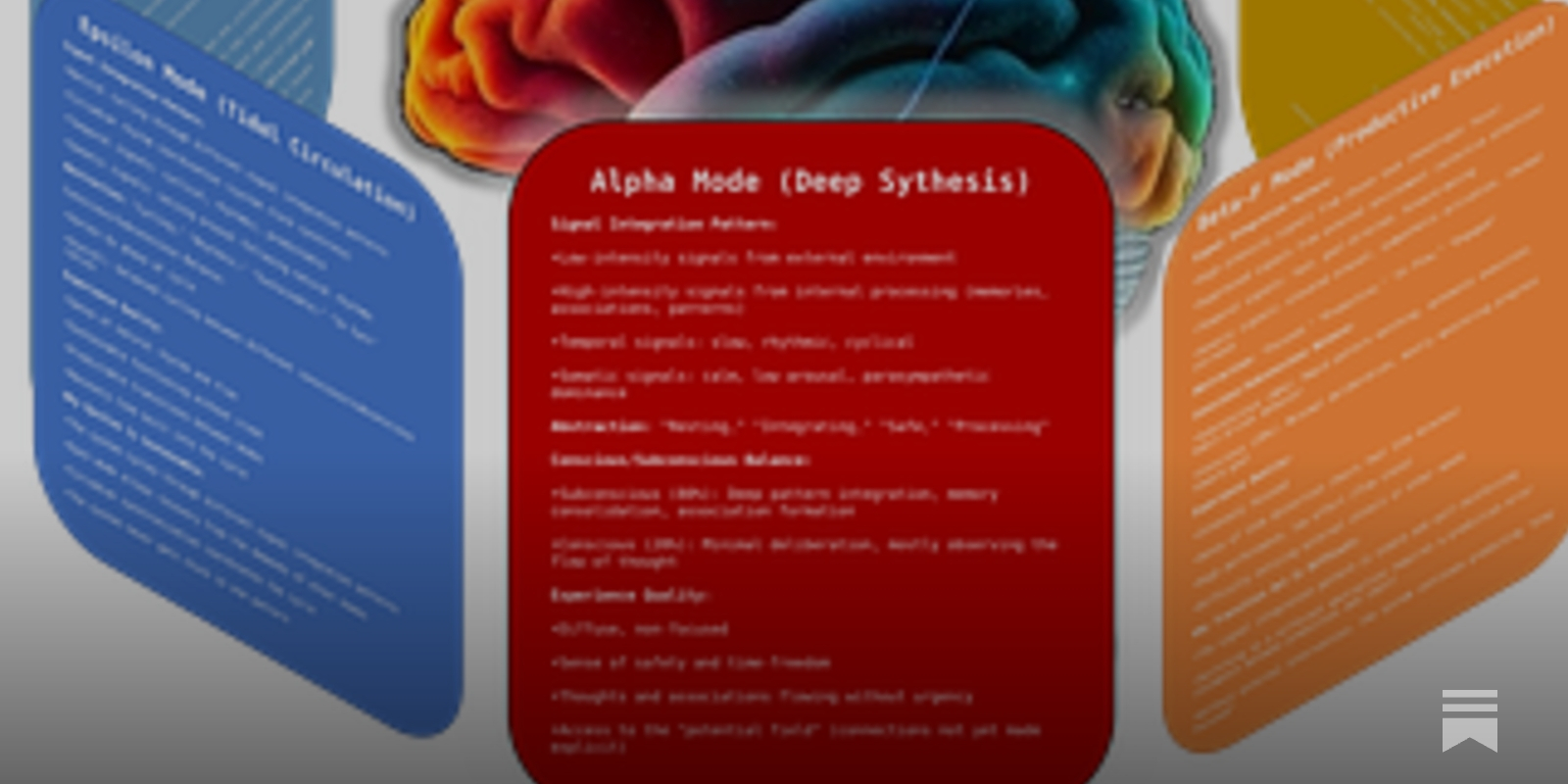
The Signal Conversion Protocol and the Photon Model:
Understanding Emotional Processing Across Cognitive Architectures
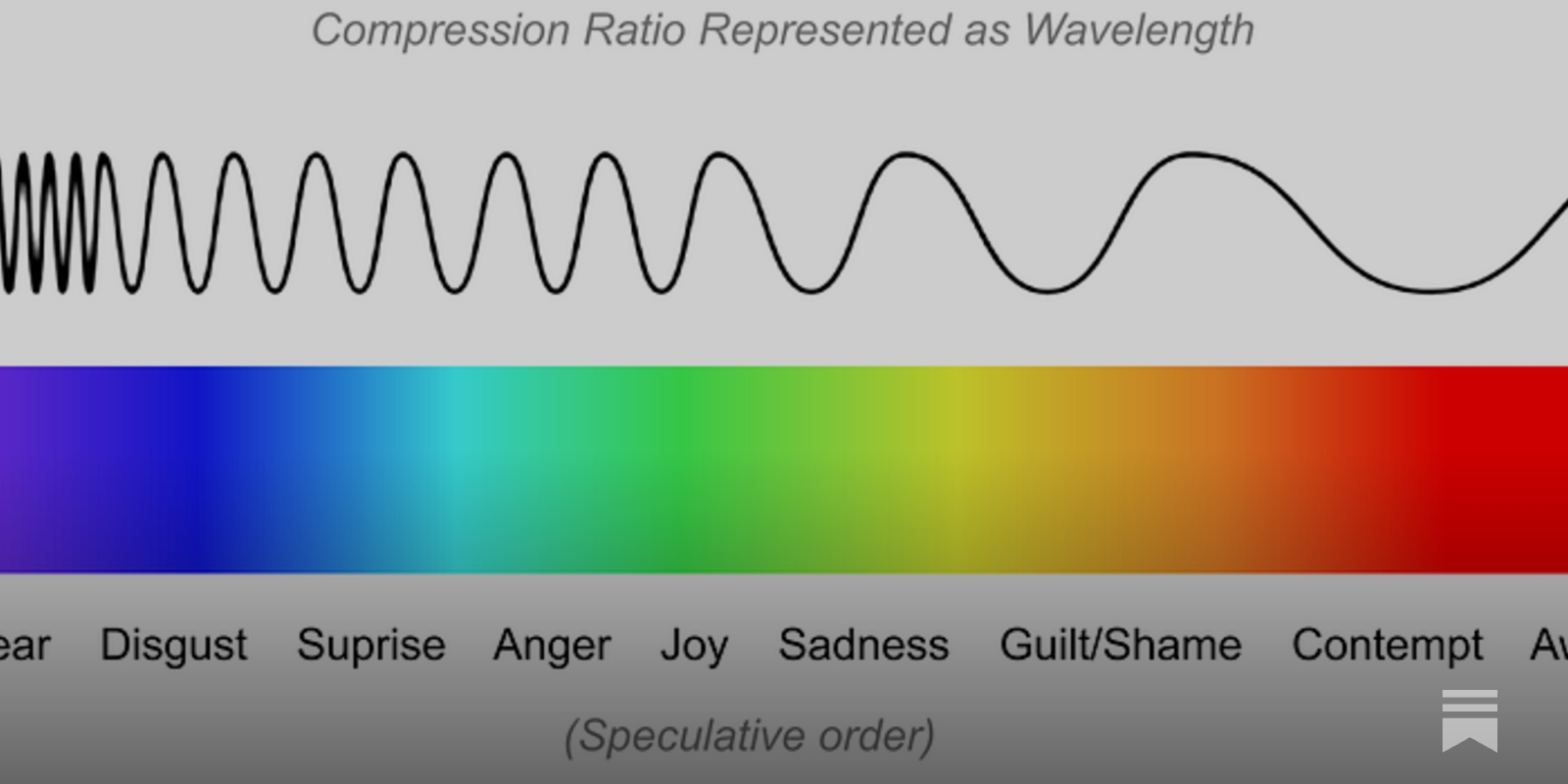
Beyond Deficits:
The FCLA-SFGA Model and a Paradigm Shift in Autism Understanding
The inner screen model of consciousness: applying the free energy principle directly to the study of conscious experience
This paper presents a model of consciousness that follows directly from the free- energy principle (FEP). We first rehearse the classical and quantum formulations of the FEP. In particular, we consider the “inner screen hypothesis” that follows from the quantum information theoretic version of the FEP. We then review applications of the FEP to the known sparse (nested and hierarchical) neuro-anatomy of the brain. We focus on the holographic structure of the brain, and how this structure supports (overt and covert) action.
ABILITY | Restoring Communication Through Brain-Computer Interfaces
ABILITY Neuro - Restoring communication through next-generation brain-computer interfaces
A foundation model of vision, audition, and language for in-silico neuroscience | Research - AI at Meta
Cognitive neuroscience is fragmented into specialized models, each tailored to specific experimental paradigms, hence preventing a unified model of...
Synchron — Still you.
We build implantable Brain-Computer Interfaces to protect what makes you human.

Modeling non-dual awareness via constraint closure: a reinterpretation of groundlessness
Abstract. Non-dual awareness (NDA) refers to a shift in consciousness in which the usual distinction between subject and object dissolves, and experience i

Research Evidence Supporting the FCLA-SGFA Modes Framework
Comprehensive Literature Review: Mapping Autistic Cognitive States to the Six Modes
Constellation
Building foundation models of human state to understand brains, bodies, and environments
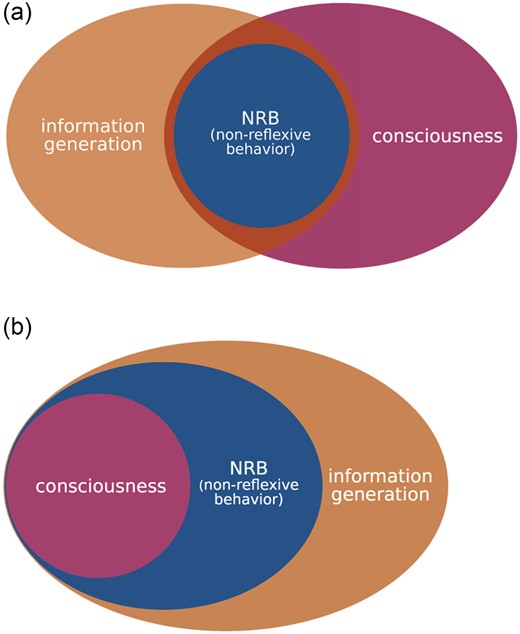
The science of consciousness does not need another theory, it needs a minimal unifying model
Abstract. This article discusses a hypothesis recently put forward by Kanai et al., according to which information generation constitutes a functional basi
Building a Second Brain: The Definitive Introductory Guide
This is an introduction to Building a Second Brain, the proven method to organize your digital life and unlock your creative potential
Alexander Lerchner, The Abstraction Fallacy: Why AI Can Simulate But Not Instantiate Consciousness - PhilPapers
Computational functionalism dominates current debates on AI consciousness. This is the hypothesis that subjective experience emerges entirely from abstract causal topology, regardless of the underlying physical substrate. We argue this view ...


Alexander Lerchner, The Abstraction Fallacy: Why AI Can Simulate But Not Instantiate Consciousness - PhilArchive
Computational functionalism dominates current debates on AI consciousness. This is the hypothesis that subjective experience emerges entirely from abstract causal topology, regardless of the underlying physical substrate. We argue this view ...