
The Essential Role of Rhythmic Self-Modulation
Stimming as High-Precision System:
The Phenomenology of Autistic Self-Regulation and Its Value to Humanity
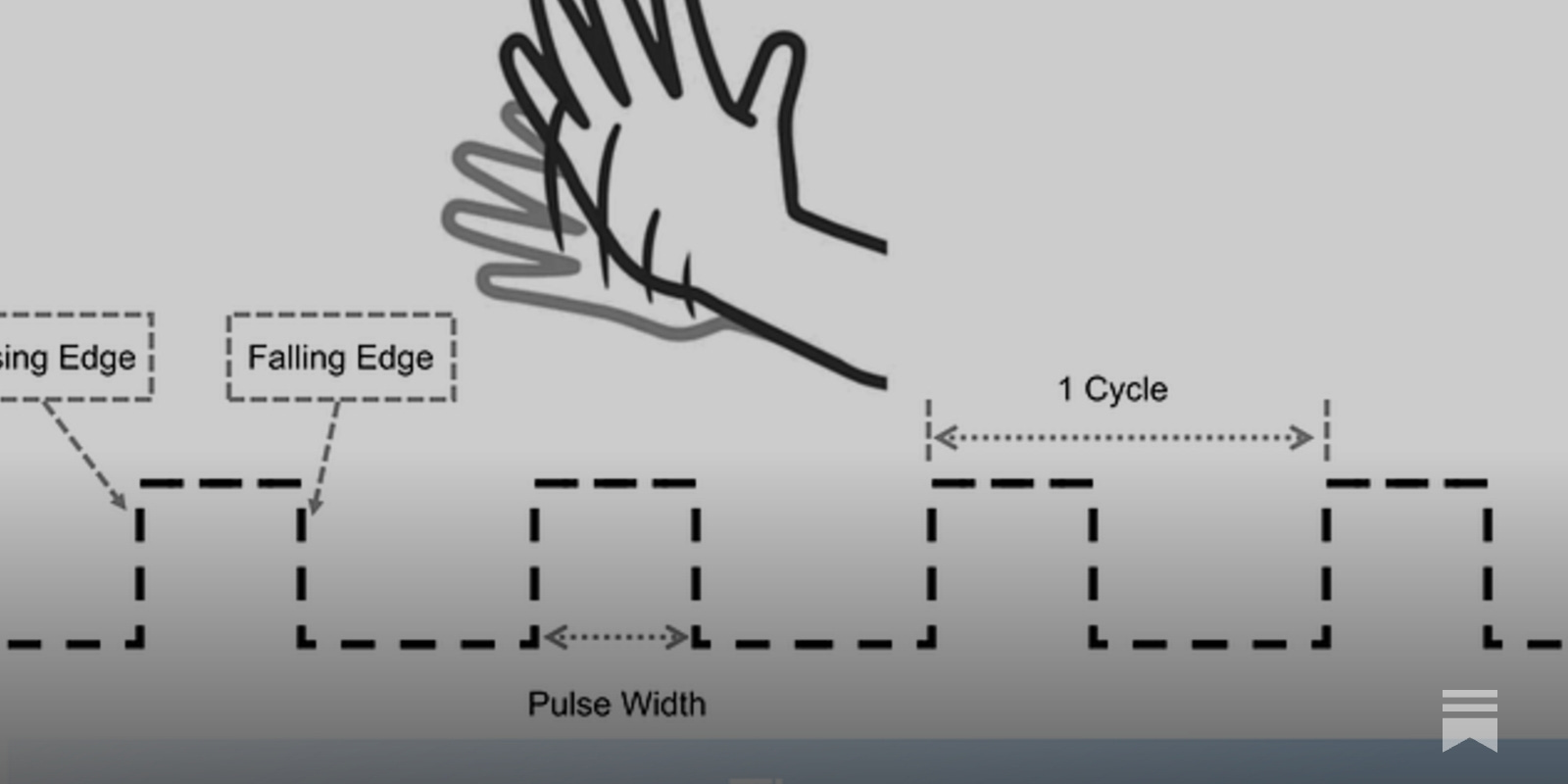
Highlights from "Daily Rituals" by Mason Currey
1. A solid routine fosters a well-worn groove for one’s mental energies and helps stave off the tyranny of moods. 2. “A modern stoic,” he observed, “knows that the surest way to discipline passion...

Functional Synchronization: The Emergence of Coordinated Activity in Human Systems
The topical landscape of psychology is highly compartmentalized, with distinct phenomena explained and investigated with recourse to theories and methods that have little in common. Our aim in this article is to identify a basic set of principles ...

Effects of Stroop task duration on subsequent cognitive and physical performance
The strength model of self-control purports to explain why brief cognitive response inhibition tasks impair subsequent isometric handgrip endurance. A…
Stimming as Temporal Awareness
Why Autistics Aren't Odd, Just More Attuned to the Human System Clock

The Human-in-the-Loop is Tired
On reward functions, dopamine, and what it actually feels like when the code starts writing itself
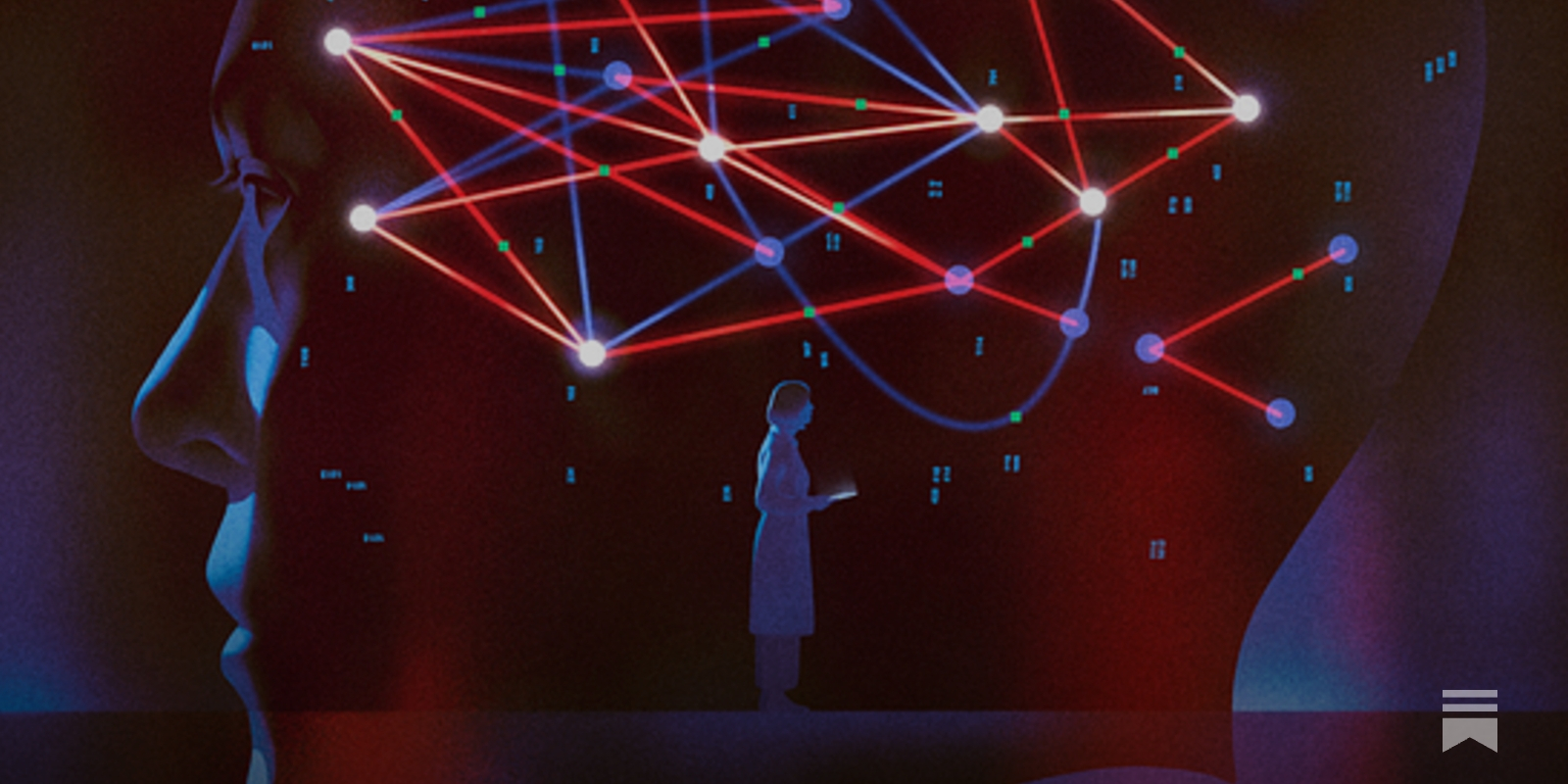
What stress does to the brain - Neuroscience News
A new study sheds light on how the brain changes as a result of chronic stress. Selective noradrenaline release rewires connectivity patterns between different brain regions. Activity in the amygdala and networks that process sensory stimuli increased.

Why Your Brain Needs More Downtime
Research on naps, meditation, nature walks and the habits of exceptional artists and athletes reveals how mental breaks increase productivity, replenish attention, solidify memories and encourage creativity

Self-Distancing: What It Is and How You Can Use It to Make Better Decisions – Effectiviology
It’s hard to set your emotions aside when you’re faced with a difficult decision. This is problematic, since our emotions often cause us to make the wrong decision in important areas of life, including in our relationships, our finances, and our health.
The neuron as a direct data-driven controller | PNAS
In the quest to model neuronal function amid gaps in physiological data, a promising strategy is to develop a normative theory that interprets neur...

Computational Psychiatry Needs Systems Neuroscience
This piece was originally published in The Transmitter. I am adapting it here with some additional context for readers of this newsletter.
Towards Post-Interaction Computing: Addressing Immediacy, (un)Intentionality, Instability and Interaction Effects
We situate the debate on intentionality within the rise of cognitive neuroscience and argue that cognitive neuroscience can explain intentionality. We discuss the explanatory significance of ascribing intentionality to representations. At first, we ...

Emotionale Dysregulation: der Fehler liegt oft im System | Neue Narrative
Wiederkehrende Gefühlsausbrüche belasten alle Beteiligten. Organisationen können Menschen mit emotionaler Dysregulation helfen, indem sie nicht verurteilen, sondern Rückzugsräume und Platz für Emotionen schaffen.
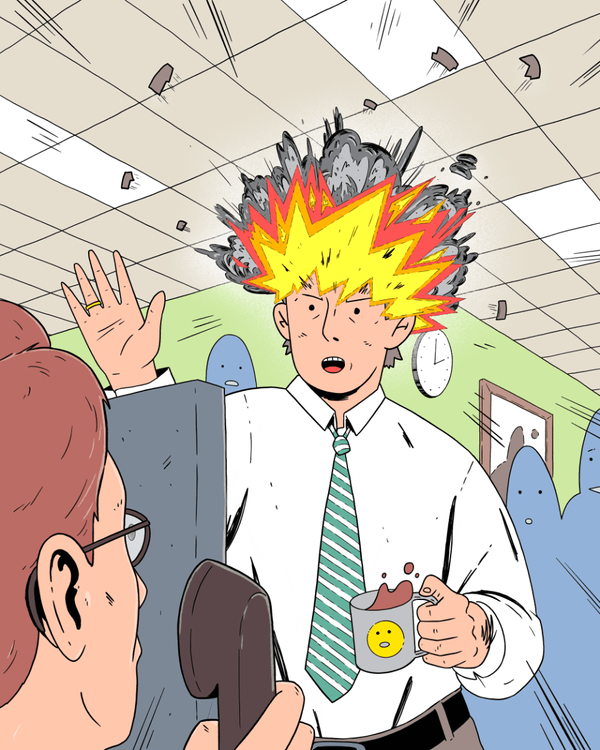
Almost anything you give sustained attention to will begin to loop on itself and bloom
When people talk about the value of paying attention and slowing down, they often make it sound prudish and monk-like. But we shouldn’t forget how interesting and overpoweringly pleasurable sustained attention can be.