

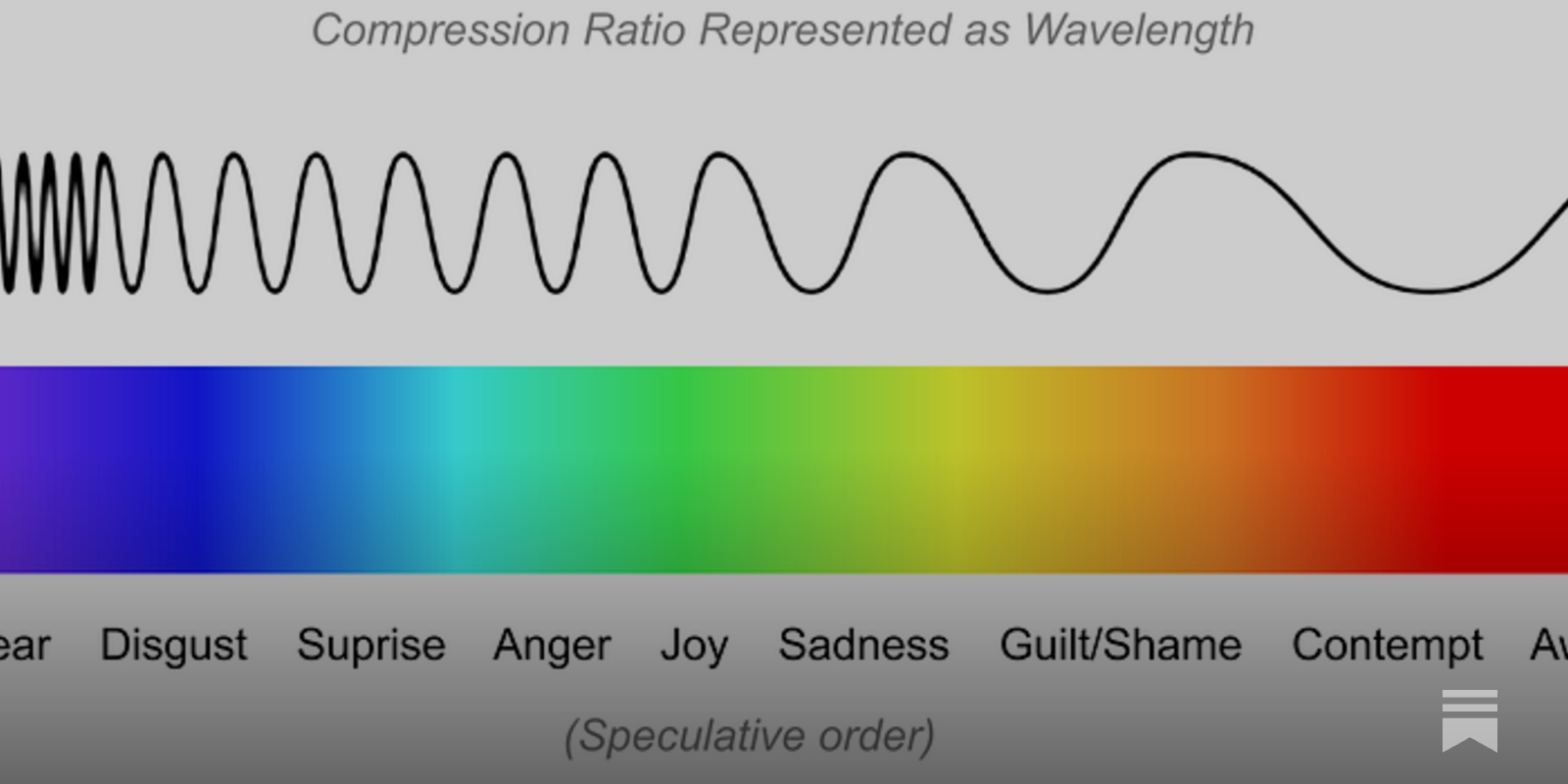
Understanding Emotional Processing Across Cognitive Architectures
Efficient Emotional Processing, Not Flat Effect
The Autistic Signal Conversion Protocol

Experience, Signal Integration, and the FCLA-SFGA Modes: A Bridge Document
The 80/20 Rule: Reframing Consciousness

Measures of emotion: A review
A consensual, componential model of emotions conceptualises them as experiential, physiological, and behavioural responses to personally meaningful stimuli. The present review examines this model in terms of whether different types of emotion-evocative stimuli are associated with discrete and invariant patterns of responding in each response system, how such responses are structured, and if such responses converge across different response systems. Across response systems, the bulk of the available evidence favours the idea that measures of emotional responding reflect dimensions rather than discrete states. In addition, experiential, physiological, and behavioural response systems are associated with unique sources of variance, which in turn limits the magnitude of convergence across measures. Accordingly, the authors suggest that there is no “gold standard” measure of emotional responding. Rather, experiential, physiological, and behavioural measures are all relevant to understanding emotion and cannot be assumed to be interchangeable.

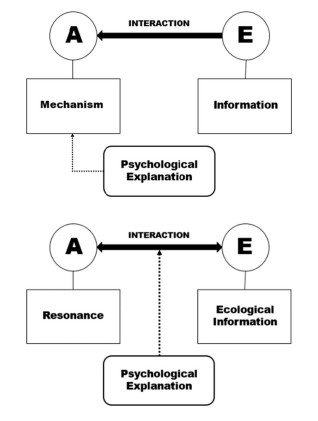
560 – Ecological Cognition II: Resonance
560 What the heck does the brain do in Ecological Dynamics, if it isn’t computing, processing, or representing? An introduction to the concept of Resonance.Download link
A foundation model of vision, audition, and language for in-silico neuroscience | Research - AI at Meta
Cognitive neuroscience is fragmented into specialized models, each tailored to specific experimental paradigms, hence preventing a unified model of...
The Entangled Brain: How Perception, Cognition, and Emotion Are Woven Together
A new vision of the brain as a fully integrated, networked organ.Popular neuroscience accounts often focus on specific mind-brain aspects like addiction, c
Feeling of Computing — Conversations
Biophoton signal transmission and processing in the brain
The transmission and processing of neural information in the nervous system plays a key role in neural functions. It is well accepted that neural communication is mediated by bioelectricity and chemical molecules via the processes called bioelectrical and chemical transmission, respectively. Indeed, the traditional theories seem to give valuable explanations for the basic functions of the nervous system, but difficult to construct general accepted concepts or principles to provide reasonable explanations of higher brain functions and mental activities, such as perception, learning and memory, emotion and consciousness. Therefore, many unanswered questions and debates over the neural encoding and mechanisms of neuronal networks remain. Cell to cell communication by biophotons, also called ultra-weak photon emissions, has been demonstrated in several plants, bacteria and certain animal cells. Recently, both experimental evidence and theoretical speculation have suggested that biophotons may play a potential role in neural signal transmission and processing, contributing to the understanding of the high functions of nervous system. In this paper, we review the relevant experimental findings and discuss the possible underlying mechanisms of biophoton signal transmission and processing in the nervous system.
The Unbearable Slowness of Being: Why do we live at 10 bits/s?
Researchers at Caltech quantify human behavioral information throughput at approximately 10 bits/s across various tasks, highlighting a vast discrepancy with the brain's sensory input capacity,...

Cognitive engineering
Cognitive engineering is an interdisciplinary field that applies principles from cognitive psychology, cognitive neuroscience, and human factors to design and develop engineering systems that effectively support or enhance human cognitive processes.[1][2] The field emerged in the 1980s when Donald Norman and others recognized the need to better understand how humans interact with complex technological systems.[3]
What are Mental Models? — updated 2026
Harness the power of understanding and predicting user behavior with mental models. Simplify systems and enhance decision-making in your designs.

When AIs act emotional
Computational Psychiatry Needs Systems Neuroscience
This piece was originally published in The Transmitter. I am adapting it here with some additional context for readers of this newsletter.

Raf on Twitter / X
Conversations about sentience and emotions in #AI systems always remind me of Lisa Feldman Barrett’s wonderful book “How Emotions are Made”🧵https://t.co/uF2onQHwwz— Raf (@RafMBatista) August 30, 2026
Cognitive Load | Laws of UX
The amount of mental resources needed to understand and interact with an interface.

Conversations about sentience and emotions in #AI systems always remind me of Lisa Feldman Barrett’s wonderful book “How Emotions are Made” 🧵 bookshop.org/p/books/how-emotions-are-made…
