


Around the world, building the internet’s operating system—and a better way to work. In a world of tech companies fighting for growth at any cost, imagine one that gives away its most successful pr…
Competitive Compatibility: Let's Fix the Internet, Not the Tech Giants
Tech's market concentration—summed up brilliantly by Tom Eastman, a New Zealand software developer, as the transformation of the Internet into "a group of five websites, each consisting of screenshots of text from the other four"—has aroused concern from regulators around the world.

We Build On Hope @ PublicSpaces Conference 2026
Keynote by Robin Berjon The current state of tech can feel disheartening. Years of critical analysis and reform efforts have left us with a digital sphere that seems worse than ever. In Europe, our...
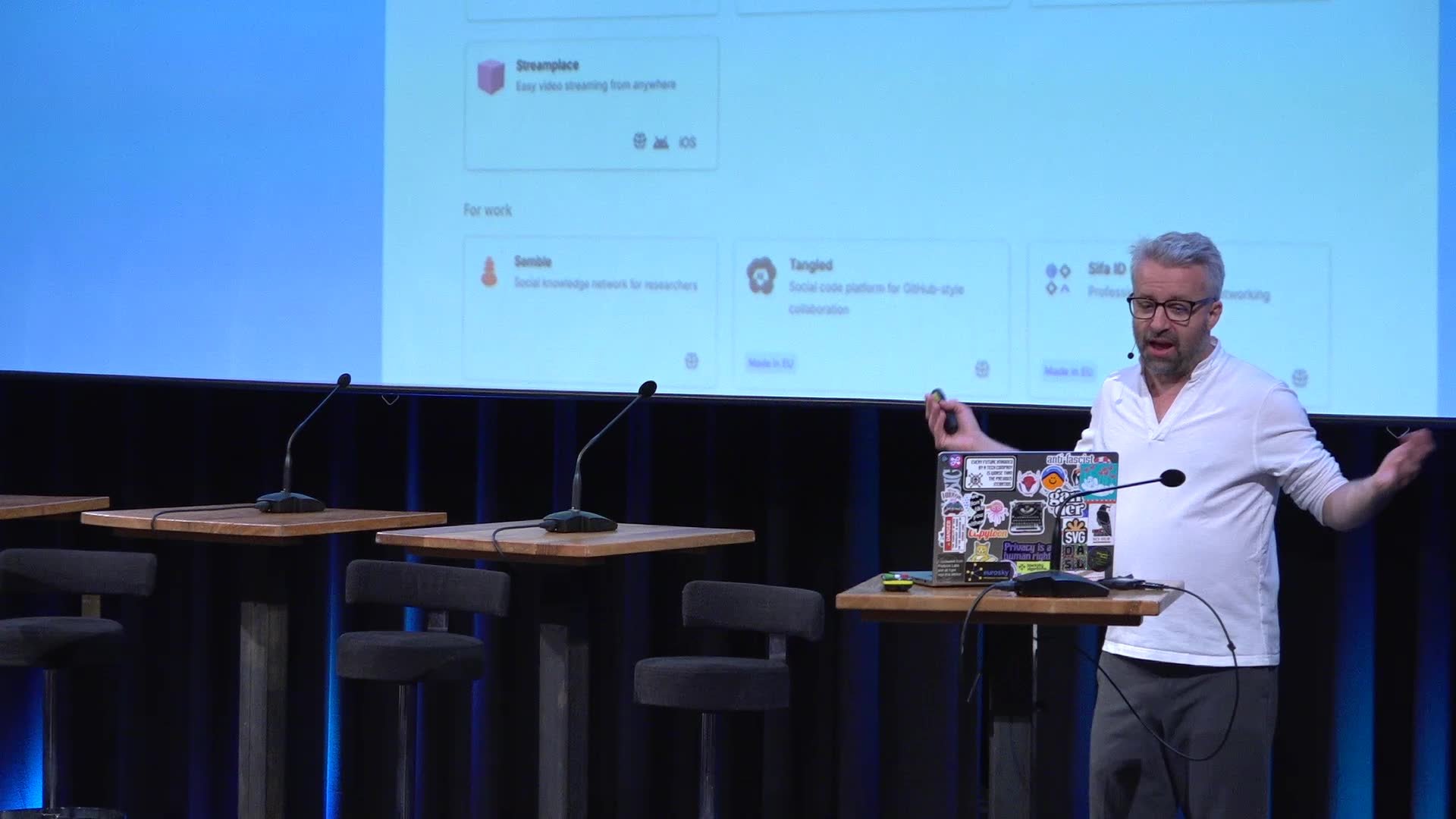
Reclaim the internet: Mozilla’s rebrand for the next era of tech | The Mozilla Blog
Mozilla isn’t just another tech company — we’re a global crew of activists, technologists and builders, all working to keep the internet free, op

The Digital Sublime: Myth, Power, and Cyberspace
Interpreting the myths of the digital age: why we believed in the power of cyberspace to open up a new world.The digital era promises, as did many other te
Come for the tool, stay for the network
programming, philosophy, history, internet, startups
Internet for the People: The Fight for Our Digital Future
"For all the informational convenience the internet offers, it is deeply flawed. How can it be improved? Writer Ben Tarnoff proposes one possibility in this intriguing book, which urges the development of 'a public lane on the information superhighway.' It's worth checking out for yourself." – Seth MacFarlane Why is the internet so broken, and what could ever possibly fix it? In Internet for the People, leading tech writer Ben Tarnoff offers an answer. The internet is broken, he argues, because it is owned by private firms and run for profit. Google annihilates your privacy and Facebook amplifies right-wing propaganda because it is profitable to do so. But the internet wasn't always like this—it had to be remade for the purposes of profit maximization, through a years-long process of privatization that turned a small research network into a powerhouse of global capitalism. Tarnoff tells the story of the privatization that made the modern internet, and which set in motion the crises that consume it today. The solution to those crises is straightforward: deprivatize the internet. Deprivatization aims at creating an internet where people, and not profit, rule. It calls for shrinking the space of the market and diminishing the power of the profit motive. It calls for abolishing the walled gardens of Google, Facebook, and the other giants that dominate our digital lives and developing publicly and cooperatively owned alternatives that encode real democratic control. To build a better internet, we need to change how it is owned and organized. Not with an eye towards making markets work better, but towards making them less dominant. Not in order to create a more competitive or more rule-bound version of privatization, but to overturn it. Otherwise, a small number of executives and investors will continue to make choices on everyone’s behalf, and these choices will remain tightly bound by the demands of the market. It's time to demand an internet by, and for, the people now.
Internet for the People: The Fight for Our Digital Future
"For all the informational convenience the internet offers, it is deeply flawed. How can it be improved? Writer Ben Tarnoff proposes one possibility in this intriguing book, which urges the development of 'a public lane on the information superhighway.' It's worth checking out for yourself." – Seth MacFarlane Why is the internet so broken, and what could ever possibly fix it? In Internet for the People, leading tech writer Ben Tarnoff offers an answer. The internet is broken, he argues, because it is owned by private firms and run for profit. Google annihilates your privacy and Facebook amplifies right-wing propaganda because it is profitable to do so. But the internet wasn't always like this—it had to be remade for the purposes of profit maximization, through a years-long process of privatization that turned a small research network into a powerhouse of global capitalism. Tarnoff tells the story of the privatization that made the modern internet, and which set in motion the crises that consume it today. The solution to those crises is straightforward: deprivatize the internet. Deprivatization aims at creating an internet where people, and not profit, rule. It calls for shrinking the space of the market and diminishing the power of the profit motive. It calls for abolishing the walled gardens of Google, Facebook, and the other giants that dominate our digital lives and developing publicly and cooperatively owned alternatives that encode real democratic control. To build a better internet, we need to change how it is owned and organized. Not with an eye towards making markets work better, but towards making them less dominant. Not in order to create a more competitive or more rule-bound version of privatization, but to overturn it. Otherwise, a small number of executives and investors will continue to make choices on everyone’s behalf, and these choices will remain tightly bound by the demands of the market. It's time to demand an internet by, and for, the people now.
The Internet Is a Net Negative
I'm usually an optimist about things. That outlook has served me well in life. It's helped me build open source projects that millions of people use. It's...

A Declaration of the Independence of Cyberspace
by John Perry Barlow Governments of the Industrial World, you weary giants of flesh and steel, I come from Cyberspace, the new home of Mind. On behalf of the future, I ask you of the past to leave us

The Metric Is Not The Mission: The Finished Internet
The Metric Is Not the Mission is a ten-part examination of how Big Tech moved from building and expanding the open internet to increasingly shaping it around its own metrics, incentives and as…

Kill The Internet IRL in Austin TX
A night of philosophizing in the digital age of chaos and decay. Discussions with three online public philosophers on technology, privacy, and the state of our internet enmeshed civilization.The D...

The Internet Transition
The Internet is allowing us to build a richer, more complex society but the way in which we Internet today is failing to support the governance systems that a more complex world requires. I take a look at why these issues are related, try to develop an intuition for a way forward, and point at the emerging field that is coming together to build that future.

The Internet Is Making You Less Free
Our current age is defined by the internet. The internet—a technology that allows the decentralized, globalized dissemination of information—has become so

Institute of Network Cultures | Ben Grosser: Planning the Exodus from Platform Realism
Thinking about the current state of platforms, I’m reminded of Mark Fisher’s articulation of capitalist realism, the idea that we don’t imagine or build alternatives to capitalism because we can no longer envision a world without it. Big tech, in a few short years, has managed to instill within the public a similar state of platform realism. So many are unable to imagine how global communication, media, search, etc. could ever function without the platforms. Despite a growing malaise, it’s become difficult for many to consider a world without big tech platforms as a viable conception of the future.

A brief 🧵 for all outside the #atproto bubble on why, from a digital industrial policy perspective, this step is deeply bewildering. There's @eurosky.social – open source, non-profit, fully aligned with the EU's open source strategy. It provides all that W has, & more. And yet, the Commission...

European Commission
We have now joined W, a new European social media network. We’re present on 15+ platforms, and are especially happy to join one based in Europe and with the ambition to foster open and safer online conversations. Keep the conversation going - whether from W, Bluesky or other compatible apps.
Technological

Posts about the future of the internet, AI, and anything technological. Hence the name.

Child Predators Turn to Open-Source AI to Make Unlimited Illegal Images

Mac Users Reclaim 12GB+ of Storage With Apple Intelligence Removal Tool
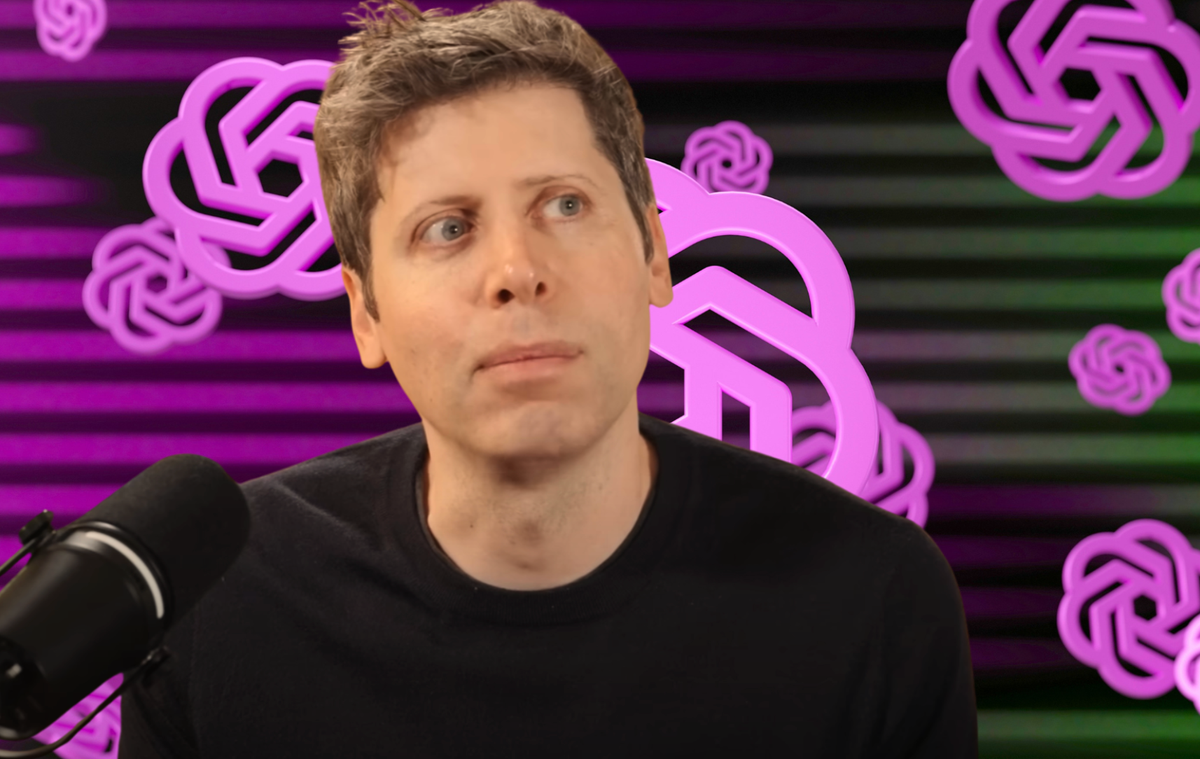
‘Doom Loop’: OpenAI and Microsoft Admits LLMs Are Destroying the Web and Built on Theft

Cory Doctorow: AI’s big beasts aren’t really scared of their products. They’re scared of their competition

How AI Chatbots Are 'Deskilling' Human Empathy
Pluralistic: The Claude Delusion (21 Sep 2026) – Pluralistic: Daily links from Cory Doctorow
