

There have been many calls to break up the large Internet monopolies; Amazon, Google, Facebook, Apple, etc. Breaking up a large monopoly feels like a very 19th/20th century move to me. I would prefer that politicians and policy makers think about opening up as the better intervention. A good way to explain this is to […]
Platform Monopolies - AVC
There’s an article in the NY Times Sunday Business Section today that lays out a very important question we have all been dancing around but will increasingly be dealing with. The article is nominally about Amazon’s fight with Hachette but it is really about internet platforms and monopolies. The author of the NY Times piece […]
Opinion | The Monopolization of America (Published 2018)
In one industry after another, big companies have become more dominant over the past 15 years, new data show.

Facebook and the Cost of Monopoly
Facebook gave one of the worst keynotes in a long time: there was no vision, just the adoption of Snap’s. It’s the inevitable outcome of a monopoly.

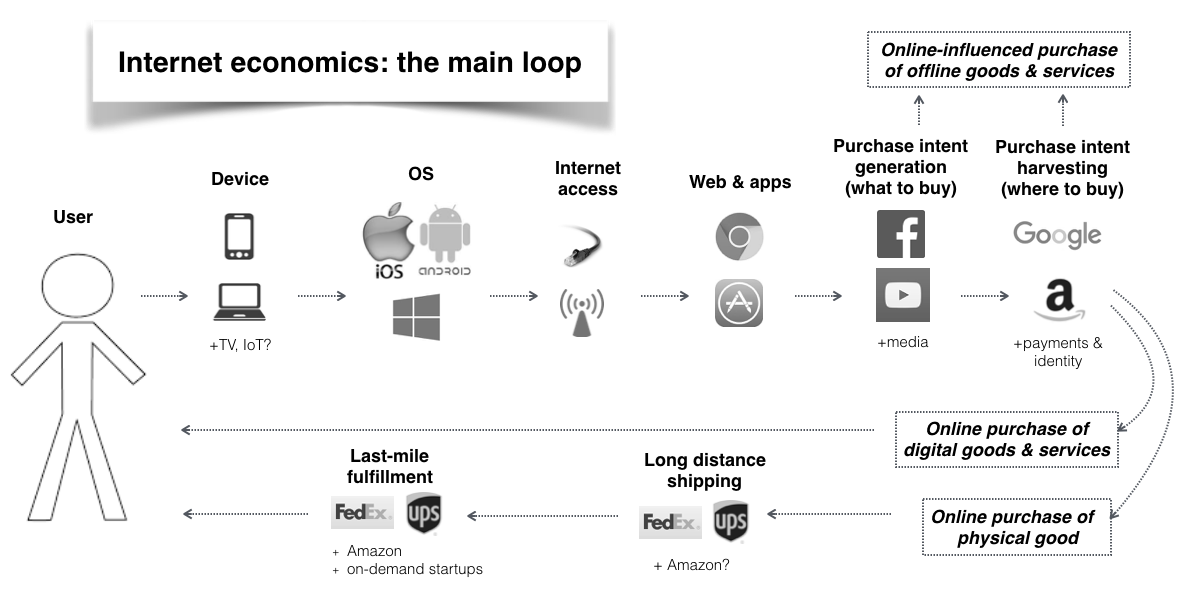
The Internet Economy
We are living in an era of bundling. The big five consumer tech companies — Google, Apple, Facebook, Amazon, and Microsoft — have moved far…
Break Up the Tech Giants? No, Just Level the Field
Facebook, Google and Uber should be held to the same rules as their older rivals.

Google, Facebook, and Amazon benefit from an outdated definition of “monopoly”
A few weeks ago, Italy fined Apple and Samsung €15 million for the “planned obsolescence” of their smartphones. The antitrust regulators allege that both companies pushed users to download software that slowed phone performance, forcing customers to buy replacement phones sooner.

Leave big tech behind! How to replace Amazon, Google, X, Meta, Apple – and more
A handful of companies monopolise the web, with unprecedented access to our data. But there are many more ethical – and often distinctively European – alternatives

The Case for Open Sovereignty in a Fragmenting Internet
Once, the Internet promised to dissolve borders. It was humanity’s great experiment in connection — a place where ideas, innovation, and communities could move freely, unburdened by geography or...

Internet for the People: The Fight for Our Digital Future
"For all the informational convenience the internet offers, it is deeply flawed. How can it be improved? Writer Ben Tarnoff proposes one possibility in this intriguing book, which urges the development of 'a public lane on the information superhighway.' It's worth checking out for yourself." – Seth MacFarlane Why is the internet so broken, and what could ever possibly fix it? In Internet for the People, leading tech writer Ben Tarnoff offers an answer. The internet is broken, he argues, because it is owned by private firms and run for profit. Google annihilates your privacy and Facebook amplifies right-wing propaganda because it is profitable to do so. But the internet wasn't always like this—it had to be remade for the purposes of profit maximization, through a years-long process of privatization that turned a small research network into a powerhouse of global capitalism. Tarnoff tells the story of the privatization that made the modern internet, and which set in motion the crises that consume it today. The solution to those crises is straightforward: deprivatize the internet. Deprivatization aims at creating an internet where people, and not profit, rule. It calls for shrinking the space of the market and diminishing the power of the profit motive. It calls for abolishing the walled gardens of Google, Facebook, and the other giants that dominate our digital lives and developing publicly and cooperatively owned alternatives that encode real democratic control. To build a better internet, we need to change how it is owned and organized. Not with an eye towards making markets work better, but towards making them less dominant. Not in order to create a more competitive or more rule-bound version of privatization, but to overturn it. Otherwise, a small number of executives and investors will continue to make choices on everyone’s behalf, and these choices will remain tightly bound by the demands of the market. It's time to demand an internet by, and for, the people now.
Internet for the People: The Fight for Our Digital Future
"For all the informational convenience the internet offers, it is deeply flawed. How can it be improved? Writer Ben Tarnoff proposes one possibility in this intriguing book, which urges the development of 'a public lane on the information superhighway.' It's worth checking out for yourself." – Seth MacFarlane Why is the internet so broken, and what could ever possibly fix it? In Internet for the People, leading tech writer Ben Tarnoff offers an answer. The internet is broken, he argues, because it is owned by private firms and run for profit. Google annihilates your privacy and Facebook amplifies right-wing propaganda because it is profitable to do so. But the internet wasn't always like this—it had to be remade for the purposes of profit maximization, through a years-long process of privatization that turned a small research network into a powerhouse of global capitalism. Tarnoff tells the story of the privatization that made the modern internet, and which set in motion the crises that consume it today. The solution to those crises is straightforward: deprivatize the internet. Deprivatization aims at creating an internet where people, and not profit, rule. It calls for shrinking the space of the market and diminishing the power of the profit motive. It calls for abolishing the walled gardens of Google, Facebook, and the other giants that dominate our digital lives and developing publicly and cooperatively owned alternatives that encode real democratic control. To build a better internet, we need to change how it is owned and organized. Not with an eye towards making markets work better, but towards making them less dominant. Not in order to create a more competitive or more rule-bound version of privatization, but to overturn it. Otherwise, a small number of executives and investors will continue to make choices on everyone’s behalf, and these choices will remain tightly bound by the demands of the market. It's time to demand an internet by, and for, the people now.
Breaking Big Tech Companies Monopoly Power - SOMO
Big Tech companies control markets and rules for people, businesses, and public services. Big Tech's monopoly power needs to be broken up.

How One 1990s Browser Decision Created Big Tech’s Data Monopolies (And How We Might Finally Fix It) - Above the Law
From the take-back-control dept

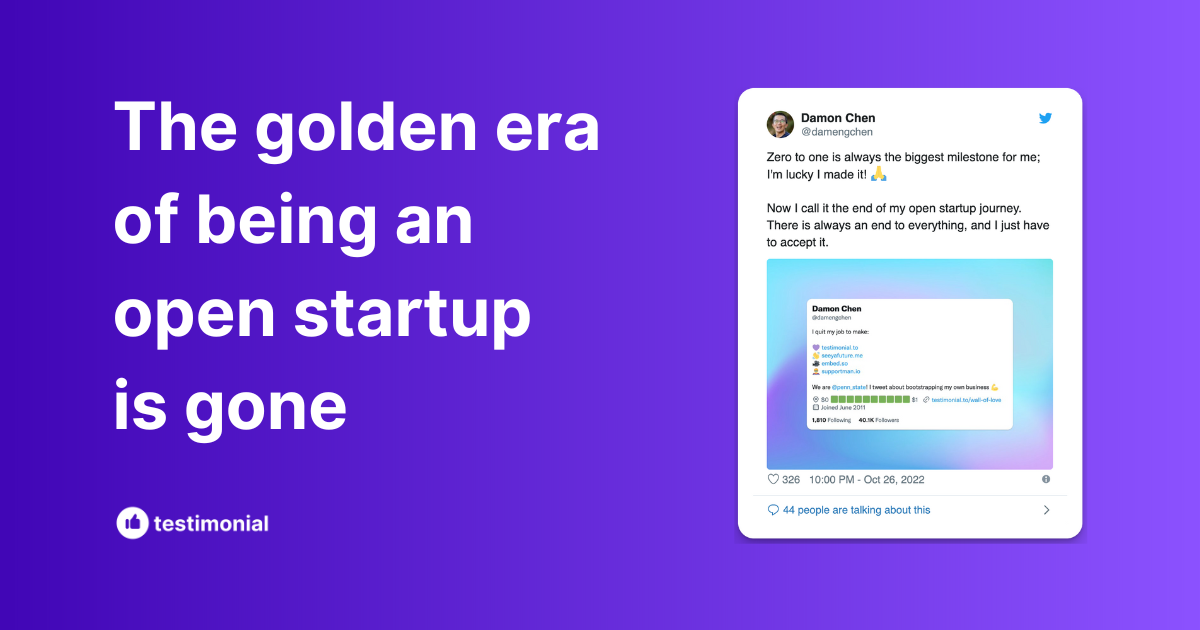
The golden era of being an open startup is gone
To me, the golden era of being an open startup is gone. Some founders and early adopters are shutting down their open pages and changing their transparency practices. I don’t think they are doing it just because things change and we need to cope.
When (not if) the Tech Monopolies come for the Atmosphere, can we create the institutional structures to protect what we have? Right now we're nowhere near ready. No company harmed the web more than Google, not even close, while claiming to help which many believed. What can we learn and how fast?

kottke.org
“The Metric Is Not the Mission is a ten-part examination of how Big Tech moved from building and expanding the open internet to increasingly shaping it around its own metrics, incentives and assumptions.” techdirt.com/2026/09/21/the-metric-is-not-…
Imagine things being so bad that your best solution is to cut yourself off from Google Search traffic. I don't think that people realise just how much of a bad actor Google has been, for year. No other company has damaged the web nearly as much. 🧵 adweek.com/media/publishers-opt-out-goog…

Publishers Are Preparing to Opt Out of Google Search
www.adweek.com