mandy brown writes about work like a field surgeon operates, careful and propulsive and all in on keeping us alive—to ourselves, to our colleagues, to the world. Unfuckwithable.
Stanford professor: "The workplace is killing people and nobody cares" - Fast Company
From the disappearance of good health insurance to the psychological effects of long hours, the modern workplace is taking its toll on all of us.

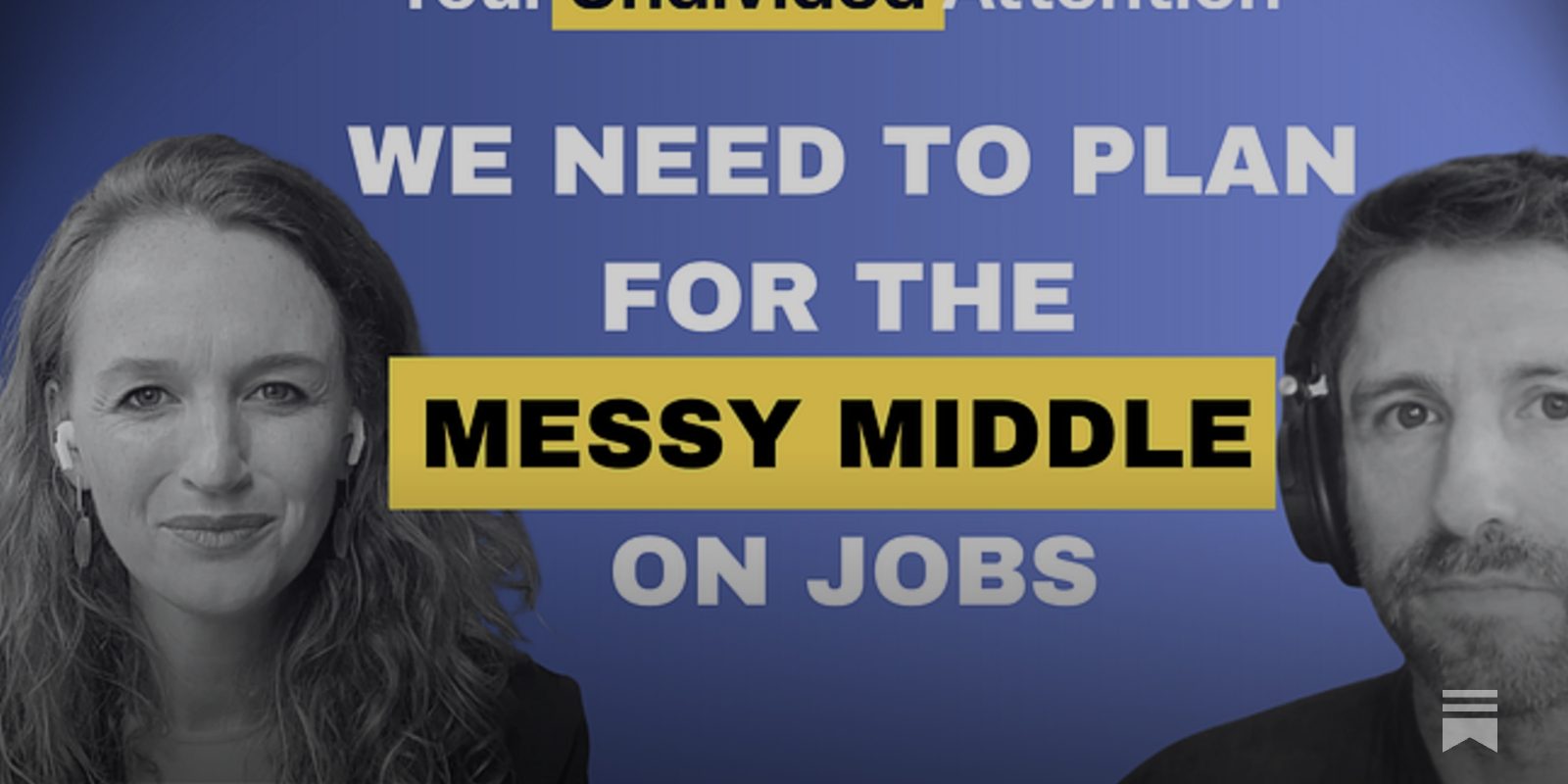
Enough Debate about the AI Jobpocalypse. We Need To Plan for the Messy Middle.
Caught between arguments of abundance and apocalypse, economist Molly Kinder explores what workers can expect in the near future — and what we can do about it.
Deep Care by Angela Hume | East Bay Booksellers
The story of the radical feminist networks who worked outside the law to defend abortion. Starting in the 1970s, small groups of feminist activists met regularly to study anatomy, practice pelvic exams on each other, and learn how to safely perform a procedure known as menstrual extraction, which can end a pregnancy, using equipment easily bought and assembled at home.
The key to loving your job in the age of burnout
In 2009, two US professors set out to study zookeepers and aquarium workers in an effort to discover what kept them motivated at work.

“I Work For Psychopaths”: Meta Workers Expose AI Surveillance
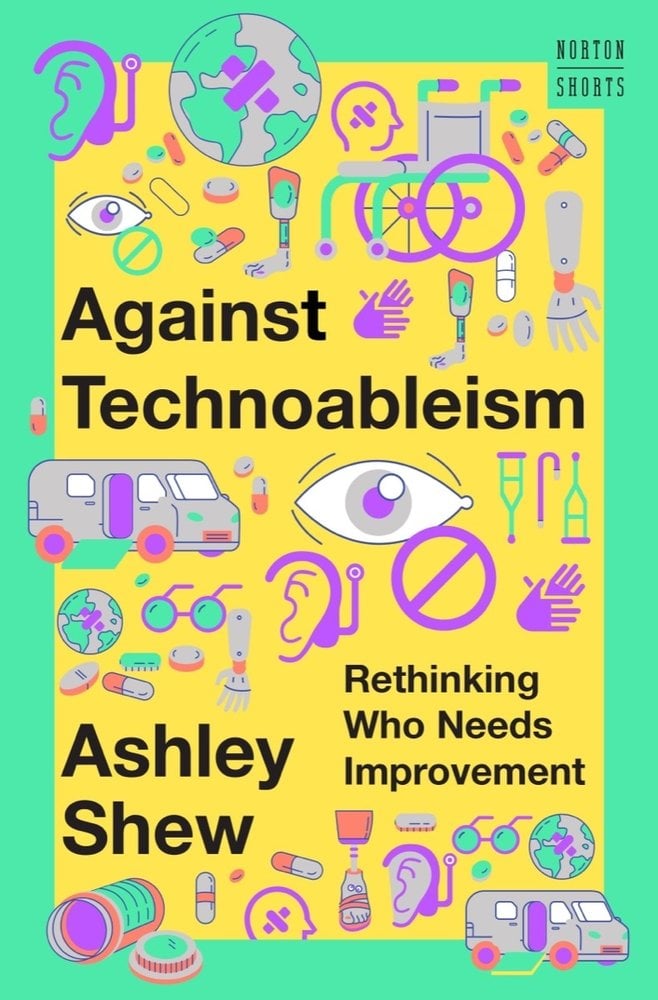
Against Technoableism
When bioethicist and professor Ashley Shew became a self-described "hard-of-hearing chemobrained amputee with Crohn's disease and tinnitus," there was no returning to "normal." Suddenly well-meaning people called her an "inspiration" while grocery shopping or viewed her as a needy recipient of technological wizardry. Most disabled people don't want what the abled assume they want--nor are they generally asked. Almost everyone will experience disability at some point in their lives, yet the abled persistently frame disability as an individual's problem rather than a social one. In a warm, feisty voice and vibrant prose, Shew shows how we can create better narratives and more accessible futures by drawing from the insights of the cross-disability community. To forge a more equitable world, Shew argues that we must eliminate "technoableism"--the harmful belief that technology is a "solution" for disability; that the disabled simply await being "fixed" by technological wizardry; that making society more accessible and equitable is somehow a lesser priority. This badly needed introduction to disability expertise considers mobility devices, medical infrastructure, neurodivergence, and the crucial relationship between disability and race. The future, Shew points out, is surely disabled--whether through changing climate, new diseases, or even through space travel. It's time we looked closely at how we all think about disability technologies and learn to envision disabilities not as liabilities, but as skill sets enabling all of us to navigate a challenging world.
Careless People: A Cautionary Tale of Power, Greed, and…
An explosive memoir charting one woman’s career at the …


To Find Happiness, Forget About Passion
Several years ago, a friend decided she wanted to follow her passion. She loved the liberal arts and academe. She was a talented graphic designer, a great writer, and was the president of a student club. But the prospect of working a nine-to-five job was never interesting. I can’t blame her. After all, ours is […]
Moral Ambition: Stop Wasting Your Talent and Start Making a Difference
THE INSTANT SUNDAY TIMES BESTSELLER - FROM THE 2025 BBC REITH LECTURER A GUARDIAN BOOK OF THE SUMMER 2025 'Gives us hope, humour and guidance at a time when all are in short supply' TIMOTHY SNYDER 'The rare read that might actually help you become a better person' ADAM GRANT THE ANTIDOTE TO APATHY FROM THE INTERNATIONALLY BESTSELLING AUTHOR RUTGER BREGMAN Every day we're bombarded with methods, mantras and life hacks that promise us wellness and prosperity - while time and talent remain some of our most squandered resources. The average full-time worker will spend 80,000 hours at their job: are you making the most of them? Do you truly believe in what you do, day in, day out? What if you want to do something more with your limited time on the planet? Internationally bestselling author Rutger Bregman shows us that with moral ambition - the will to make the world a wildly better place - we can be both idealistic and successful, and change the world along the way. Uncovering the qualities that made the great change-makers of history so effective, he shows how we too can lend our talents to the biggest challenges of our time, from climate change to inequality to the next pandemic. With moral ambition, we can do more than be on the right side of history: we can make history itself. This book won't make your life easier, but it should make it more meaningful. The question is: what will you do with it? As the 2025 BBC Reith Lecturer, Rutger Bregman will present 'Moral Revolution', a four part series: -A Time of Monsters -How To Start a Moral Revolution -A Realist's Utopia -Zoom Out Available to listen on BBC Four
I Used AI To Surveil Myself At Work. What It Can See Will Disturb You.
Care as methodology
On being a researcher in the strategy industry. And reflections on how care becomes a valuable scarcity in a world where speed and ego erode the sincerity of knowledge.

Does Work-Life Balance Make You Mediocre? - Cal Newport
Last month, a 22-year-old entrepreneur named Emil Barr published a Wall Street Journal op-ed boasting a provocative title: “‘Work-Life Balance’ Will Keep You Mediocre.” He ... Read more
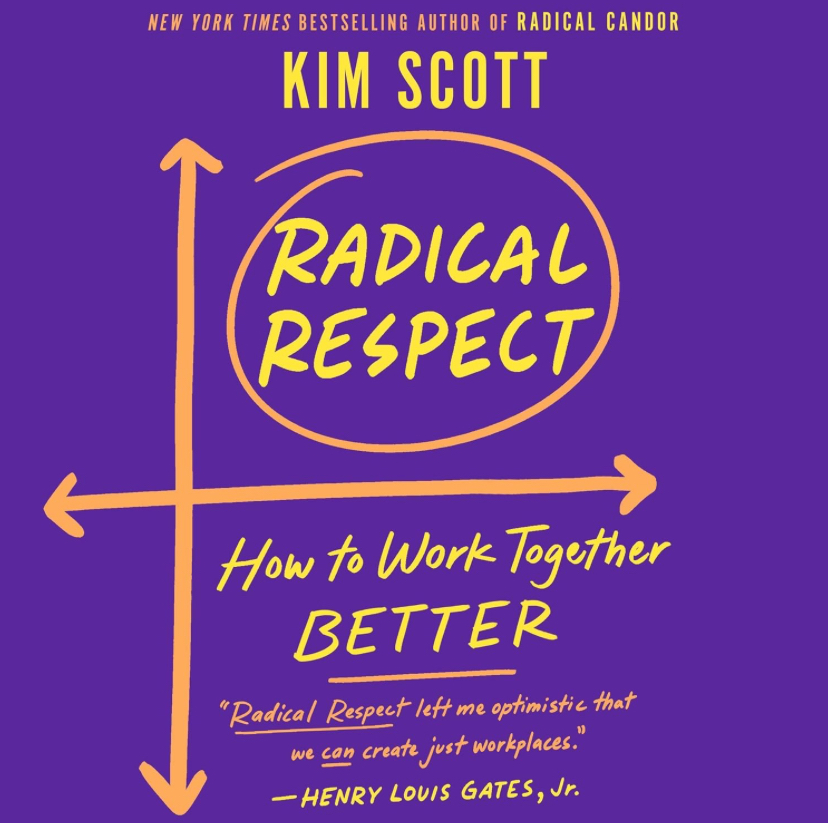
Radical Respect: How to Work Together Better by Kim Scott
What moves us in the wrong direction? Kim Scott offers a "toxonomy" that breaks down a problem th...
Kate Angelopoulos – Medium
Read writing from Kate Angelopoulos on Medium. I'm a passionate software engineer, former microbiologist, amateur farmer and lifelong health nut!

The Power of Habit: Why We Do What We Do in Life and Business by Charles Duhigg
A young woman walks into a laboratory. Over the past two years, she has transformed almost every ...