
One of the most inescapable edicts when leading a team is the order to optimize the system towards the organization’s goals.
relearn Leadership - the over-optimisation problem in organisations
The Optimization Trap: Why Too Much Efficiency Makes Us Fragile with Olivier Hamant
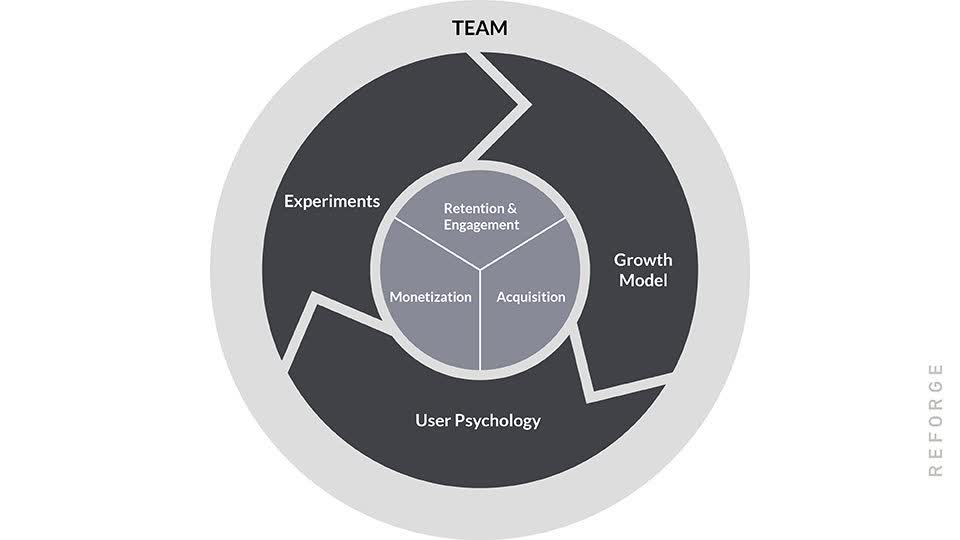
Building Growth: Product, Process, and Team | Reforge Blog
Reforge drives team performance, with the most actionable learning from vetted operators that your team will actually use and apply.
Open Source Goal Setting — Open Tech Strategies | Blog
Treat this list as a menu, not a buffet. Pick three items and make them your high priority targets. Focus on effects that connect best to your strategy, and, ultimately, to your organization's mission. You need to know where you want to go before you can chart a course to get there. We've broken the goals into three categories, but you can mix and match across or within categories as you please.
The Product Strategy Stack | Reforge Blog
Reforge drives team performance, with the most actionable learning from vetted operators that your team will actually use and apply.

The Value of Getting Closer to the Work
Scaling The core problem of scaling a team is that not everyone can know everything. Scaling is the work of systematizing that – so that things are understandable, knowable. It’s turnin…

A beautiful constraint – summary
A beautiful constraint. How to transform your limitations into advantages. By Adam Morgan & Mark Barden. Summarised by paul_arnold@me.com – Strategic facilitator, planner and trainer. Th…

The Optimization Trap: Why Too Much Efficiency Makes Us Fragile - The Great Simplification
In this episode, Nate is joined by biologist and biophysicist Olivier Hamant to explore why living systems prioritize robustness over performance, and what that means for a civilization built almost entirely in the opposite direction.

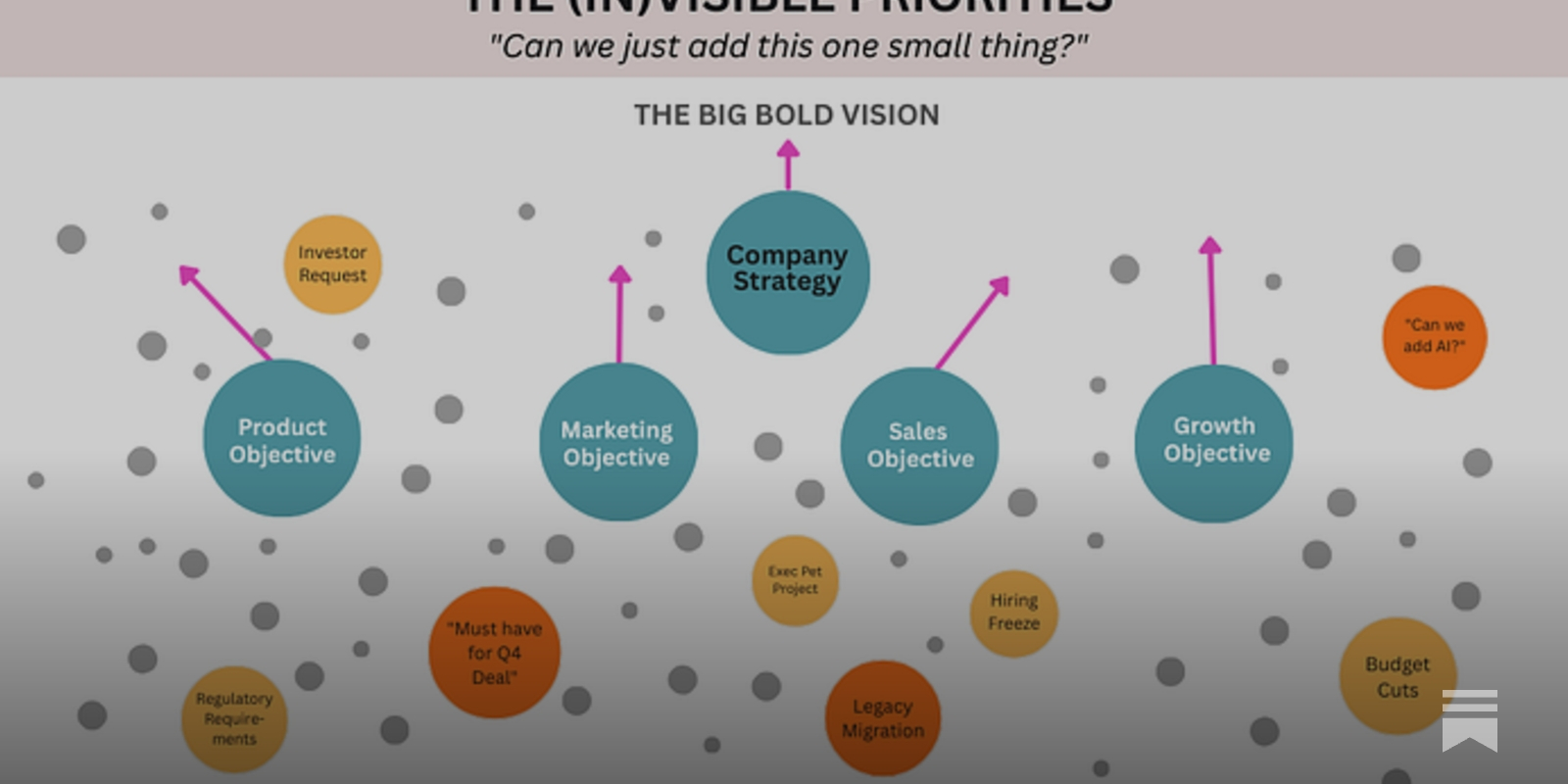
The Illusion of Decisiveness
Why product teams spin in chaos despite a "clear" strategy
Review: Team Topologies
Many organizations are struggling with their business agility transformation. One of the reasons is the way they have organized their teams. The focus was probably on efficiency and if these teams …

Manage your team better with the simple 'rule of five' - Inside Atlassian
Master this easy strategy to manage employees more effectively, as well as help to convey what's really important from a company perspective.

Habits of High-Functioning Teams
I often struggle to explain what it means to be part of a high-functioning software team. Sure, there are mountains of literature, and an entire genre of LinkedIn thought leadership that professes all kinds of guidelines and heuristics about what makes teams work, but in my experience, it’s hard to internalize these ideas and follow someone else’s model if you’ve never seen what good looks like.
Adopt and scale Team Topologies: platform-as-a-product, templates, more. — Team Topologies - Organizing for fast flow of value
Accelerate value with Team Topologies: measure cognitive load, define team boundaries, apply inverse Conway, readiness assessments, and more for fast delivery.

The One Growth Metric that Moves Acquisition, Monetization, and Virality | Reforge Blog
Reforge drives team performance, with the most actionable learning from vetted operators that your team will actually use and apply.

What Is Strategy?
Today’s dynamic markets and technologies have called into question the sustainability of competitive advantage. Under pressure to improve productivity, quality, and speed, managers have embraced tools such as TQM, benchmarking, and re-engineering. Dramatic operational improvements have resulted, but rarely have these gains translated into sustainable profitability. And gradually, the tools have taken the place of strategy. In his five-part article, Michael Porter explores how that shift has led to the rise of mutually destructive competitive battles that damage the profitability of many companies. As managers push to improve on all fronts, they move further away from viable competitive positions. Porter argues that operational effectiveness, although necessary to superior performance, is not sufficient, because its techniques are easy to imitate. In contrast, the essence of strategy is choosing a unique and valuable position rooted in systems of activities that are much more difficult to match. Porter thus traces the economic basis of competitive advantage down to the level of the specific activities a company performs. Using cases such as Ikea and Vanguard, he shows how making trade-offs among activities is critical to the sustainability of a strategy. Whereas managers often focus on individual components of success such as core competencies or critical resources, Porter shows how managing fit across all of a company’s activities enhances both competitive advantage and sustainability. While stressing the role of leadership in making and enforcing clear strategic choices, Porter also offers advice on how companies can reconnect with strategies that have become blurred over time.

Great engineering teams focus on milestones instead of projects | Jade Rubick - Engineering Leadership
Programs are more complicated than projects which are more complicated than milestones. Instead of projects, focus on milestonesMost engineering organizations focus on delivering projects. You can get better results by focusing on milestones instead.