


Applied ethics isn't a checklist. It's about putting in the time and effort to understand risks to wellbeing with the express intent of avoiding, mitigating and monitoring harm. It makes sense then to assume that the open call to pause AI development is a good thing. Well, yes
This critique of AI Safety is right on the money. An unwillingness to challenge corporate power even as people say a pause needs to seriously happen. Or lobbying for “differentiated development” even as these AI corps recklessly scale on. It’s internally inconsistent. 1
This critique of AI Safety is right on the money.An unwillingness to challenge corporate power even as people say a pause needs to seriously happen.Or lobbying for “differentiated development” even as these AI corps recklessly scale on.It’s internally inconsistent. 1/ https://t.co/eVwnYV0kWM pic.twitter.com/GiSBSuRYuE— Remmelt Ellen 🛑 (@RemmeltE) April 16, 2024

The Call to Halt ‘Dangerous’ AI Research Ignores a Simple Truth
Tech leaders' Open Letter proposed a pause on ChatGPT. But researchers already know how to make artificial intelligence safer.

Statement on the "AI pause" letter
The listed authors of Stochastic Parrots on why the harms from so-called AI are real and present and follow from the acts of people and corporations.

A shared agenda for responsible AI progress
AI can be hugely beneficial to society if citizens, educators, academics, civil society and governments unite to shape it responsibly.

The EU AI Act Is Ready – Interdependent Thoughts
A final draft of the European AI Regulation is circulating (here’s an almost 900 page PDF). The coming days I will read it with curiosity.
It's open season for refusing AI
There's been a wave of successful efforts to ban, reject and shut down AI.

AI-assisted Reviewing is Necessary and Should be Open
Peer review is facing a death spiral. AI production tools are speeding it up. AI-assisted reviewing is necessary and should be open.
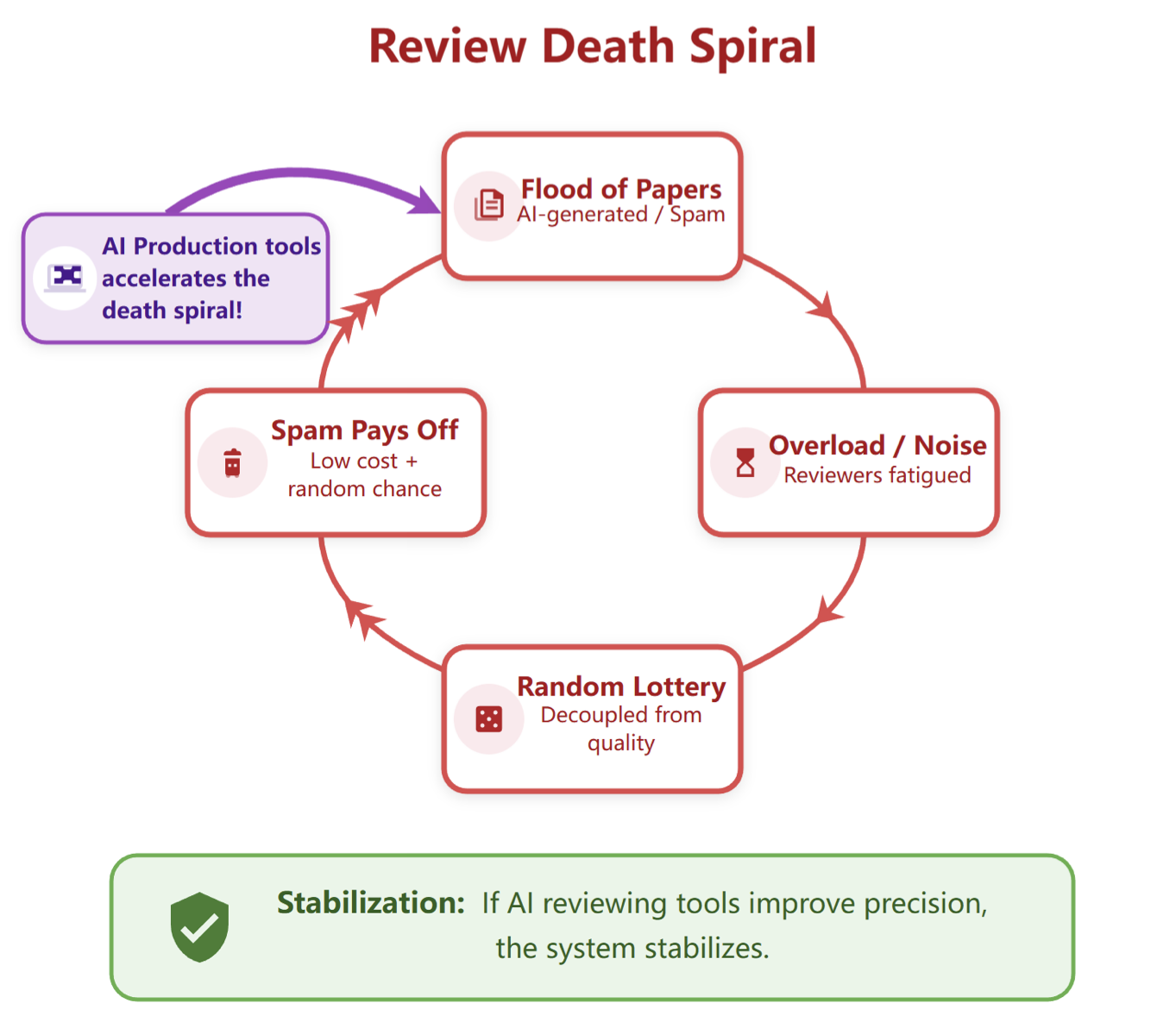
AI-assisted Reviewing is Necessary and Should be Open
Peer review is facing a death spiral. AI production tools are speeding it up. AI-assisted reviewing is necessary and should be open.
AI, Ethics, and Society — Home
Ethical AI Departures — Who Quit OpenAI, Google, Anthropic Over Safety Concerns
59 researchers and executives who quit or were fired from OpenAI, Google DeepMind, Anthropic, Meta, and xAI over AI safety concerns. Sourced departures, writings, and prediction tracking.
OpenAI lobbied the EU to avoid harsher AI regulations
Suggestions made by OpenAI made it into the EU’s AI Act.

The Open Letter to Stop 'Dangerous' AI Race Is a Huge Mess
The letter has been signed by Elon Musk, Steve Wozniak, Andrew Yang, and leading AI researchers, but many experts and even signatories disagreed.

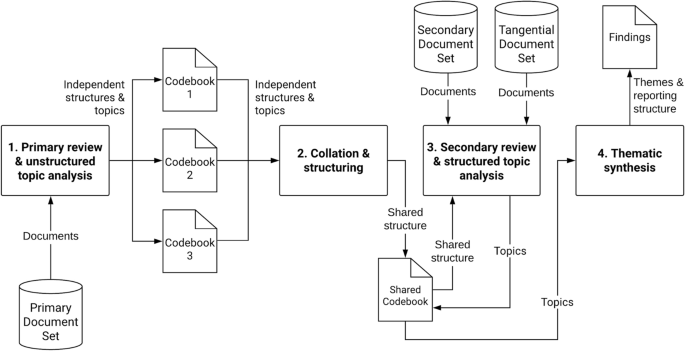
The ethics of AI business practices: a review of 47 AI ethics guidelines
Many AI ethics guidelines have recently been published that center the fairness, accountability, sustainability, and transparency of algorithmic decision-making. Relatively few guidelines center the ethics of the business practices and political economies in which AI systems are situated. We present the findings of a semi-systematic literature review and thematic analysis aimed at determining the extent to which the ethics of AI business practices are considered in a large sample of guidelines. Our review reveals that the political and economic implications of AI business practices are greatly underrepresented in AI ethics guidelines. In its current state, AI ethics guidelines focus disproportionately on issues of algorithmic decision-making, while the fairness, accountability, sustainability, and transparency of the business decision-making contexts in which AI systems are situated remain seriously undermined by competitive and speculative norms, ethics washing, corporate secrecy, and other harmful business practices. We discuss these challenges, and we suggest that the ontological and disciplinary scope of future AI ethics guidelines should be expanded to better contend with them.
The tech industry hijacking of the AI ethics research agenda and why we should reclaim it
This paper reflects on the tech industry’s colonization of the AI ethics research field and addresses conflicts of interest in public policymaking concerning AI. The AI ethics research community faces two intertwined challenges: In the first place, we have a tech industry heavily influencing the AI ethics research agenda. Secondly, cleaning up after the tech industry has implied that we have turned to value-driven design methods to bring ethics to AI design. But by framing research questions relevant to a technical practice, we have facilitated the technological solutionism behind the tech industry’s business model. Therefore, this paper takes the first steps to reshape the AI ethics research agenda by suggesting moving toward an emancipatory framework that brings politics to design while, at the same time, bearing in mind that AI is not to be treated as an inevitability. As a research community, we must focus on the repressive power dynamics exacerbated by AI and address challenges facing the vulnerable groups seldom heard, despite the fact that they are the ones most negatively affected by AI initiatives.

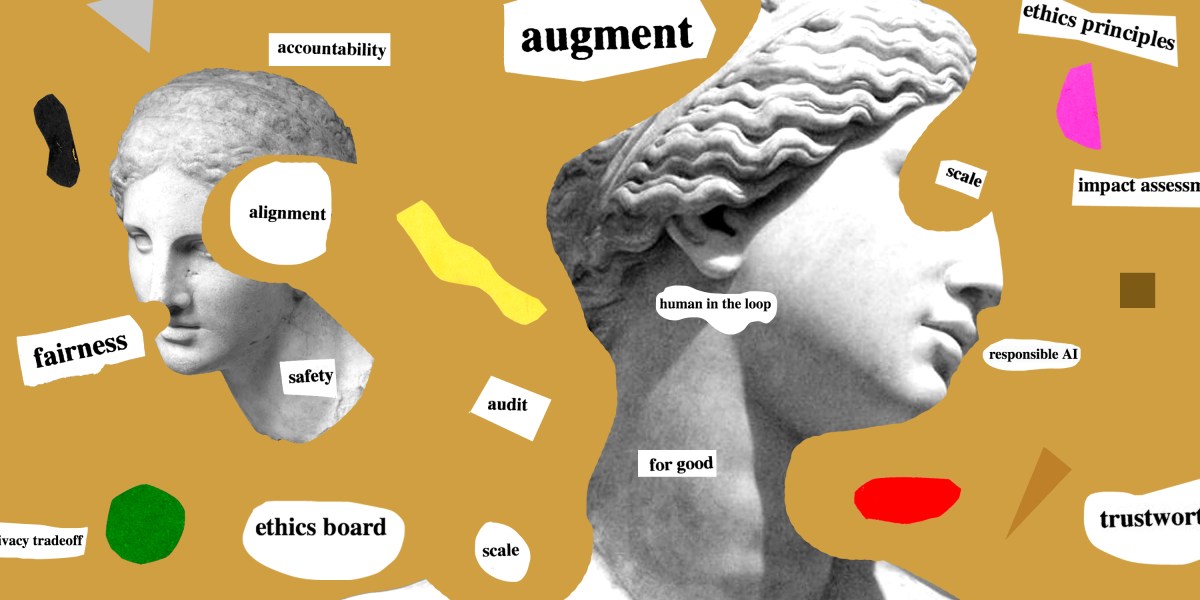
Big Tech’s guide to talking about AI ethics
50-ish words you can use to show that you care without incriminating yourself.
Peer review is facing a death spiral, and AI production tools are speeding it up. AI-assisted reviewing is necessary and should be open. We built OpenAIReview: open AI reviewing for everyone, for the cost of a coffee. openaireview.github.io/blog.html 🧵

AI-assisted Reviewing is Necessary and Should be Open
openaireview.github.io