


What Is DSPy? How It Works, Use Cases, and Resources
DSPy is an open-source Python framework that allows developers to build language model applications using modular and declarative programming instead of relying on one-off prompting techniques.
Introducing any-llm: A unified API to access any LLM provider
When it comes to using LLMs, it’s not always a question of which model to use: it’s also a matter of choosing who provides the LLM and where it is deployed. Today, we announce the release of any-llm, a Python library that provides a simple unified interface to access the most popular providers.

hodgesmr/neural_network_from_scratch
A Jupyter notebook building and training a Neural Network from scratch with NumPy
How to Make Small Language Models Outperform Large Language Models Using DSPy!
How a 3B Language Model Surpasses an 8B Counterpart with DSPy? “In an era where language models (LMs) are revolutionising countless tasks, their potential is only as powerful as we interpret …
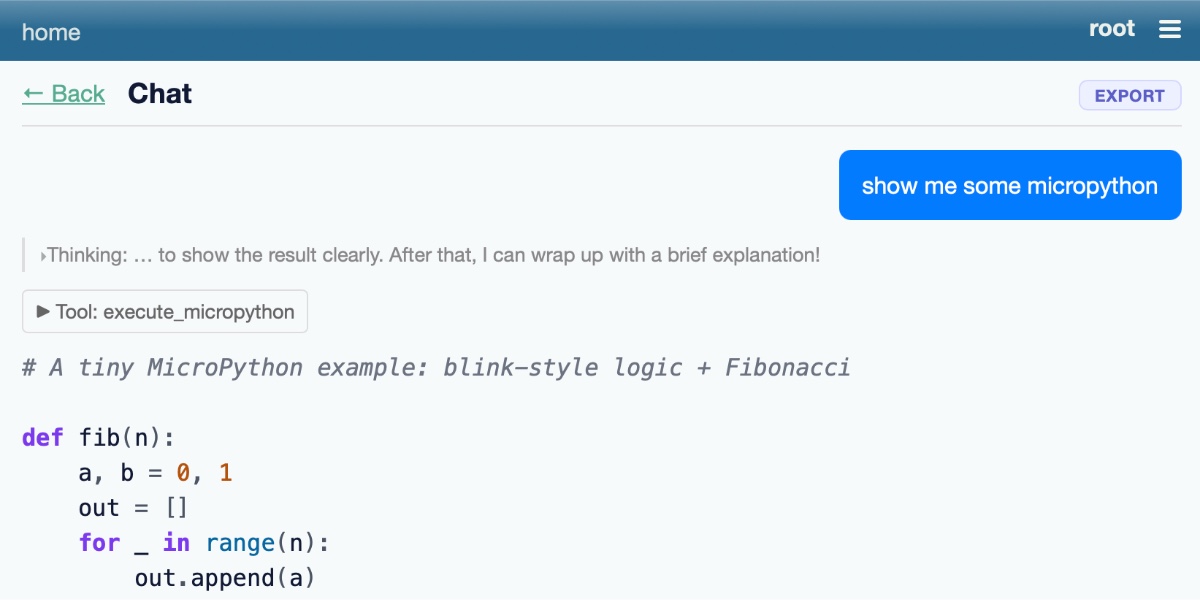
Running Python code in a sandbox with MicroPython and WASM
I’ve been experimenting with different approaches to running code in a sandbox for several years now, but my latest attempt feels like it might finally have all of the characteristics …
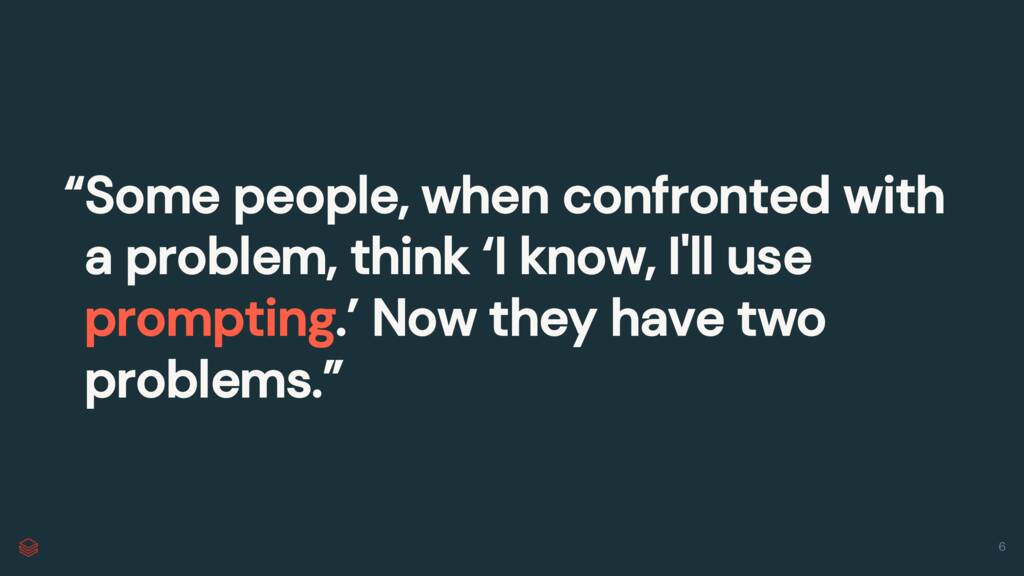
Let the Model Write the Prompt
Notes from a talk I delivered at the 2025 Data + AI Summit, detailing the problem with prompts in your code and how DSPy can make everything better.

Project Jupyter
The Jupyter Notebook is a web-based interactive computing platform. The notebook combines live code, equations, narrative text, visualizations, interactive dashboards and other media.
Your Laptop Isn’t Ready for LLMs. That’s About to Change
The quest to run large AI models locally on an individual's machine are driving the biggest change in laptop architecture in decades.

prime-radiant-inc/engineering-notebook
CLI tool that ingests Claude Code sessions, generates LLM summaries, and serves a browsable engineering journal
Alex Cheema on Twitter / X
.@karpathy shouted out my work on @exolabs at @ycombinator AI SUS!“we use LLMs similarly to mainframes in the ‘70s - compute is timeshared by having a slice in the batch dimension. models will compress over time, and with this we’ll be able to run more on-device” pic.twitter.com/UKSrquQGAL— Alex Cheema (@alexocheema) June 18, 2025

Introducing notebook.link: The Future of Notebook Sharing
Reimagining how you share, collaborate, and run Jupyter notebooks — all in your browser.

Welcome
I also work extensively with Project Jupyter, particularly the Binder Project and Jupyter Book.

CaviraOSS/OpenMemory
Local persistent memory store for LLM applications including claude desktop, github copilot, codex, antigravity, etc.