

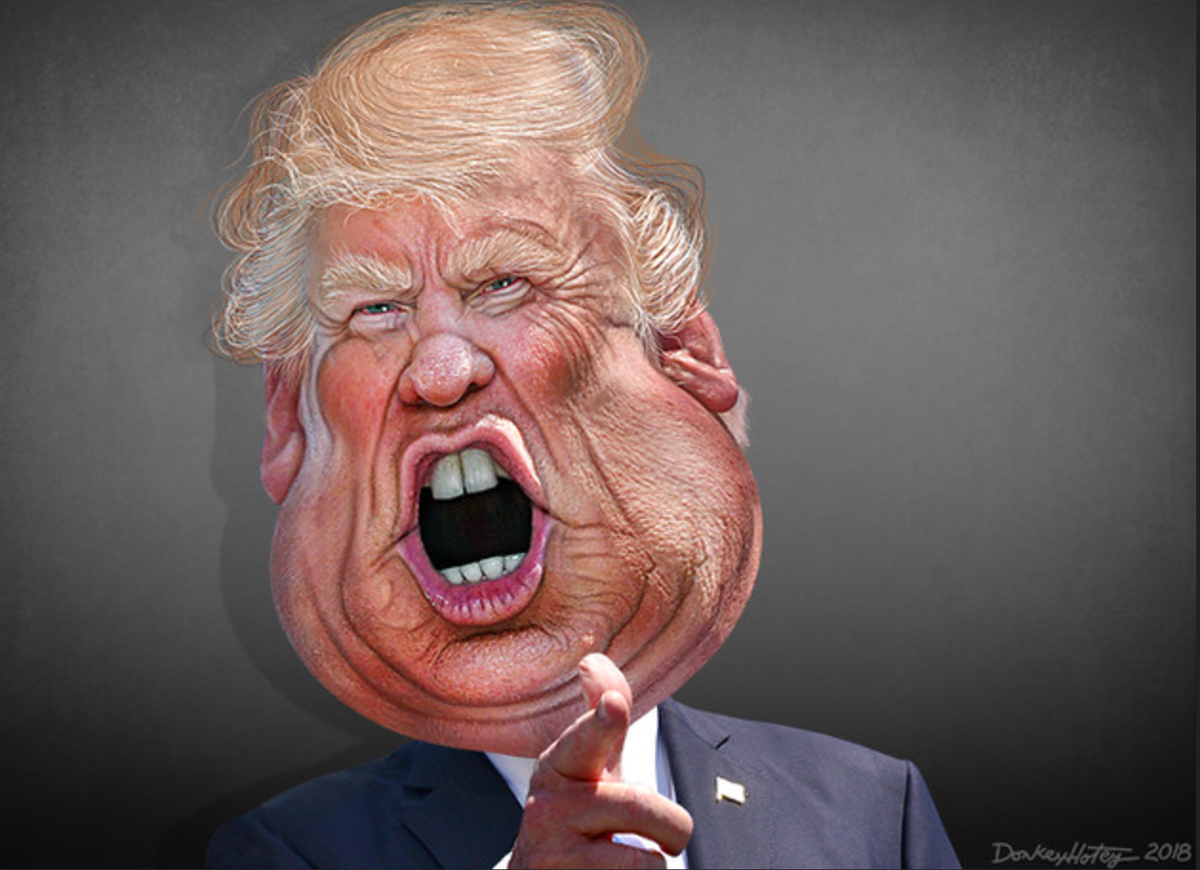
The media's sanewashing of the Trump regime is fueled by this presumption
Cloudflare bankrolls fascists
US politics has been pretty fascist lately. The state is filling up concentration camps, engaging in mass state violence against people on the basis of racialized traits, deporting them to random countries without any respect for habeas corpus, exerting state pressure on the free press to censor speech critical of the current administration, and Trump is openly floating the idea of an unconstitutional third term.
Fascintern Media
We are facing a coordinated international fascist movement that works with explicit backing from Moscow, Washington, and tech monopolies, and is propagating itself through its own media apparatus. Yet people who claim to side with democracy keep doing work to support Fascintern media because they misunderstand how it works. This needs to change.

Understanding How Propaganda Works Helps Fight Fascism
In order to effectively fight fascism, it is essential to understand how propaganda, a key tool of fascist groups, works.

Donald Trump: A Critical Theory-Perspective on Authoritarian Capitalism
This paper analyses economic power, state power and ideological power in the age of Donald Trump with the help of critical theory. It applies the critical theory approaches of thinkers such as Franz Neumann, Theodor W. Adorno and Erich Fromm. It analyses changes of US capitalism that have together with political anxiety and demagoguery brought about the rise of Donald Trump. This article draws attention to the importance of state theory for understanding Trump and the changes of politics that his rule may bring about. It is in this context important to see the complexity of the state, including the dynamic relationship between the state and the economy, the state and citizens, intra-state relations, inter-state relations, semiotic representations of and by the state, and ideology. Trumpism and its potential impacts are theorised along these dimensions. The ideology of Trump (Trumpology) has played an important role not just in his business and brand strategies, but also in his political rise. The (pseudo-)critical mainstream media have helped making Trump and Trumpology by providing platforms for populist spectacles that sell as news and attract audiences. By Trump making news in the media, the media make Trump. An empirical analysis of Trump’s rhetoric and the elimination discourses in his NBC show The Apprentice underpins the analysis of Trumpology. The combination of Trump’s actual power and Trump as spectacle, showman and brand makes his government’s concrete policies fairly unpredictable. An important question that arises is what social scientists’ role should be in the conjuncture that the world is experiencing.See also the related blog post "How The Frankfurt School Helps Us To Understand Donald Trump’s Twitter Populism"http://www.huffingtonpost.co.uk/christian-fuchs1/how-the-frankfurt-school-_b_14156190.html?utm_hp_ref=uk-donald-trumpThe German translation of this shorter piece was published in Der Falter 5/2017: 21-23.
Elon Musk: The Normalizer of Fascism
The world's richest man needs you to believe fascist parties are part of the democratic spectrum
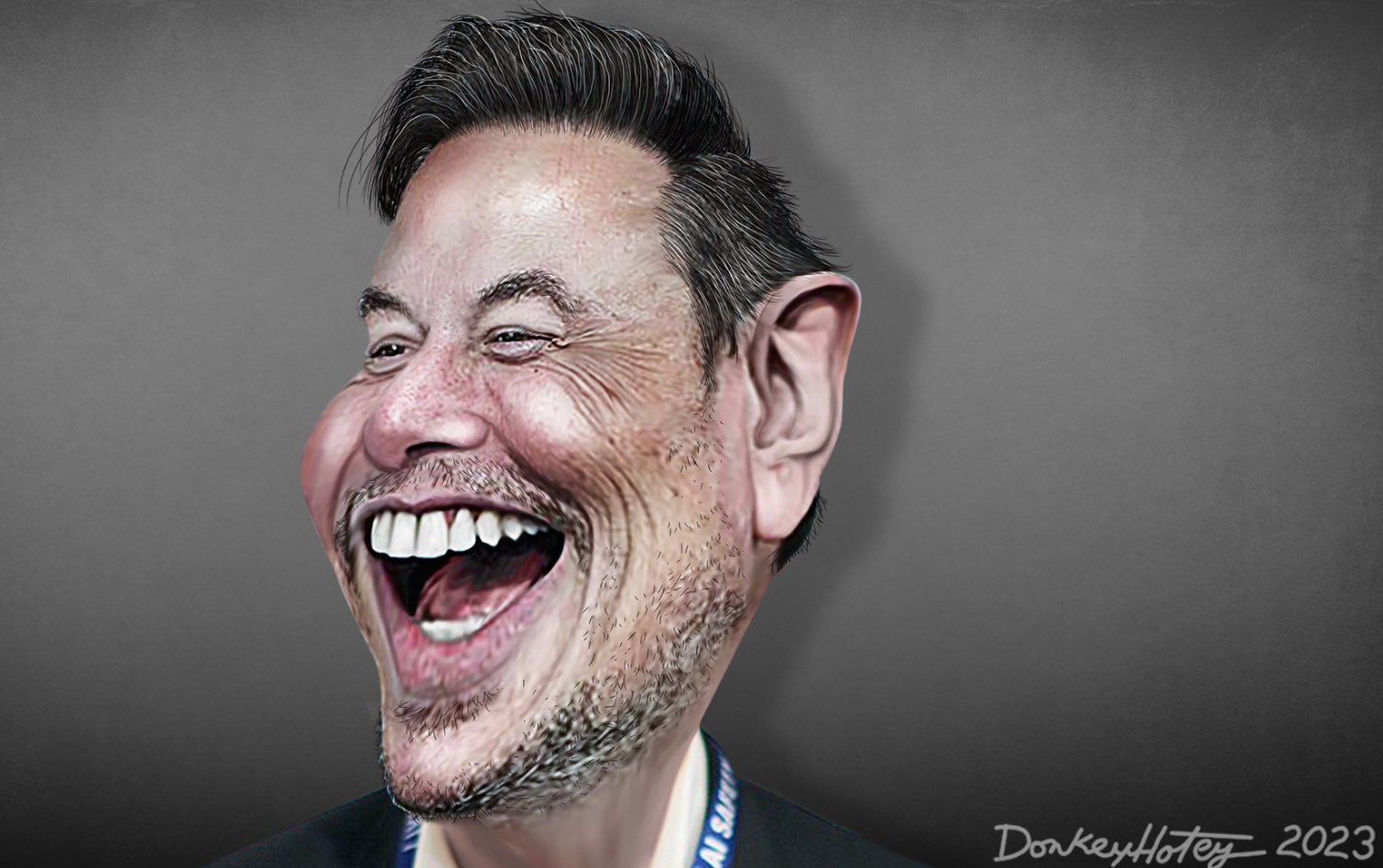
Who are the rightwing influencers filling Trump’s head with visions of antifa?
Meet the content creators whose videos from Portland and Chicago shape the president’s distorted view of reality

The Liberalism to Fascism Pipeline (Neoliberalism Explained)
American Fascists: The Christian Right and the War on A…
Twenty-five years ago, when Pat Robertson and other rad…

Fascism | The Paper Pilot
The Paper Pilot's digital garden of thoughts on philosophy, politics, and sociology
Here's a PDF Version of the CIA Guide to Sabotaging Fascism
A 404 Media reader made a PDF version of the World War II-era manual that's going viral right now.
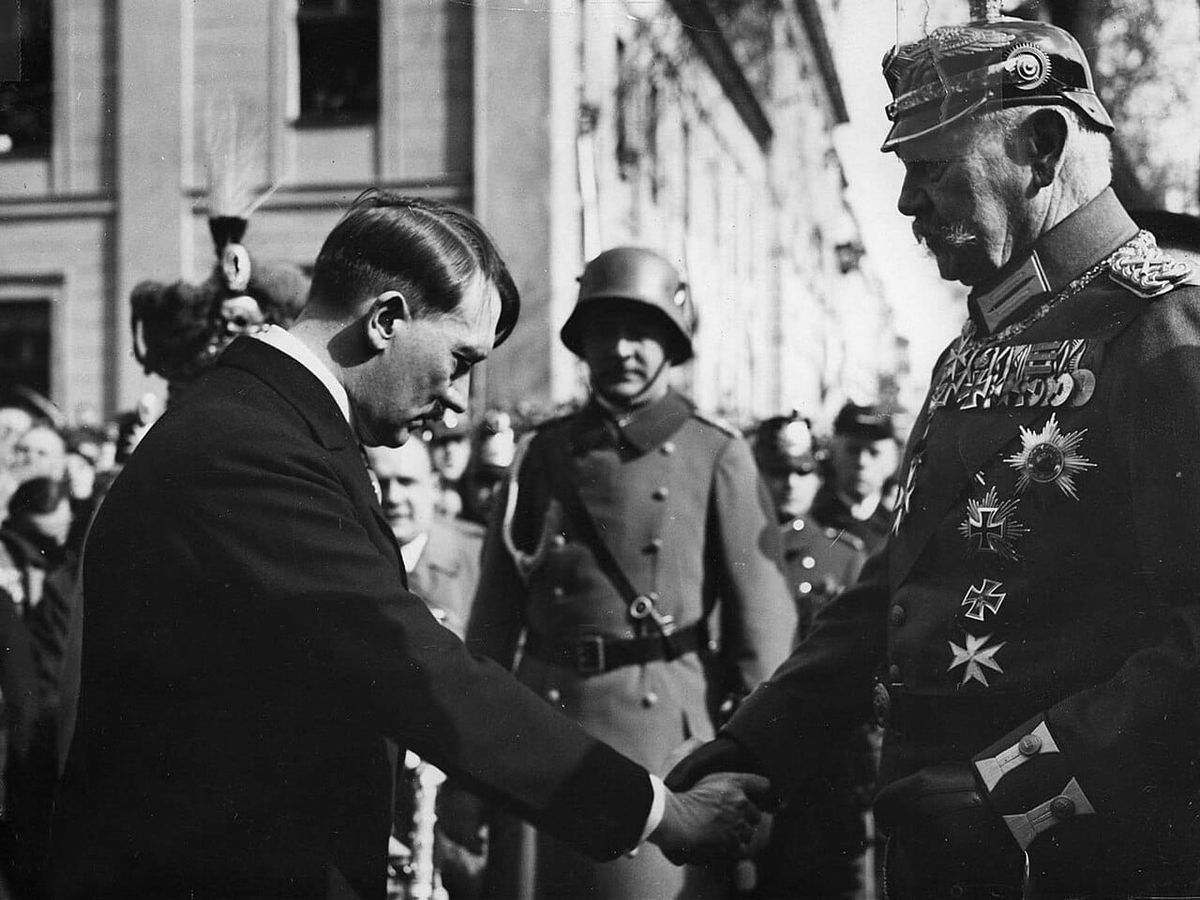
It Was Fascism All Along
When we emphasize a distinction between conservatism and fascism, we obscure the structural logic that ties the right-wing project together.
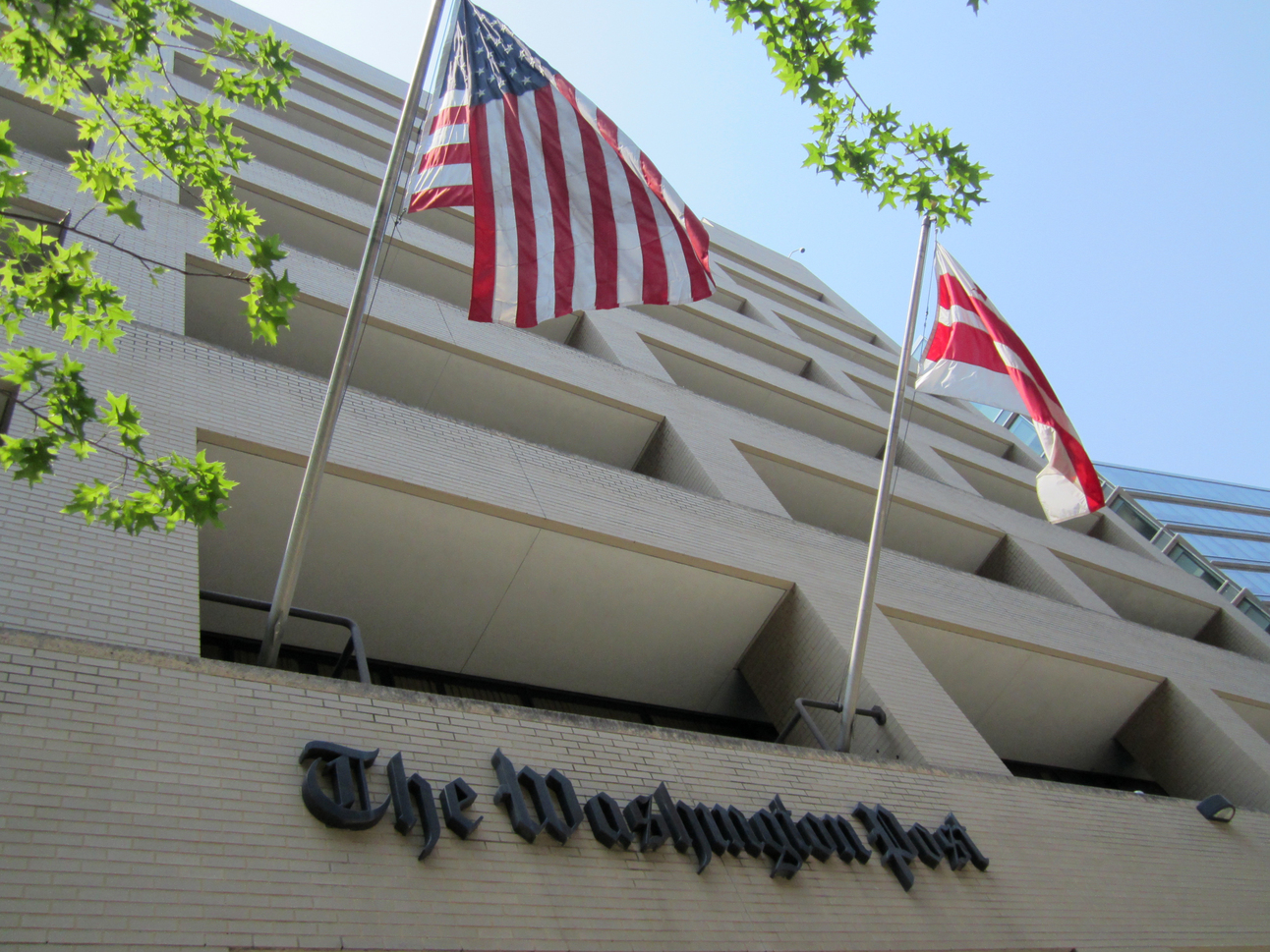
The Washington Post is in fascist-guided free fall
Former Murdoch employees have taken over. Now corruption and scandal abound.
The Authoritarian Personality
This hugely influential study on the psychology of authoritarianism was written in answer to Hitler’s Germany—and now rings more relevant than ever as fascism and anti-Semitism sweep across America.What makes a fascist? Are there character traits that make someone more likely to vote for the far right? The Authoritarian Personality is not only one of the most significant works of social psychology ever written, it also marks a milestone in the development of Adorno’s thought, showing him grappling with the problem of fascism and the reasons for Europe’s turn to reaction. Over half a century later, and with the rise of right-wing populism and the reemergence of the far-right in recent years, this hugely influential study remains as insightful and relevant as ever.This new edition includes an introduction by Frankfurt School scholar Peter E. Gordon and contains the first-ever publication of Adorno’s subsequent critical notes on the project.“Adorno and his colleagues could easily have been describing Alex Jones’s paranoid InfoWars rants or the racist views expressed by many Trump supporters.” —New York Times
Michael Parenti Blackshirts And Reds
Michael Parenti dissecting Fascism and exposing it's true intention, ie anti-communism

The Stories Fascism Fears Most
[UNLOCKED] How Fascism Works (a Michael Parenti Reading)