


Testimonials are crucial to any business as they provide social validation. They also provide amazing copy for your website that tends to perform much better than whatever buzzwordy tagline you conjure up in your head.
The Ultimate Guide to Get Results With Social Proof Marketing
Not all social proof is created equally. The types of social proof that work in one situation might not work in another. With this guide, you'll learn how to use Social proof in your marketing strategy and boost your sales thanks to what other people have to say about your products.

The Ultimate Guide to Get Results With Social Proof Marketing
Not all social proof is created equally. The types of social proof that work in one situation might not work in another. With this guide, you'll learn how to use Social proof in your marketing strategy and boost your sales thanks to what other people have to say about your products.
How Social Media Rewards Misinformation
A majority of false stories are spread by a small number of frequent users, suggests a new study co-authored by Yale SOM’s Gizem Ceylan. But they can be taught to change their ways.

Extreme Rituals Promote Prosociality
If you have citation software installed, you can download citation data to the citation manager of your choice

Brands using AI-generated influencers to promote products on social media
Investigation finds AI content that purports to show genuine customers, prompting calls for greater transparency

How to collect Webmentions for your site | Henry From Online
Here’s a quick blog post on how to use Webmention.io and some other IndieWeb services to collect webmentions for your site!
Crowdsourced Health Research Studies: An Important Emerging Complement to Clinical Trials in the Public Health Research Ecosystem
Background: Crowdsourced health research studies are the nexus of three contemporary trends: 1) citizen science (non-professionally trained individuals conducting science-related activities); 2) crowdsourcing (use of web-based technologies to recruit project participants); and 3) medicine 2.0 / health 2.0 (active participation of individuals in their health care particularly using web 2.0 technologies). Crowdsourced health research studies have arisen as a natural extension of the activities of health social networks (online health interest communities), and can be researcher-organized or participant-organized. In the last few years, professional researchers have been crowdsourcing cohorts from health social networks for the conduct of traditional studies. Participants have also begun to organize their own research studies through health social networks and health collaboration communities created especially for the purpose of self-experimentation and the investigation of health-related concerns. Objective: The objective of this analysis is to undertake a comprehensive narrative review of crowdsourced health research studies. This review will assess the status, impact, and prospects of crowdsourced health research studies. Methods: Crowdsourced health research studies were identified through a search of literature published from 2000 to 2011 and informal interviews conducted 2008-2011. Keyword terms related to crowdsourcing were sought in Medline/PubMed. Papers that presented results from human health studies that included crowdsourced populations were selected for inclusion. Crowdsourced health research studies not published in the scientific literature were identified by attending industry conferences and events, interviewing attendees, and reviewing related websites. Results: Participatory health is a growing area with individuals using health social networks, crowdsourced studies, smartphone health applications, and personal health records to achieve positive outcomes for a variety of health conditions. PatientsLikeMe and 23andMe are the leading operators of researcher-organized, crowdsourced health research studies. These operators have published findings in the areas of disease research, drug response, user experience in crowdsourced studies, and genetic association. Quantified Self, Genomera, and DIYgenomics are communities of participant-organized health research studies where individuals conduct self-experimentation and group studies. Crowdsourced health research studies have a diversity of intended outcomes and levels of scientific rigor. Conclusions: Participatory health initiatives are becoming part of the public health ecosystem and their rapid growth is facilitated by Internet and social networking influences. Large-scale parameter-stratified cohorts have potential to facilitate a next-generation understanding of disease and drug response. Not only is the large size of crowdsourced cohorts an asset to medical discovery, too is the near-immediate speed at which medical findings might be tested and applied. Participatory health initiatives are expanding the scope of medicine from a traditional focus on disease cure to a personalized preventive approach. Crowdsourced health research studies are a promising complement and extension to traditional clinical trials as a model for the conduct of health research.

Identify trusted publishers for your research • Think. Check. Submit.
Tools and practical resources, aiming to educate researchers, promote integrity, and build trust in credible research and publications.

How to Talk to Customers: 5 Lessons to Improve Communications
Whether you call them product owner, evangelist, or community manager, every company should have someone talking to their customers regularly. They should be the goto for any "What-Ifs” and “I wonders” from the product team.
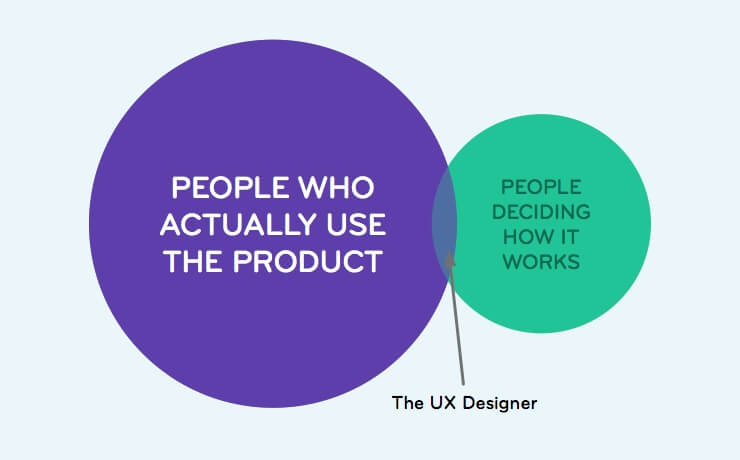
What I Learned Selling Bingo Card Creator
Some lessons learned in selling a bootstrapped software business. Relevant to buyers or sellers.
Building the world's trusted identity platform • Yoti
Our comprehensive suite of customer verification tools make it easy for businesses to be compliant and safe for people to prove who they are.

Uniting the Tribes: Using Text for Marketing Insight
Words are part of almost every marketplace interaction. Online reviews, customer service calls, press releases, marketing communications, and other interactions create a wealth of textual data. But how can marketers best use such data? This article provides an overview of automated textual analysis and details how it can be used to generate marketing insights. The authors discuss how text reflects qualities of the text producer (and the context in which the text was produced) and impacts the audience or text recipient. Next, they discuss how text can be a powerful tool both for prediction and for understanding (i.e., insights). Then, the authors overview methodologies and metrics used in text analysis, providing a set of guidelines and procedures. Finally, they further highlight some common metrics and challenges and discuss how researchers can address issues of internal and external validity. They conclude with a discussion of potential areas for future work. Along the way, the authors note how textual analysis can unite the tribes of marketing. While most marketing problems are interdisciplinary, the field is often fragmented. By involving skills and ideas from each of the subareas of marketing, text analysis has the potential to help unite the field with a common set of tools and approaches.
basically I really want good ways to surface & recognize people who are meaningful participants in the atmosphere-blogosphere as opposed to e.g. big publishers passively cross-posting b/c they want more reach, but w/o the attendant social engagement that actually makes that valuable for both sides
this is an effective method of delivering hand-tailored propaganda to a billion people every day

Daphne Keller
Oh look. It's that thing @corbinkbarthold.bsky.social warned us about. nytimes.com/2026/05/04/technology/trump-a…
Social media scams/scam compounds/disinfo

So-called pig butchering scams, romance scams, disinformation campaigns, etc.

Exposure to social bots amplifies perceptual biases and regulation propensity
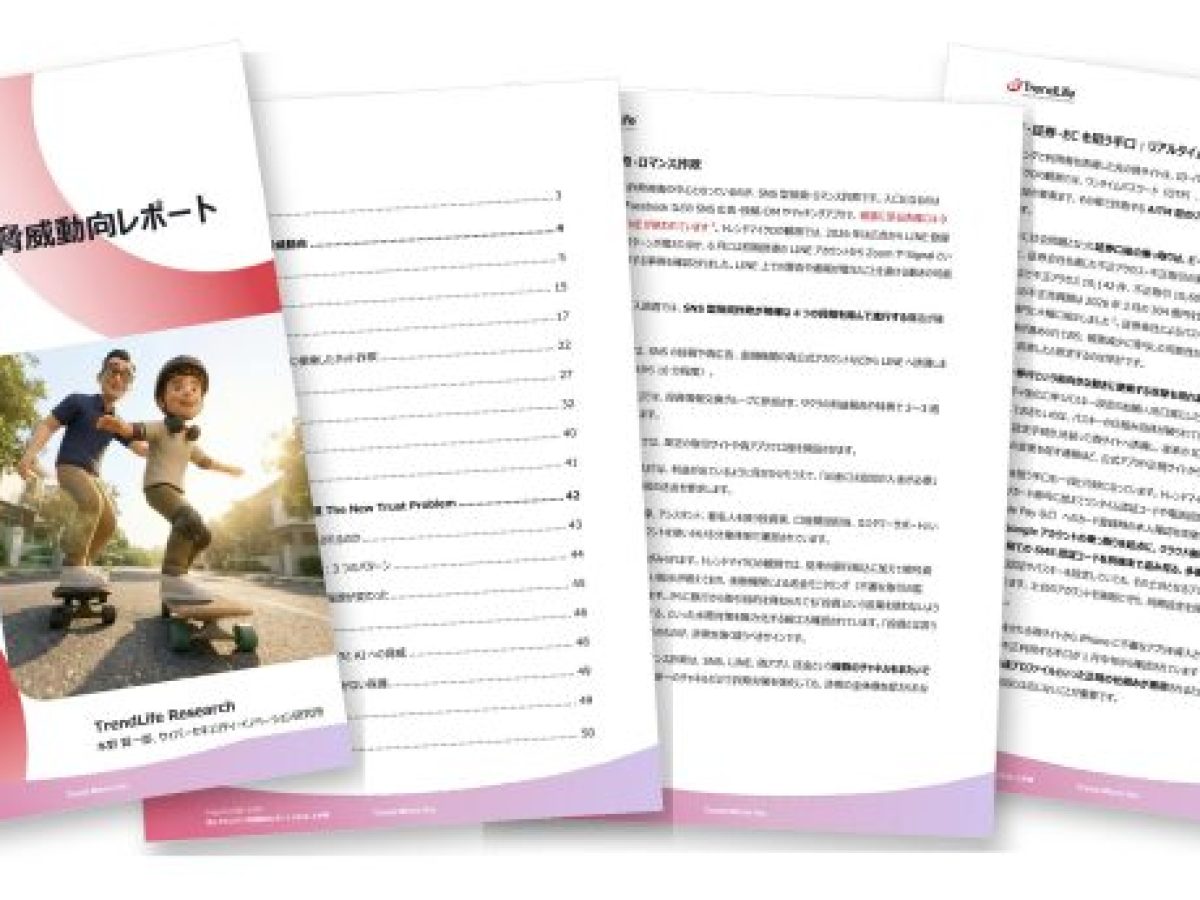
個人セキュリティ脅威動向レポート2026 上半期 ~ 個人利用者に被害をもたらす「詐欺」と「AIのリスク」~

個人セキュリティ脅威動向レポート2026年上半期を公開 | トレンドマイクロ

Russia Aims to Inject Chaos Into Elections, U.S. Intelligence Finds

沖縄知事選、X投稿88%が県外 デマや中傷拡散、結果に影響か | NEWSjp

Russian disinformation campaign sets sights on US midterms


