
A new NIH/NIAID strategic vision signals increased attention to post-infectious conditions like ME/CFS and Long COVID.
Cyclospora Boosts Fears That Worse Foodborne Outbreaks Are Ahead - KFF Health News
The recent outbreak of a foodborne parasite sickened thousands and hospitalized hundreds across the U.S. before federal investigators identified the suspected source. Food safety experts say cuts to the public health system hobbled the response — and that the next outbreak could be much worse.
Evidence mounts that Long Covid is damaging the hearts of those affected
There are also increasing signs that the condition can disrupt the autonomic nervous system

The Mysterious Vaping Illness That’s ‘Becoming an Epidemic’ (Published 2019)
A surge of severe lung ailments has baffled doctors and public health experts.

COVID antihistamine protocol
This current wave of COVID is bad, and I'm seeing a lot of people who were previously NOVID posting photos of their positive tests. I've been trying fairly diligently to get this information out on social media, because I know I follow the literature a lot more closely than a lot of people, so here
Cyclospora and salmonella outbreaks raise concerns about U.S. food safety
Public health concerns are widening as cyclosporiasis cases surge and a salmonella outbreak across 17 states has many Americans raising concerns about U.S. food safety. Back-to-back cases where people are getting sick from food have put many on edge. William Brangham discussed the concerns with Caitlin Rivers, an epidemiologist at Johns Hopkins University.
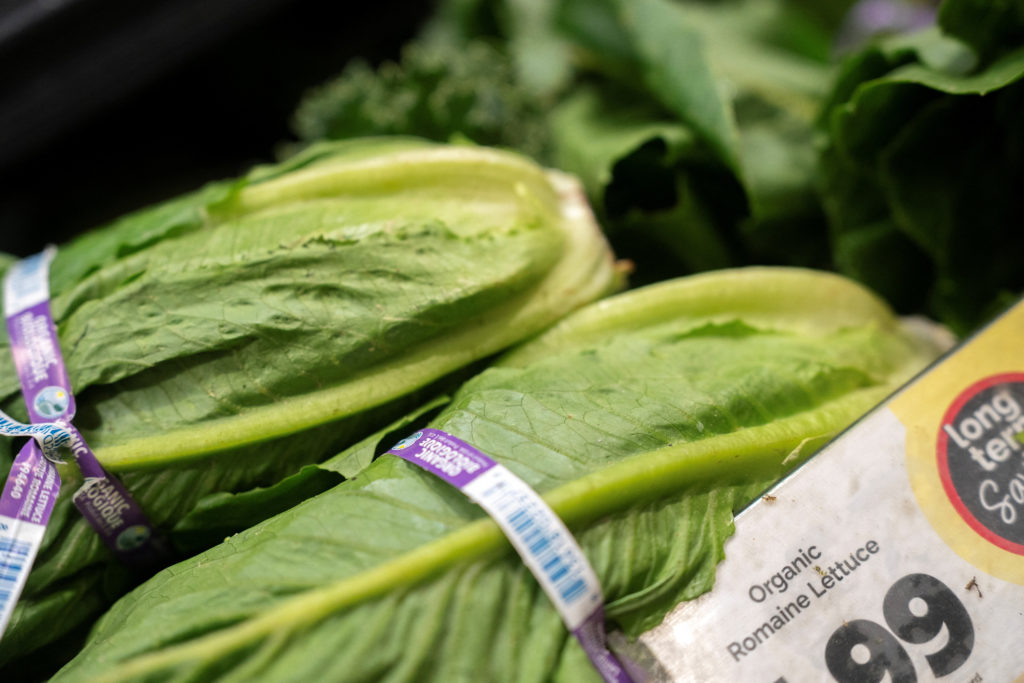
CDC Stopped Monitoring Parasite Now Causing Explosive Diarrhea Across The Country
MAHA.

The Unaimed Arrow Never Misses
In this assay, Raphael Kopan argues that focused emphasis on disease and translation stifles innovation, and outline the reasons why, in my opinion, d…
Current status and future perspectives on the mechanistic and pathophysiological understanding of long COVID
Viral and infectious illnesses can exert profound and enduring effects on population health and well-being. In the aftermath of SARS-CoV-2 infection, post-acute sequelae, collectively referred to as Long COVID, have emerged as a major global health challenge, affecting more than 400 million people and contributing to estimated annual economic costs exceeding $1 trillion. Long COVID encompasses a wide and heterogeneous spectrum of debilitating symptoms, including cognitive dysfunction, sleep disturbances, severe fatigue, and post-exertional malaise. Despite its substantial burden, fundamental uncertainties remain regarding its underlying pathophysiology, the development of robust diagnostic criteria, and the identification of effective therapeutic options. This review synthesises current evidence on the biological mechanisms thought to contribute to Long COVID, spanning immune dysregulation, viral persistence, autonomic dysfunction, microvascular pathology, and other emerging hypotheses. We examine advances and limitations in contemporary diagnostic approaches and critically appraise existing treatment strategies, highlighting inconsistencies and gaps that hinder clinical consensus. By integrating interdisciplinary insights, this review underscores the urgent need for mechanistic clarity, validated diagnostic frameworks, and rigorously evaluated treatment pathways. Addressing these gaps will be essential to developing effective, evidence-based management strategies and mitigating the long-term impact of Long COVID on global health.
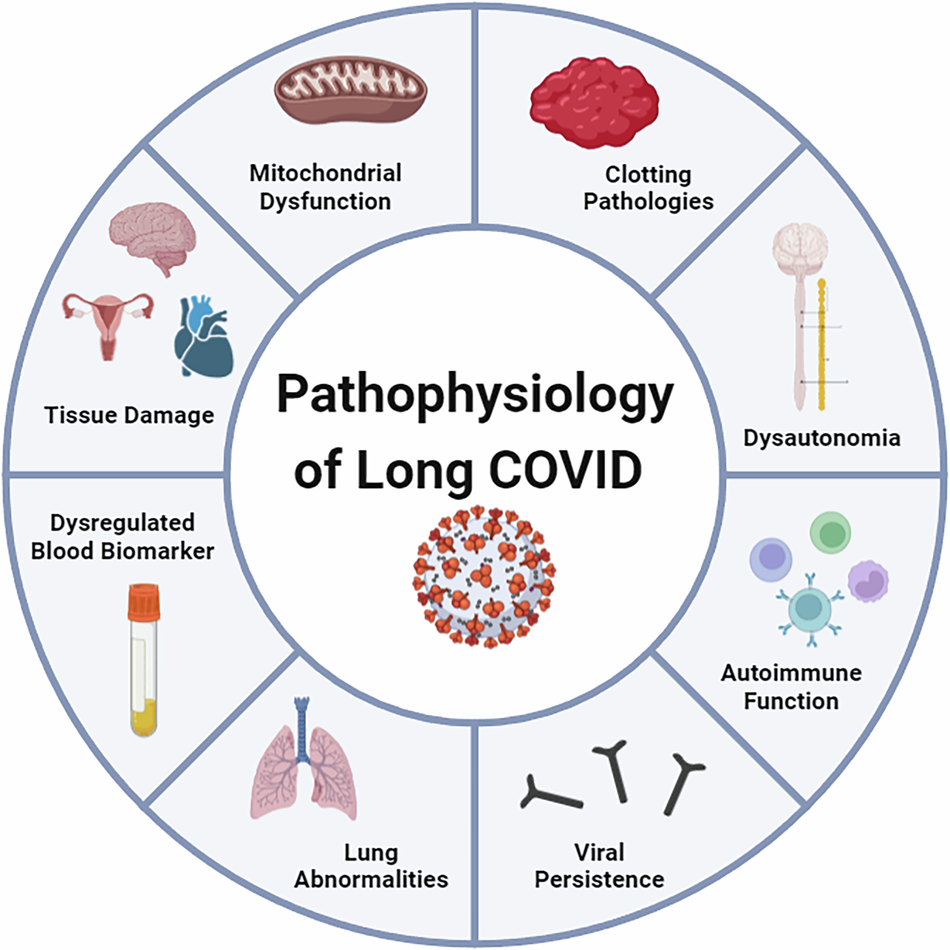
Current status and future perspectives on the mechanistic and pathophysiological understanding of long COVID
Viral and infectious illnesses can exert profound and enduring effects on population health and well-being. In the aftermath of SARS-CoV-2 infection, post-acute sequelae, collectively referred to as Long COVID, have emerged as a major global health challenge, affecting more than 400 million people and contributing to estimated annual economic costs exceeding $1 trillion. Long COVID encompasses a wide and heterogeneous spectrum of debilitating symptoms, including cognitive dysfunction, sleep disturbances, severe fatigue, and post-exertional malaise. Despite its substantial burden, fundamental uncertainties remain regarding its underlying pathophysiology, the development of robust diagnostic criteria, and the identification of effective therapeutic options. This review synthesises current evidence on the biological mechanisms thought to contribute to Long COVID, spanning immune dysregulation, viral persistence, autonomic dysfunction, microvascular pathology, and other emerging hypotheses. We examine advances and limitations in contemporary diagnostic approaches and critically appraise existing treatment strategies, highlighting inconsistencies and gaps that hinder clinical consensus. By integrating interdisciplinary insights, this review underscores the urgent need for mechanistic clarity, validated diagnostic frameworks, and rigorously evaluated treatment pathways. Addressing these gaps will be essential to developing effective, evidence-based management strategies and mitigating the long-term impact of Long COVID on global health.
Trump’s deep public health cuts hinder response to record US cyclosporiasis outbreak
Experts say layoffs, reduced disease surveillance and Medicaid cuts have made the foodborne parasite more difficult to track and contain
The unprecedented and deadly cruise ship hantavirus outbreak, explained
This is not COVID," and other reasons why risk to the public is currently low.

Scientists Say LLMs Appear to Be Acting as a Cognitive Virus Among Humans
AI's wide proliferation shares some striking similarities with the ways viruses spread, as an international team of researchers argue.

Archive: New COVID-19 ‘Citizen Science’ Initiative Lets Any Adult with a Smartphone Help to Fight Coronavirus
The online study would try to help researchers gain insight into how the virus is spreading and identify ways to predict and reduce the number of new infections.

The CDC Has a Cyclospora Lab. DOGE Downsized It Last Year
“Based on simple math, these outbreak responses—which require rapid, timely responses—are going to be greatly diminished,” the former CDC lab director tells WIRED.

COVID-19 Vaccines Aren’t Causing AIDS
The truth behind a new preprint from a team at Yale