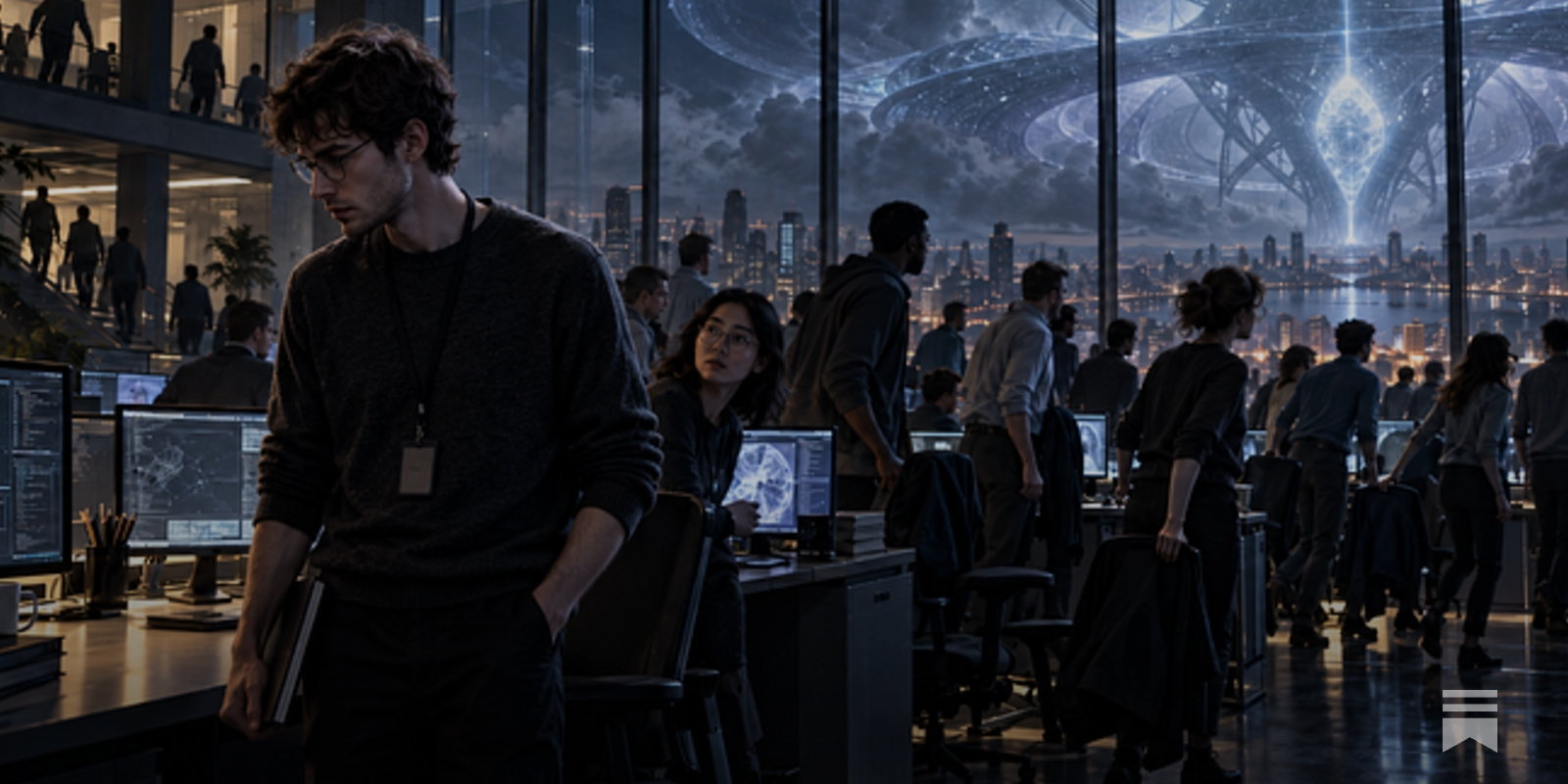
I listened to the recent Ezra Klein interview with Nvidia CEO Jensen Huang, which seems to be something of a Rorschach test for AI doomerism: if you are inclined to see doom, Jensen sounds dismissive, but if you (like me) do not fear for the future of humanity at the (metaphorical!) hands of a computer program, Jensen’s responses seem very reasonable. (With some exception: does this guy really not know his own zip code?!)
Steven Pinker Replies to Scott Alexander on AI
The dangers of AI are real, but doomerism may be counterproductive.

“Parasitic Technology”: Could Jensen Huang/Nvidia Scandal Prompt Rethink About AI?
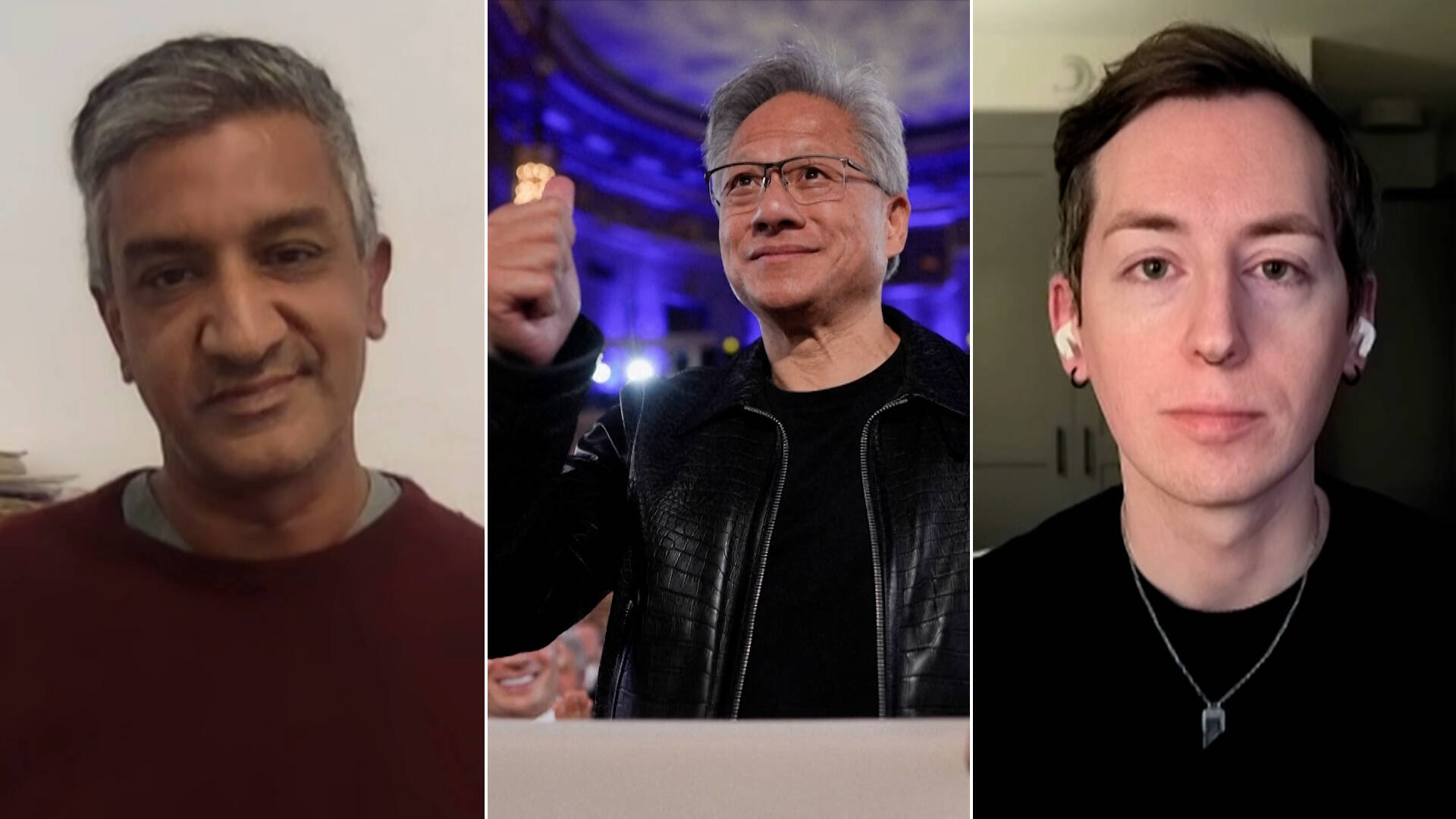
Nvidia CEO Jensen Huang resigned Thursday after reports of multiple extramarital affairs, including with an employee and a Chinese businesswoman whom U.S. intelligence officials accuse of spying for Beijing. The company says Chief Financial Officer Colette Kress will serve as interim CEO as the board searches for a permanent replacement. Nvidia’s computer chips are at the heart of the artificial intelligence boom, driving the company’s value above $4 trillion and making Huang one of the most influential business leaders in the world. His spectacular fall from the company he co-founded in 1993 comes as the U.S. stock market has become highly dependent on a handful of AI-related companies and amid intense competition between the United States and China over control of the technology, with access to Nvidia’s chips becoming a major point of contention between the two countries. Tech critic Paris Marx notes that the AI industry’s “circular financing,” in which companies are both clients and investors for one another, has created systemic risk. We also speak with Ramesh Srinivasan, director of the AI Futures Lab at UCLA, who says the “soap opera” of the Huang scandal has exposed “how precarious the governance of this AI truly is,” with only a handful of people and firms controlling “incredibly powerful technology that feeds off of all of us and the planet.”
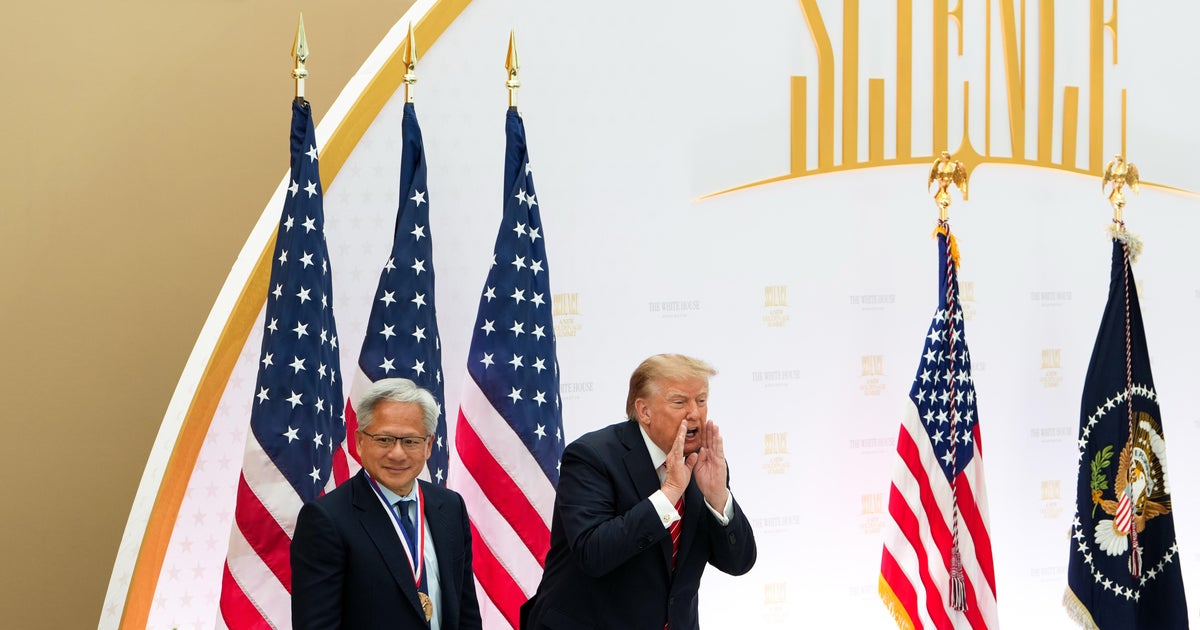
AI Doomsday Bullshit Is Getting Tired
The "rogue AI" narrative continues to help obscure very ugly and avoidable human failures.

Jensen Huang Really Liked Selling China Advanced AI Chips
This scandal is a really big deal.

Trump says he spoke to Nvidia board and "convinced them" to reinstate Jensen Huang
President Trump claimed the government "has no reason to believe" Jensen Huang's return is a national security risk.
Freefall 4399 July 13, 2026
TRANSCRIPT Sam: Telling the computer what I want to have done. It makes my job easy. I don't know how it works. I don't know what I'm actually doing. Sam: I've always assumed the other guys know what they're doing. If they're using A.I. as well... this could be a problem. Sam: It makes it too obvious that almost nobody knows what they're actually doing. That destroys one of the illusions societies are built on.
AI Doomsday Panic Is Completely Out Of Control
The press obsession with software-powered doomsday is a misdirection overshadowing a much deadlier reality: our public interest regulators no longer function.

How Nvidia’s Jensen Huang became AI’s global salesman
Chipmaker’s chief is urging countries to build their own AI ecosystems — but using its tech

Doom Analysis
pirate wires #164 // if we keep building artificial intelligence, are you, and everyone you know

AI Doomers Are Starting to Admit It: They’re Going Too Far
One of the biggest doomsayers of artificial intelligence has done an about-face—and it could help save the world.
Doomscrolling
Doomscrolling is the act of spending an excessive amount of time on digital content that elicit negative emotions. The concept was coined around 2018, and became more widespread in the context of the COVID-19 pandemic. The World Health Organization (WHO) observed that the pandemic was accompanied by widespread misleading information, conspiracy theories, and false reports, which it referred to as an "infodemic".

On AI Coding and Its Discontents - Cal Newport
Back in January, I received a note from a senior software engineer in Silicon Valley. He described himself as an AI skeptic who became converted ... Read more
The Phony Comforts of AI Optimism
A few months ago, Casey Newton of Platformer ran a piece called "The phony comforts of AI skepticism," framing those who would criticize generative AI as "having fun," damning them as "hyper-fixated on the things [AI] can't do." I am not going to focus too hard on this

For years, they warned AI could kill all humans. Now people are listening.
A doomsaying community once on the periphery of the tech industry has gained influence, as AI “agents” perform amazing and alarming feats.

Jacob Coxon Warns of Human Extinction and Triggers a Preference Cascade
CEOs of major AI labs, and employees of major AI labs, including OpenAI and Anthropic, often say they plan to build superintelligence soon, as in within a few years create AIs that are superior to humans at essentially all cognitive tasks.