


This is blog #3 in the BCCLA's series to assist the public in understanding and submitting their comments to Canada's national security consultation.
Did CSIS break the law by spying on pipeline protesters? | CBC News
A federal committee is holding a hearing into a complaint that the Canadian Security Intelligence Service illegally spied on peaceful anti-pipeline protesters in B.C.

Police, Power and Privacy: Top secret RCMP files reveal digital roadblocks in terrorism, major crime cases | CBC News
Police, Power and Privacy is a special 5-part investigative series that looks at why police across the country want new powers to track tech-savvy suspects, and why privacy advocates say they should be denied.

In scathing ruling, Federal Court says CSIS bulk data collection illegal
Federal Court of Canada also reveals that CSIS no longer needs warrants to collect Canadians’ tax records because of changes wrought by Bill C-51
We Hunted Hidden Secret Police Signals at the DNC in Chicago
The US is a secret police state. Using special software, WIRED collected signals from nearly 300,000 devices, revealing vulnerabilities for both law enforcement and everyday citizens alike.

Why the U.S. is noticing this Canadian security bill | CBC News
A Liberal government bill that proposes giving police and spies easier access to information during investigations has fallen into the crosshairs of U.S. tech giants and two American congressional committees, threatening to become the latest irritant in the Canada-U.S. relationship.

CSE: What do we know about Canada's eavesdropping agency? | CBC News
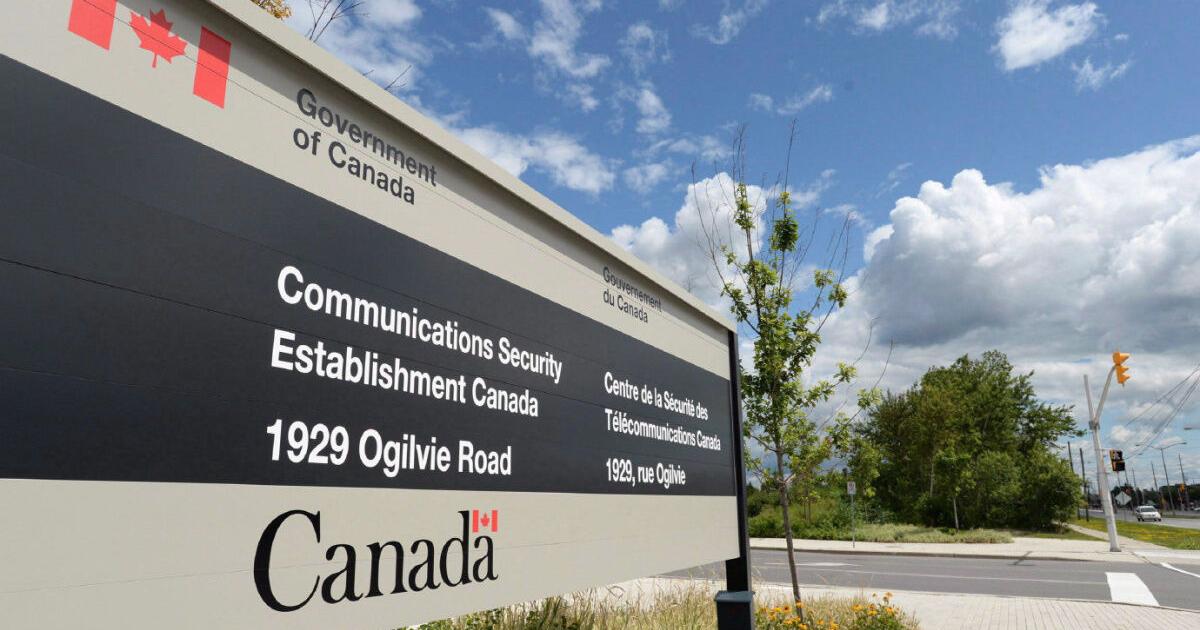
CBC News takes a closer look at the activities of one of Canada's most secretive agencies, the Communications Security Establishment.

New powers for Canadian spy agency alarming
Bill C-59 could normalize state-sponsored hacking and disinformation campaigns, university organization warns.
News - Vancouver Police Department

Privacy czar wants better oversight of Canada's spy agencies | CBC News
Spy agencies must be accountable to Canadians for what they do with personal information, says interim privacy commissioner Chantal Bernier in a special report released today.

Inside the secret world of the corporate spies who infiltrate protests
Major firms hiring people from corporate security firms to monitor and infiltrate political groups that object to their commercial activities

Vancouver police defend using StingRay cellphone surveillance almost a decade ago | CBC News
The B.C. Civil Liberties Association says it has confirmed Vancouver police have used a controversial cellphone surveillance device — a StingRay — at least once.

The Matrix - The Center for Evidence-Based Crime Policy (CEBCP)
The Evidence-Based Policing Matrix What strategies can be effective in reducing crime and disorder in policing? The Evidence-Based Policing Matrix is a research-to-practice translation tool that collects, summarizes, and organizes moderate to very rigorous evaluations of police interventions, allowing agencies and researchers to view the field of research in this area. The Matrix includes studies…
Journalists and Researchers: How to Examine FBI Crime Data for Your Community
Here’s what to know about NIBRS, the FBI’s program for collecting police data from 15,000 agencies across the U.S.
California Police Are Sharing Facial Recognition Databases to ID Suspects
New emails reveal how a private technology company is working to change law enforcement as we know it

The Lawful Access Two-Headed Surveillance Monster: How Bill C-22 Went Off the Rails - Michael Geist
The government’s plans for lawful access have gone off the rails. In recent days, Signal has warned it would pull out of the Canadian market rather than comply with Bill C-22. Windscribe, the Toronto-headquartered VPN provider, has said it would relocate its headquarters out of Canada and NordVPN has warned it would consider following suit. Apple and Meta have both raised public concerns about the bill’s effect on encryption and cybersecurity. The Canadian Chamber of Commerce, the Cybersecurity Advisors Network, civil liberties groups, and a long line of legal and security experts have all called for changes. The chairs of the U.S. House Judiciary and Foreign Affairs Committees have written to Public Safety Minister Gary Anandasangaree warning that the bill threatens U.S. national security and the integrity of cross-border data flows. Even the bill’s own oversight body, the National Security and Intelligence Review Agency, has told the SECU committee it does not have the access it needs for effective oversight. If the government thought it could push through the bill largely unnoticed, it has been proven painfully wrong as there are now trade frictions with the U.S., the prospect of leading companies exiting the Canadian market, and weaker cybersecurity protections for ordinary users. How did Canada’s lawful access plan go awry so quickly?

Surveillance Self-Defense
We’re the Electronic Frontier Foundation, a member-supported non-profit working to protect online privacy for over thirty-five years. This is Surveillance Self-Defense: our expert guide to protecting you and your friends from online spying. Read the BASICS to find out how online surveillance works. Dive into our TOOL GUIDES for instructions...