

I hate ads. I also hate tracking and bloat. But I didn't actually hate the latter quite enough to get rid of Disqus for comments. It was a free, good service, and you could turn off ads for the users (which I did).
What's with "Discuss on Mastodon"?
Originally I thought about giving this thread a more general title like “indie web comment options,” but then I figured let’s cut to the chase: I want to understand the prevalence of Mastodon links being used at the end of indie web posts in place of a comment section. Here are some posts about using Mastodon as an alternative to a comment section: Murteza Yesil: How do I comment/reply to your posts? Beetle Space: Adding Fediverse Comments to My Static Site Beej’s Bit Bucket: Mastodon Comment...

dpecos/mastodon-comments
Webcomponent that embeds a Mastodon's toot conversation in a HTML page
Research - Disqus
Disqus is a global comment system that improves discussion on websites and connects conversations across the web.
Using Ads to Sustain Open Source
Why someone who loves Privacy Badger, uses a non-tracking browser, and never cared for ads, is advocating their ethical use for open…
Mastodon Exit Interview
I am currently winding down the Mastodon bots I used to post sunrise and sunset times. The precipitating event is that the admin of the instance hosting the associated accounts demanded they be made nigh-undiscoverable, but the underlying cause is that it’s become increasing clear that Mastodon isn’t, and won’t ever be, a good platform for “asynchronous ephemeral notifications of any kind”. I’d also argue (more controversially) that it’s simply not good infrastructure for social networking of any kind. There are lots of interesting people using Mastodon, and I’m sure it will live on as a good-enough space for certain niche groups. But there is no question that it will never offer the fun of early Twitter, let alone the vibrancy of Twitter during its growth phase. I’ve long since dropped Mastodon from my home screen, and have switched to Bluesky for text-centric social media.
Ads and Ad blockers
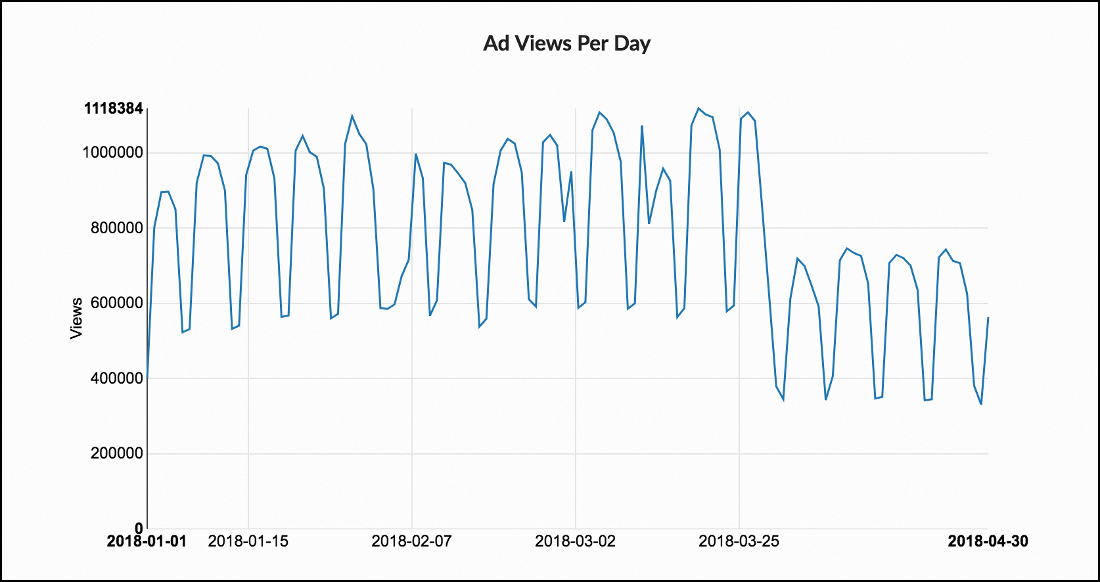
Last time, we shared how ethical advertising works to keep Read the Docs sustainable without creepy ad targeting. This time, we will share about one of our biggest challenges with advertising. At the beginning of April, Read the Docs was added to one of the most popular ad block lists: the Easyli...
Mozilla and the Washington Post Are Reinventing Online Comments | The Mozilla Blog
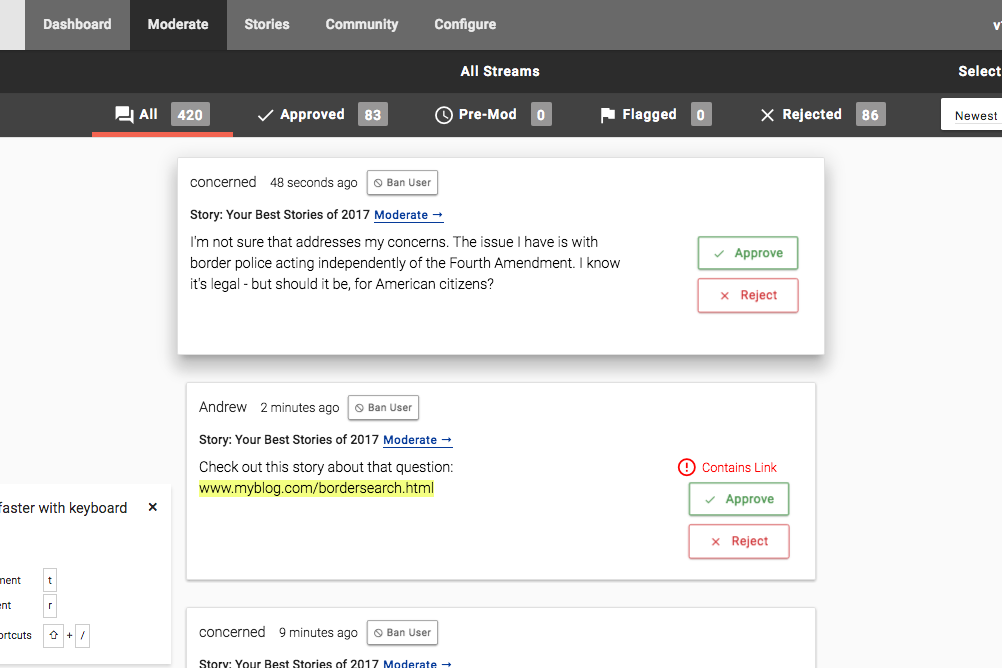
To engage readers, build community, and strengthen journalism, Mozilla’s open-source commenting platform will be integrated across washingtonpost.com
Privacy vs. Profit: The Impact of Google's Manifest Version 3 (MV3) Update on Ad Blocker Effectiveness
Google's recent update to the manifest file for Chrome browser extensions, transitioning from manifest version 2 (MV2) to manifest version 3 (MV3), has raised concerns among users and ad blocker providers, who worry that the new restrictions, notably the shift from the powerful WebRequest API to the more restrictive DeclarativeNetRequest API, might reduce ad blocker effectiveness. Because ad blockers play a vital role for millions of users seeking a more private and ad-free browsing experience, this study empirically investigates how the MV3 update affects their ability to block ads and trackers. Through a browser-based experiment conducted across multiple samples of ad-supported websites, we compare the MV3 to MV2 instances of four widely used ad blockers. Our results reveal no statistically significant reduction in ad-blocking or anti-tracking effectiveness for MV3 ad blockers compared to their MV2 counterparts, and in some cases, MV3 instances even exhibit slight improvements in blocking trackers. These findings are reassuring for users, indicating that the MV3 instances of popular ad blockers continue to provide effective protection against intrusive ads and privacy-infringing trackers. While some uncertainties remain, ad blocker providers appear to have successfully navigated the MV3 update, finding solutions that maintain the core functionality of their extensions.

A Brief History of the End of the Comments
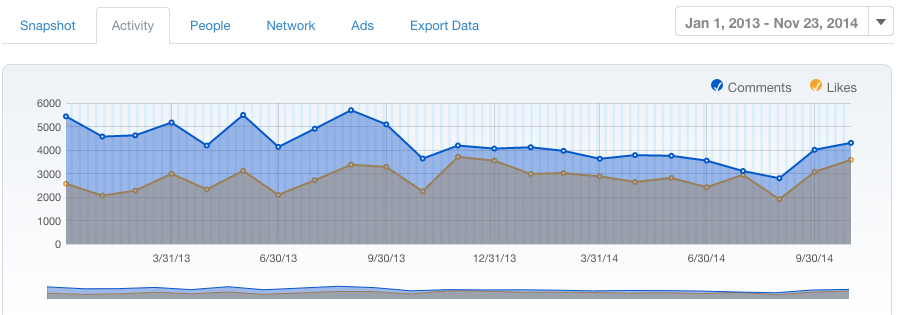
For years, comment boxes have been a staple of the online experience. Now many media companies are giving up on them.

Mastodon and the Fediverse is too noisy. Why?
Mastodon and most Fediverse platforms may be better than traditional social networks at interoperability but they don’t do much about other issues. In fact, they largely copy these issues straight from the social media giants. Most Fediverse platforms, including Mastodon, publicly display follower counts, like (favorite) counts, and share
Thank you for ad blocking | thankyouforadblocking.com is a public awareness campaign focused on increasing awareness about the danger associated with online advertising.
I became interested with the topics of privacy and internet user rights more than 20 years ago in my native Finland, which at the time was toted as the first information society in the world. I was one of the first commercial internet developers, and became fascinated with the user data aspect of the internet the moment I saw awstats for the first time. It was an early server-log based web analytics solution, in the time when there were no tracking tag based solutions available. The idea of allowing 3rd-party tags on websites came later. Today it is not hard to find premium websites with more than 100 such 3rd-party tags.
How Does Mastodon Work? - Kev Quirk
I’ve spoken about Mastodon numerous times on this blog. It is the social media platform I use more than any other, but for a new user it can be confusing because it doesn’t work like other social media sites.
Comments Are Dead, Long Live Comments - AVC
Yet another mainstream media site took down comments this week. In the post explaining the move, Walt Mossberg and Kara Swisher explained that “as social media has continued its robust growth, the bulk of discussion of our stories is increasingly taking place there, making onsite comments less and less used and less and less useful.” […]
I've heard feedback on the @markpub.at lexicon! Thanks to @bmann.ca @blaine.bsky.social @thisismissem.social and others who have given really useful comments. I've published a new version for comment that is still very simple, but has more room for flexibility. Let me know what you think! markpub.at
Markpub.at Markdown Lexicon
markpub.at