In the spirit of falsehoods programmers believe about names and time, here’s some falsehoods about email which are all too common.
Falsehoods Programmers Believe About Names | Kalzumeus Software
Classic essay about how software routinely bumbles human names.
Deepfakes, Scams, and the Age of Paranoia
As AI-driven fraud becomes increasingly common, more people feel the need to verify every interaction they have online.
Email address obfuscation: What works in 2026?
Here are some of the best techniques for keeping email addresses hidden from spammers—along with the statistics on how likely they are to be broken.
Email address obfuscation: What works in 2026?
Here are some of the best techniques for keeping email addresses hidden from spammers—along with the statistics on how likely they are to be broken.
Email Doesn't Suck. It's Email Clients That Need Improving
Don't hate the technology, hate the implementation.

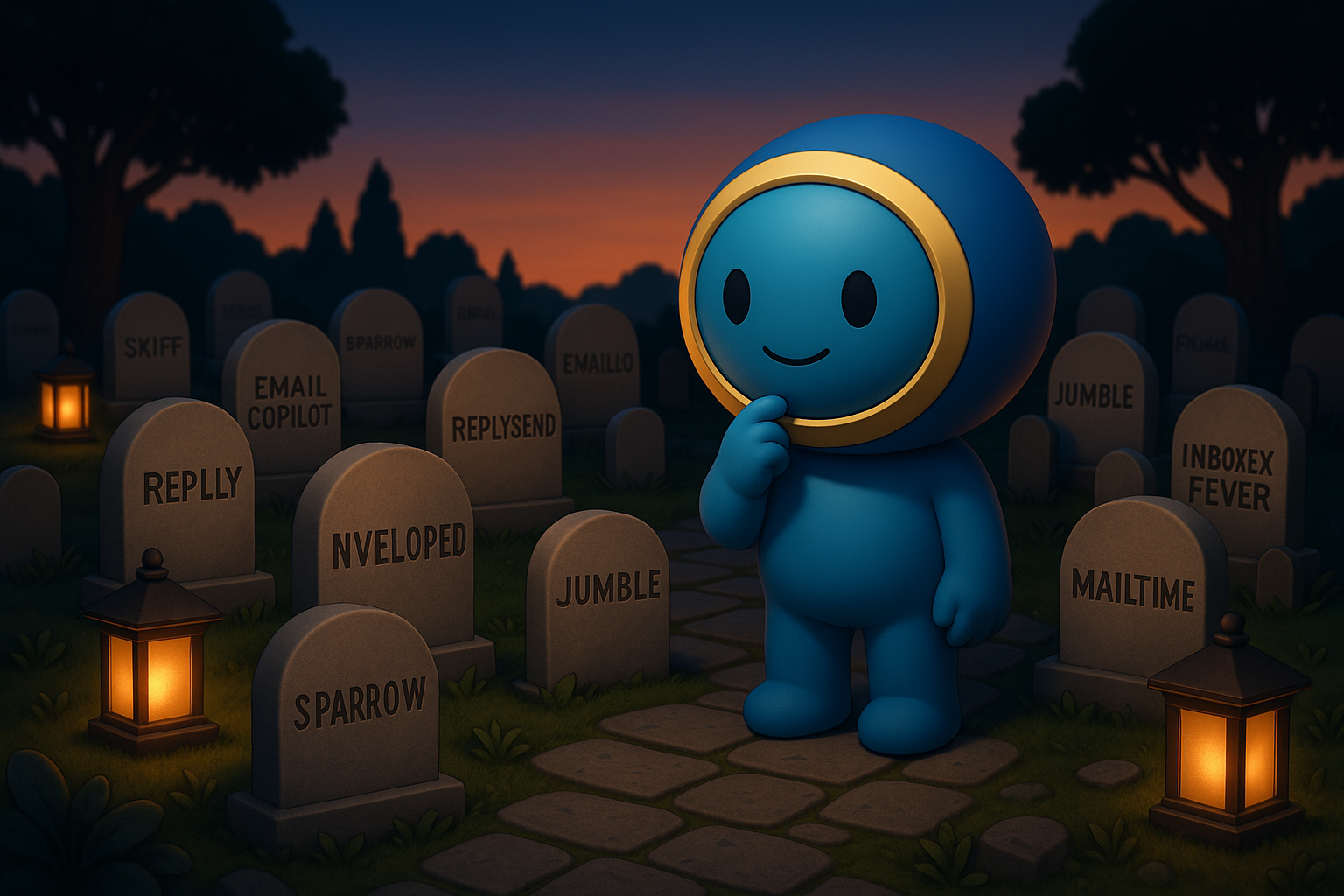
Case Study: Email Startups
Comprehensive analysis of email startup failures. Why most email companies fail, burn millions in VC funding, and shut down. Learn what actually works.
Email Isn’t The Thing You’re Bad At
You and me, we’re bad at a lot of things. But email isn’t one of those things, no matter how much it seems like it.

Have I Been Pwned: Check if your email address has been exposed in a data breach
Search tens of billions of breached records, monitor corporate domains via API, and get alerted when credentials are exposed. Trusted by security teams, MSSPs, and government agencies worldwide.
Google research shows the fast rise of AI-generated misinformation | CBC News
From fake images of war to celebrity hoaxes, AI technology has spawned new forms of reality-warping misinformation online. New analysis co-authored by Google researchers shows just how quickly the problem has grown.

Mailing-List 2.0: Discourse
You got a few people working on something and you seek for an efficient way to communicate (ideas, news, messages, etc.) online. This guide gives you an overview about what you could expect in the past and what you should ask for nowadays. Mails According to Wikipedia, the first mail was sent in 1971. The access to a network we call Internet today was quite limited in these early days. Users have been mostly universities, and I guess, not everyone, but mostly the STEM disciplines Science, Technology, Engineering, and Mathematics. So it comes at no surprise that mails are perceived as inconvenient and antiquated.
Oh God, It's Raining Newsletters
On the rise of newsletter production, consumption, and monetization, and how email is one of the most powerful and resilient publishing platforms.

Let's normalize debunking each other
The spread of misinformation has become an epidemic, but information hygiene can help.
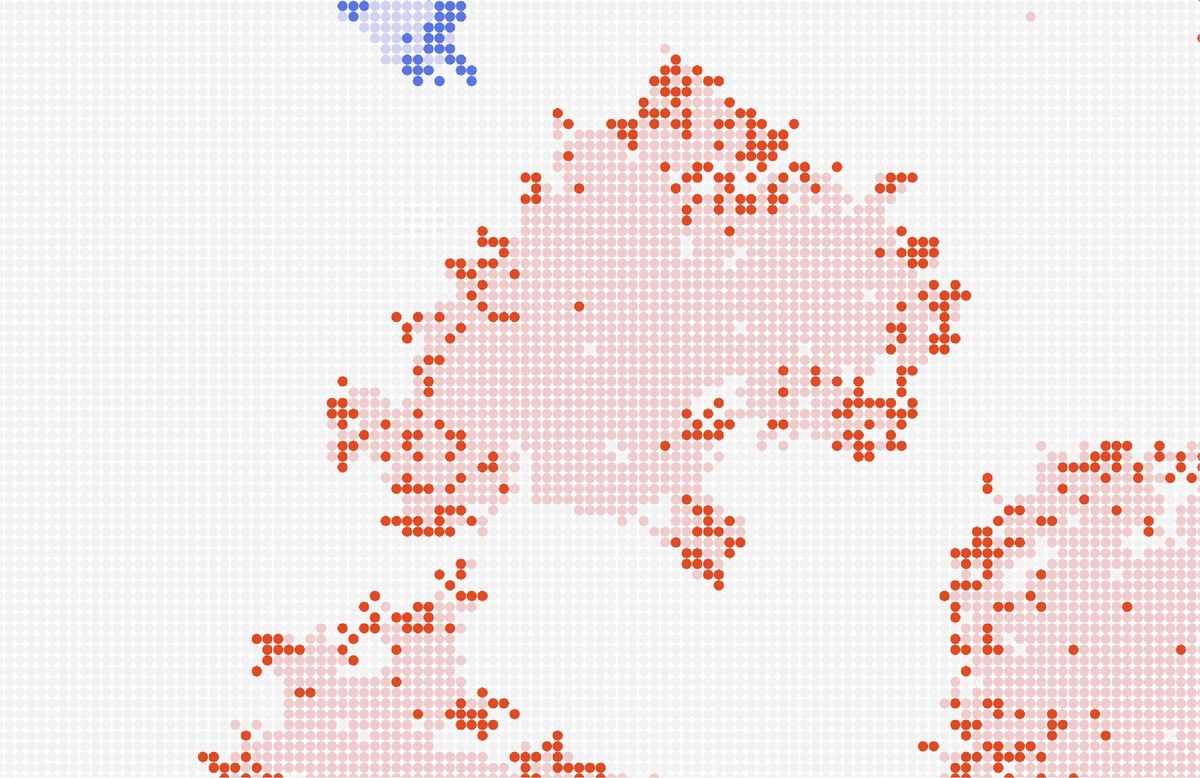
How Social Media Rewards Misinformation
A majority of false stories are spread by a small number of frequent users, suggests a new study co-authored by Yale SOM’s Gizem Ceylan. But they can be taught to change their ways.

Hey ChatGPT, write me a fictional paper: these LLMs are willing to commit academic fraud
Mainstream chatbots presented varying levels of resistance to deliberate requests for fabrication, study finds
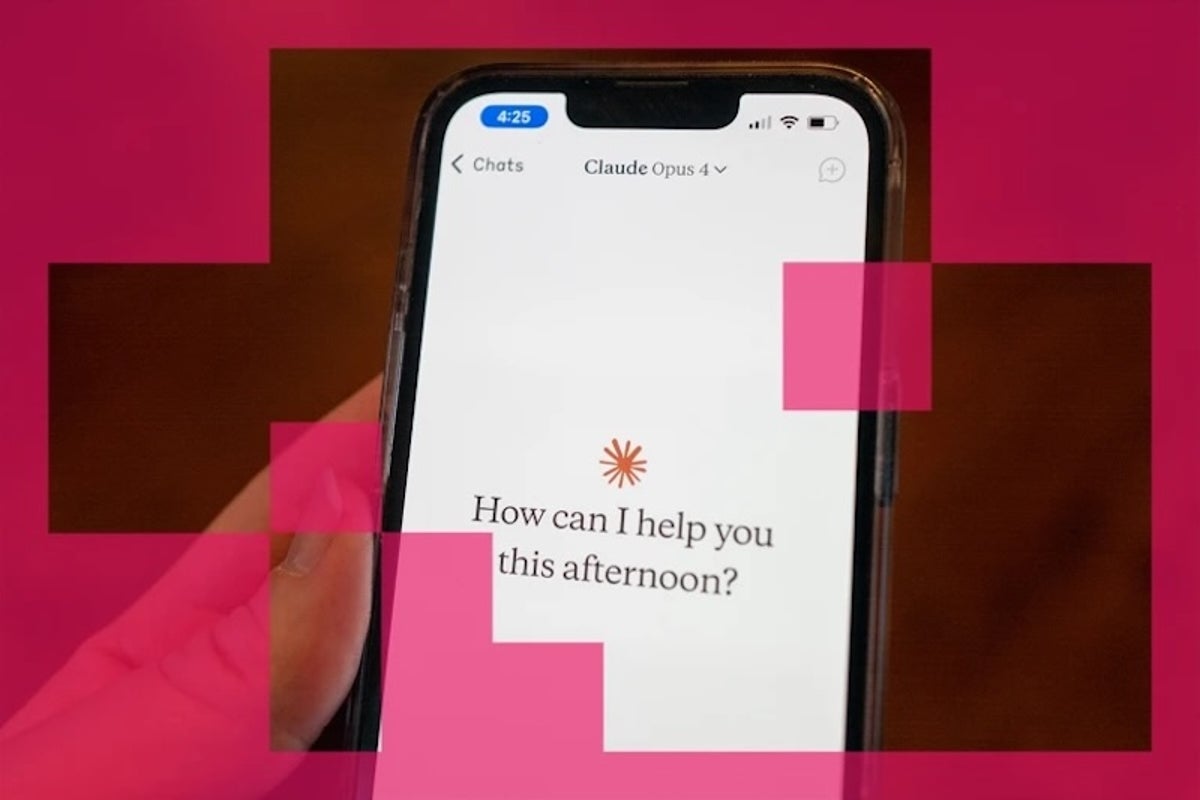
AI False Claims Monitor
As the domain experts in data reliability in the topic of news and information, NewsGuard provides the leading red-teaming analysis for information reliability. AI models continue to face significant challenges in ensuring their models provide safe, accurate responses to prompts instead of spreading false claims on the internet or refusing to respond to topics in the news.
The Era Of The Business Idiot
Fair warning: this is the longest thing I've written on this newsletter. I do apologize. Soundtrack: EL-P - $4 Vic Listen to my podcast Better Offline. We have merch. Last week, Bloomberg profiled Microsoft CEO Satya Nadella, revealing that he's either a liar or a specific kind of