


Dad of three incredible girls, I’m a silicon security architect at Meta, ex-Intel. In my free time, I enjoy kitesurfing and photography, capturing the breathtaking scenery of the Pacific Northwest.
Ciao, sono Marco
Hi! I'm Marco: web developer, amateur photographer, mountain wanderer, cooking lover, tinkerer.
Samuel Krug VFX
Damir Modyarov ✦ @otomir23
Damir Modyarov is a web developer, UI/UX designer, thing tinkerer, lazy catboy and everything in between.



Diplo - Live in Rishikesh, India (Full Set)
Seeking a $54 billion arsenal of killer drones, Pentagon turns to former hobbyists
A company that uses drones to analyze golf course grass. Another linked to a firm that hosts aerial light shows. And one founded by a 23-year-old former drone racing world champion. Any of them, the P...

Wesley Finck (@wesleyfinck.org)
co-founding @cosmik.network building @semble.so writing notes.wesleyfinck.org

OXXXYMIRON — ОРГАНИЗАЦИЯ
Toni Lijic, Designer
A software designer with a scientific background who loves building random whimsical things, books, art and anything orange.

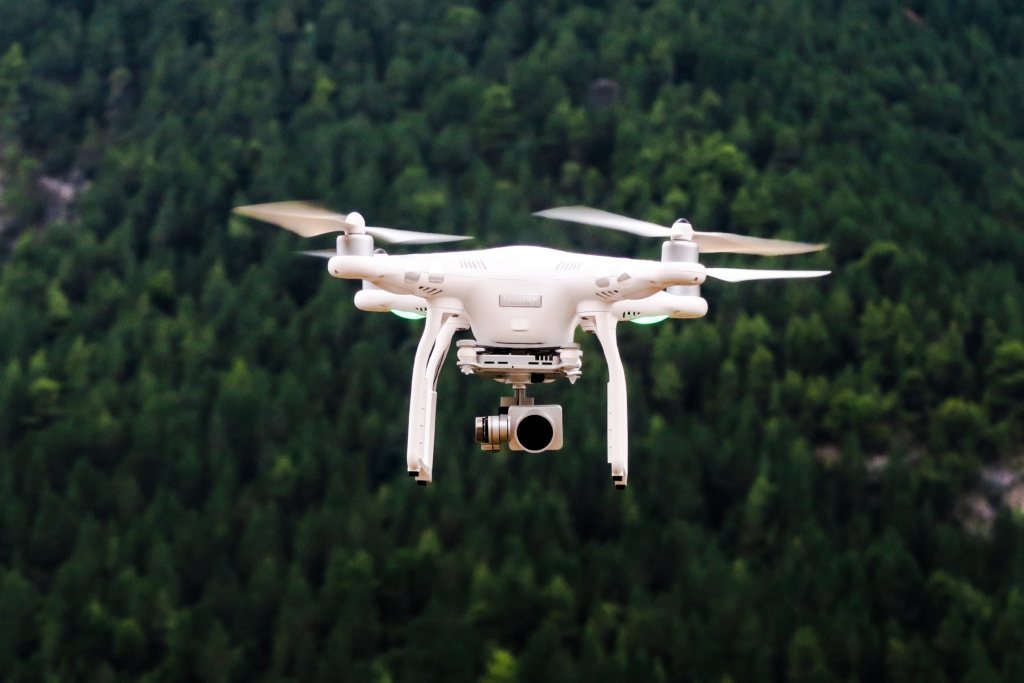
Drones in Visual Culture / Anna Jackman Converses with Elisa Serafinelli and Lauren Alex O’Hagan about Their Work - ASAP/Review
In recent years, the expansion of camera-laden drones has enabled and ushered in the production and consumption of new visual perspectives. Drone visuals are rapidly becoming part of our sociocultural imaginaries, at once generating distinct images that differ from traditional visual conventions and producing unexpected perspectives of the world that reveal hidden aspects of our surroundings.
Books — Sharon Weinberger
Drawing on deep, exclusive reporting, a veteran national security correspondent reveals how a new military-industrial complex is arising from the cradle of Silicon Valley, with vast implications for American democracy and the global balance of power.Elon Musk, Peter Thiel, and Alexander Karp. These tech titans are fast becoming some of the most powerful figures in the realm of national security, with enormous implications for us all. As Sharon Weinberger reveals in this gripping account, the American military and spy agencies helped to create Silicon Valley as we now know it, and some of its biggest and most valuable companies today owe much of their success to the Pentagon and CIA. Beginning with the War on Terror and accelerating under Donald Trump, however, the old alliance between elected leaders in Washington and the unelected CEOs of Silicon Valley has grown increasingly uneasy as power has shifted to the private sector and Big Tech exerts greater and greater influence over its old patrons. Companies such as SpaceX and Palantir, along with newer entrants to the field such as Anduril, are proudly supporting—and quietly shaping—US national defense, whether by providing spies and soldiers with AI and cloud-computing tools or actual military hardware such as microwave weapons, hypersonic missiles, and advanced drones. The implications of this historic shift are poorly understood and fraught with peril. What happens when mercurial billionaires like Elon Musk control weapons and technologies that were once the preserve of the US government? How will this new military-industrial complex affect the way wars are fought, or even which wars are fought? That is the urgent question before us today, at the dawn of this new era—and as Weinberger reveals, it is one on which our collective future might well hinge.