

It's your turn to have ultimate control over one of society's most powerful element, all of its money. You get to decide how much is available and how costly it is to borrow. Can you do a better job of controlling inflation than Christine Lagarde or Jay Powell? Can you limit unemployment and help your economy grow production? Play SimCB here.
What if We’re Thinking About Inflation All Wrong?
Isabella Weber’s heterodox ideas about government price controls are transforming policy in the United States and across Europe.

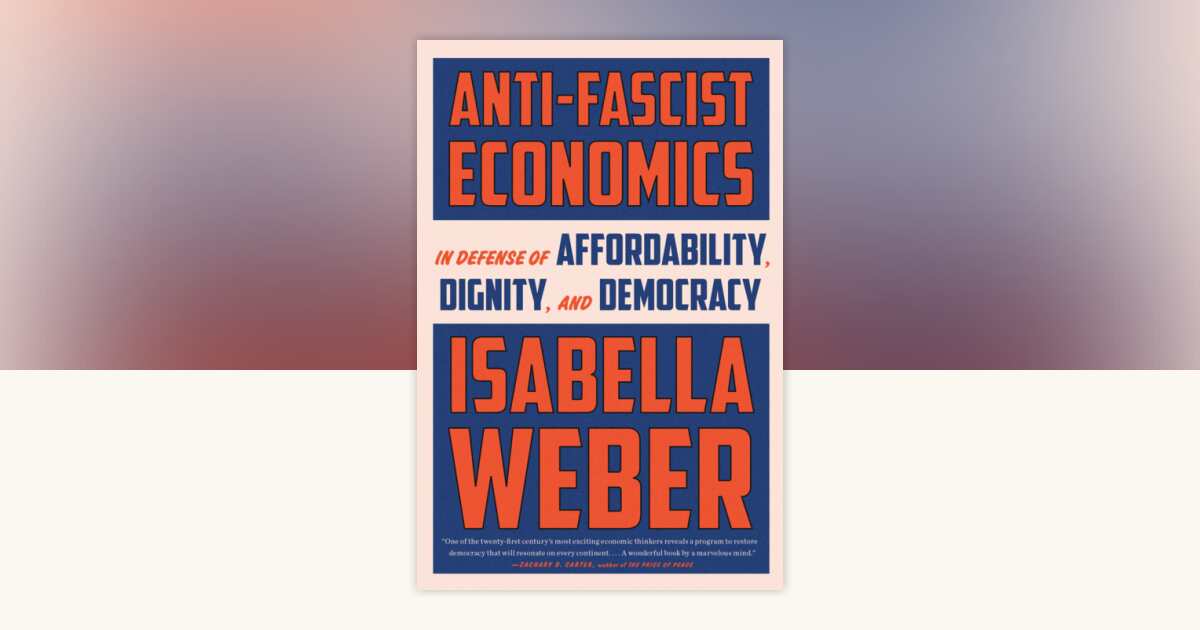
Anti-Fascist Economics by Isabella Weber: 9798217154432 | PenguinRandomHouse.com: Books
As inequality, inflation, and overwhelming corporate power threaten democracy, a rising-star economist asks what it would mean to create an anti-fascist economics that guarantees dignity for all....
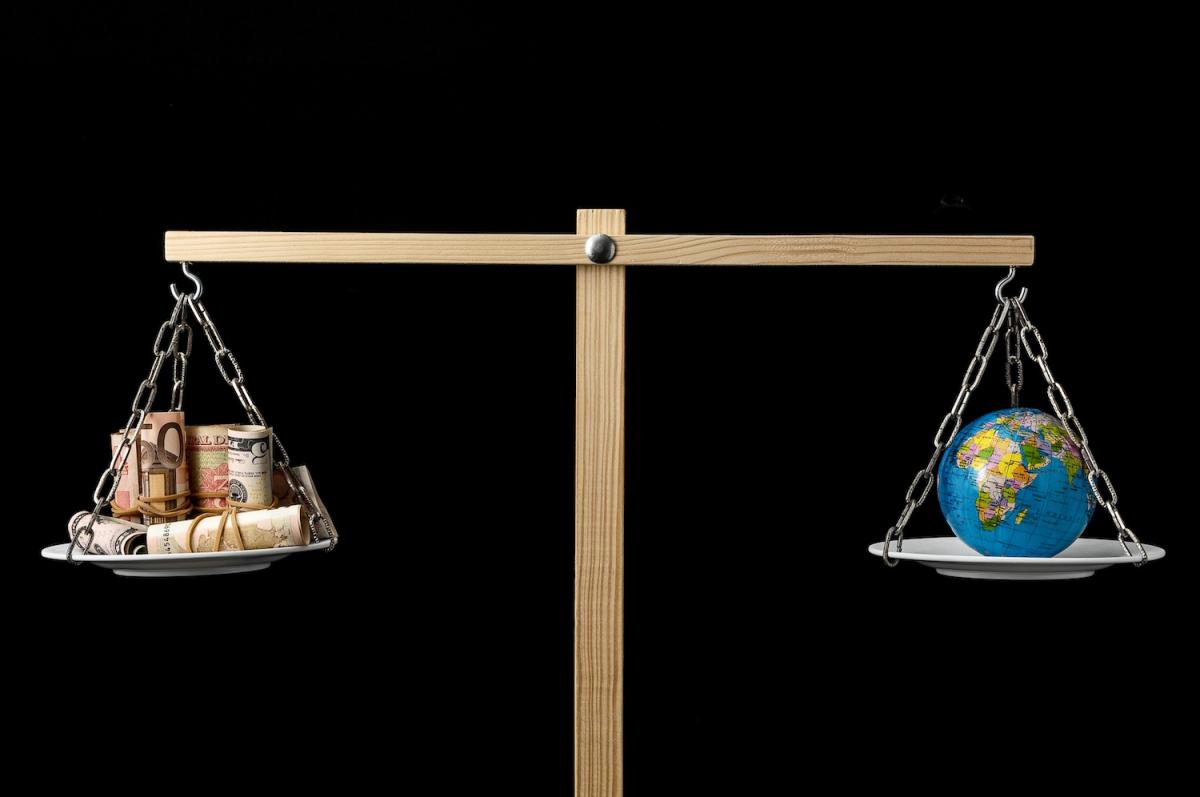
Exocapitalism: economies with absolutely no limits
There is a touch of destiny with this one. We have real…

Looking for a “fair” international monetary system
President Trump’s Chief Economic Adviser, Stephen Miran, has claimed that the international monetary system in which the US provides the rest of the world with a safe, liquid asset is “unfair” as it supposedly prevents the US from eliminating its current account deficit. His proposed solution is to lower the value of the dollar through coordinated currency market intervention by foreign central banks. This column finds the idea that there could be lasting reversal of exchange rates following an international currency agreement highly speculative, and argues that a multipolar system would attenuate the Triffin dilemma and provide the US with a deficit-adjustment tool.
Inflation Funding in Practice in Delegated Stake Based Protocols
One of the trickiest challenges in the decentralized governance of blockchain protocols is figuring out how to continue to fund and…

annotations: Quelles leçons pouvons-nous tirer de la bulle inflationniste de 2021-2023 ?
Blog de sciences économiques et sociales de Martin Anota. Traductions, revues de presse.
Bill Janeway on Who Should Be in Control
Today: A veteran venture capitalist’s insights on why a founder’s control shouldn’t be entrenched.

Power: A Primer for Perplexed Economists
Let's Assume an Unfettered Marketplace of Ideas! Or Actually, Let's Not.
L’inflation, les anticipations d’inflation et la politique monétaire : qu’a-t-on appris depuis la pandémie ?
Les anticipations d’inflation tiennent une place de premier plan dans la macroéconomie moderne [Kose et alii, 2019]. Les modèles monétaristes, nouveaux classiques, puis nouveaux keynésiens, leur font jouer un rôle clé dans la mécanique de l’inflation....
Report - Brace for Impact: Protecting People and the Economy when the AI Bubble Bursts — Open Markets Institute
Our report in partnership with Americans for Financial Reform outlines vulnerabilities in the financial system and wider economy that could intensify an AI crash into the next financial crisis, and provides steps that policymakers can take to mitigate the damage and protect everyday people from bear

annotations: Six croyances que j'ai à propos de l’inflation
Blog de sciences économiques et sociales de Martin Anota. Traductions, revues de presse.
Nobody Really Knows How the Economy Works. A Fed Paper Is the Latest Sign.
Many experts are rethinking longstanding core ideas, including the importance of inflation expectations.

Implicit Feudalism — Rushkoff Archive
Too many of us think it doesn’t matter when a platform like X/Twitter has a single, all-powerful owner. Most of our online worlds are simply run by what we hope are benevolent dictators. After all, we figure, if we don’t like what they’re doing or allowing, we can just leave, right? But in most cases we’re just jumping from one rich dude’s idea for how the world should be to another rich dude’s idea for how the world should be.
La triple menace inflationniste de Trump
Traduction française de "Trump’s inflationary triple threat" de Maurice Obstfeld

Cannibal Capitalism: How our System is Devouring Democracy, Care, and the Planetand What We Can Do About It
A trenchant look at contemporary capitalism’s insatiable appetite—and a rallying cry for everyone who wants to stop it from devouring our world Capital is currently cannibalizing every sphere of life–guzzling wealth from nature and racialized populations, sucking up our ability to care for each other, and gutting the practice of politics. In this tightly argued and urgent volume, leading Marxist feminist theorist Nancy Fraser charts the voracious appetite of capital, tracking it from crisis point to crisis point, from ecological devastation to the collapse of democracy, from racial violence to the devaluing of care work. These crisis points all come to a head in Covid-19, which Fraser argues can help us envision the resistance we need to end the feeding frenzy. What we need, she argues, is a wide-ranging socialist movement that can recognize the rapaciousness of capital—and starve it to death.