We are facing a coordinated international fascist movement that works with explicit backing from Moscow, Washington, and tech monopolies, and is propagating itself through its own media apparatus. Yet people who claim to side with democracy keep doing work to support Fascintern media because they misunderstand how it works. This needs to change.
To understand right-wing media's power, study improv and theater of influencers | Opinion
Right-wing populism is leveraging online platforms' participatory nature. A counter-movement must amplify its constituents' values, with a commitment to truth.
Media Media
The authoritarians are winning, we can all see that. It wouldn't be the worst thing if the pro-democracy camp stopped being naive about social media.
Old Tricks, New Tech: How Legacy Media Capture Fuels Today’s Digital Authoritarianism
Marius Dragomir and Minna Aslama Horowitz discuss how digital authoritarianism is rising as states and Big Tech align, threatening independent media.
Media Matters report on conservative media dominance reveals what progressive donors don’t want to hear
Conservative dominance of digital platforms is driven by billionaire backing that the left hasn't matched.

Fascism Depends On The Presumption Of Good Faith
The media's sanewashing of the Trump regime is fueled by this presumption
Who are the rightwing influencers filling Trump’s head with visions of antifa?
Meet the content creators whose videos from Portland and Chicago shape the president’s distorted view of reality

Another Media System is Possible: Ripping Open the Overton Window, from Platforms to Public Broadcasting
Despite their absence within dominant policy discourses, radical ideas for structurally reforming information and communication systems are proliferating. This article begins to explore and synthes...

The Left Needs Media That Competes — and Wins
The Right’s growing success with working-class voters wasn’t won with policy papers or think tanks; it was built through media that speaks their language. If the Left wants to compete, it needs to build a media ecosystem that resonates.

Palantir's social media manifesto is a blueprint for technofascism
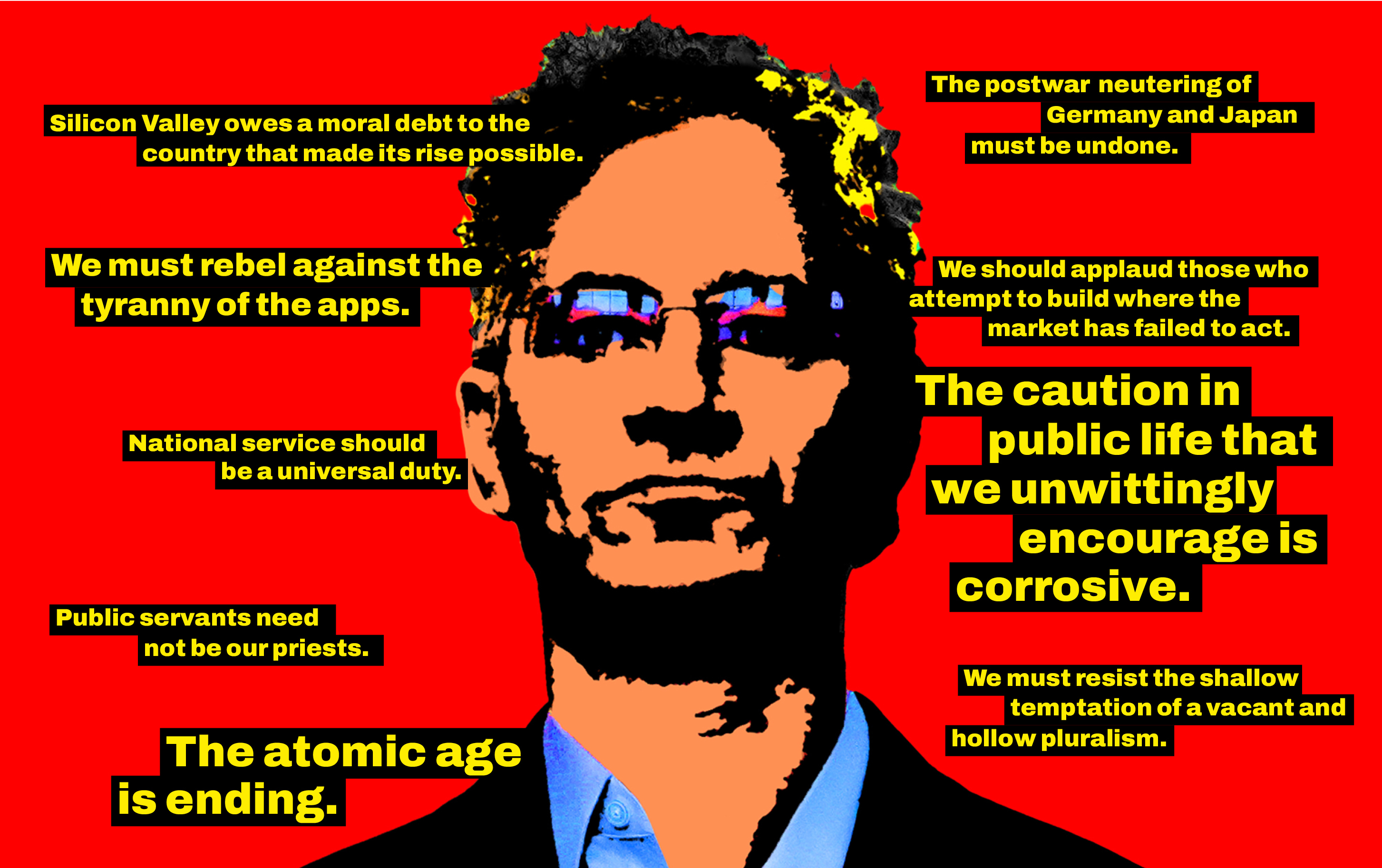
The surveillance firm’s viral X post calls for hard power, conscription and the end of pluralism. AI expert and academic Mark Coeckelbergh on what happens when technology becomes the gateway to authoritarianism
Social Media Vs Democracy
The Rise of the Right-Wing Media Machine
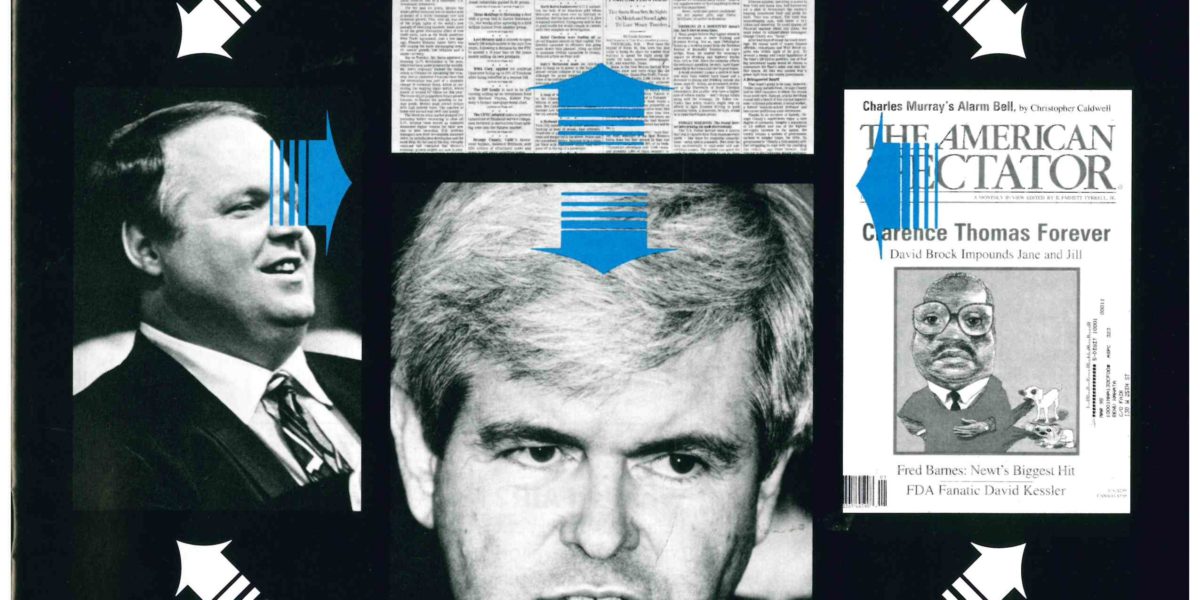
This conservative media machine now rivals—and may well surpass—the power and the influence of the old-line press. It holds sway over much of the national agenda, deciding which ideas and...
The Rise of the Right-Wing Media Machine
This conservative media machine now rivals—and may well surpass—the power and the influence of the old-line press. It holds sway over much of the national agenda, deciding which ideas and...
How One Nation bypassed media and conquered Facebook in its political rise
As an editor based in Griffith, I’m familiar with the rituals of modern campaigning: press releases, media calls and candidates eager for coverage. One Nation’s Farrer strategy broke that pattern entirely.
A systematic review of worldwide causal and correlational evidence on digital media and democracy
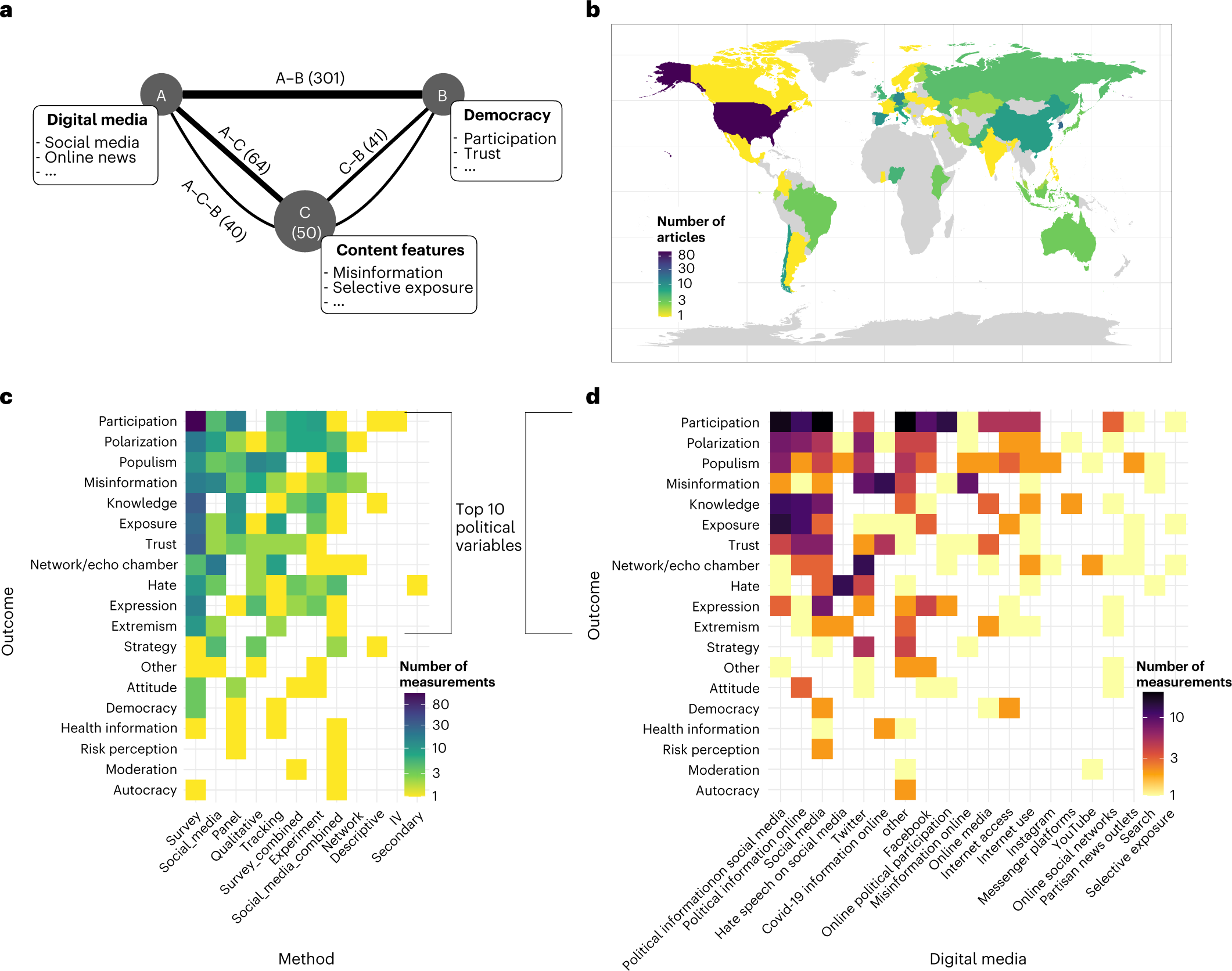
One of today’s most controversial and consequential issues is whether the global uptake of digital media is causally related to a decline in democracy. We conducted a systematic review of causal and correlational evidence (N = 496 articles) on the link between digital media use and different political variables. Some associations, such as increasing political participation and information consumption, are likely to be beneficial for democracy and were often observed in autocracies and emerging democracies. Other associations, such as declining political trust, increasing populism and growing polarization, are likely to be detrimental to democracy and were more pronounced in established democracies. While the impact of digital media on political systems depends on the specific variable and system in question, several variables show clear directions of associations. The evidence calls for research efforts and vigilance by governments and civil societies to better understand, design and regulate the interplay of digital media and democracy.
Data Feminism for AI
Attacks on women and trans people are not happening in a vacuum. Communications scholars W. Lance Bennett and Marianne Kneuer recently argued that we are witnessing the intensification of "illiberal public spheres" around the world (Bennett and Kneuer, 2023). These are characterized by a set of anti-democratic communications tactics that include the denigration and exclusion of minoritized people, targeted attacks on the press and political institutions, and transgression of norms of civil discourse. Such tactics are enabled and amplified by the social media platforms owned by Big Tech, whose business model elevates attention above all other metrics, such that they profit richly off extremism, threats, spectacle, and lies. The success of this corporate partnership with right-wing extremism is evident in the proliferation of book bans (Magnusson, 2024), the demonization of DEI and critical race theory (Crenshaw, 2022), and mob tactics to doxx, intimidate, misrepresent, and otherwise silence people that study misinformation, speak out against racial and gender violence, or rule against insurrectionists (Edmonds, 2024). At the same time, we have seen the continued work of feminists, including Latin American, Indigenous, and abolitionist feminists in the US and globally, doing the work of imagining alternate worlds (Cullors, 2021; Davis, 2022; Ricaurte, 2019; Simpson, 2017). This paper represents our own first attempt to imagine a more equitable, sustainable, feminist world for AI research.
How bipartisan support for public media unraveled in the Trump era
"It will test every single shred of creativity we have to continue to try to serve our mission," says one public media executive, as Congress ends federal funding for public broadcasting.