

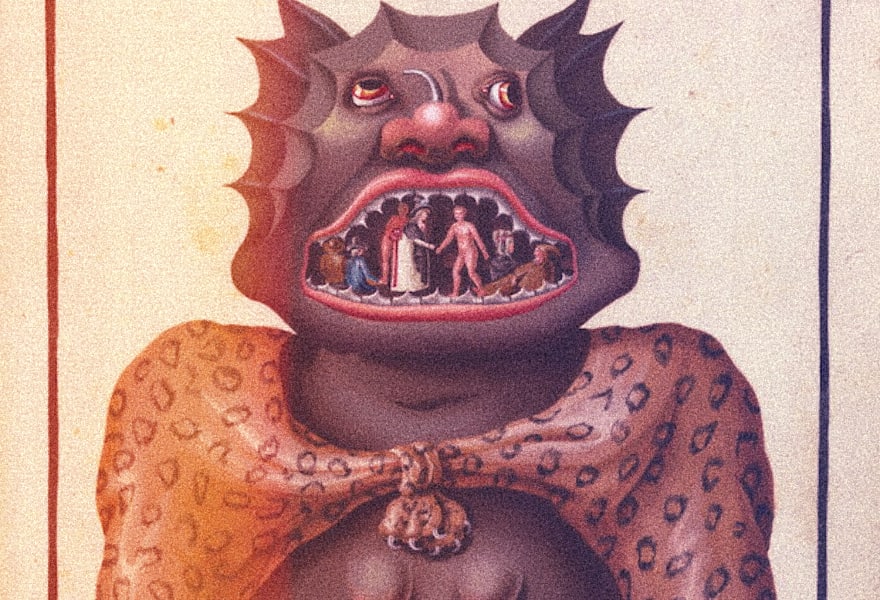
The authoritarians are winning, we can all see that. It wouldn't be the worst thing if the pro-democracy camp stopped being naive about social media.
We're getting the social media crisis wrong
The bigger problem isn't disinformation. It's degraded democratic publics
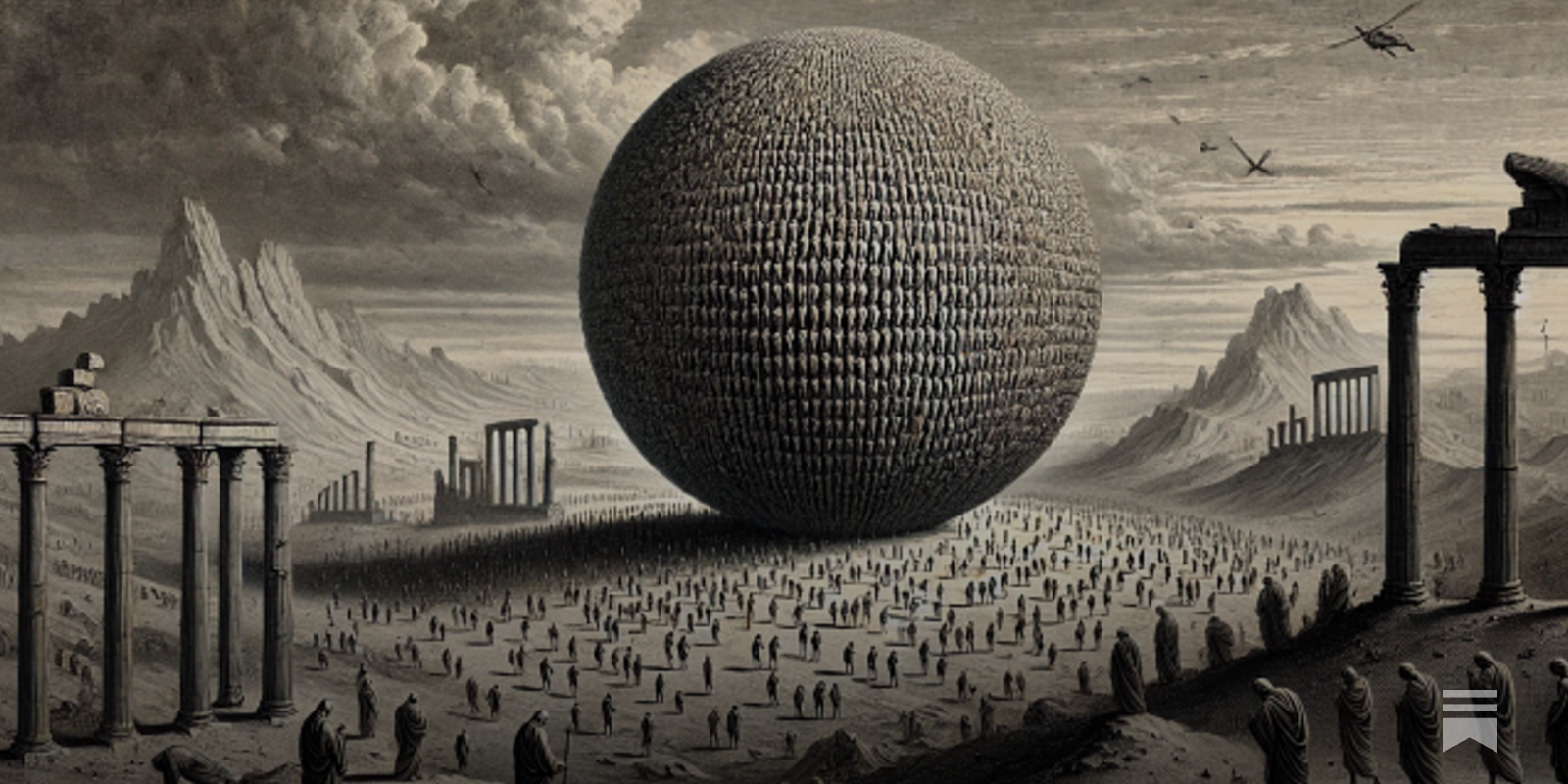
We're getting the social media crisis wrong
The bigger problem isn't disinformation. It's degraded democratic publics
Social Media Vs Democracy
The limits of social media as a source of political information during routine and crisis times across 17 countries
Recent studies on political knowledge suggest people learn little about political events and societal issues from social media. Potentially, social media are a more effective source of information ...
The future of social media is human
We cannot continue participating in social media platforms which do nothing to stop us being tricked by GenAI and the powerful people/governments that control them.

Fascintern Media
We are facing a coordinated international fascist movement that works with explicit backing from Moscow, Washington, and tech monopolies, and is propagating itself through its own media apparatus. Yet people who claim to side with democracy keep doing work to support Fascintern media because they misunderstand how it works. This needs to change.

Why Don’t We Learn from Social Media? Studying Effects of and Mechanisms behind Social Media News Use on General Surveillance Political Knowledge
Does exposure to news affect what people know about politics? This old question attracted new scholarly interest as the political information environment is changing rapidly. In particular, since c...

Social Media Effects: Hijacking Democracy and Civility in Civic Engagement
Perceived as an equalizing force for disenfranchised individuals without a voice, the importance of social networks as agents of change cannot be ignored. However, in some societies, social networks have evolved into a platform for fake news and propaganda, empowering disruptive voices, ideologies, and messages. Social networks such as Twitter, Facebook, and Google hold the potential to alter civic engagement, thus essentially hijacking democracy, by influencing individuals toward a particular way of thinking.

How Social Media Tricks our Brains — and Destroys our Politics - Aaron Ross Powell's Blog
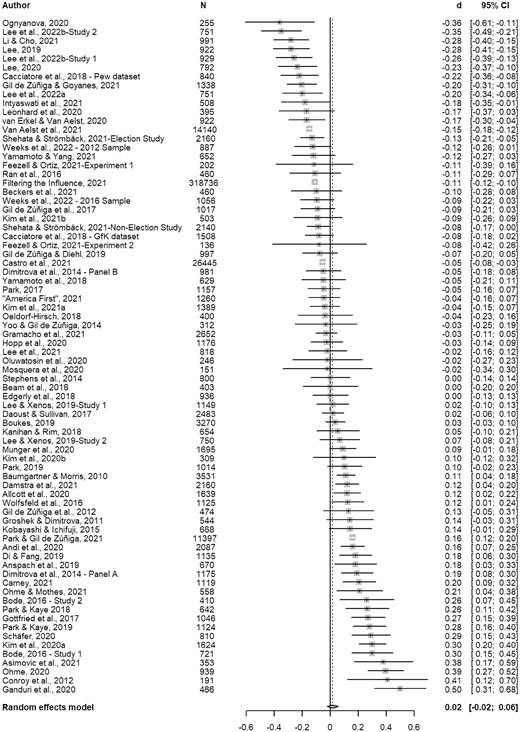
Do people learn about politics on social media? A meta-analysis of 76 studies
Abstract. Citizens turn increasingly to social media to get their political information. However, it is currently unclear whether using these platforms act
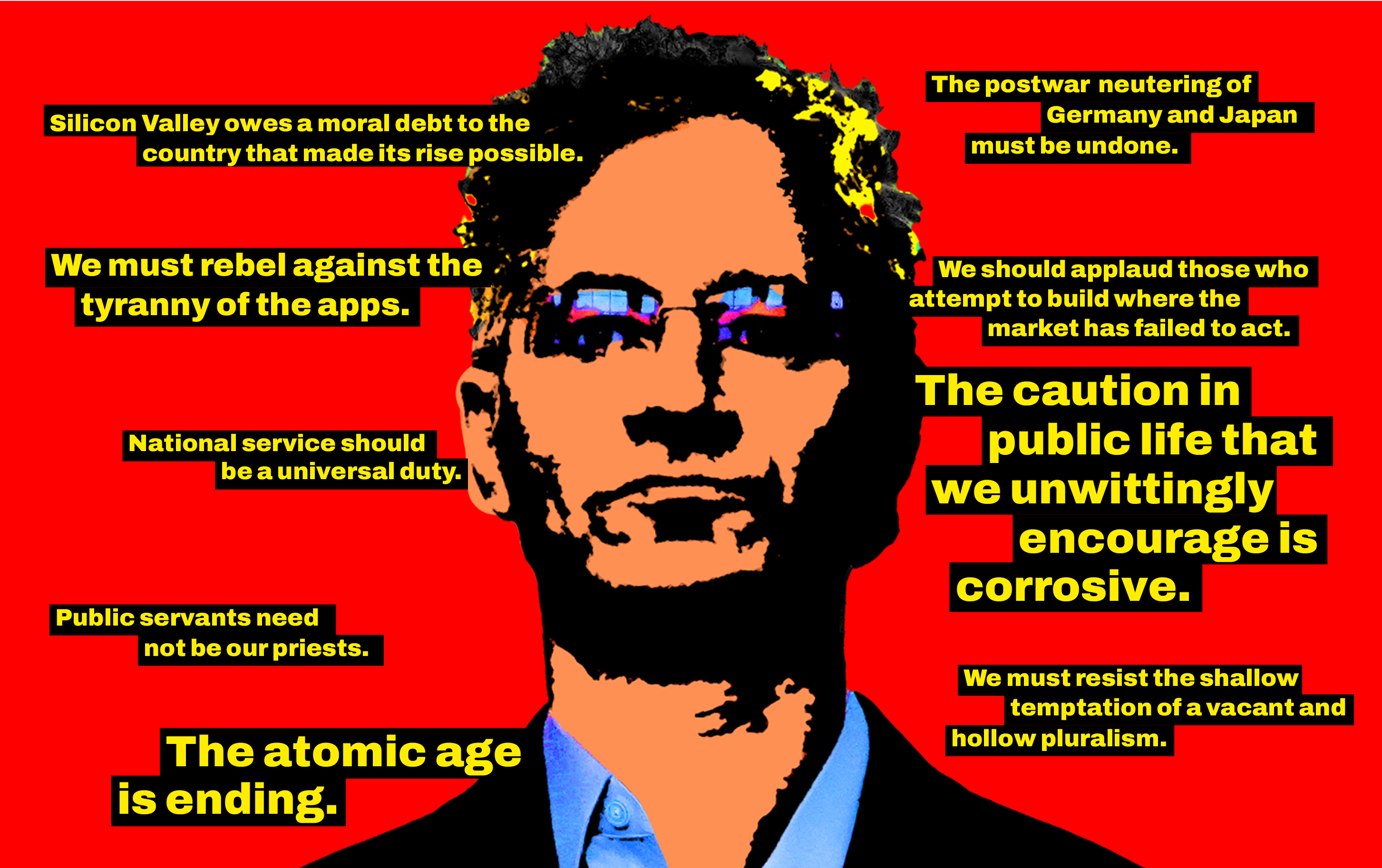
Palantir's social media manifesto is a blueprint for technofascism
The surveillance firm’s viral X post calls for hard power, conscription and the end of pluralism. AI expert and academic Mark Coeckelbergh on what happens when technology becomes the gateway to authoritarianism
The Interplay of Knowledge Overestimation, Social Media Use, and Populist Ideas: Cross-Sectional and Experimental Evidence From Germany and Taiwan - Niels G. Mede, Adrian Rauchfleisch, Julia Metag, Mike S. Schäfer, 2024
Social media expose users to an abundance of information about various issues. But they also make it difficult for users to assess the quality of this informati...

Free Our Feeds
Social media is broken: controlled by a handful of billionaires who shape what people see, say, and believe. These platforms profit from division, exploit user data, and lock people into closed systems.
The authoritarians are winning, we can all see that. Maybe, just maybe, it wouldn't be the worst thing if pro-democracy people stopped being ridiculously naive about social media. berjon.com/media-media/

Media Media
berjon.comIs social media truly making us more politically polarized, or does it simply over-represent our most extreme opinions? In our new preprint, @small-schulz.bsky.social and I present *punishing evidence* that social media systematically overrepresents users’ most extreme political opinions. 1/n
Social media is no longer social. Most of it is passive viewing of videos and pictures from people we've never met. But we're still studying social media like it's 2010. We've entered the post-social media era — and research needs to catch up. osf.io/preprints/socarxiv/6nue7_v1 preprint w/ Richard Rogers


