


We know from experience and empirical analysis that open source and open standards projects drift into oligarchies that struggle to reform themselves and become ossified. Often, we can simply let them die and replace them with fresher alternatives, but when that's a costly option we can learn from theoretical models of institutional change to understand how to compost the oligarchy and regrow the project from within.
Balancing Makers and Takers to scale and sustain Open Source
To scale and sustain Open Source ecosystems in a more efficient and fair manner, Open Source projects need to embrace new governance, coordination and incentive models.

How’s That Open Source Governance Working for You? | HackerNoon
Isn’t it weird that the radically democratic miracle of open-source collaboration is so full of monarchical dictatorships?

The Missing Middle of Open Source
Why serious, maintainer-driven projects struggle to sustain themselves—and what it will take to fix it.
Is This the End of Open-Source? | Built In
Open-source licensure empowers governments and moneyed interests over devs. A reckoning might be on the horizon.

I hate the term “open source”
It doesn’t accurately reflect how people are building today anymore.

Open source sustainability | TechCrunch
Open source sustainability has been nothing short of an oxymoron. Engineers around the world pour their sweat and frankly, their hearts into these passion

Scaling Open Source communities
Successful Open Source projects must transition from pure volunteerism to include paid contributions, mirroring how public goods like roads evolved historically.

Is Open Source Broken?
The movement to develop software applications and all manner of IT services through the open source model is fundamentally rooted in the notion of community contribution, but things have shifted.

Sustaining Open Source Software
The ‘open source sustainability’ debate continues with yet-another-company relicensing their product away from an open source license to…

Open Source infrastructure deserves a business model
Open Source infrastructure is essential, invisible, and chronically underfunded. A more sustainable approach may be to connect the cost of running that infrastructure to the organizations that rely on it most.

Open Source is Broken
The Open Source movement, as championed by the OSI, prizes absolute openness above all other concerns...

Open Source is Broken
The Open Source movement, as championed by the OSI, prizes absolute openness above all other concerns...
Open Source is Not Enough
by James Halliday // The open source movement has fundamentally changed how software gets written. But in the process, corporations have been given a vast gift of free labor.
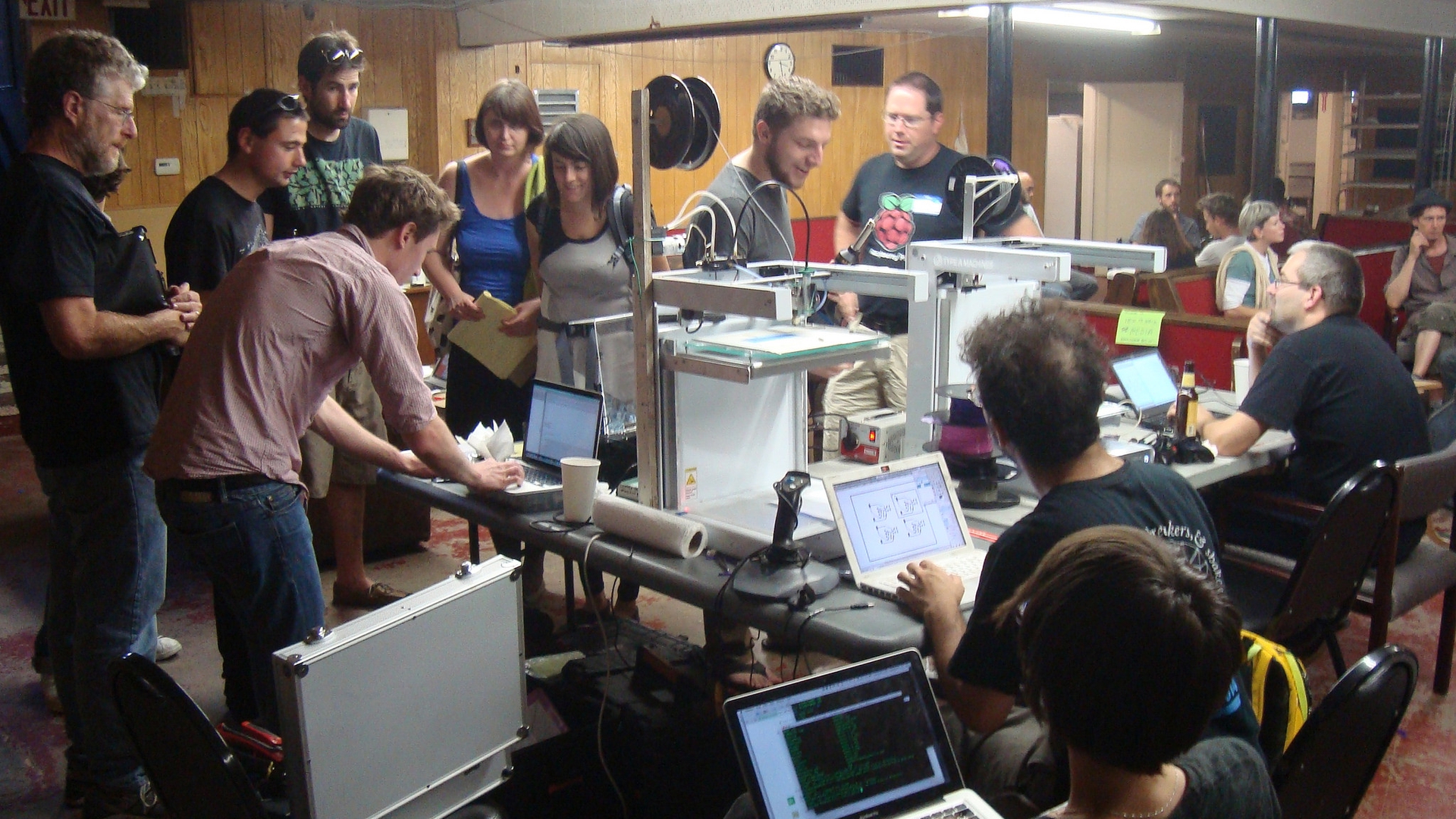
Open source and the software supply chain
Managing something as esoteric as resources for building software with a variety of contributions made by the open source community is more amorphic.

Governance in Open Source Software Projects | Disruptive Library Technology Jester
Disruptive Library Technology Jester Blog Posts