


For as long as I’ve been writing shaders, there’s been one specific shader I’ve always tried to write…
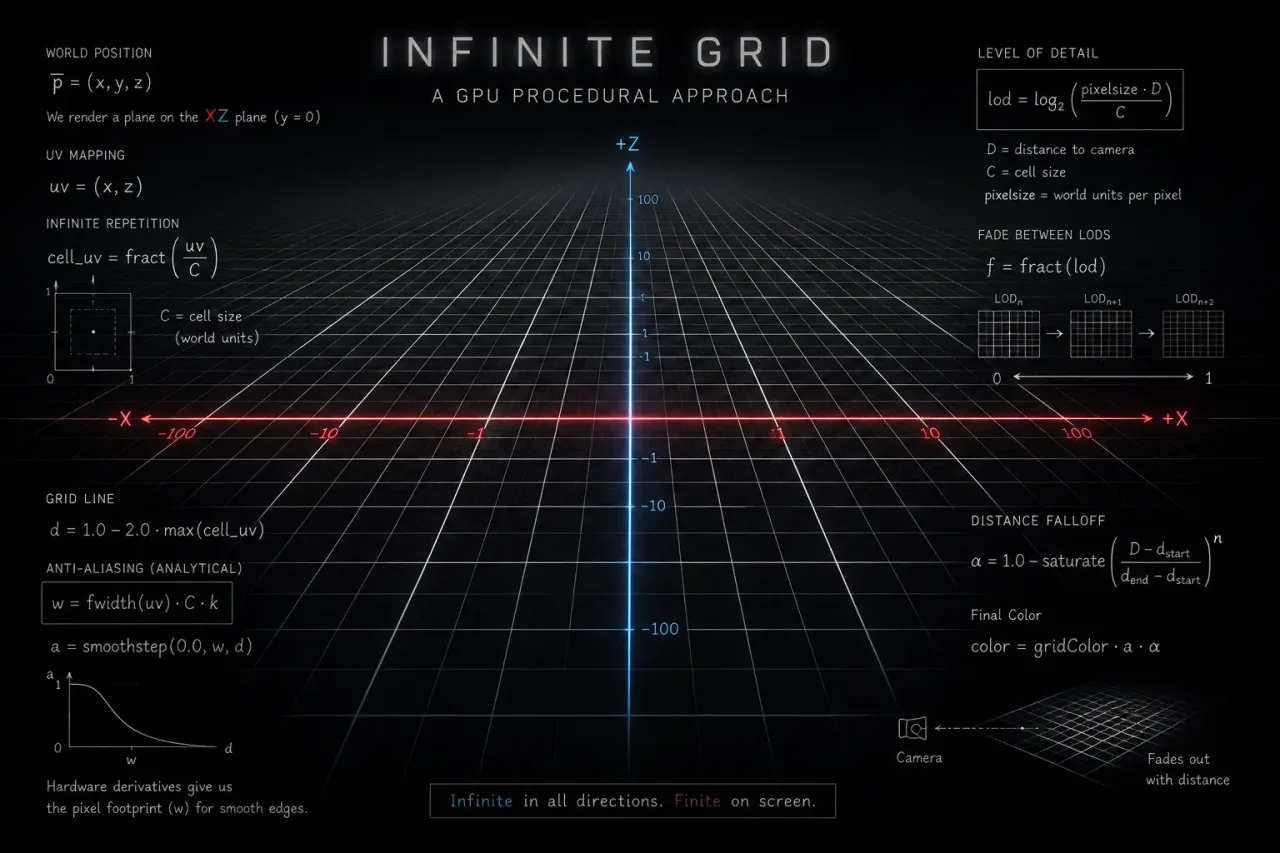
Infinite Grid Shader
Learning to create an infinite grid procedurally using GLSL shaders. This post contains my notes, lessons and findings, and is intended for personal reference. Therefore, you might find errors, misjudgments, and other issues, which are fine by me because my intention was to learn by teaching myself. In a way, I was being my own rubber duck.

Shader Color
Shader Color is three groundbreaking typefaces that reimagine our existing design Shader for its Color Font debut. Shader 16 boasts bright 16-bit pixels. Shader 64 revels in shiny 64-bit chrome. Shader Glitch conjures a future where technology conspires against us.
GRID: A simple visual cheatsheet for CSS Grid Layout
Learn all about the properties available in CSS Grid Layout through simple visual examples.

18 Best CSS Libraries/Frameworks for UI/UX Designs 2024
Here are the 25 best CSS libraries/frameworks for UI/UX designs which make your frontend development more easier and productive with custom features.

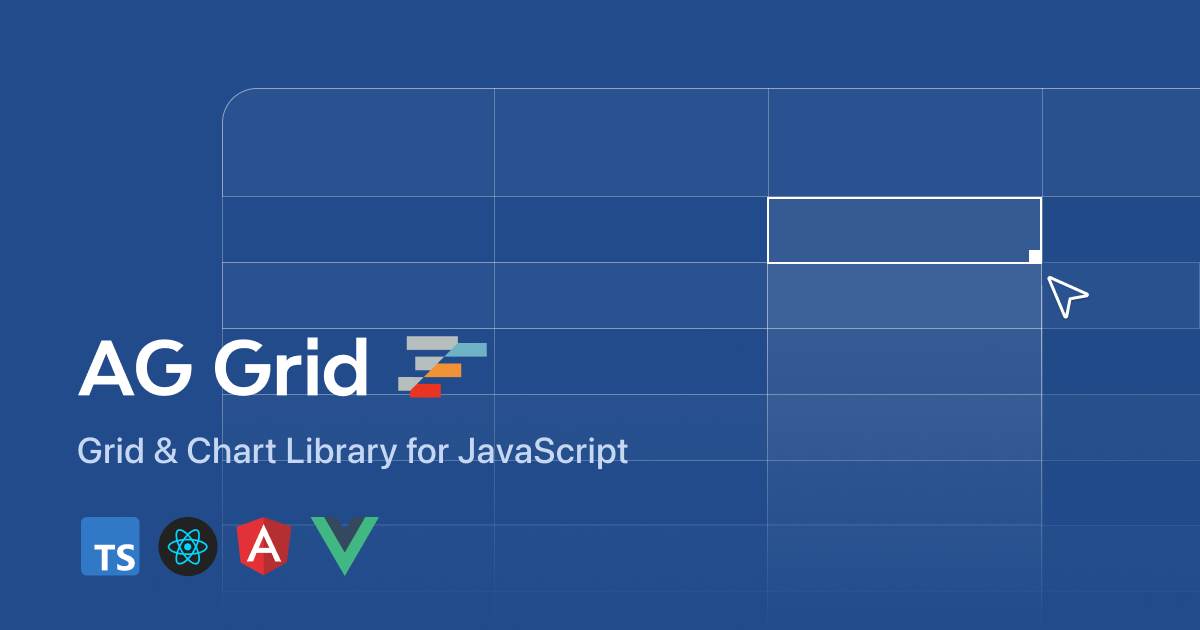
AG Grid: High-Performance React Grid, Angular Grid, JavaScript Grid
AG Grid is a feature-rich Data Grid for all major JavaScript frameworks, offering filtering, grouping, pivoting, and more. Free and open-source. Upgrade to Enterprise for advanced features.
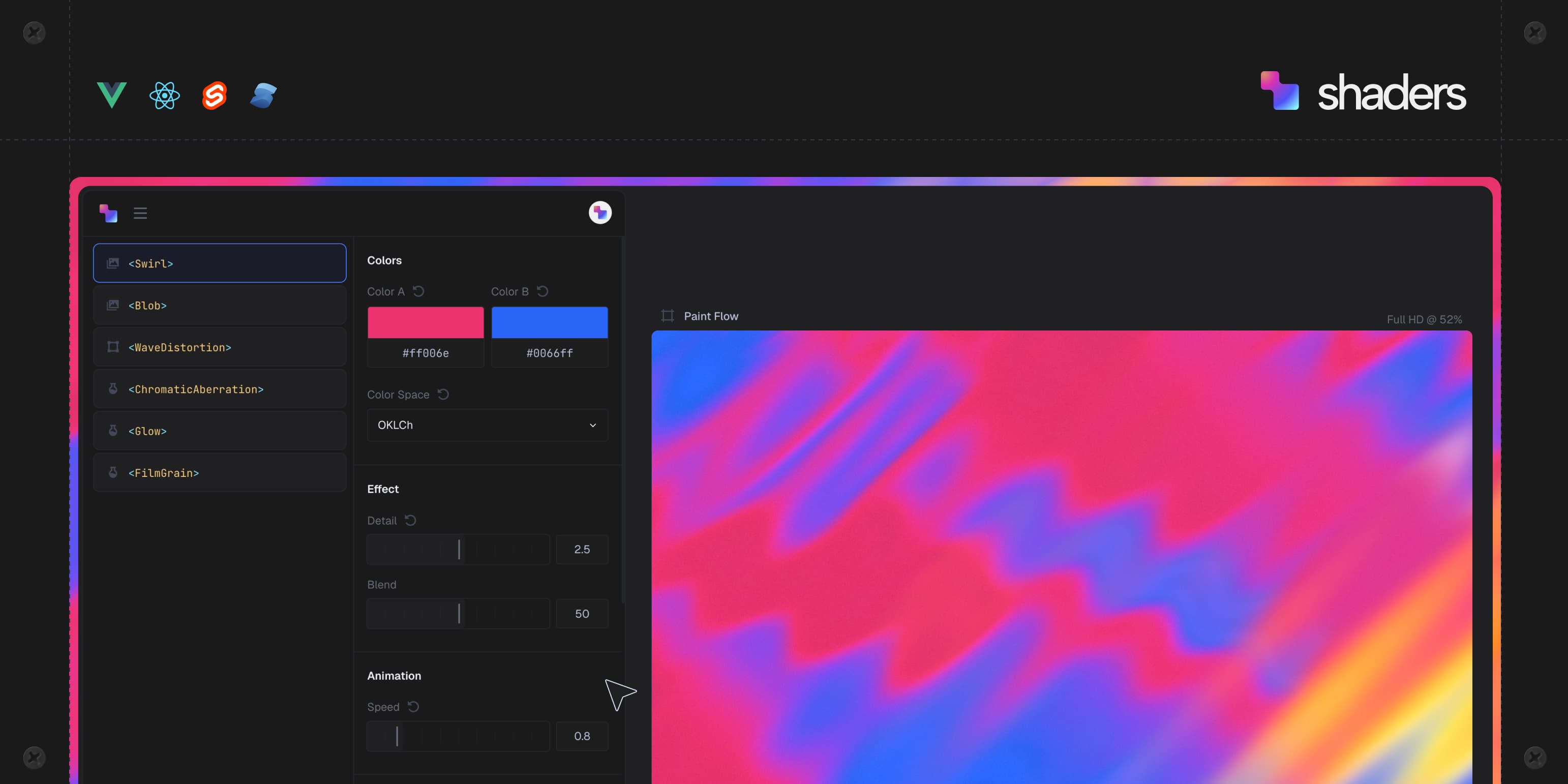
Shaders
Component library for creative WebGPU effects in modern frontend frameworks. Compose interactive visuals for Vue, React, Svelte and Solid.
Tile Gradient
The safest and most inclusive global community of photography enthusiasts. The best place for inspiration, connection, and sharing!

Inigo Quilez :: computer graphics, maths, shaders, fractals, demoscene
Tutorials and articles of Inigo Quilez on computer graphics, fractals, math, art, demoscene, shaders and more.
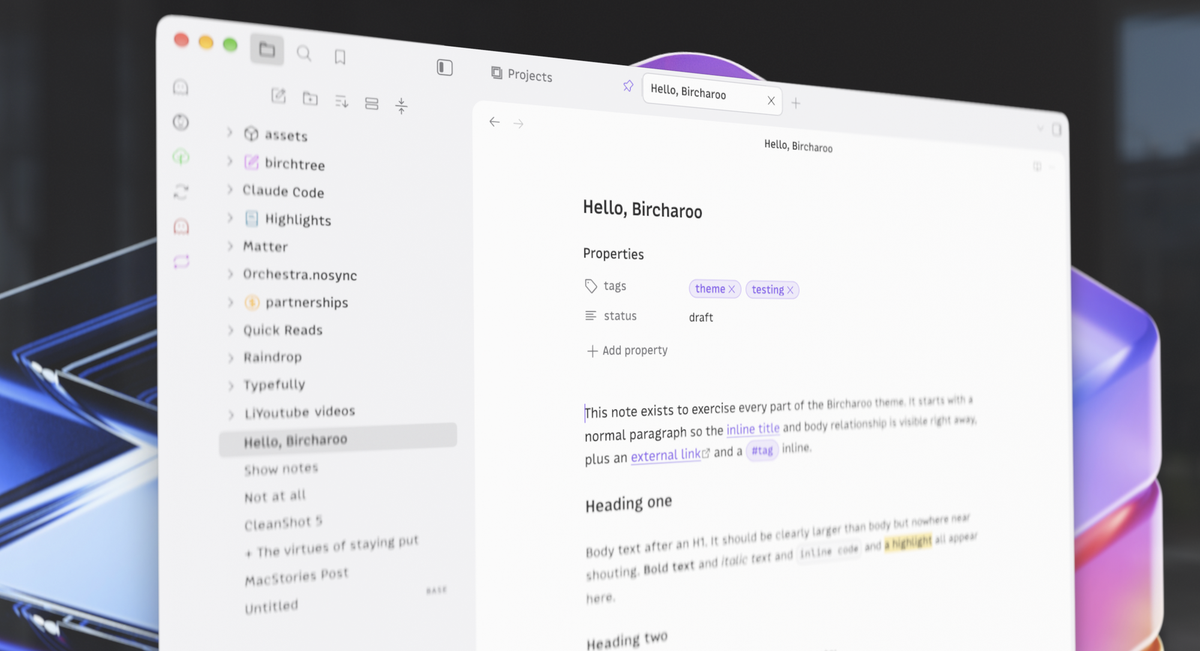
Bircharoo is my Obsidian theme
This is gonna be a short one, but I made a simple Obsidian theme. It's called Bircharoo and it's the theme I've wanted for myself. There are over 700 themes out there already, and surely one of them would get me close to what I wanted. But
Hash Functions for GPU Rendering – Nathan Reed’s coding blog
Pixels and polygons and shaders, oh my!
modular and versioned GLSL
a WebGL demo of glsl-lut, for efficient color transforms on the GPU. source code here Contents # Intro glslify Installing Dependencies Compiling The Shader Relative Requires Example Modules The Awesomeness of NPM Unit Testing Extras As a Source...

Visualizing GL_NV_shader_sm_builtins
Using GL_NV_shader_sm_builtins to visualize Streaming Multiprocessors and Warps