


responding with slowness in relations
The Future Is Not Tech-Forward
On artificial intelligence, data centers, technological politics, and who gets to build the future.

Techno-solutionism
“techno-solutionism,” the simplification of complex societal problems into apps and algorithms. Ed-Tech’s Inequalities “Technological solutionism” is the related tendency to identify simple answers — in all domains, not just the tech sector — “before the questions have been fully asked” or the problems fully articulated. Take, for example: “the Internet has changed everything about how […]

Deep research requires a slower pace than tech industry work
Anyone working in an industry for a while will become accustomed to that culture—its processes, its norms, its values, its tacit knowledge. Much of this is incredibly valuable, of course, but these ideas can also represent constraints. There are some important impedances here between tech industry culture and research culture. In particular, tech culture is calibrated to a much faster pace. This can lead to impatience or early abandonment when confronting problems which require a researcher’s pace.
Deep research requires a slower pace than tech industry work
Anyone working in an industry for a while will become accustomed to that culture—its processes, its norms, its values, its tacit knowledge. Much of this is incredibly valuable, of course, but these ideas can also represent constraints. There are some important impedances here between tech industry culture and research culture. In particular, tech culture is calibrated to a much faster pace. This can lead to impatience or early abandonment when confronting problems which require a researcher’s pace.
AI, I tried to love you – Writings and rehearsals by Nathan Schneider
Among my peers who study the cultures and economies surrounding technology, I often find myself more tech-positive than most. On the whole I like computers, like the internet, and like in general the emergent human creativity that these things have enabled and revealed. A source of my appreciation is that I expend a lot of effort on the practice of “slow computing,” which is to say, choosing tools and technical communities that I can feel in right relationship with. I tend to approach new socio-technologies (like gig economies, blockchains, and social media) not from a perspective of why is this so bad? so much as asking how could we do this right?

A Real Political Economy of Technology - The Ideas Letter
Two technological futures are competing for political and material priority: generative AI and the green transition. Benanav argues that while AI is marketed as a world-reordering breakthrough, its productivity gains…
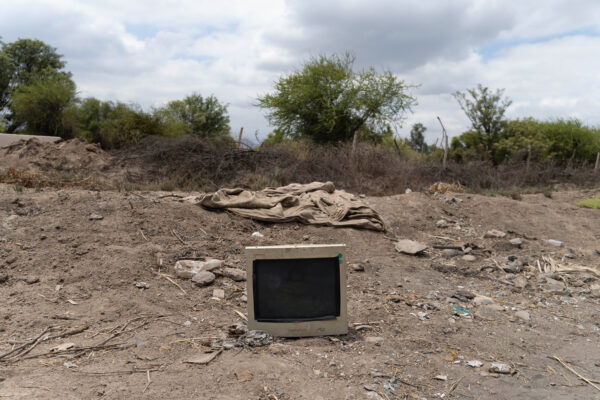
100 years of whatever this will be
What if all these weird tech trends actually add up to something? Last time, we explored why various bits of trendy technology are, in my o...
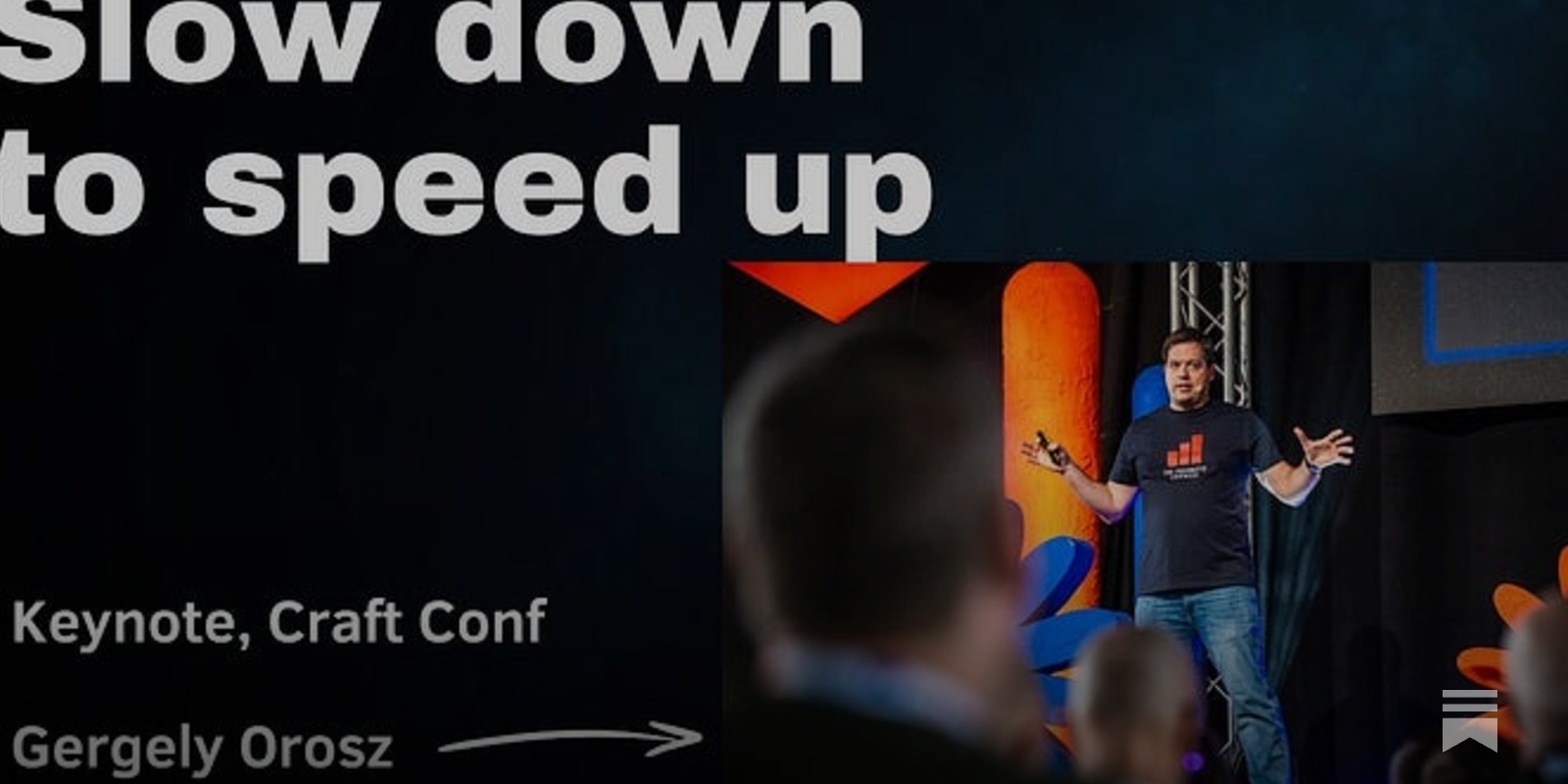
Slow down to speed up: so much has changed in 6 months’ time
An overview of what’s changed in engineering during the last six months, how various tech companies are changing how they work, and why slowing down could be a sensible strategy
Silicon Valley, disruption, and the end of uncertainty
This paper reflects on the relationship between high-tech disruption narratives and uncertainty. My main argument is that an economic sociology of the future is incomplete without addressing the ‘d...

Technocracy References
References and Revisions “Should Scientists and Engineers Run Society?” References [1] Wikipedia: “Technocracy.” [2] Academic Paper: Gunnell, John G. "The technocratic image and the theory of technocracy." Technology and culture 23.3 (1982): 392-416. [3] Academic Paper: Oh, Kyunghwan. "A non-co...

Techno-capitalism, Crisis Epistemology, and Disaster Ableism: How (not) to Respond to Generative AI in Higher education (My presentation @ #PhiDisSocCh6)
Introduction Techno-capitalism is a social system dominated by technology-driven capital, in which technological development is a primary vehicle for wealth concentration. Professors are currently …

What’s the best technology that doesn’t exist yet?
We analyzed 100+ conversations and essays on positive futures to find out
Why the tech industry can't keep up with the AI backlash
AI's externalities are growing faster than the industry can address them
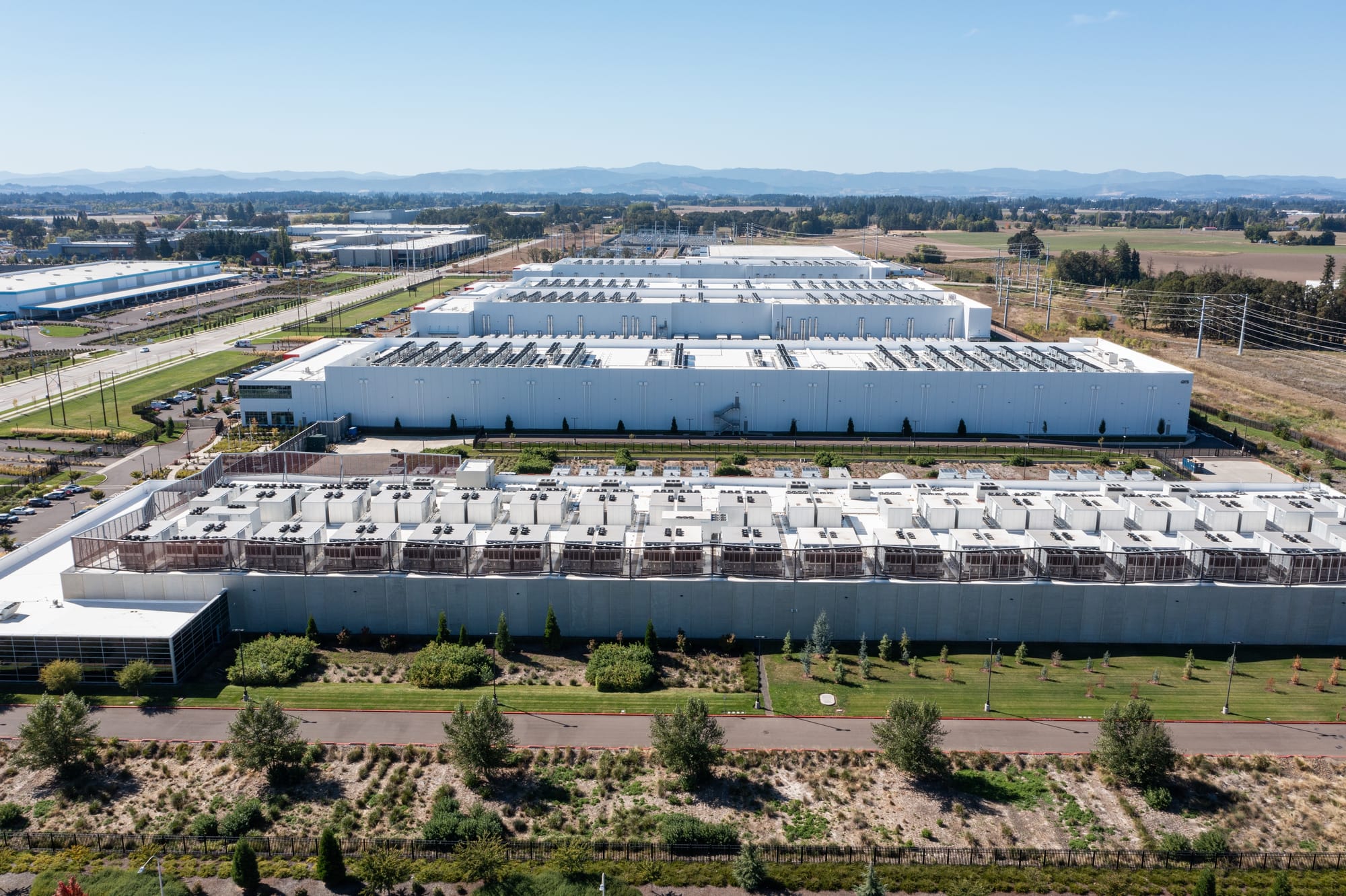
Technology is part of the humanities. People who work in tech-adjacent fields but do not understand that will plateau very fast in their careers. The parts of the job that vibecoding eliminates aren't the political ones.

Hetan Shah
It’s 25 years since we lost Douglas Adams. I am happy to have been able to get a reference to him into this piece in the FT about why the humanities are essential ft.com/content/fbde3d46-0e53-47cb-8f…
