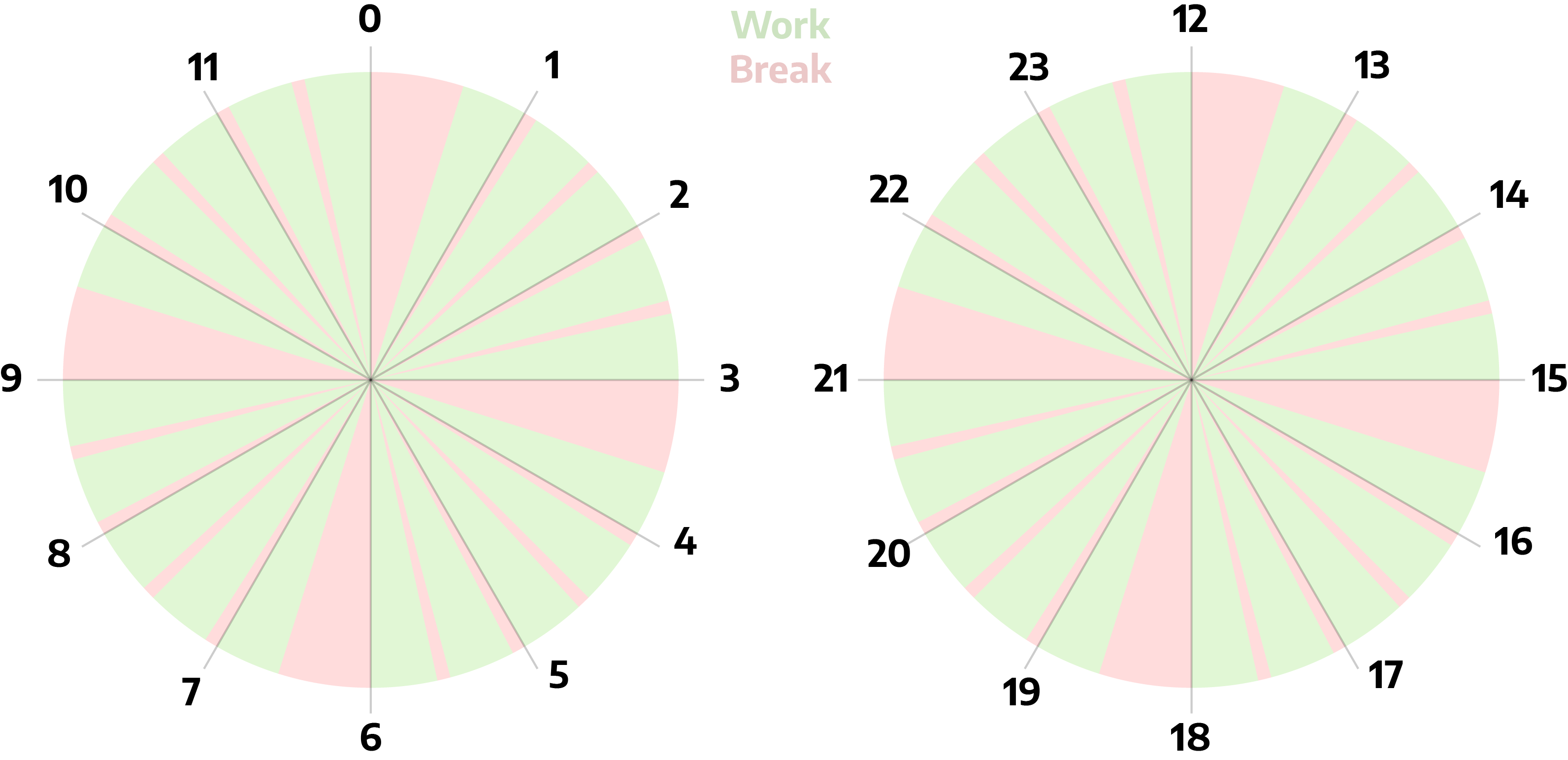
Here's why you should try to fit less—not more—into each day.
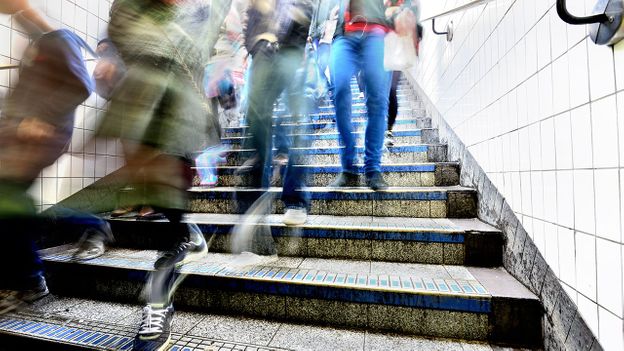
Why you feel busy all the time (when you’re actually not)
Overwhelmed? It can seem like we’re busier than ever, but that’s not quite true, says Oliver Burkeman.
Opinion | You Don’t Need More Free Time (Published 2016)
Well, you might. But that’s not the real key to finding work-life balance.

The Busy Person's Guide to Thinking
Thinking better isn't about learning more; it's about doing a few simple things that really help create unstoppable progress.

Notion encourages busy-work and I’m tired of it
Why has everything become so needlessly complicated?

Why we procrastinate and how to stop | (e) Science News
It's a new year and many of us have started thinking about various resolutions: updating that resume, cleaning out the attic, starting that exercise routine. But the sad reality is that most of us will not follow through on these commitments, not because we're insincere, but because tomorrow is always a better time to get going.
Laziness Does Not Exist
Psychological research is clear: when people procrastinate, there's usually a good reason
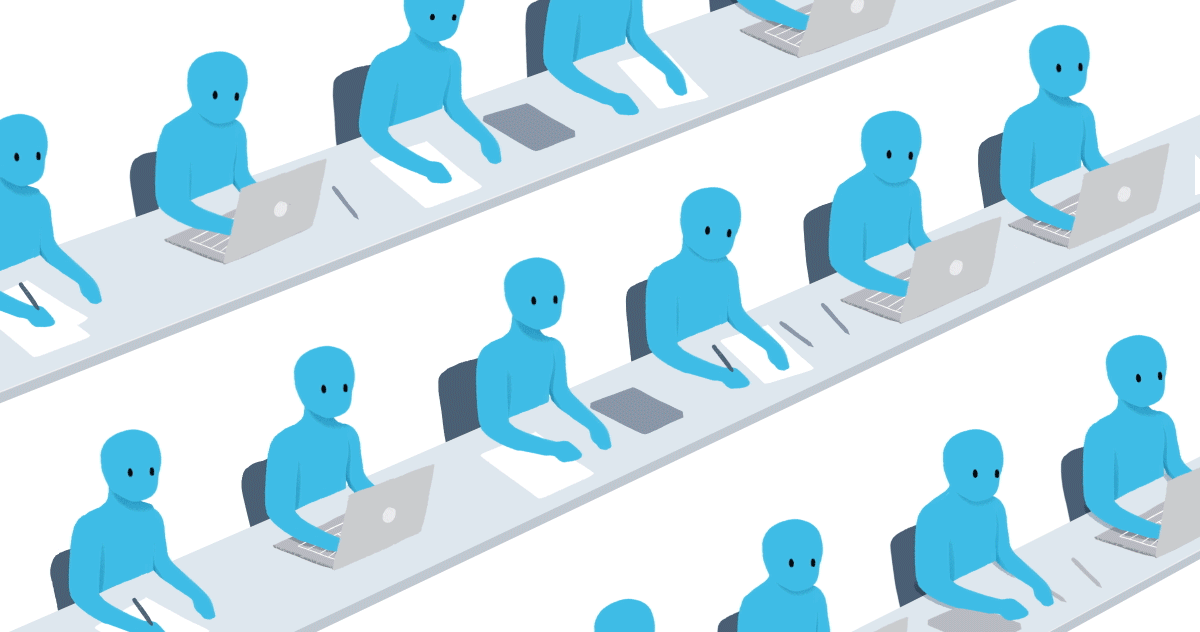
Laziness Does Not Exist
Psychological research is clear: when people procrastinate, there's usually a good reason
Doing nothing at work
Many engineers should be doing less work. I don’t necessarily mean producing less code or fewer changes, but literally working fewer hours in the day. When they do work, they should be working at a slower pace. I like to aim to be running at 80% utilization by default: unless I have a high-pressure project going on, I spend 20% of my workday away from the computer.

The 80-Hour Myth (Why We're Addicted To Being Busy) - Dan Koe
Ever since I could remember, I didn’t want to work my life away. Anti role models were all around me. And I was pretty observant as a child. I didn’t want to wake up at 4am, drive to work at 5am, grind away, and get home at 7pm because I was trying to support a […]

Deep work. Essentialism in asynchronous culture
Deep work Nowadays, we are getting accustomed to working in a continuously interrupting environment. Smartphone notifications, hundreds of e-mails, open spaces, and meetings slicing our workday. We are feeling busy, and overworked, but are we more productive? If I am a salesman or project coordinator that way of working can bring good effects and even improve my skills. However, for Software Developers, Designers, and other professionals that need a quiet environment for creative effort, it can lead only to frustration and burnout. They need something that is called deep work. Deep work is a concept popularized by Cal Newport in his book under the same title published in 2016. The author divides mental activity into two categories: shallow work, that does not need intensive concentration like sending e-mails, formatting documents, chatting using communicators, etc. deep work, that demands distraction-free focus on one task like writing a document, learning a new skill, designing a software system, etc.
Less stress, more productivity: why working fewer hours is better for you and your employer
There’s always too much work to be done on software projects, too many features to implement, too many bugs to fix. Some days you’re just not going through the backlog fast enough, you’re not producing enough code, and it’s taking too long to fix a seemingly-impossible bug. And to make things worse you’re wasting time in pointless meetings instead of getting work done. Once it gets bad enough you can find yourself always scrambling, working overtime just to keep up. Pretty soon it’s just expected, and you need to be available to answer emails at all hours even when there are no emergencies. You’re tired and burnt out and there’s still just as much work as before. The real solution is not working even harder or even longer, but rather the complete opposite: working fewer hours.
Opinion | Let’s Be Less Productive (Published 2012)
The relentless drive for productivity may have some limits; if our economies don’t continue to expand, we risk putting people out of work.

Procrastination: It's pretty much all in the mind
Scans show differences in the brains of those who love to put things offs compared with the "doers".
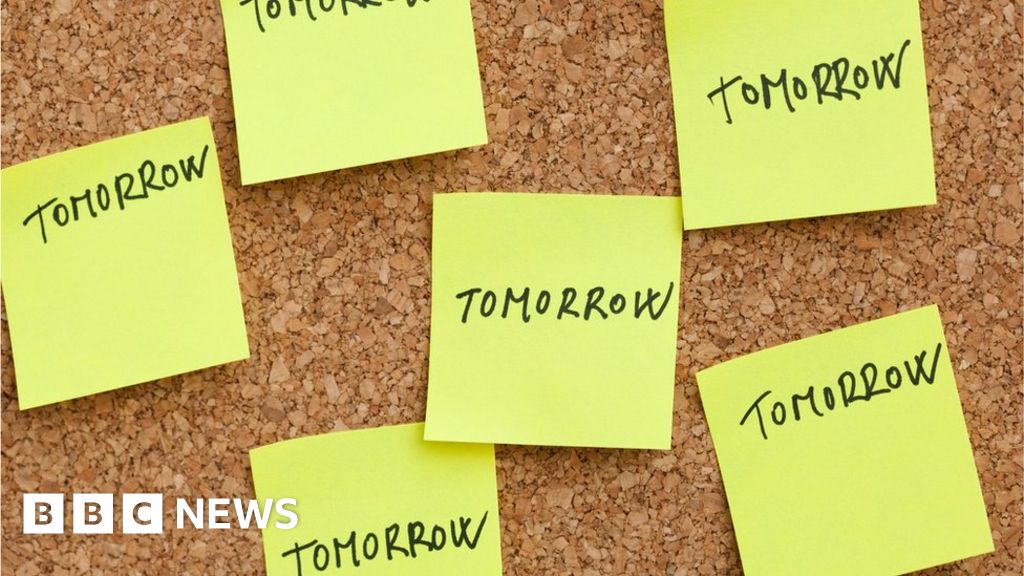
Procrastination Is More About Managing Emotions Than Time, Says Study - Slashdot
An anonymous reader quotes a report from the BBC: [A new study] identified two areas of the brain that determine whether we are more likely to get on with a task or continually put it off. Researchers used a survey and scans of 264 people's brains to measure how proactive they were. Experts say the...

Why Your Brain Needs More Downtime
Research on naps, meditation, nature walks and the habits of exceptional artists and athletes reveals how mental breaks increase productivity, replenish attention, solidify memories and encourage creativity

Every productivity thought I've ever had, as concisely as possible - …
I combed through several years of my private notes and through everything I published on productivity before and tried to summarize all of it in this post. If you’re unproductive right now Here’s what you should do if you’ve been procrastinating for an entire day: Accept that you won’t do anything today and try not to get angry at yourself Set the alarm for the time you will be preparing to go to bed today No, really. Do it. It will take 20 seconds Procrastinate for the …