
African American Ethnic Heritage Where in Africa are African Americans from? The vast majority of Africans in bondage were imported to North America from seven general regions of Africa. The list below includes the region name, estimated percentage of Africans from each region, and location description based on current day national borders: Senegambia (15%) Senegambia […]
United Black Library
Discover, read, and save Black History and African Diaspora content—ebooks, lectures, documentaries, and films. Access a vast catalog, subscribe or purchase content, and join a community of learners.

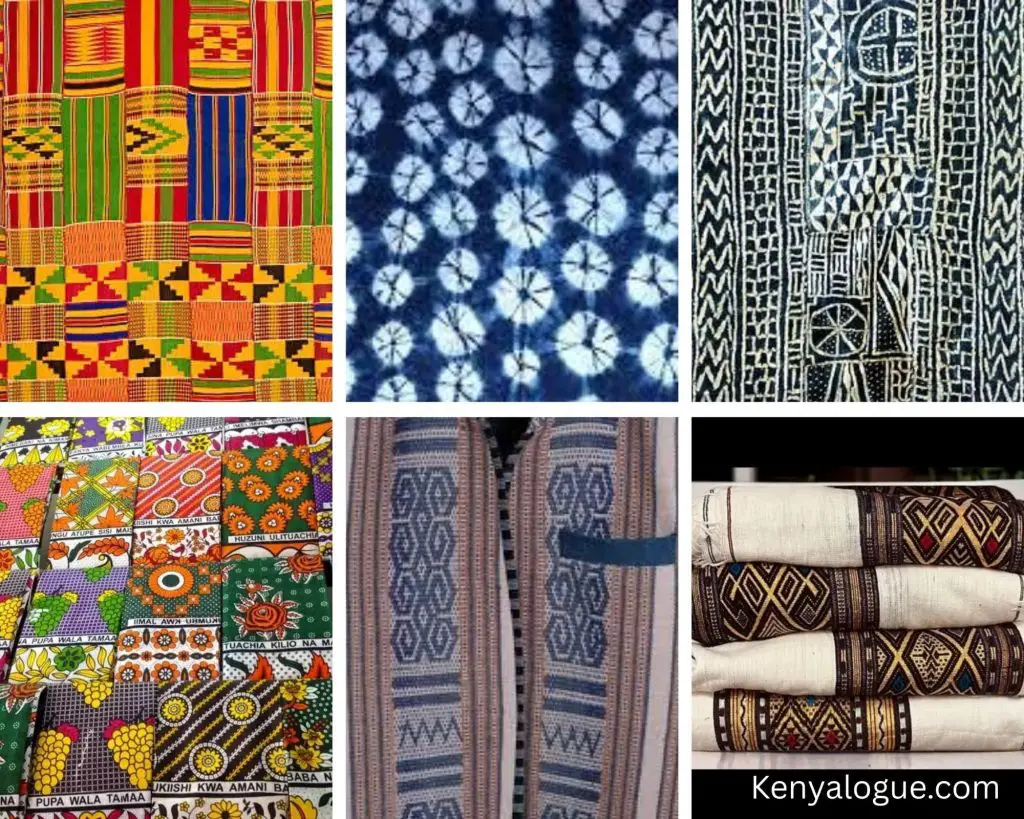
Fabrics of Africa: 40+ Fabrics That Weave Culture, Color, and Heritage of Africa - Kenyalogue
Africa’s vibrant story isn’t written only in words—it’s woven, dyed, stamped, and embroidered into cloth. From the sun-soaked looms of Ghana to the hand-pounded bark cloths of Uganda and the geometric raffia of the Congo, African fabrics carry the colors, symbols, and spirit of their people. “Fabrics of Africa” is a curated journey through the...
How Indigenous West African Communities Resisted the European Slave Trade
Compelling evidence of massive African resistance to Atlantic slavery can be found from the very onset of the European colonial arrival on the con-tinent. When the Portuguese gained control of the …
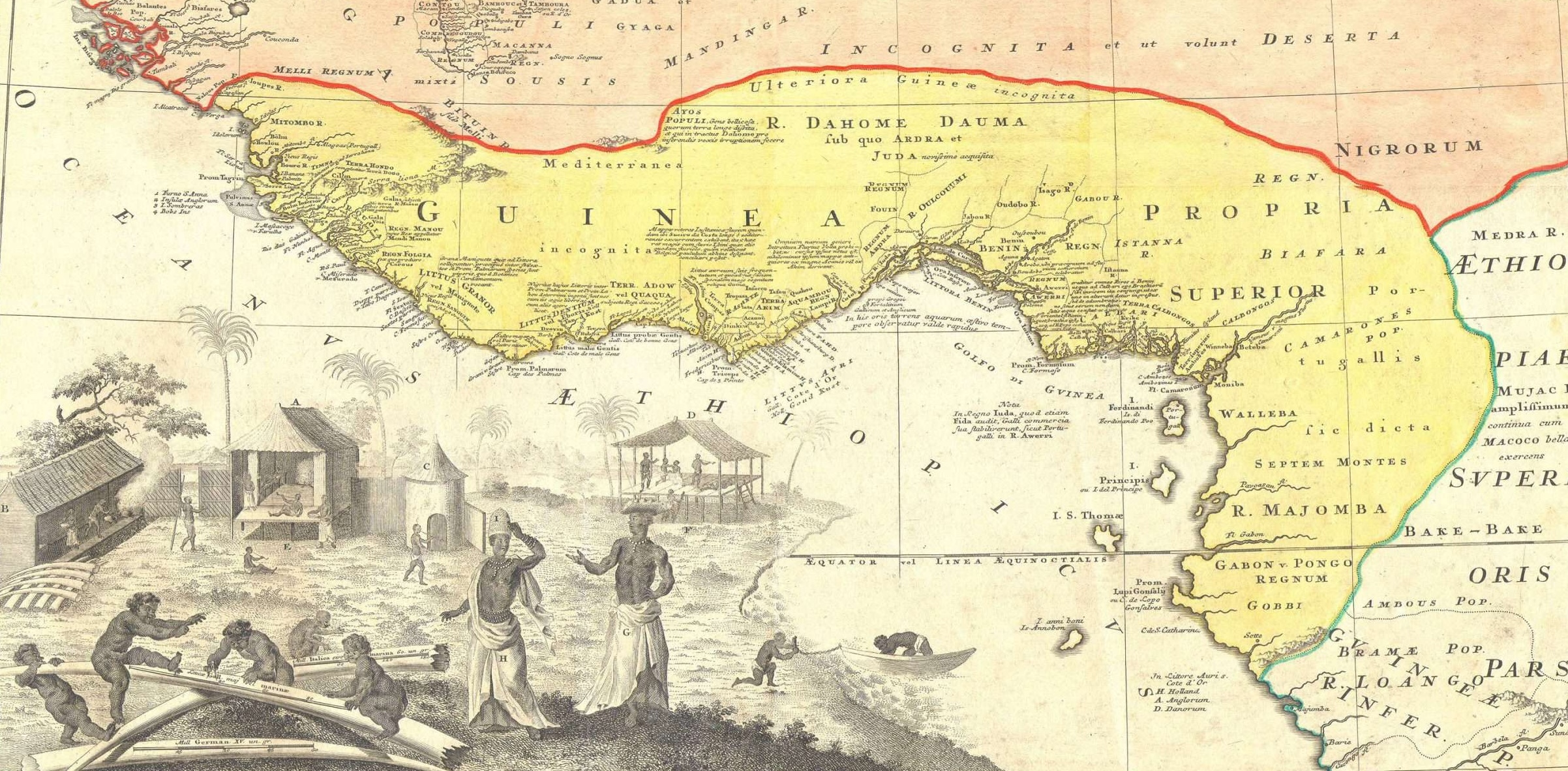
The Chesapeake Slave Trade:Regional Patterns, African Origins, and Some Implications | History Cooperative
THE movement of peoples from the Old World to the New and the resulting transfers or transformations of homeland cultures in new physical and social environments has been a central theme of early American history. Overwhelmingly, historians have written on the transfers of peoples from sixteenth- through eighteenth-century Europe and sub-Saharan Africa to various American destinations in isolation from one another. When these two contemporary migration flows are considered together, sheer numbers demonstrate that, up to 1776, the majority of men, women, and children transported from the Old World to British North America were, to varying degrees, unfree. And increasingly throughout most of the eighteenth century, those migrants came from Africa and were permanently enslaved.
Slave Songbook : Origin of the negro Spiritual
Home
TheGrio: Your source for breaking news, politics, lifestyle and entertainment focusing on the African-American community.

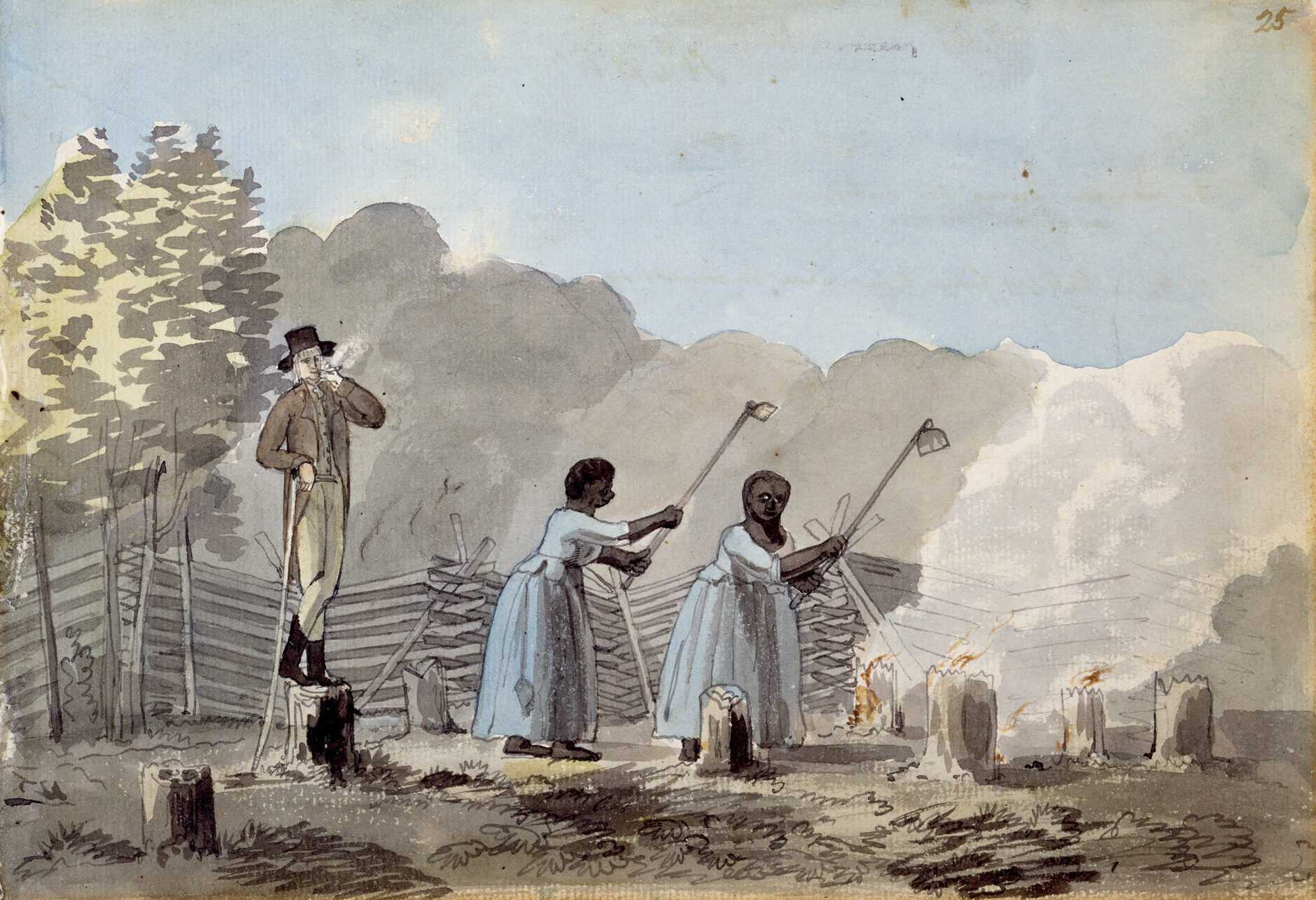
The Chesapeake: Making Race
When the Chesapeake region began taking shape, race and class were ill-defined. But Africans quickly became enslaved for life.
Black Migrants Bear Brunt of ICE's Facial Recognition Push
The racialized, uneven consequences of these technologies often go unscrutinized, write Tsion Gurmu, Nekessa Opoti and Fatima Mohamed.

The Fabric of Africa - Google Arts & Culture
Explore Alan Donovan's personal collection of textiles from the continent

Na crise atual, Kwame Nkrumah voltou a ser leitura obrigatória
O líder afromarxista Kwame Nkrumah nasceu neste dia em 1909. Ele dissecou os meandros do avanço imperialista na África do século XX em sua tese contra o neocolonialismo. Com a nova ofensiva estadunidense no Sul Global, reler e se armar com os argumentos de seu livro Neocolonialismo: estágio superior do imperialismo se torna uma tarefa incontornável dos dois lados do Atlântico.

News for Black America - NewsOne
Breaking news for and about Black America: politics, original stories, diverse opinions, current events and their impact on Black lives.

First Nation Profiles
First Nations people refers to Status and Non-Status ‘Indian’ peoples in Canada. More than one million people in Canada identify themselves as an Aboriginal person, or 4% of the population (as of 2006). Fifty-three percent are registered Indians, 30% are Métis, 11% are Non-status Indians and 4% are Inuit. Over half (54%) of Aboriginal people live in urban areas.
The Essential Art of African Textiles
The Essential Art of African Textiles, Design Without End
Voluptuous Disintegration: A Future History of Black Computational Thought
I really think that I know that Americans now are simply overwhelmed; like what is happening, what can we do. Everybody's tendency is understandably to try to take care of yourself; cover your back, make sure you have a house, a door for the key. I say that as understandable as that is, it seems to me that we cannot afford to divorce ourselves from what is happening in South Africa, for example, or for that matter, what is happening in West Germany, or Poland any more than the Reagan administration divides these issues. I think that the Reagan Administration and people in that; they see everything in global terms. From Brooklyn to Angola is not a big jump for them at all. I think that unless we, the people, begin to think in the same way, to make these connections, really on a visceral level, I feel for the survival of the species [Jordan 1981]
Credit Access in the United States
We measure differences in US households’ access to credit and explore the mechanisms driving such differences using newly constructed population-level linked credit bureau and Census data. We find large differences in credit scores by race, class, and hometown that emerge in one’s 20s and persist throughout the life cycle. These gaps are primarily driven by differences in delinquencies that emerge in young adulthood. By age 30, 73% of Black individuals, 62% of those from low-income families, and 51% of those from Appalachia and the South have a 90+ day delinquency on their credit report, in contrast to 36% for White individuals, 20% for high-income families, and 31% for those from the upper Midwest. These delinquencies are correlated with income and wealth, but observed income profiles and wealth account for at most 10–35% of the gaps in delinquencies across groups. In contrast, movers-based estimates of hometown effects imply that childhood exposure accounts for around 50% of the differences in delinquencies across hometowns. Counties that promote repayment also promote upward income mobility, but adult income mediates only a small fraction of this relationship: growing up in a place where others are likely to repay improves credit outcomes even for those who do not have higher income in adulthood. We provide suggestive evidence on the mechanisms driving these patterns. JEL Codes: G5, H0.